According to the latest report from Russia's "Lenta.ru", Russian fishery and export companies have recently made a request to government departments, hoping to continue to retain the subsidy policy for export product transportation costs to avoid impact on foreign trade, especially the supply in the Chinese market. This news was disclosed by Russian media citing relevant industry association documents, reflecting the current cost pressure and export competition challenges faced by Russian foreign trade companies.
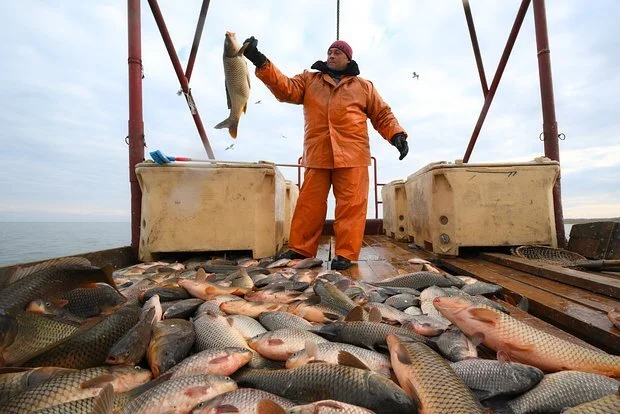
According to reports, the Russian National Fisheries Association (ВАРПЭ) and the Shipowners Association pointed out that the current federal project provides 25% compensation for transportation costs for agricultural exports. This support measure plays an important role in maintaining foreign market share. Companies are worried that if subsidies are eliminated or reduced, Russian aquatic products will lose their price advantage in overseas markets.
Documents show that one of Russia’s main export markets is China, especially fish, fish fillets and other seafood. Among the exports of related products in 2025, the Chinese market will account for a large share. Therefore, companies emphasize that the continuity of subsidies is crucial to maintaining stable exports to China.
The Russian Ministry of Agriculture stated in its response that relevant support policies are being reviewed and improved, but ensuring the competitiveness of Russian export companies is still one of the government's key concerns. Industry insiders believe that in the context of rising global logistics costs and intensified market competition, maintaining external transportation subsidies will help promote the growth of Russian agricultural exports to China.
Currently, Russian export companies and government departments are still negotiating details such as the scope, duration and coverage of subsidies. If relevant support continues to be implemented, it is expected to alleviate the pressure faced by Russian foreign trade companies and further consolidate business ties with China and other major trading partners.