Preface
The situation in the Middle East these days can no longer be summed up by the word "escalation." Many people are still stuck in the old impression, but reality has changed the script. The rhythm has changed, and so has the direction.
1. It’s not about fighting hard, but hitting accurately: the rhythm of the battlefield has been controlled by someone else.
Let’s explain the core situation clearly first. In this round of conflicts, Iran is no longer a passive responder, but a proactive one. And it is not a test, but a continuous and high-intensity attack.
Around April 1, the Israeli mainland suffered the most intensive round of attacks since the war began. This was not a partial attack, but a large-scale attack. Attacks come from multiple directions, the rhythm is tight, and multiple waves of attacks are formed in a short period of time. Missiles, drones, and long-range rockets are involved at the same time. This combination is not a temporary combination, but a prepared and systematic approach.
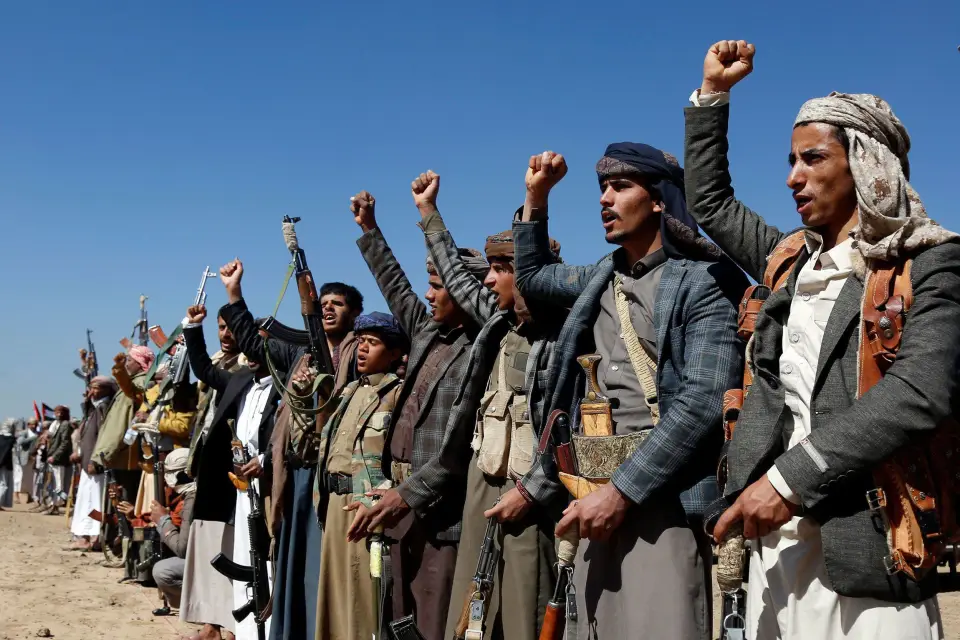
More importantly, this time it is not a single breakthrough, but a coordinated advancement. The Houthi armed forces in Yemen and Hezbollah in Lebanon participated simultaneously, creating pressure from different directions. This multi-axis attack is essentially stretching the limits of the defense system. An air defense system can cope with a single direction, but when faced with multiple directions and high-frequency continuous attacks, it will quickly enter an overload state.
The results are intuitive. Vulnerabilities began to appear in the defense system, interception efficiency decreased, and some areas were hit. What does this change mean? This means that the battlefield rhythm is no longer determined solely by the United States and Israel.
For a long time in the past, the United States and Israel have been accustomed to the "first mover advantage." They basically control who strikes first, where to strike, and to what extent. But this round is different. The current rhythm is that the other party is pushing and Meiyi is responding.
This is the turning point. It's not which blow hits harder, it's who controls the tempo.
2. The price of misjudgment is being realized: Underestimating Iran is the starting point of this conflict
Many analyzes still remain at the "tactical level", but in fact the problems were buried earlier. US-Israel's biggest mistake this time was not in execution, but in judgment.
In the past, external assessments of Iran have been conservative. It is believed that its missile reserves are limited and its continuous combat capabilities are insufficient, making it difficult to sustain long-term support in the face of high-intensity strikes. This judgment seems logical on paper, but reality is gradually denying it.
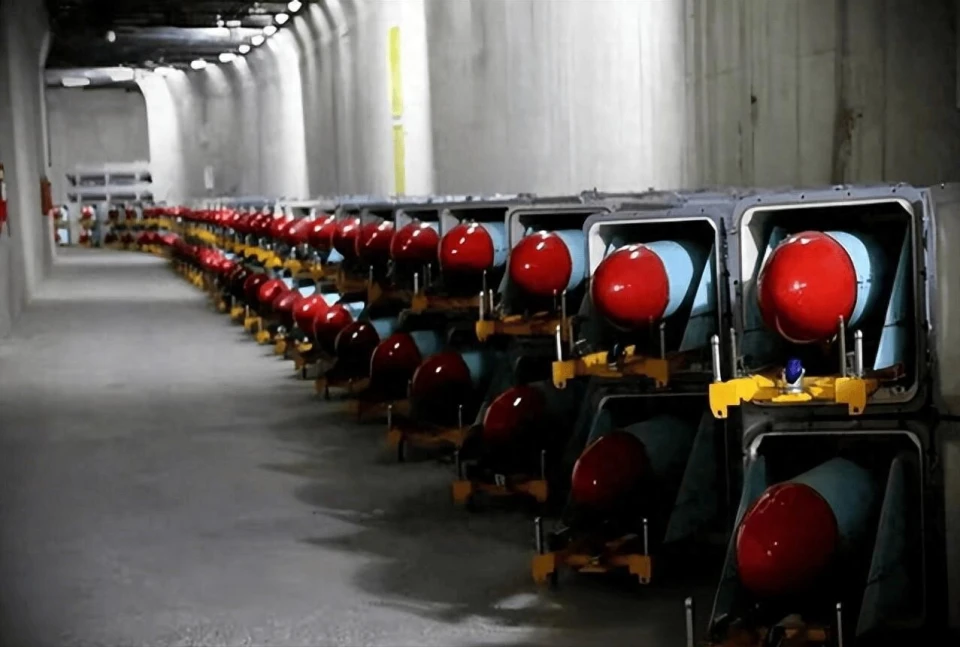
As the conflict continues to this day, Iran's strike capabilities have not significantly declined, but have continued to increase in pace and scale. The frequency of missile launches has increased, the proportion of heavy warheads has increased, and the scale of investment in drones has expanded. This shows two things: first, the inventory far exceeds external expectations, and second, the production and replenishment capacity are operating.
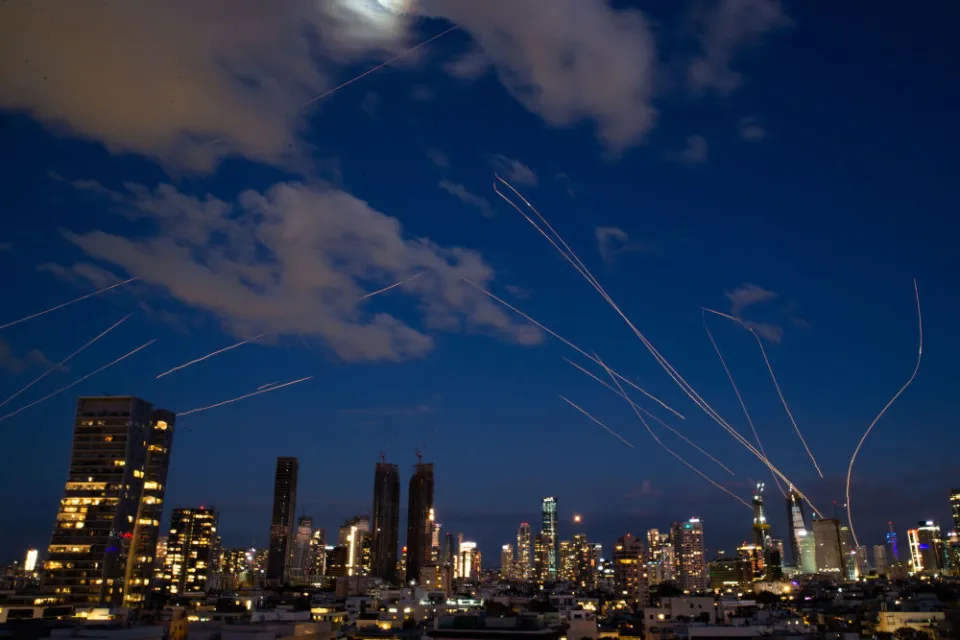
What's more noteworthy is that this ability is not a short-term burst, but a continuous output. Within a month, the cumulative launch scale has reached a very high level, but there is no obvious sign of "lack of stamina".
Behind this is the result of long-term investment. Iran's construction of its missile system did not just start in recent years, but has continued for a long time. From reserve to production, from launch to support, a complete closed loop is formed.
Let’s look at the geographical conditions. Iran's terrain determines that its military facilities are naturally concealed. A large number of key facilities are deployed underground and reinforced by mountain structures. The meaning of this layout is simple: to improve survivability and extend the combat cycle. Even if the opponent controls the general area, it is difficult to completely destroy it.
In other words, the United States and Israel originally expected a "quick victory", but the reality turned into a "confrontation of attrition". Once you enter this mode, the cost of early misjudgments will continue to amplify.

3. Not a sudden outbreak, but long-term preparation: Iran’s playing style is very clear
Many people think that this round of counterattack is sudden, but in fact it is not sudden at all. The real change is that Iran switches from "restraint" to "execution."
At a strategic level, Iran has been preparing for the worst-case scenario. Instead of placing our hopes on the external environment, we continue to strengthen our own capabilities. When it comes to the specific action stage, the idea is also very clear. It is not a blind bombing, but a step-by-step advancement.
The first step is to suppress the ability to perceive. Target early warning systems and air defense nodes to weaken the opponent's "eyes". The second step is to weaken the support system. Fuel depots, airports, hangars, and runways are the basis for maintaining operations. Once damaged, the ability to sustain operations will decline. The third step is to expand the scope of the attack to cover key industrial and energy facilities to further compress the opponent's space.
The core of this style of play is to first weaken the defense and then expand the attack, rather than going all out from the beginning. Waiting until the opponent's protective capabilities decline and then increasing the strike density will be more efficient and cost-effective.
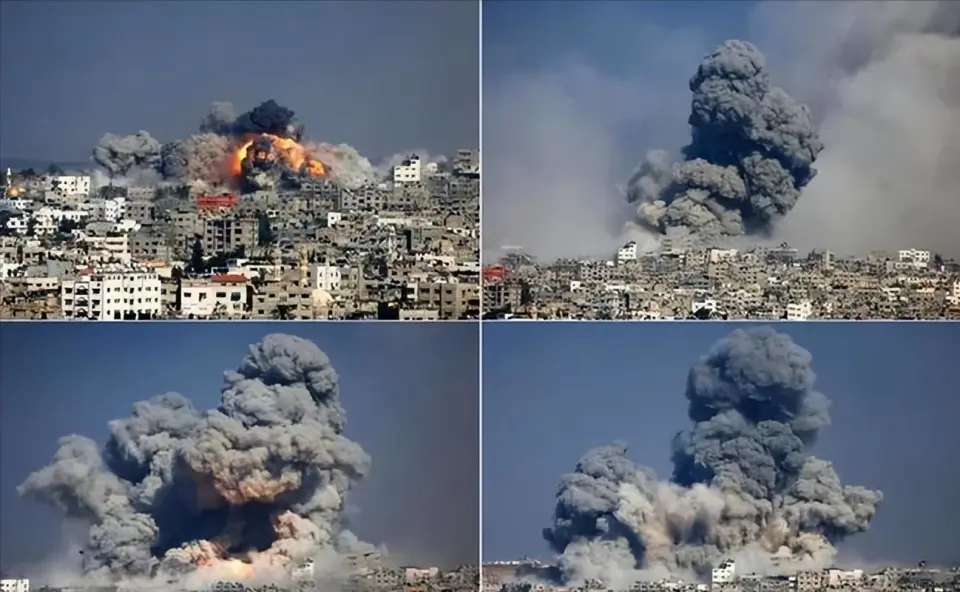
The current situation also confirms this. As defense pressure increases, the difficulty of interception by the United States and Israel is increasing, while the frequency of Iran's attacks is increasing. This kind of ebb and flow is the embodiment of tactical effect.
Let’s look at the regional level. The so-called "Shia Arc" is not a temporary alliance, but a long-term network. In the past period of time, these forces were not fully released and were even in a state of contraction. But as the conflict escalated, these forces began to reactivate and form coordination.
The result of multi-point linkage is that the pressure is dispersed, but the overall intensity is rising. For Israel, defense is no longer a problem in one direction, but is under pressure from multiple directions at the same time.
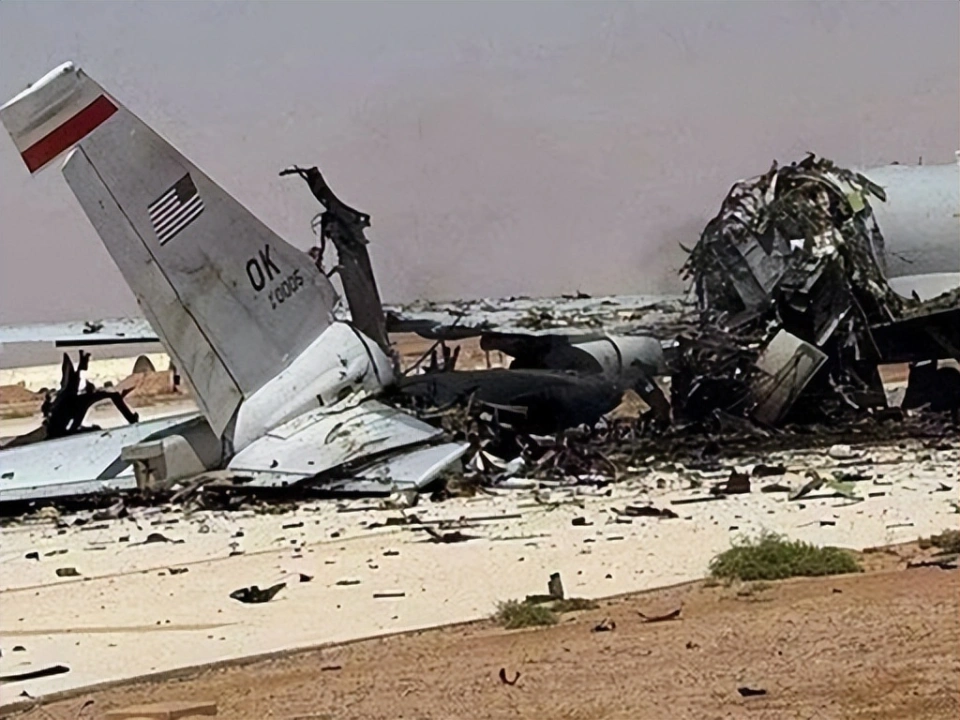
4. The problem for the United States is not whether to fight, but how to end it.
At this point, the problem is actually very clear. What the United States is facing now is not a simple military choice, but a structural dilemma.
There are risks if you continue to overweight. Ground operations mean higher costs and longer cycles, and also mean further rising domestic pressure. Domestic support for military action in the United States has declined significantly, as can be seen from recent public opinion and data. Once the war is prolonged, its impact on the economy and society will continue to amplify.
Choosing to shrink also comes with a price. Once it withdraws, the situation in the Middle East will change rapidly, the security pressure on Israel will increase significantly, and the influence of the United States that has been operating for many years will be affected. This is not a problem on a single battlefield, but on the overall strategic layout.
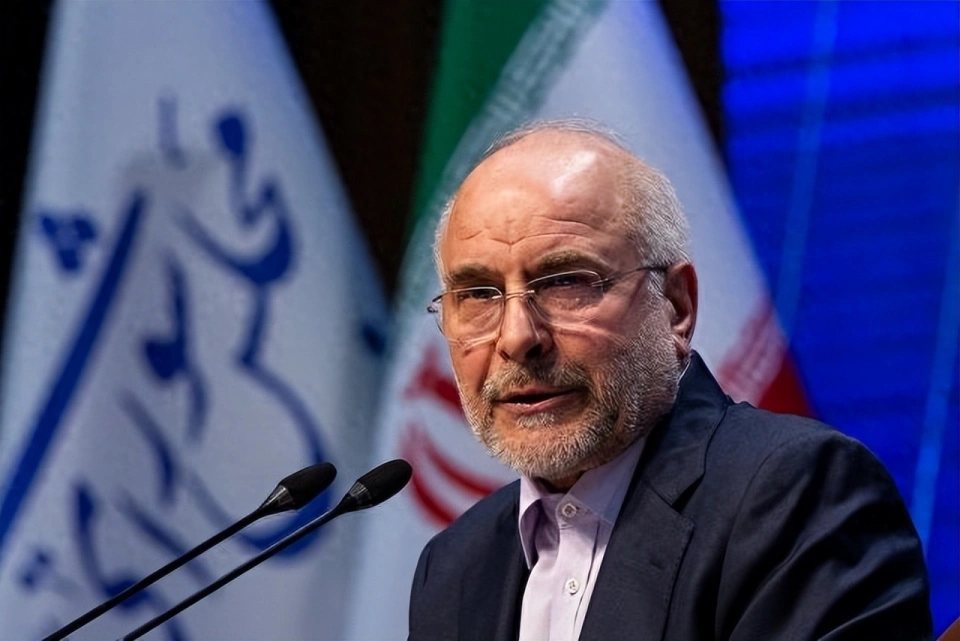
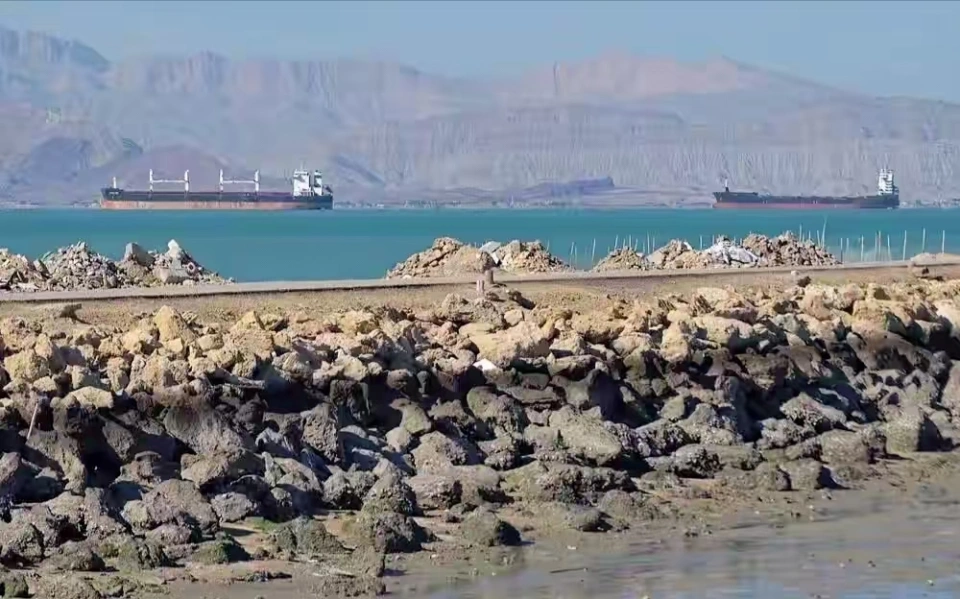
The more realistic point is that even if the United States chooses to cool down now, the situation will not recover immediately. The security of the Strait of Hormuz, the fluctuations in the energy market, and the expectations of regional countries will not return to the original point immediately. The chain reaction caused by the conflict will last for a period of time.
So what Trump is facing now is not "whether to fight or not to fight", but "how to end it." The way it ends determines the size of the subsequent impact.
The problem is that the initiative is no longer as firmly in the hands of the United States as it once was. Adversaries continue to act, allies are waiting and watching, and markets are reassessing. The superposition of these three aspects creates new constraints.
Conclusion
In the game of chess in the Middle East, it is never about who has the loudest voice who wins, but who can drag the game to the end. The change now is immediate: myths are starting to loosen up and reality is starting to speak. The real outcome is not where the missile lands, but who fails to sustain the cost first.