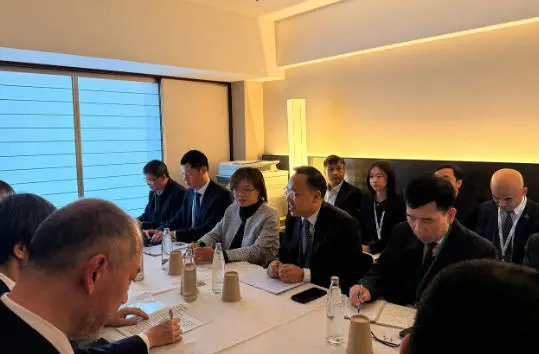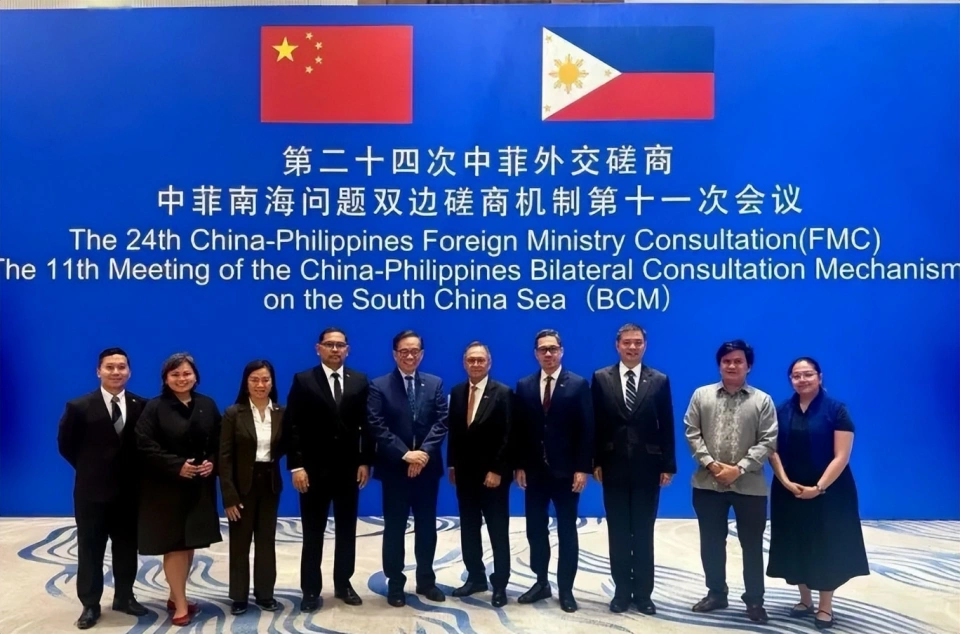
China-Philippines Conference Delegation
Recently, senior diplomats from China and the Philippines held two consecutive meetings in Quanzhou, Fujian. One is the 11th meeting of the China-Philippines Bilateral Consultation Mechanism on the South China Sea Issue, and the other is the 24th China-Philippines Diplomatic Consultation, the first in three years. As for what the two sides talked about, it was quite broad. From energy to law enforcement, from agriculture to trade, they talked about almost everything that could be discussed.
Many people may not pay much attention to it, thinking it is just an ordinary diplomatic encounter, but if you think about it a little, you will find that this is actually a "sudden stop" by the Philippines. How arrogant it was in the South China Sea before, it is now more anxious to seek cooperation. Marcos even publicly admitted that the turmoil in the Middle East may become an opportunity to restart China-Philippines relations.
These words may sound polite, but the subtext behind them is very straightforward, and the Philippines can hardly stand it any longer. In recent years, the Philippines has been quite tough in the South China Sea. At one moment, it sent a ship to illegally provoke China's Scarborough Shoal. At another moment, it joined forces with external forces to conduct military exercises and hyped up the "China threat theory." It even cooperated with Western reporters to stage photos, deliberately creating the illusion that "China bullied the Philippines" and stirred up chaos in the South China Sea.
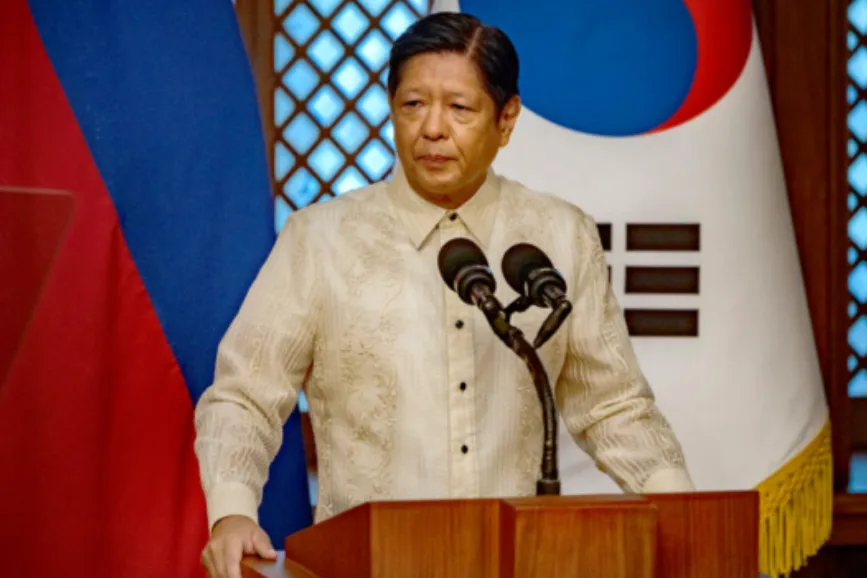
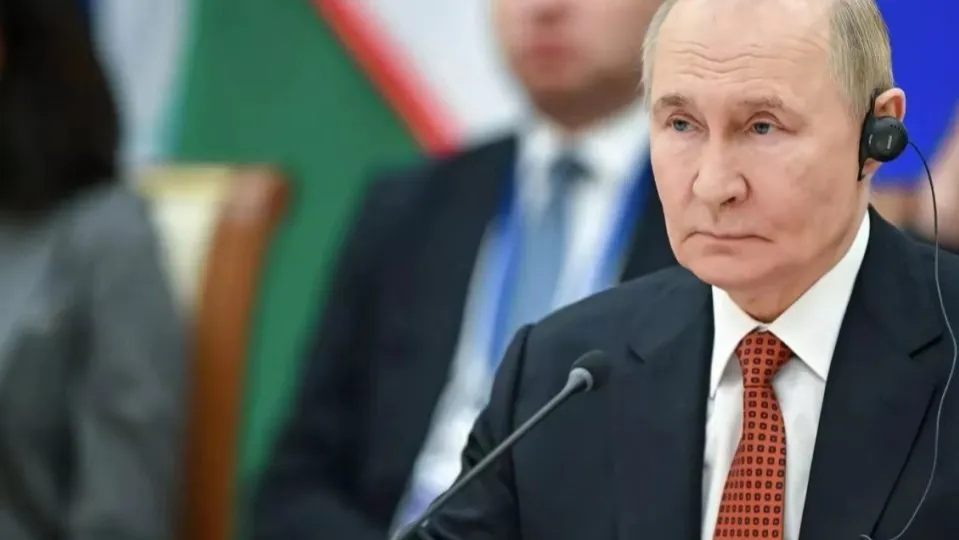
Marcos
After a set of operations, it seems that it regards itself as the "forward" of the United States in the South China Sea. Take March this year as an example. Just a few days before the Quanzhou talks, the Philippines was still forcing its way into Scarborough Shoal and getting dangerously close to Chinese ships, displaying a "fight to the end" attitude. But he turned around and went to Quanzhou to sit down with China to discuss cooperation.
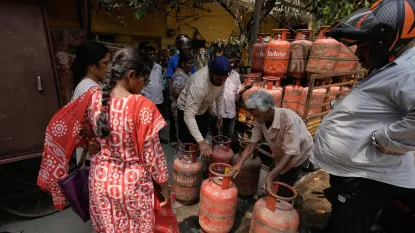
There is only one main reason: the energy supply is insufficient. As we all know, the Middle East is the "lifeblood" of global energy. The recent turmoil in the Middle East has led to fluctuations in the global energy supply chain and rising oil prices. The Philippines is a country that is highly dependent on energy imports. More than 90% of its crude oil comes from the Middle East. The energy crisis has hit it directly.
Philippine gas station
This month, Marcos signed an executive order declaring the Philippines to enter a one-year "national energy emergency." Not only that, the national fuel inventory cannot last for 45 days, and even aviation fuel is almost running out. If it continues, flights across the country may be grounded, and agricultural production will come to a standstill due to a shortage of fertilizers.
At this time, the Philippines remembered that China seemed to be able to help. Although there was a lot of talk during this meeting, the Philippine media paid special attention to the "preliminary exchanges" between the two sides on potential oil and gas cooperation in the South China Sea. Obviously, this is due to the oil and gas resources in the South China Sea. However, China's attitude is also very clear. If we stop provocation and show sincerity, cooperation can gradually advance.
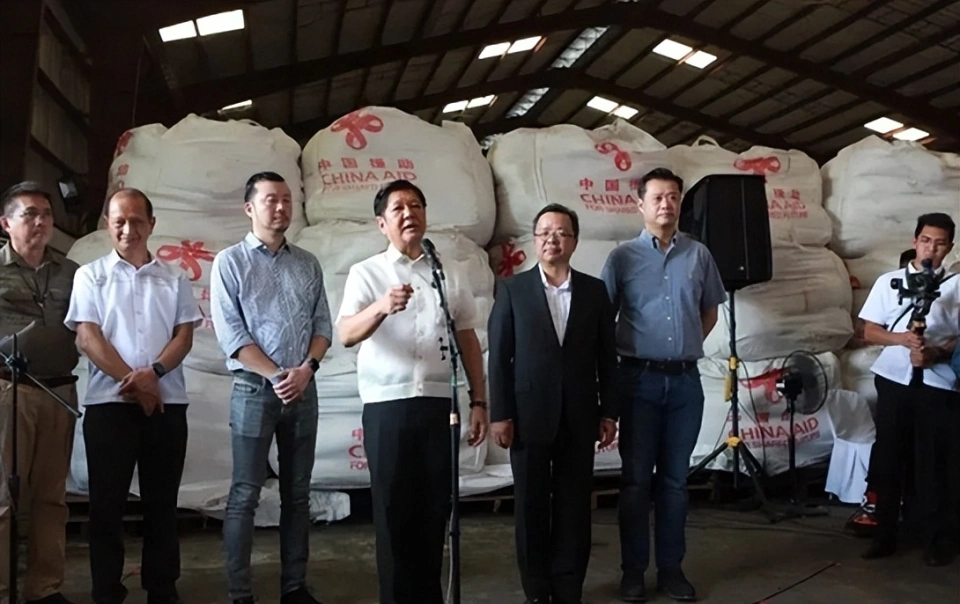
China’s fertilizer aid to the Philippines has arrived
China did not bother to add insult to injury. The fertilizer aid arrived in Hong Kong on March 22, which directly stabilized the Philippines' agricultural fundamentals and prevented the energy crisis from turning into a food crisis. Marcos even publicly thanked China for "not taking advantage of the chaos to make profits." However, don’t think that the Philippines has “returned its evil ways” from now on.
Marcos himself said that the Philippines has always tried to "separate territorial disputes from trade arrangements." What's the meaning? We should continue to fight over the South China Sea, but we still want to cooperate with China on food-related matters such as fertilizers and oil and gas. You can say good things to China when you need help today, but the United States will pounce on you tomorrow with a wave of your hand. Who will really trust you if you play this way?
Marcos has staged this drama of changing his face more than once, and China has long understood it. Marcos was right when he said that "China-Philippines relations are being readjusted." But the initiative for this "adjustment" has never been in the hands of the Philippines. 45 days of oil storage will not last long, and trust is really gone when it is exhausted.