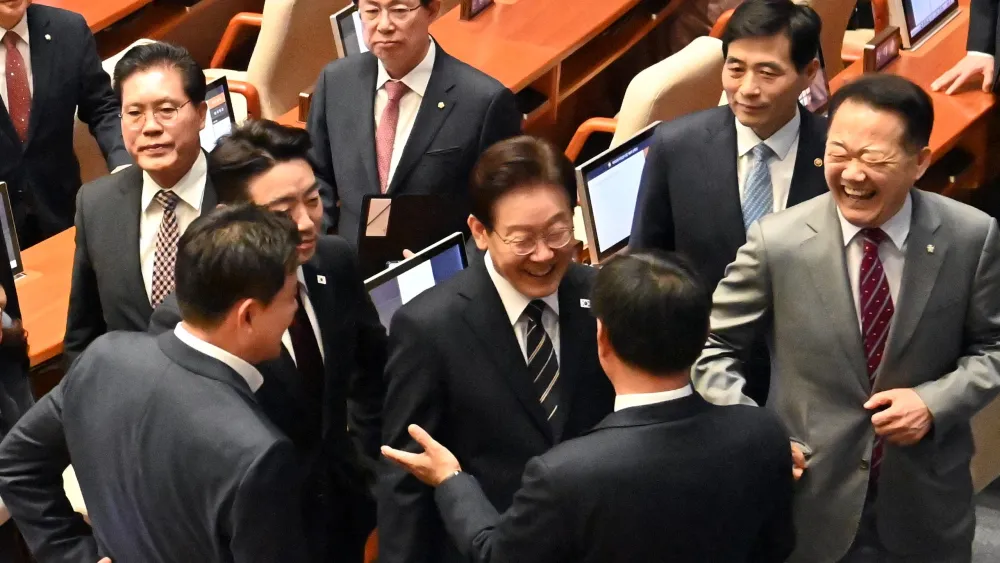
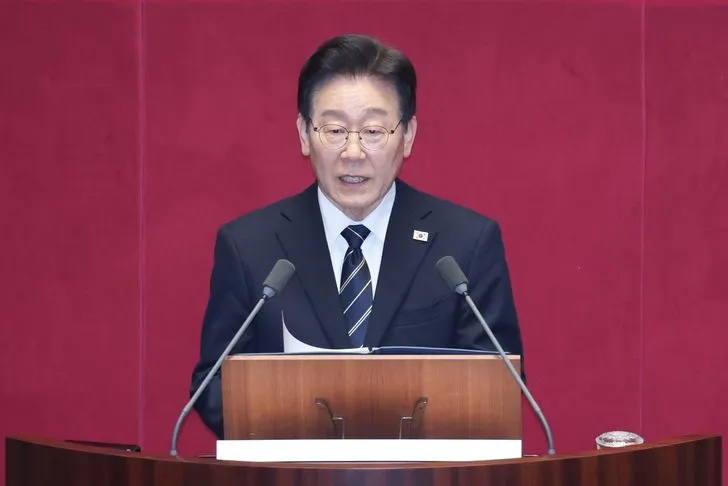
On the 2nd, South Korean President Lee Jae-myung delivered a speech in the National Assembly to explain the supplementary budget totaling 26.2 trillion won. He said: "The outbreak of the war in the Middle East has entered its 34th day, but it is still impossible to predict when this crisis, considered by the outside world to be the most serious energy security threat, will end."
He added that the slower the pre-emptive response, the greater the damage to South Korea's economy and people will be. Therefore, he urged Congress to pass the supplementary budget as soon as possible.
It will take time to restore damaged infrastructure in the Middle East
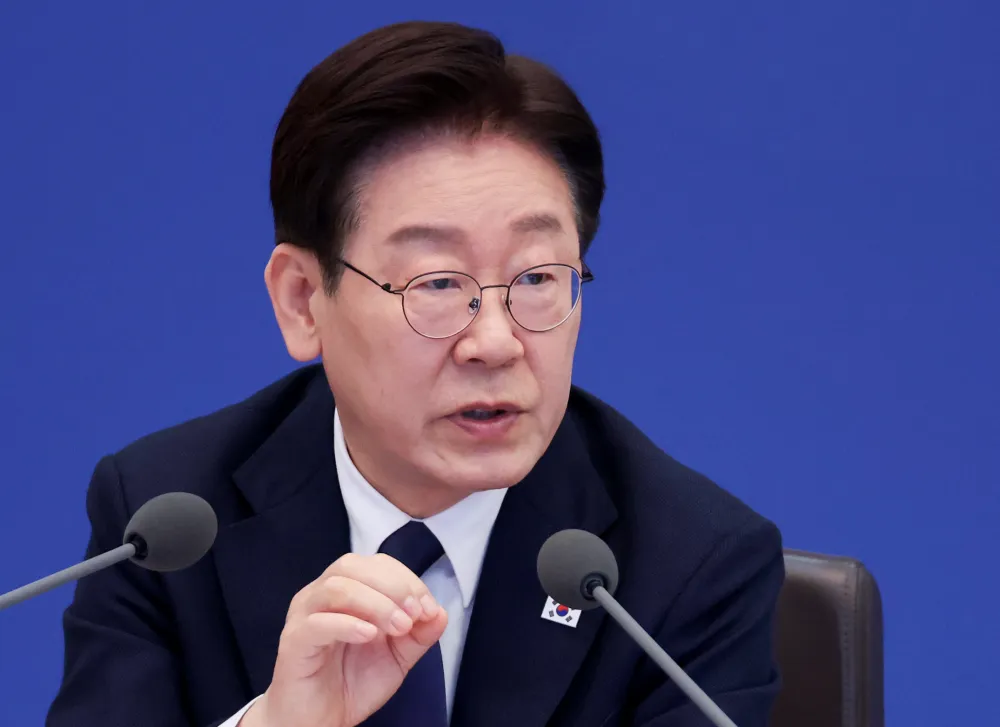
In his speech that day, Li Zaiming pointed out that the current crisis is not a fleeting shower, but a violent storm with an unknown duration. He emphasized that even if the war ends tomorrow, it will inevitably take a lot of time to complete the reconstruction of the destroyed energy infrastructure in the Middle East and for the supply and demand relationship to return to its previous smooth state.
Lee Jae-myung expressed concerns about the economic outlook. He pointed out that as the global economy comes to a standstill, the spark of economic growth that South Korea has finally rekindled is at risk of being extinguished.
He further explained that after the Korea Composite Stock Price Index exceeded 5,000 points, thanks to the excellent performance of domestic companies in fields such as semiconductors and shipbuilding, the Korean economy had an opportunity to take off, but it encountered this sudden compound crisis.
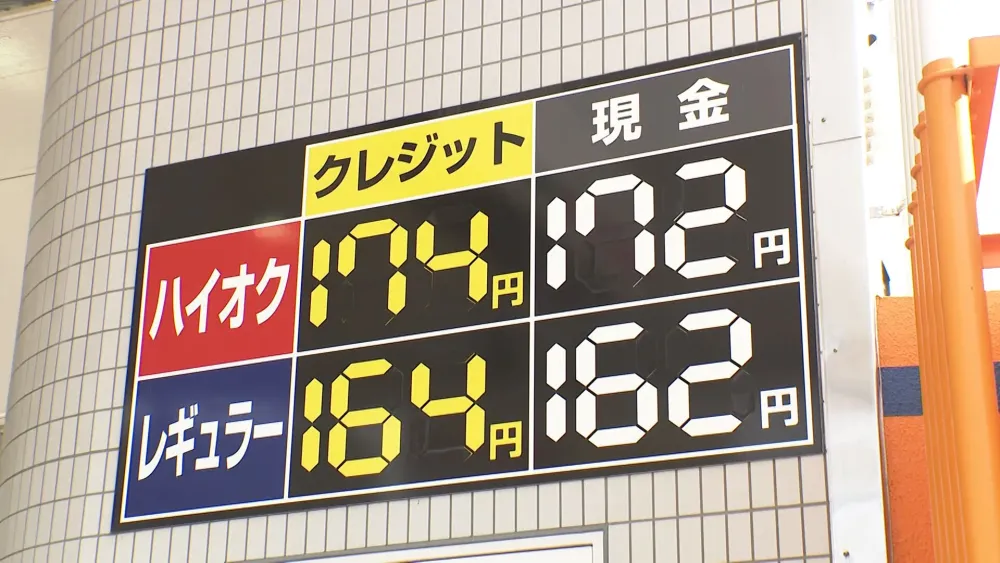
Oil supply disruptions have caused gasoline and diesel prices to skyrocket, while shortages of raw materials are threatening a wide range of livelihoods including the production of vinyl-containing plastic products and fertilizers. He emphasized that the government must take more thoughtful response measures given that the current situation may not end in the short term.
A debt-free supplementary budget that does not use national debt…to make use of 25.2 trillion won in excess tax revenue
Lee Jae-ming made it clear that the supplementary budget submitted this time is a "debt-free supplementary budget" that does not involve the issuance of government bonds. He said that thanks to the prosperity of the stock market and semiconductor industry, the government will use 25.2 trillion won in excess tax revenue and combine it with 1 trillion won in fund resources.
He added that this system design ensures that during the Middle East war crisis, bold investments can be made in key areas without passing on the fiscal burden to the national and macroeconomics.
Li Zaiming listed "protecting vulnerable groups in society" and "improving the economic structure" as specific goals of the supplementary budget. In terms of stabilizing people's livelihood, he introduced the "High Oil Price Loss Support Fund" project.
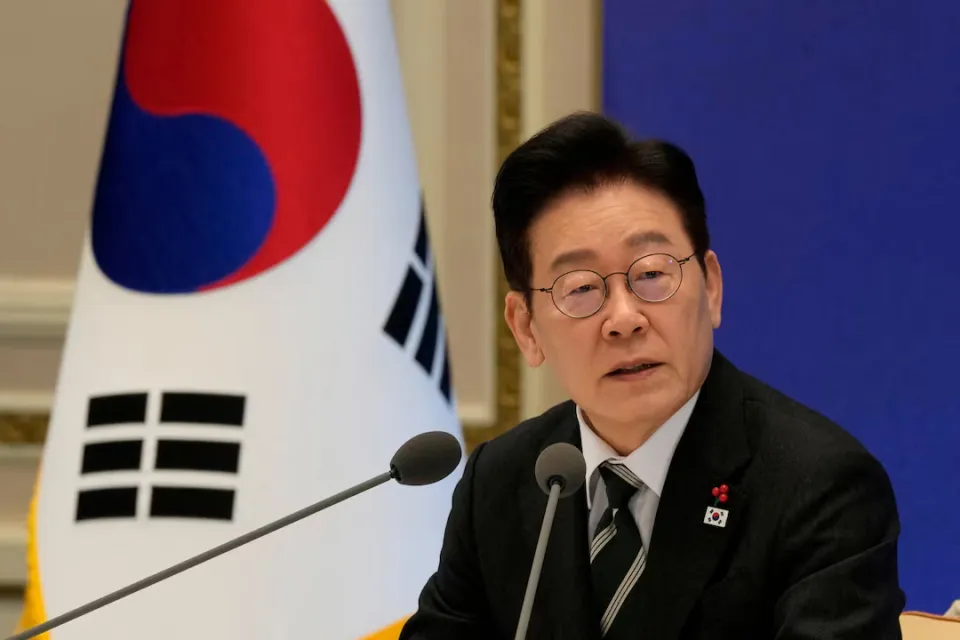
The project will provide local currency subsidies of up to 600,000 won to those in the bottom 70 percent of income groups. He said the move was aimed at easing the twin burdens of high oil prices and inflation faced by ordinary people.
In terms of youth support policies, he promised to expand entrepreneurship and employment opportunities. He pointed out that this crisis will inevitably have a more serious impact on young people who are new to society.
In the energy sector, he announced a record-breaking renewable energy support package totaling 1.1 trillion won. He said the government will turn this energy crisis into lessons learned and development opportunities, and accelerate the transition to renewable energy.
Lee Jae-ming also announced that the government will double the number of "dream centers" that provide basic food and daily necessities for free, from the existing 150 to 300. He emphasized that it is necessary to ensure that people do not take extreme paths or fall into crime due to food shortages.
He went on to point out that the government will further expand the coverage of rural basic income to broadly support rural areas that are plagued by population decline and aging. At the same time, he mentioned that the government will pay more attention to the issue of social polarization, pointing out that the gap between rich and poor is currently widening among various classes, generations and industries.
Zero tolerance for hoarding… Overcoming crises depends on speed
In his speech, Lee Jae-myung repeatedly emphasized the unity of the social community and the determination of the National Assembly. He declared that the government will strictly follow the zero-tolerance principle and crack down on any unfair behavior such as colluding with price increases and hoarding to make huge profits by taking advantage of the social crisis.
He called on the whole society to save every drop of oil, avoid wasting even a plastic bag, understand each other and unite as one, so that South Korea can safely and quickly get out of the haze of this crisis. He promised that governments and public officials, including himself, would lead by example with extraordinary determination.
Li Zaiming pointed out that the success or failure of overcoming the crisis depends on the speed of action. He likened the supplementary budget to a breakwater that protects people's lives from the waves of crisis and a springboard for leapfrog growth.
He strongly called on the government, Congress, and the ruling and opposition parties to work hand in hand in the face of a national crisis and work wholeheartedly for the development of the people and the country with pure dedication.
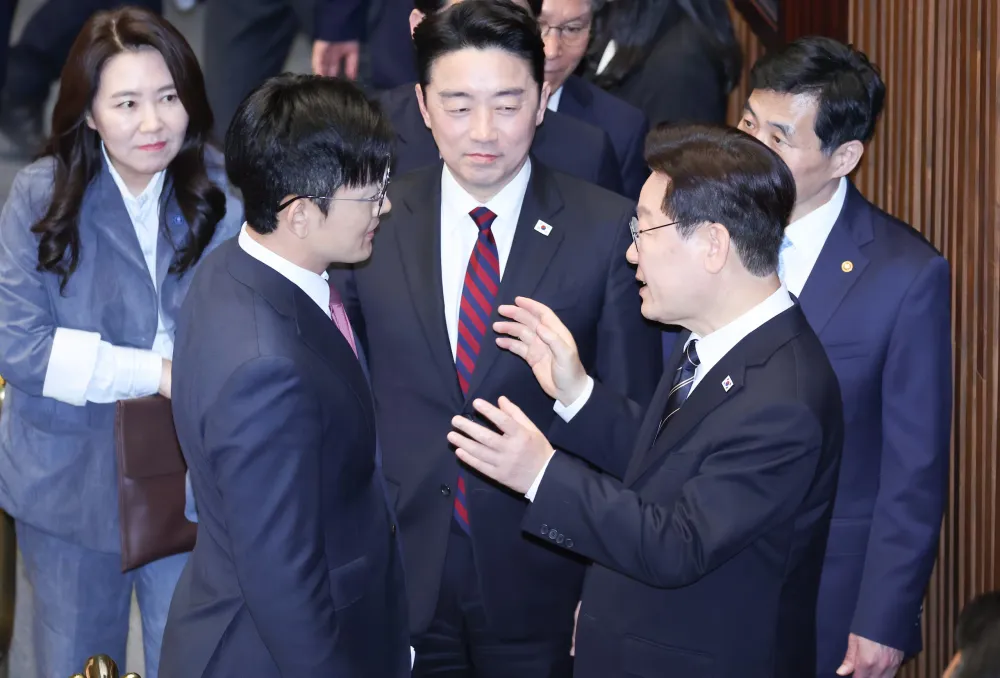
After his speech, Li Zaiming shook hands with the members present. He also walked to the seats of National Power Party members to shake hands and communicate with them.
Source: President Lee Urges Swift Approval of 26.2 Trillion Won Supplementary Budget