Building Information Modeling (BIM) is a digital model-based tool that helps architects, designers, engineers and construction workers work together to manage and maintain construction projects. BIM software can be used not only for architectural design and construction, but also for project management, cost estimating, equipment management and operations, etc. Today I will explain to you the use and practice of BIM software.
1. Use of BIM software
BIM software is a tool that can create, manage and maintain building information models in a digital environment. When using BIM software, users can create different building information models based on project needs. These models can include building structures, materials, equipment, piping, electrical systems, lighting systems, etc. BIM software can also allow multiple team members to collaborate and jointly edit and modify building information models to ensure the efficiency and accuracy of the project.
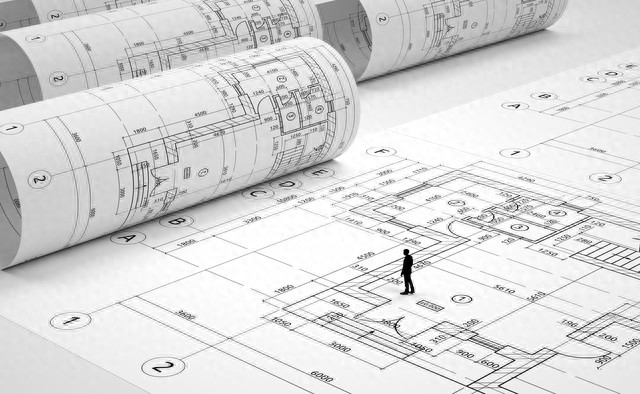
The use of BIM software is usually divided into three stages: design stage, construction stage and operation stage. During the design phase, BIM software can be used to produce architectural design and technical documents, including floor plans, elevations, construction drawings, sections, etc. During the construction phase, BIM software can be used to coordinate the construction process, including building 3D models, generating material lists, developing construction plans, and more. In the operation phase, BIM software can be used for the maintenance and management of construction equipment, including maintenance plans, equipment lists, maintenance records, etc.
2. Practice of BIM software
The practice of BIM software needs to fully consider the following aspects:
Project management and collaboration: When using BIM software, a good project management and collaboration mechanism needs to be established to ensure collaboration and communication among team members. Team members need to clarify their respective tasks and responsibilities, and report and share project progress and results in a timely manner. Data standards and formats: BIM software needs to use standardized data formats and data standards to ensure data consistency and reliability. At the same time, team members need to comply with data management practices to ensure data security and confidentiality. Technical support and training: The use of BIM software requires a full understanding of the software’s functions and operation methods. Team members need to receive adequate training and technical support to improve the efficiency and accuracy of using BIM software. Performance and stability: BIM software needs to have good performance and stability to meet the needs of complex and large-scale projects. The team needs to choose stable and reliable BIM software to ensure that the software can meet the requirements of the project and will not cause problems such as crashes and data loss during use. Innovation and development: The development and innovation of BIM software is a continuous process. Team members need to actively pay attention to new technologies and new methods, and constantly update and improve their skills and knowledge levels. At the same time, the team also needs to establish close cooperative relationships with suppliers and manufacturers to obtain the latest technical support and information.
3. Advantages of BIM software
BIM software has many advantages, including:
Improve efficiency: BIM software can reduce errors and loopholes in the design and construction process and improve the efficiency and accuracy of projects. In addition, BIM software can automatically generate architectural drawings and technical documents, reducing manual input and tedious tasks, thereby saving time and labor costs. Improve collaboration: BIM software can allow multiple team members to collaborate and share, thereby improving project collaboration efficiency and accuracy. Team members can jointly edit and modify building information models to quickly respond to project changes and needs. Reduce errors: BIM software can discover and correct errors and loopholes by simulating and analyzing building information models. This reduces problems and errors during design and construction, thereby improving the quality and reliability of projects. Improve visualization: BIM software can provide more intuitive and easier-to-understand visualizations through 3D models and virtual reality technology. This helps team members better understand the building information model and project requirements, allowing for better collaboration and communication.
In short, BIM software is a powerful tool that can help team members better collaborate and manage construction projects, improving the efficiency and quality of the project. When using BIM software, the team needs to fully consider project needs and technical requirements, establish good collaboration mechanisms and data management specifications, and constantly update and improve skills and knowledge levels to achieve successful and sustainable development of the project.