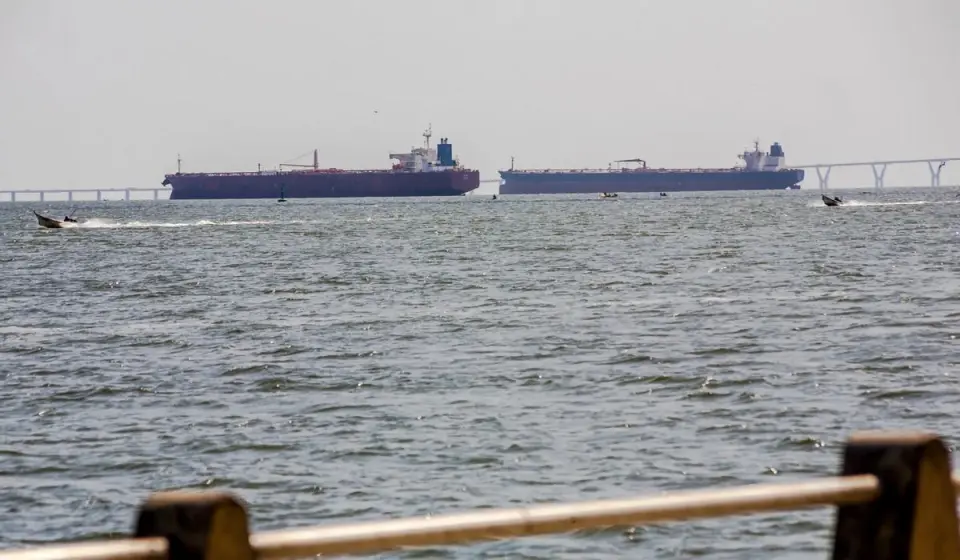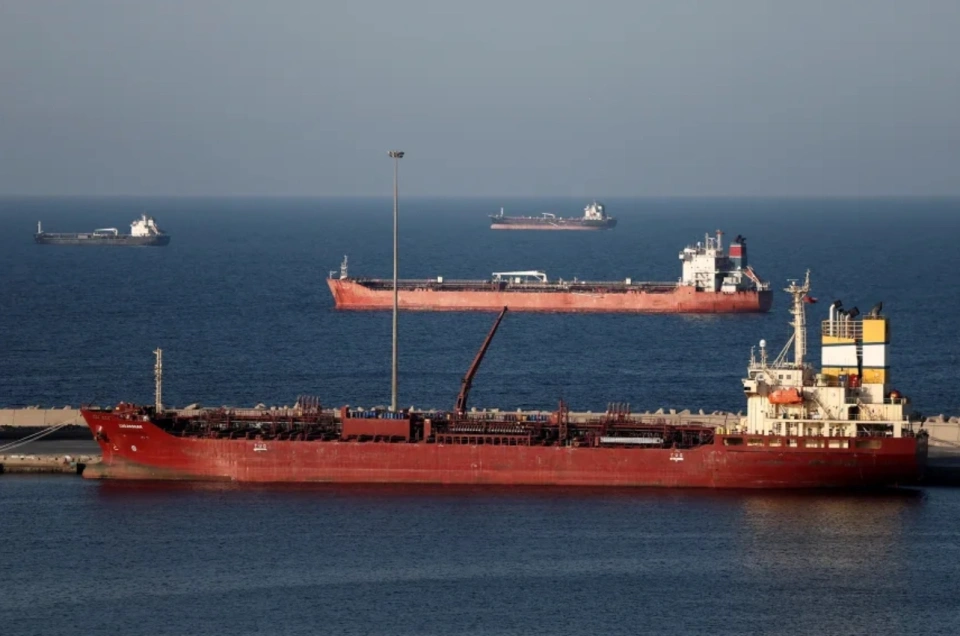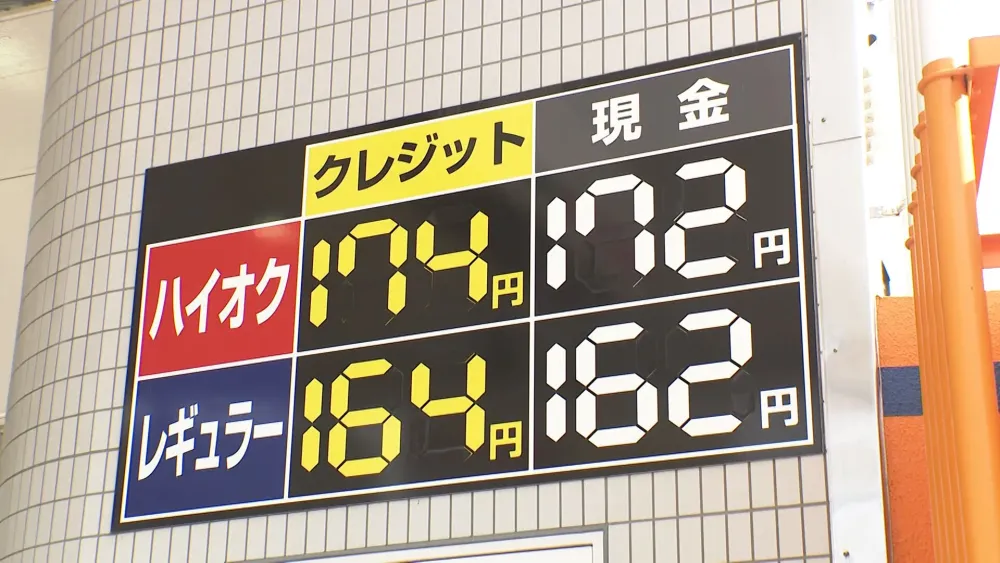
The Strait of Hormuz, the "lifeline" of Japan's economy and energy, has been closed for a month. For Japan, which relies heavily on the Persian Gulf for about 90% of its crude oil imports, this is undoubtedly a severe test that threatens the country's survival. Faced with such a turbulent international situation, the Japanese government not only used its extremely precious national strategic oil reserves, but also continued to spend money to issue subsidies in an attempt to forcefully suppress domestic gasoline prices to a level of 170 yen per liter. In this regard, Masatoshi Kojima, a senior scholar who is well versed in the global oil circulation system, issued a stern warning: If such short-sighted intervention policies continue to be implemented, a crisis that truly destroys the Japanese economy will surely follow.
Throughout history, the Strait of Hormuz has never faced such a lengthy and complete blockade. Even during the "Iran-Iraq War" that broke out in 1980 and lasted for eight years, although more than 400 passing ships were damaged in the war and the cost of marine insurance was extremely high, this throat that guarded the lifeline of global energy was never completely cut off.
As far as the current situation is concerned, even if the blockade of the Strait of Hormuz lasts for one to two months, judging from the book volume alone, with the huge oil reserves accumulated by the Japanese government and private sector over the years, the domestic basic energy supply should not experience a cliff-like collapse in the short term.
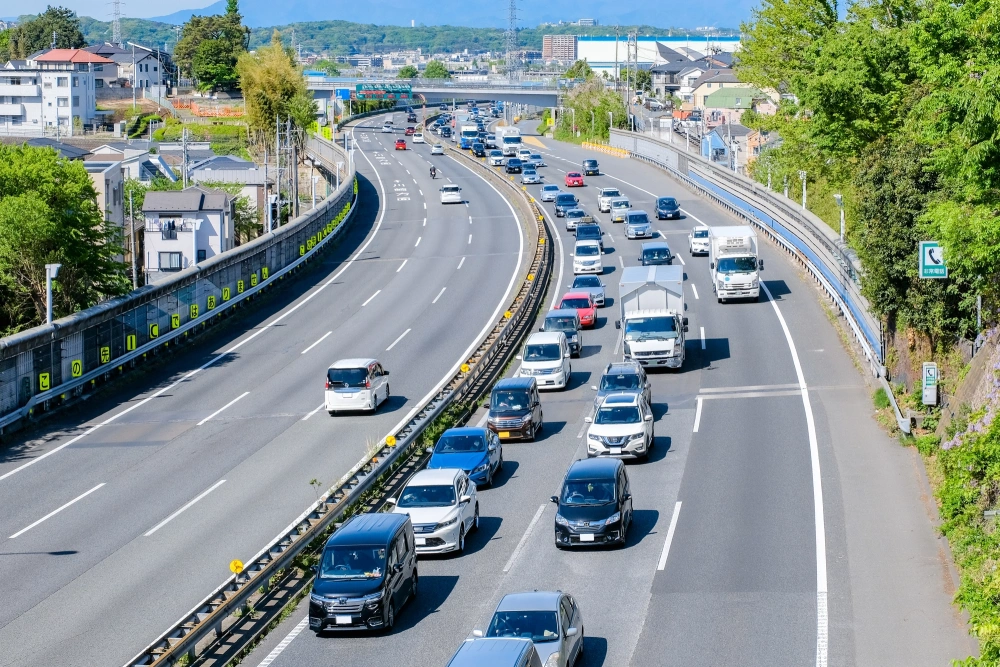
At present, the Japanese government has launched an emergency plan to release crude oil reserves. The total reserves, including state and private sector, were originally sufficient to sustain national consumption for about 250 days (equivalent to about eight months). Looking back at history, Japan's largest previous release of oil reserves occurred during the Great East Japan Earthquake, when only reserves equivalent to 25 days of nationwide consumption were used. However, if the blockade of the Strait of Hormuz exceeds four months in total, Japan's strategic reserves will fall directly below the safety red line and fall to less than half of the total reserves.
By then, the Japanese government may have no choice. Not only will it be forced to introduce mandatory oil production reduction measures, it may even issue an administrative order calling on all citizens to reduce non-essential outing activities, in order to forcefully compress domestic energy demand. There is no doubt that this extreme flow restriction measure will have an extremely profound and widespread impact on the daily operations of Japanese society.
What is puzzling and worrying is that at a time when the crisis is approaching, the Japanese government is still obsessed with maintaining terminal gasoline prices at a relatively low level through large-scale financial subsidies. This approach has great hidden dangers at the institutional level. It can easily further accelerate the collapse of the yen exchange rate due to the intensification of the national fiscal deficit; but the more fatal danger is that this move of the government is actually sending the wrong signal to the market. Not only does it fail to guide consumers to save energy, but it condones the unnecessary consumption of oil to a certain extent. If things go on like this, this approach, which goes against economic laws and strategic common sense, will surely turn into a huge disaster that is difficult to deal with.
Most of the merchandise at 100-yen stores will be affected
As we all know, crude oil is transformed into a wide variety of derivative products after undergoing complex modern refining processes, and these products play three irreplaceable core roles in supporting modern human life.
First of all, it is the fuel cornerstone that drives global transportation arteries, of which "gasoline", which is indispensable for cars, ships, and aircraft, is a typical representative. Secondly, it is the heating blood that maintains survival in cold areas, such as "kerosene" and "heavy oil" necessary for the operation of heating equipment and industrial boilers. The third point, which is easily ignored by the public but the most fatal link, is the existence of "naphtha" (i.e. light oil). It is the absolute bottom raw material for manufacturing almost all modern industrial products such as plastics, ethylene, and propylene.
As long as we pay a little attention, we will find that from the plastic bags used in daily shopping, food packaging containers in supermarkets, to sophisticated personal computer casings, and even the auto parts that support the huge manufacturing industry, modern society is essentially a world completely wrapped in petrochemical plastic products. Once the source of raw materials for these industrial products encounters a supply crisis, the life order we are accustomed to will be paralyzed in an instant. Therefore, experts assert that “Once the supply chain breaks, most of the cheap goods on the shelves of 100 yen stores will be affected or even wiped out.” This is by no means alarmist, but an inevitable deduction based on cold industrial logic.
However, at a critical moment when Iran's geopolitical crisis is like a bottomless black hole and its prospects are extremely unpredictable, the Japanese government is still using huge subsidies to encourage the public to consume gasoline in disguise and blindly consume extremely precious strategic oil reserves.
nightmare scenario
In the modern industrial system, the position of naphtha is absolutely irreplaceable. As mentioned above, it is the backbone that supports the operation of the entire Japanese manufacturing industry. Based on bottom-line thinking, in order to prevent the risk of extreme supply cuts that may come at any time, the Japanese government had room to adopt a more prudent policy – that is, to strongly curb the excessive consumption of gasoline by the private sector, and to urgently divert the saved precious oil reserves to ensure a stable supply of naphtha.
To make matters worse, Japan's domestic industrial structure appears particularly vulnerable in the face of such a crisis. Although almost 100% of the terminal gasoline refined from crude oil is locally produced in Japan, naphtha, the lifeblood of the industry, has long maintained an astonishing 60% dependence on imports. The fundamental reason is simply that the cost of preliminary refining and production of naphtha overseas is much lower than that in Japan.
What’s even more deadly is that Japan is highly dependent on imports of naphtha from the Middle East. Data shows that Japan directly imports about 50% of its naphtha from Arab oil-producing countries such as the United Arab Emirates, Kuwait, and Qatar. In addition, South Korea and India are also important import sources. However, in today's extreme situation where the global energy supply chain is facing severe shocks and South Korea and India are overwhelmed with their own crude oil supplies, these two neighboring countries are bound to categorically reject Japan's purchase request out of "domestic priority" considerations and on the grounds that "they have too much time to take care of themselves, why export to Japan."
To take a step back, even if the Japanese Ministry of Foreign Affairs and trading companies can miraculously find alternative procurement channels from other corners of the world, skyrocketing premiums and transportation costs are absolutely unavoidable. Once the dominoes fall, the high cost of raw materials will be ruthlessly passed on to the price tags of end consumer goods, triggering hyperinflation across society. For Japan, this is a stifling dilemma.
If those in power continue to slide down this wrong path into the abyss, history will inevitably repeat itself. Just as when the first oil crisis broke out in 1973, the "price surge" that swept across the country completely ended Japan's proud post-war myth of rapid economic growth; we have every reason to believe that if the current absurd energy response policies are not fundamentally corrected, the "nightmare scenario" that once destroyed the wealth and confidence of a generation will once again turn into a cold reality.