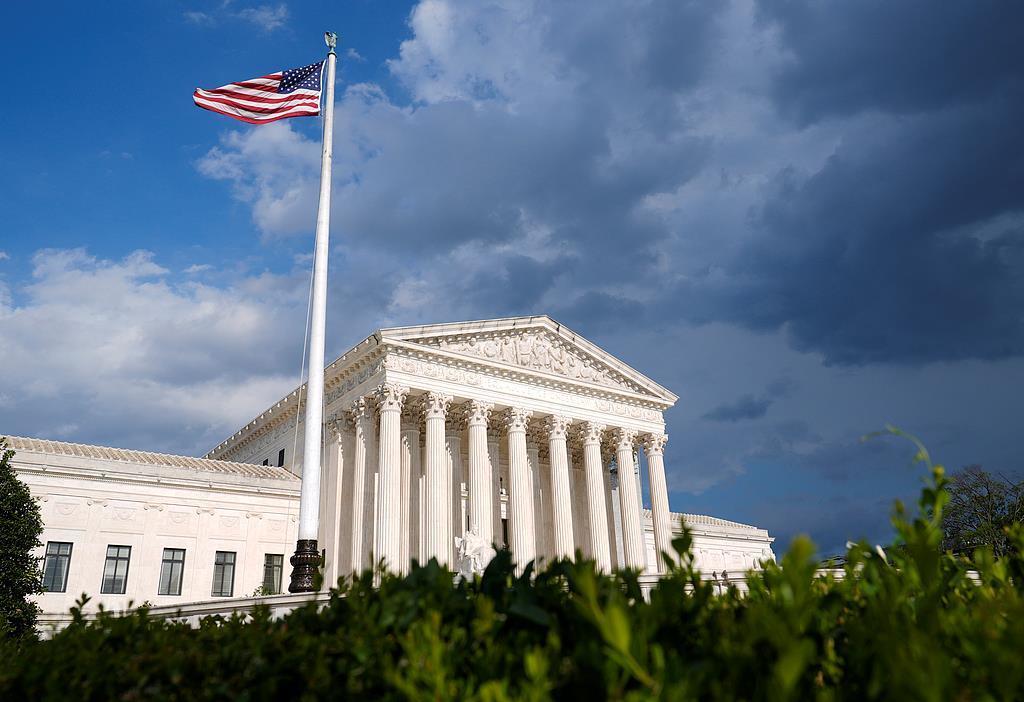
U.S. Supreme Court (file photo)
On April 1, local time, the U.S. Supreme Court opened a hearing to review the legality of President Trump’s directive to restrict birthright citizenship in the United States. The controversial plan, which is tied to the Trump administration's efforts to curb immigration, would upend long-held understandings of a key provision of the U.S. Constitution if implemented.
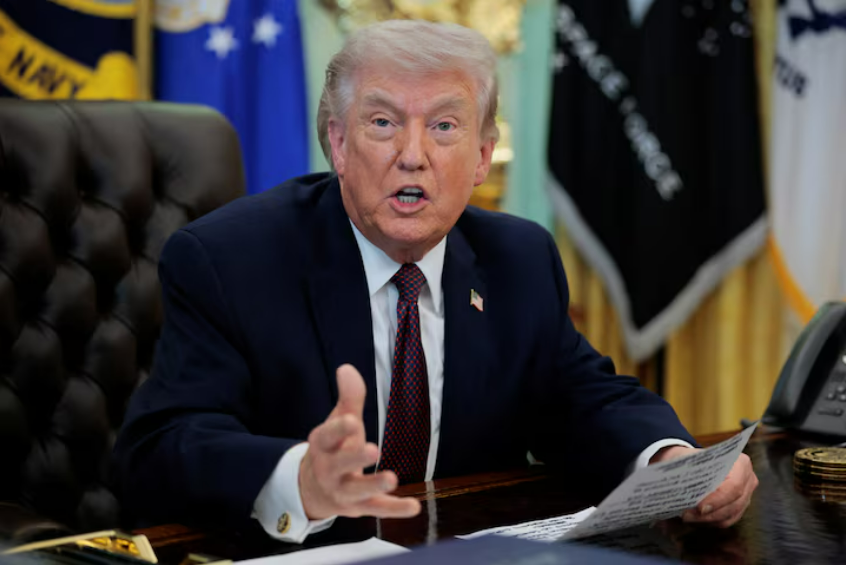
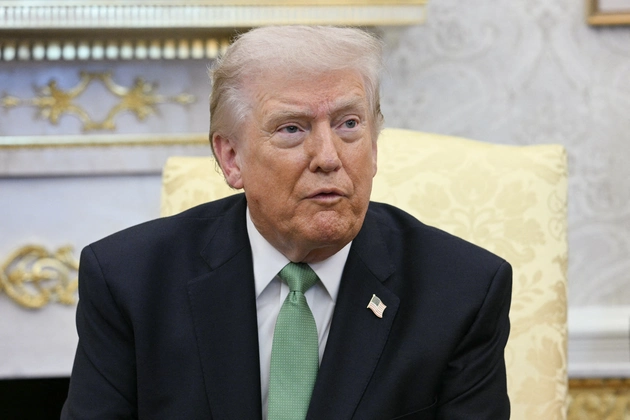
Trump attended an oral argument at the Supreme Court on the policy of restricting birthright citizenship, becoming the first sitting president in U.S. history to attend a Supreme Court hearing in person. Demonstrators gathered outside the courthouse, some holding anti-Trump signs.
According to Clare Cushman, resident historian of the Supreme Court Historical Society, Trump is the first sitting president to appear at an oral argument before the Supreme Court. Although there are historical precedents for presidents to argue cases before the Supreme Court in the 19th century, they were no longer in office at the time, including John Quincy Adams, Grover Cleveland, and Benjamin Harrison.
The case stems from the Trump administration's appeal of a lower court ruling. Lower courts had previously blocked enforcement of the executive order. The order requires U.S. government agencies not to recognize U.S. citizenship for children born in the U.S. to parents who are not U.S. citizens or permanent residents (green card holders).
The core of the dispute lies in the "birthright citizenship" clause of the Fourteenth Amendment to the U.S. Constitution. The provision has long been interpreted to mean birth in the United States provides citizenship, with only rare exceptions for children of diplomats. The Trump administration maintains that "subject to its jurisdiction" means that only those with "primary allegiance" to the United States can obtain citizenship for their children, thus excluding the children of illegal immigrants or temporary residents.
Analysis points out that if the Supreme Court ultimately upholds this position, it may affect the citizenship determination of as many as 250,000 newborns each year and have a knock-on impact on millions of families.
The case is expected to be decided before the end of June this year. The court currently has a 6-3 conservative majority, with three justices appointed by Trump during his first term. (CCTV reporter Zhu Lei)