Changing your mind at the last moment is not just a matter of "schedule adjustment"
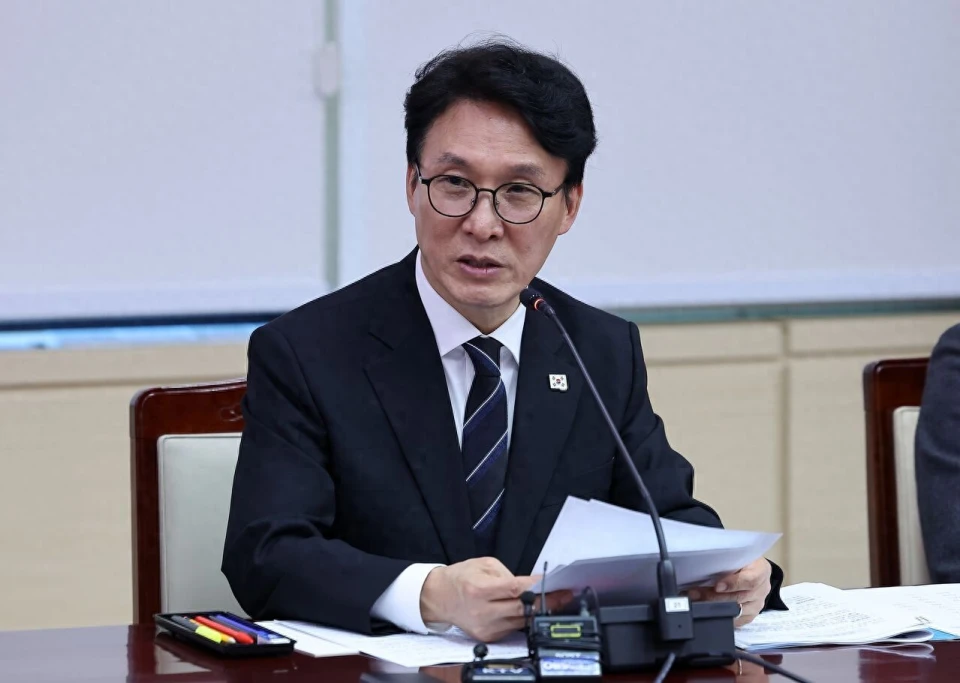
In late March, the Boao Forum for Asia Annual Conference was held in Hainan. The forum was of high standard and the nodes were very sensitive. South Korea had originally arranged for Kim Min-seok, a top official in the government, to attend, and had plans to extend his visit to Beijing. The sudden cancellation before departure, and the notification was sent via text message. This handling method is unusual in itself.
The reason given by South Korea is that there are domestic meetings and energy issues have to be dealt with. It seems reasonable on the surface, but the time point is too tight and the explanation seems hasty. More importantly, South Korea was facing price fluctuations in energy and chemical raw materials at the time, and had suffered from urea supply issues in the past, so it had a realistic need to communicate with China. Under such circumstances, canceling a visit to China does not mean "cannot take care of it", but more like "voluntarily giving up".
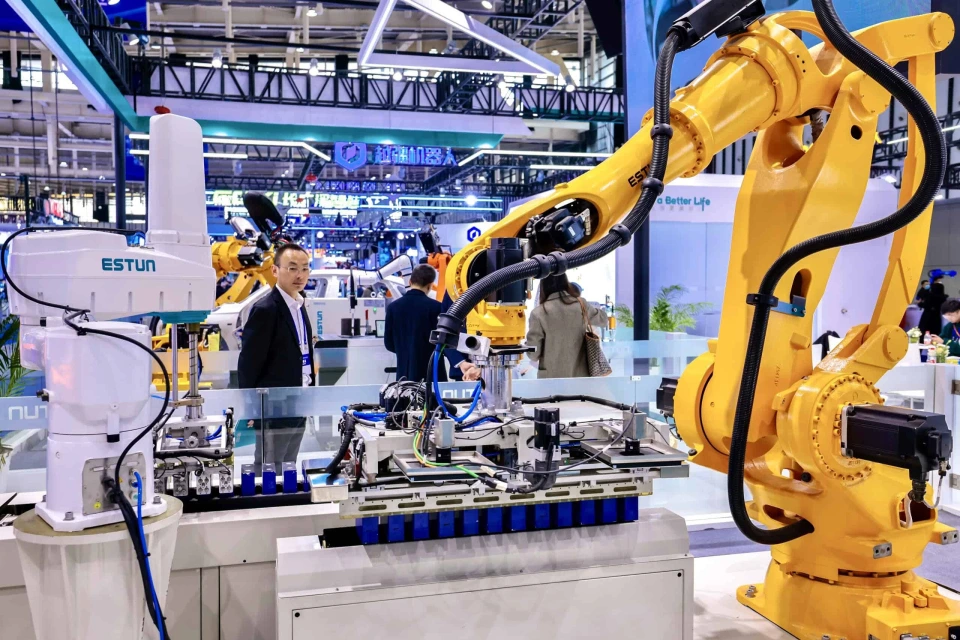
What really made his intentions clear were his actions in the following days. On March 26, the South Korean government announced the imposition of anti-dumping duties on industrial robots from China. On the same day, it also launched a review of Chinese polyester products. There is a possibility that existing tariffs will continue to increase. The action is concentrated and the rhythm is tight, and it can hardly be said to be improvised.
Looking at these two things together, it is not just a "change in itinerary", but an external manifestation of a policy shift. The sequence of withdrawing diplomatic actions first and then taking action on trade has obvious signaling implications.
Aiming at the core of manufacturing, South Korea’s abacus is not complicated
The direction South Korea chose to start this time was very targeted. Industrial robots are a key link in the upgrading of the manufacturing industry and an important area of future competition. Polyester products are basic chemical materials and are directly related to the cost of the industrial chain.
Domestic companies in South Korea have previously filed complaints, claiming that the prices of Chinese and Japanese products are too low, impacting the survival space of local companies. Especially in the field of robots, Chinese products have obvious advantages in price, and the market share of local companies has been compressed. For South Korea, simply opening up the market is tantamount to actively giving up industries.
The problem is that South Korea is not an economy that can rely entirely on domestic demand. Its industrial system is highly dependent on exports, as well as external markets and supply chains. If it is just for industrial protection considerations, it is entirely possible to adopt a more relaxed approach, such as technical standards, subsidies, etc., instead of directly imposing tariffs.
The real background is over there in the United States. In the past year, the United States has continuously strengthened its policy intervention in the high-end manufacturing field, and the robot industry has been mentioned repeatedly. U.S. companies are putting pressure on the government, the U.S. Congress is pushing for restrictive measures, and the executive level is also preparing relevant policies. In this atmosphere, it is difficult for allied countries to stay completely aloof.
To put it bluntly, South Korea's choice has two points: first, to defend its local market and avoid being completely suppressed by Chinese companies; second, to follow the rhythm of the United States and avoid being "named" on supply chain issues. The superposition of these two points resulted in the current policy action that seems sudden but has actually been foreshadowed for a long time.
Oscillating between China and the U.S., South Korea is walking an increasingly narrow path
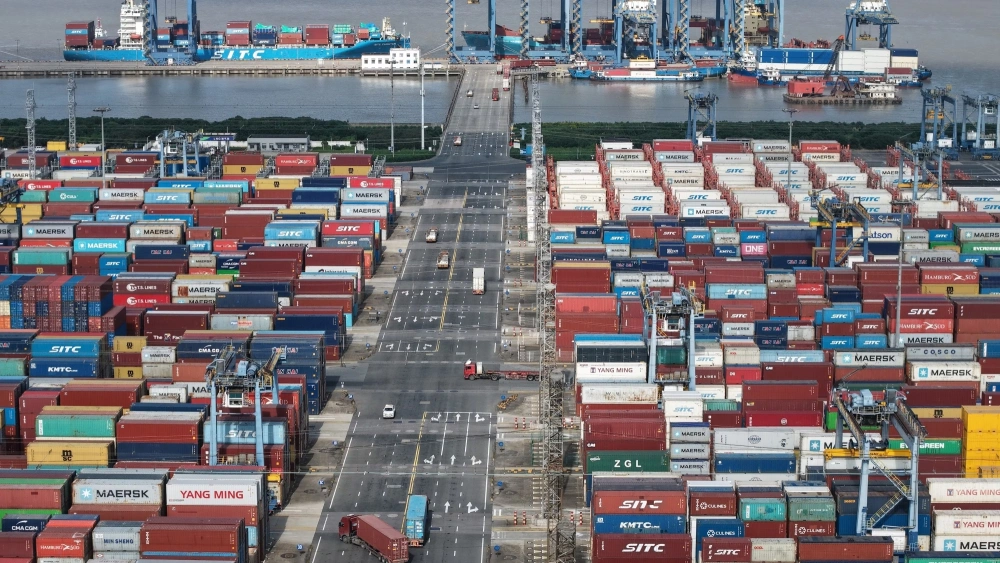
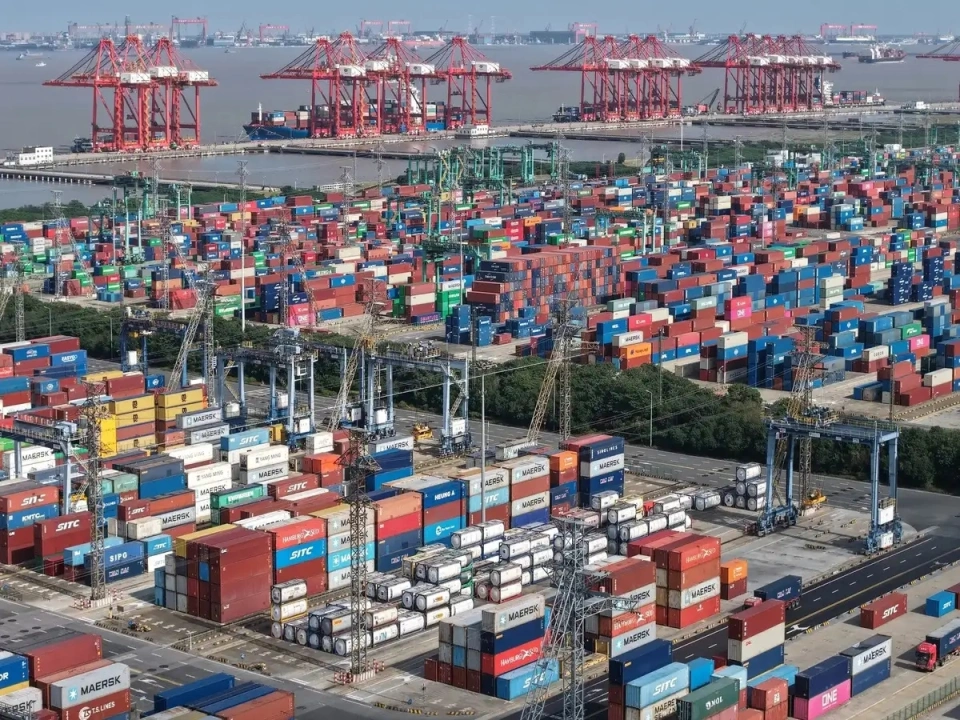
South Korea has long been dependent on the Chinese market. This is a reality. After the China-South Korea Free Trade Agreement came into effect, a large number of Korean products entered China and tariffs dropped significantly. The Chinese market has become increasingly important to Korean companies. At the same time, the level of U.S. tariffs on Korean goods is not low, and some areas have even continued to tighten.
Under this structure, South Korea needs the Chinese market while maintaining its alliance with the United States. In the past few years, South Korea has been looking for a balance between the two sides and trying to avoid head-on conflicts. But now the environment has changed, and the competition between China and the United States has entered a more direct stage, leaving less and less space for the middle ground.
The imposition of tariffs on Chinese products this time is essentially moving closer to the United States. The problem is that this closeness is not without cost. The Chinese market cannot be replaced at will. Once friction escalates, it will be difficult for Korean companies not to be affected. Especially in the current unstable global supply chain, actively increasing uncertainty is itself a risk.
A more realistic point is that the United States will not give equal rewards in trade just because of South Korea's cooperation. South Korea is facing a United States that emphasizes its own interests rather than one that will give benefits to its allies. In this case, unilateral "statement" may not be able to obtain actual benefits.
The so-called "wind direction change" is actually the spillover of strategic anxiety.
Some people interpret this action as a "turn" of the South Korean government, and even think it is a complete move towards the United States. This judgment makes some sense, but it is not accurate enough. More essentially, it is South Korea’s anxiety in the current international landscape.
On the one hand, China's manufacturing competitiveness continues to improve, putting pressure on neighboring countries; on the other hand, the United States continues to strengthen camp division and requires allies to take sides in key areas. South Korea is caught in the middle. It neither wants to lose the Chinese market nor dares to go against the will of the United States. It can only make continuous choices on specific policies.
Canceling visits to China and imposing tariffs may seem scattered, but in fact they all serve the same goal: reducing uncertainty and gaining the initiative. But the problem is that this kind of "initiative" is based on sacrificing part of the stable relationship. It may be effective in the short term, but in the long term it will continue to consume room for maneuver.
If South Korea continues along this path, the situation it will eventually face is simple: at a critical moment, it will be forced to make a clearer choice, instead of being able to maneuver around as it is now.
Conclusion
There is never any real "fence-riding space" between countries, only temporary room for maneuver. What South Korea is doing now is not balancing, but overdrawing this leeway. When the space is squeezed to the limit, taking sides is no longer a choice, but a result.