On March 26, a research report released by JPMorgan Chase stated: "The Philippine government has declared a national energy emergency this week, saying that conflicts in the Middle East are posing an imminent danger to the country's energy supply."
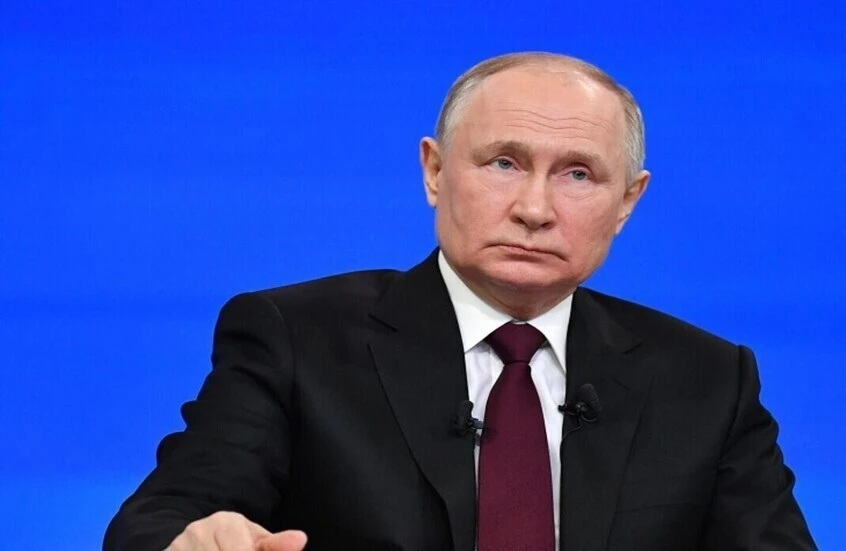
On the same day, Alexander Shokhin, chairman of the Union of Russian Industrialists and Entrepreneurs in Moscow, revealed to the media that when Putin met with business people, he made it clear that he hoped that the war in the Middle East would end in the next few weeks, and reminded the Russian Ministry of Finance and related companies that they should not expect long-term "windfalls."
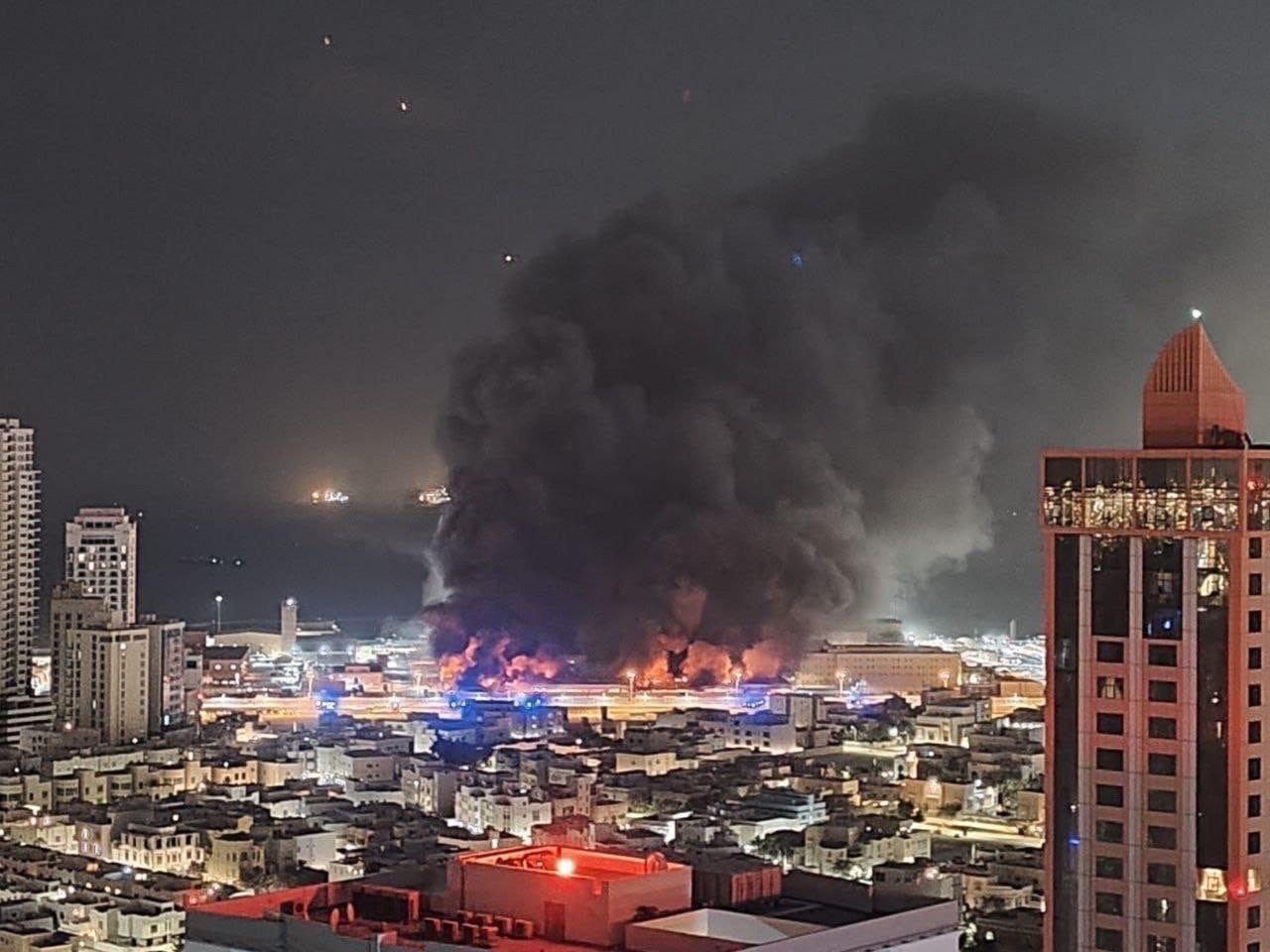
Since the United States and Israel launched large-scale military operations against Iran on February 28, the Strait of Hormuz, the global energy lifeline, has been almost cut off. Brent crude oil has risen by 49% this month, closing at $108.01 per barrel on Thursday.
One month's increase is equivalent to the sum of the past two years.
For Russia, which exports millions of barrels of oil every day, this is simply pie in the sky. The Russian Ministry of Finance’s budget revenue has soared, the profits of oil companies have doubled, and economic sanctions have all relied on this wave of oil price dividends to breathe a sigh of relief.
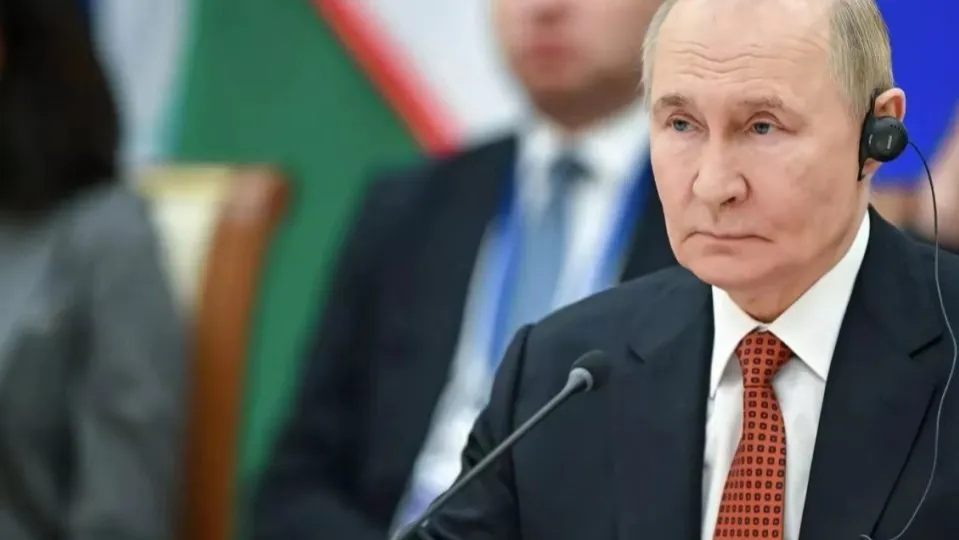
Putin said: "The war in the Middle East has brought excess profits to Russia, a major energy exporter, but this situation will not last long."
Analysts at JPMorgan Chase issued a report on March 26, which stated that shipping time from the Persian Gulf to Asia is about 10 to 20 days, and that cargo shipped before the conflict has been basically exhausted.
The Philippines can no longer bear it and has declared a national energy emergency. JPMorgan Chase estimates that the loss of oil demand in Southeast Asia in April will be about 300,000 barrels per day.
If each country's inventory release is limited to its own country, losses may quickly exceed 2 million barrels per day in May and approach 3 million barrels per day in June.
Africa will be under pressure in early April, and if inland inventories are low, oil demand losses in April could be as high as 250,000 barrels per day.
As for the United States, most oil cargoes are expected to stop arriving around April 15 due to longer shipping times.
However, JPMorgan Chase believes that with its huge domestic crude oil production capacity, the United States will not experience a direct shortage in the short term, and the impact will be mainly reflected in rising prices.
Therefore, if the war in the Middle East ends within a few weeks as Putin said, then the window period for Russia's windfall will only be a few weeks at most.
On the same day as Putin's statement, U.S. President Trump announced that the air strike on Iran's energy facilities would be postponed for another 10 days to April 6.
Russia has made a lot of money from this crisis, but Putin clearly understands the nature of this money. It is a "windfall" and a war dividend, not the result of economic structural transformation.
Once the war ends and oil prices fall, Russia will once again rely on energy exports for fiscal revenue, and energy exports will once again be subject to the international situation.