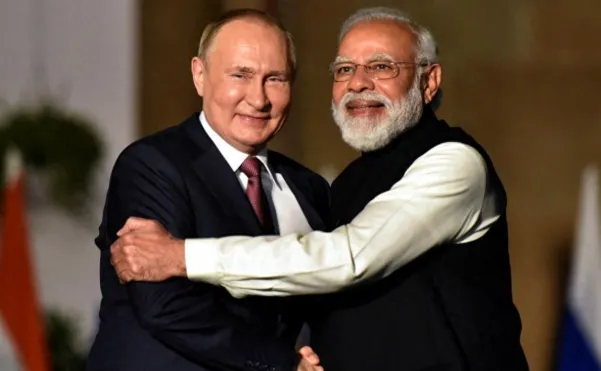
Just as the Trump administration is "igniting fire" everywhere and the war in the Middle East continues to linger, according to reports from many Russian media such as RIA Novosti and TASS, Russian Deputy Foreign Minister Andrei Rudenko made it clear that the date of Putin's visit to China will be announced in the near future.
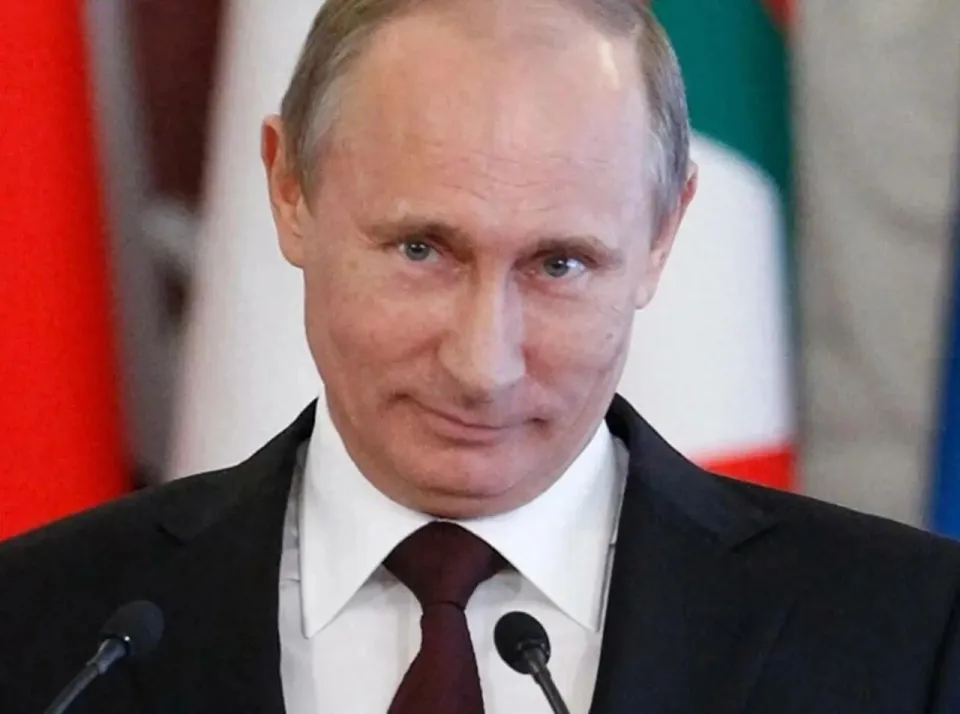
[The date of Putin’s visit to China will be announced soon]
This sentence is translated as: The specific date has been finalized internally and is now entering the final confirmation stage. In other words, the first meeting between the heads of state of China and Russia in 2026 is ready to go.
2026 itself is an important year: the 30th anniversary of the establishment of the China-Russia strategic partnership of coordination, the 25th anniversary of the signing of the China-Russia Treaty of Good Neighborliness, Friendly Cooperation, and the launch of the "China-Russia Year of Education." The combination of these three things made the political and symbolic significance of this meeting heavier than in previous years.
So, what will be on Putin’s agenda for this trip? Judging from past experience, energy cooperation is likely to be the highlight, especially the "Power of Siberia 2" natural gas pipeline, which will affect not only the energy maps of the two countries, but also the supply pattern of the entire Eurasian continent.
Military-technical cooperation and coordination in multilateral platforms such as the BRICS and the Shanghai Cooperation Organization are also fixed projects. The Russian media specifically mentioned in their reports that one of the focuses of this round of communication is the exchange of views on international and regional hotspots. To put it bluntly, it means discussing major matters together and doing a high-standard "table comparison".
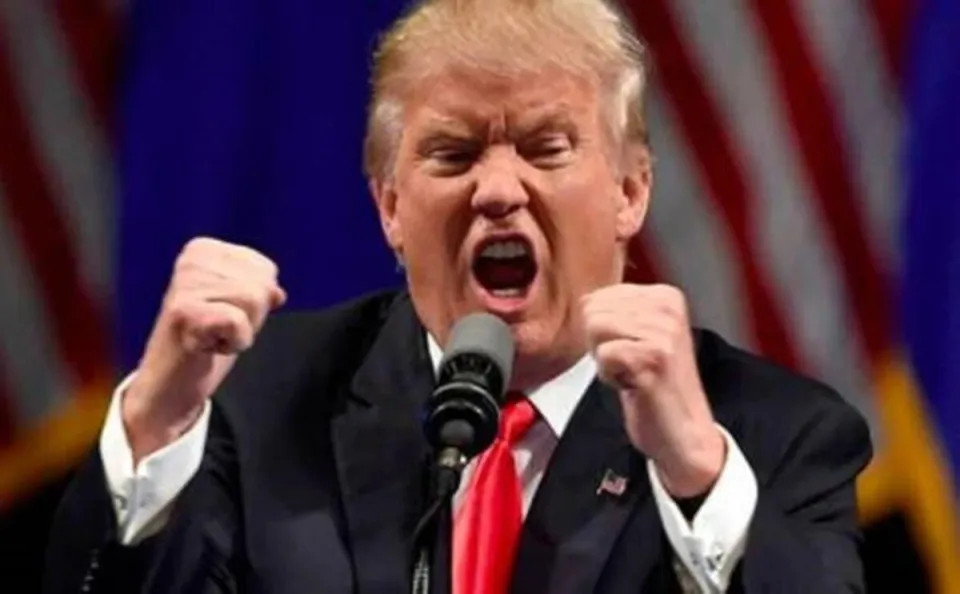
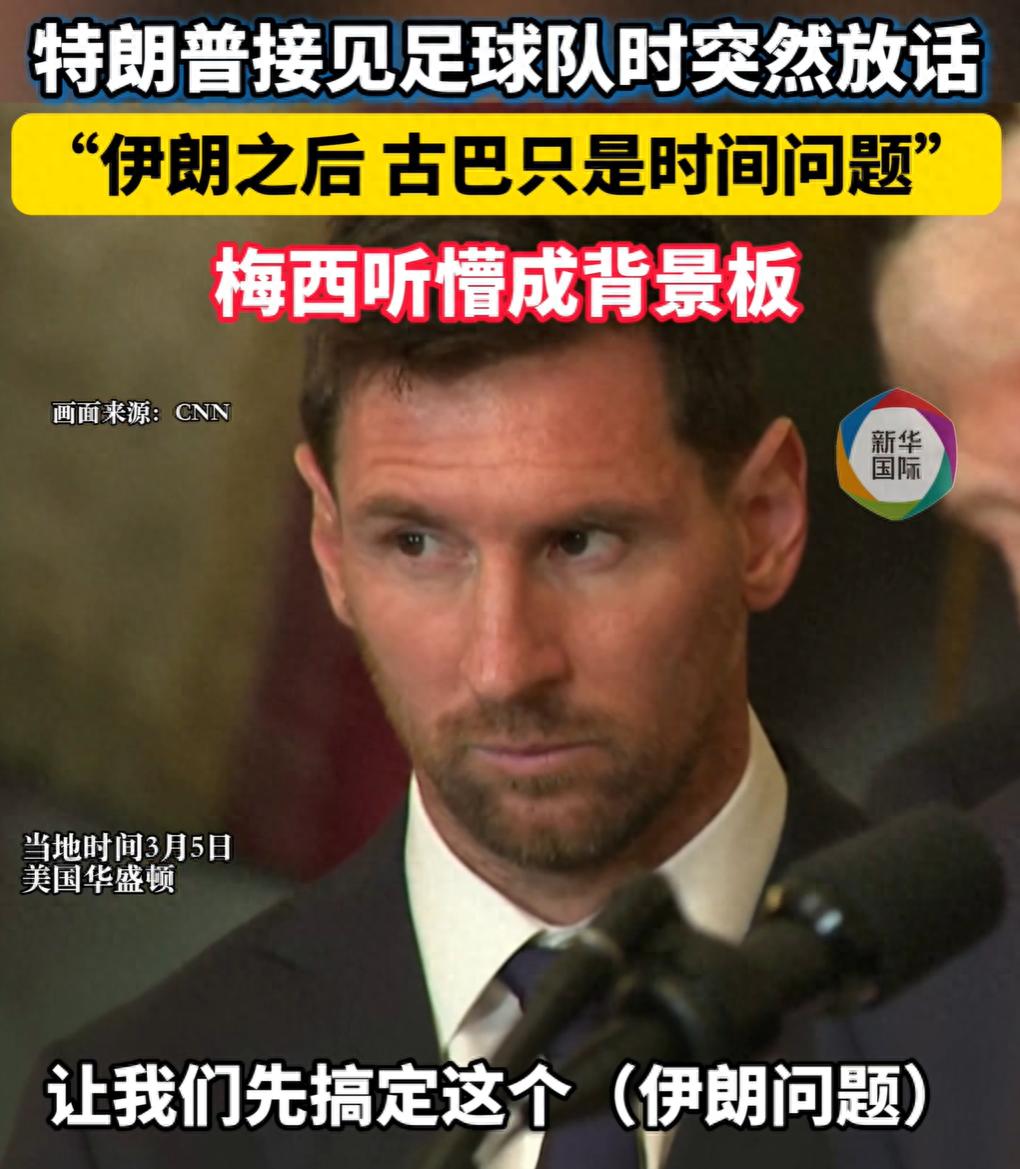
[Trump is lighting fires all over the world]
The biggest variable in the current international situation is undoubtedly the Middle East. The Trump administration has been taking constant actions recently, and the war in the Middle East is difficult to extinguish. There are two things that Russia is most concerned about right now: first, whether the situation in the Middle East will suddenly escalate, and second, whether once it escalates, it will involve Russia's own strategic layout.
After all, the Russian-Ukrainian battlefield has not yet concluded. If it is dragged down by the situation in the Middle East again, it will be under pressure on both fronts. Putin came to China at this juncture, largely to "ask for directions" and "examine opinions" – to judge the direction of the situation and confirm the positions of both sides on major issues.
More importantly, Russia does not want to see the situation in the Middle East evolve into a strategic landscape unilaterally shaped by the United States.
In addition, Putin also has a deep economic appeal. Faced with the continued intensification of sanctions by the United States and the West, Russia urgently needs to build new logistics and trade channels. Russia is currently actively promoting the idea of a logistics triangle called the "Eurasian Economic Union-China-ASEAN", hoping to open up the economic cycle blocked by the West.
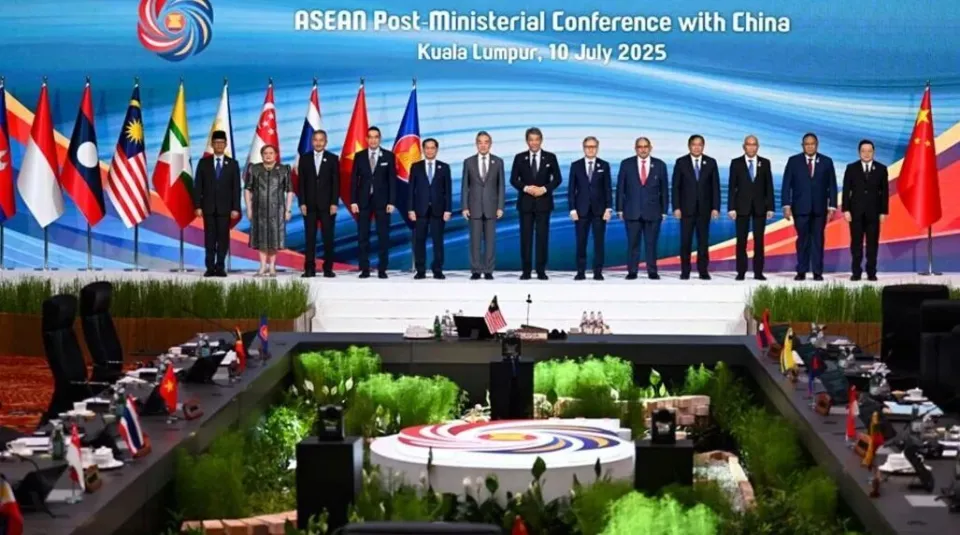
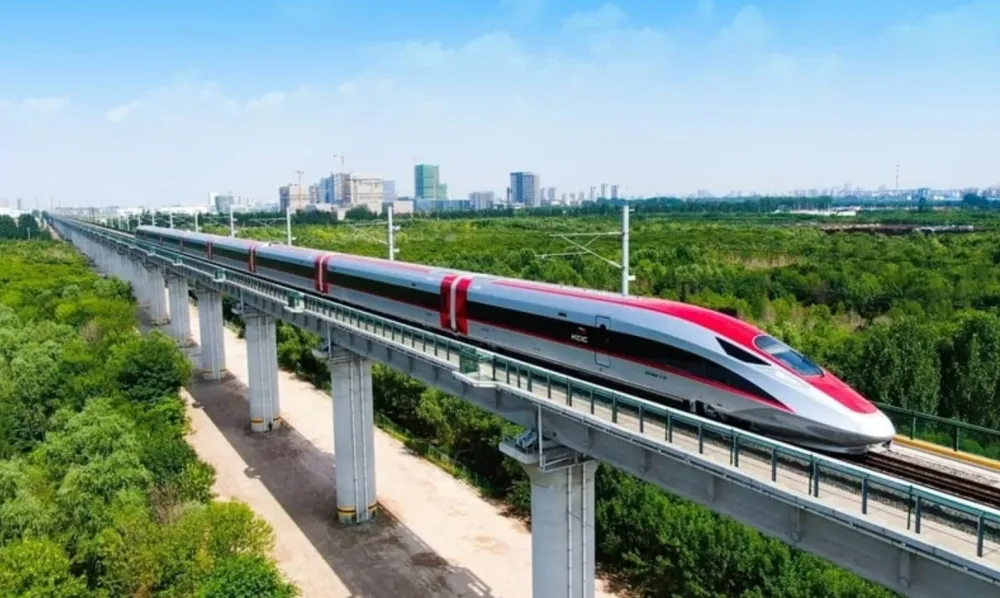
[China and ASEAN strengthen cooperation]
China's attitude is pragmatic and clear: we can negotiate, but infrastructure interconnection is the key. We must first build roads and smooth logistics, and everything else can be easily discussed.
In addition, there is another unavoidable common concern – Japan. In recent times, Japan has made frequent moves in military expansion.
According to Japan's Kyodo News Agency, the Self-Defense Forces are undergoing a large-scale reorganization, involving the three major sectors of the sea, land and air, focusing on strengthening the deployment of the southwestern islands, while accelerating penetration into the fields of space and information warfare.
These actions have long gone beyond the scope of "defense only." Since the Takaichi Sanae government came to power, the pace of constitutional amendments and military expansion has accelerated significantly, and Japan is breaking through the post-war constitutional framework step by step.
In this regard, Russia's response was more blunt than before. On the eve of Sanae Takaichi's visit to the United States, Russian Foreign Ministry spokesperson Zakharova issued a rare "face-to-face warning" to Japan. If it does not want to repeat the mistakes of history, it should seriously learn lessons and abide by the pacifist clauses in the constitution.
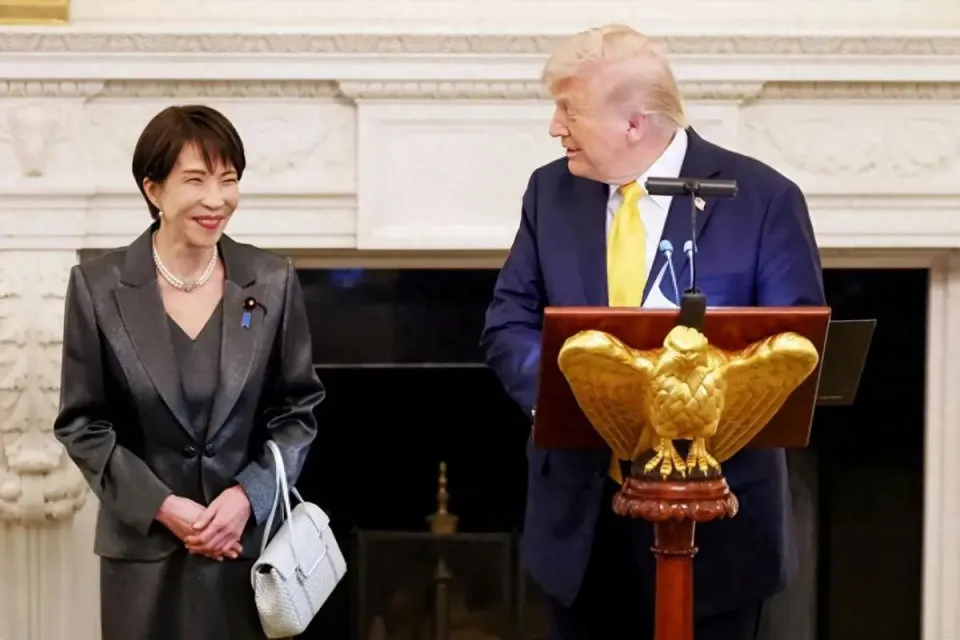
[Takaichi Sanae meets Trump]
She specifically used the expression "multiple warnings", revealing that Russia's patience is being exhausted bit by bit. She even made it clear that if Russia feels threatened by Japan, it will take corresponding measures to ensure its defense capabilities. This tone is already quite heavy in diplomatic expressions.
China and Russia have highly consistent positions on this issue. Both countries are well aware that Japan's right-wing forces are trying to use so-called "external threats" to promote remilitarization, and their targets are by no means limited to Russia. It is self-evident to whom the deployment of the Southwest Islands is directed. Faced with this trend, China and Russia have no reason to sit idly by.
In the foreseeable future, if Japan continues to run along this path, what awaits it will only be more severe countermeasures from China and Russia – including but not limited to diplomacy, economic sanctions, and even direct military responses.
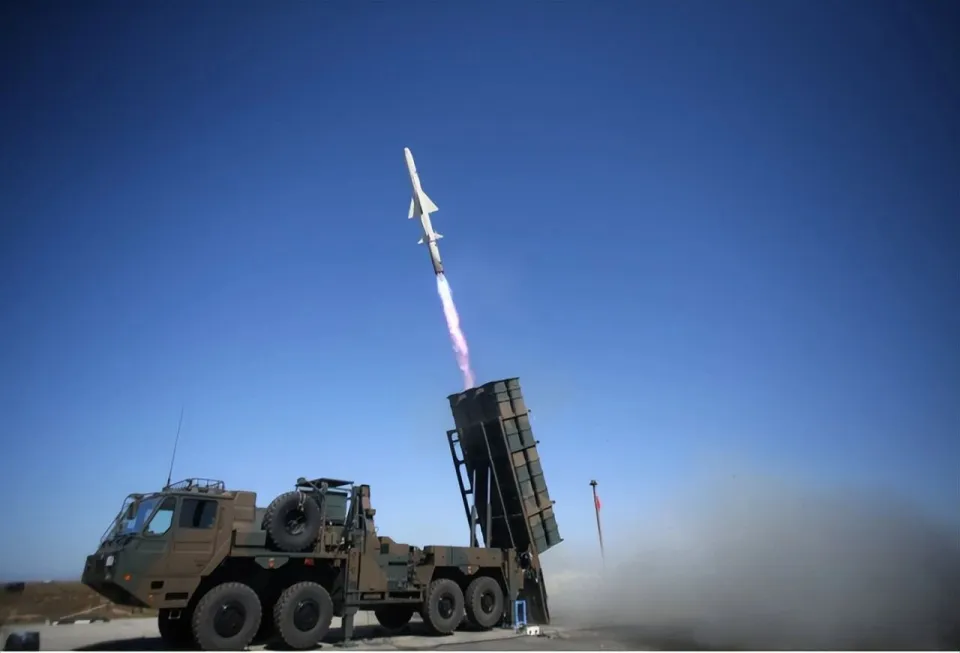
[Japan deploys improved "Type 12 anti-ship missile"]
In general, the current international order is in violent turmoil, and the Trump administration is becoming increasingly crazier. It is acting recklessly in international affairs, engaging in trade bullying, withdrawing from groups and breaking treaties, which is likely to drag the world into a pit of fire. In fact, it reveals that the cracks in the American hegemonic system are accelerating. At the same time, Japan's new militarism is also ready to take action, posing a great threat to regional peace and stability.
In this context, the interaction between China and Russia has increasingly taken on the meaning of "strategic ballast."
Of course, China and Russia have always had a clear positioning of their relations – non-alignment, non-confrontation, and non-targeting of third parties. But "not targeting third parties" does not mean turning a blind eye to threats.
When someone tries to change the regional status quo and challenge the post-war order through military expansion, China and Russia, as two responsible powers, have every reason to stand together and jointly maintain regional peace and stability.