Xinhua News Agency, Beijing, March 28 (Reporter Liu Zan, Crown Prince Songying) As the United States and Israel continue their military attacks on Iran for a month, the Houthi armed forces in Yemen launched missiles into Israel for the first time since the outbreak of the war. This was interpreted by the Israeli side as a sign that the Houthi armed forces "joined the war".
The Houthi armed forces are regarded as the "extremely deterrent trump card" in Iran's hands. Their intervention in the war means that Iran will further "showdown" with the United States and Israel. Why did the Houthi armed forces "end" at this time, how will they act, and what impact will it have on the direction of the war and the global economy?
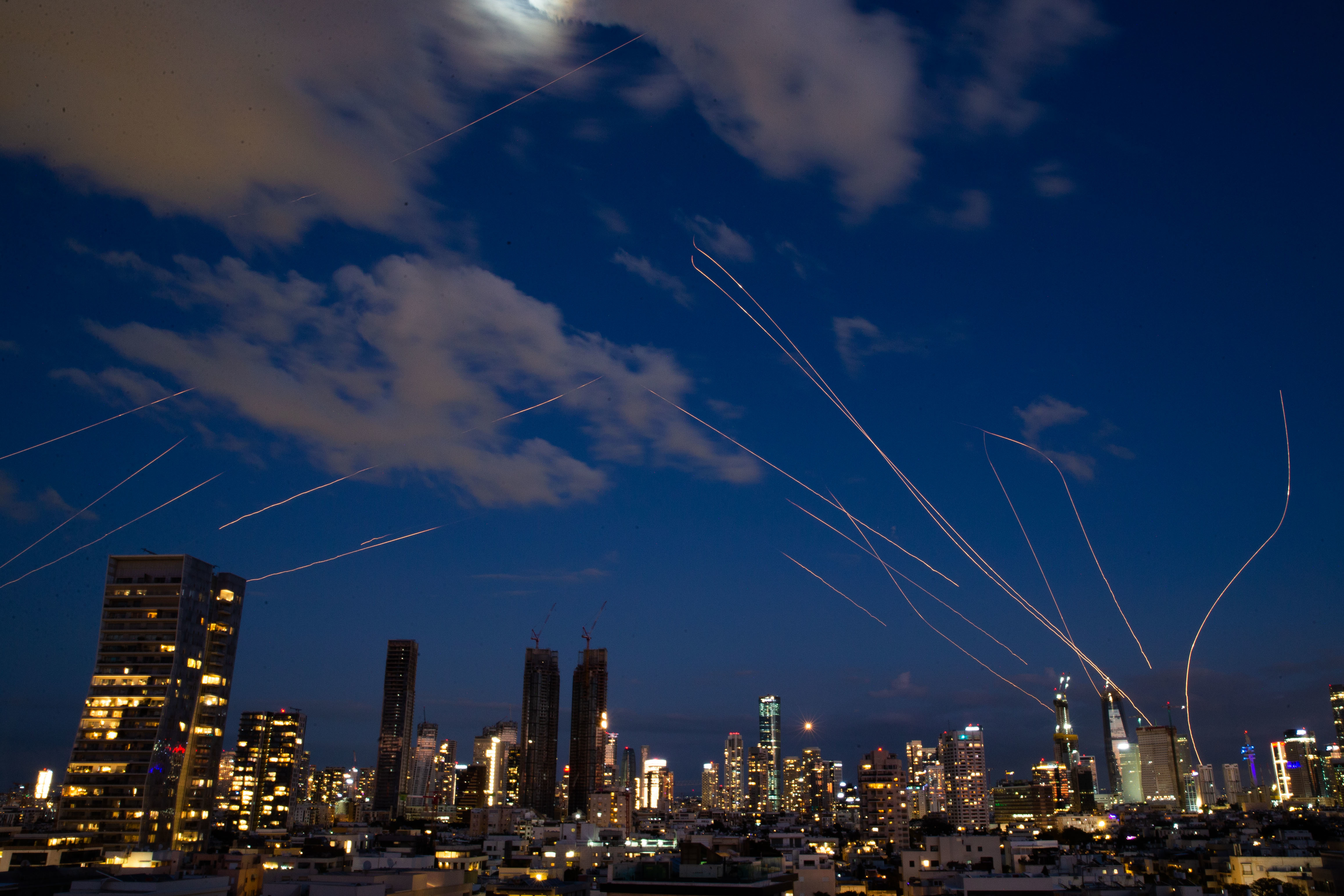
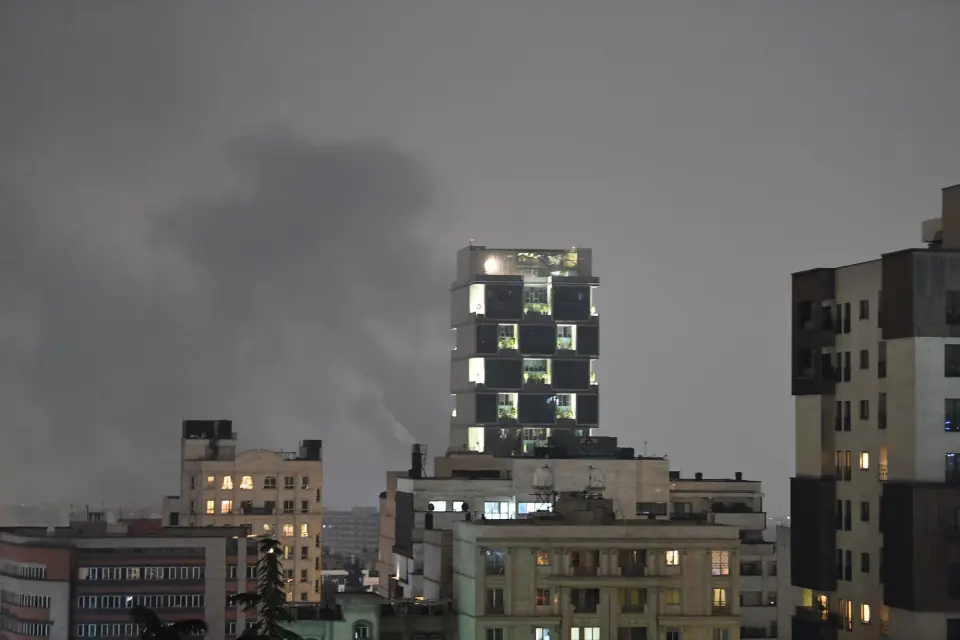
On February 28, in Tel Aviv, Israel, the Israeli army launched an anti-aircraft interceptor (long exposure photo). Photo by Xinhua News Agency reporter Chen Junqing
Why is it "ending" at this time?
The Houthi armed forces confirmed on the 28th that they "used powerful ballistic missiles for the first time" to attack sensitive Israeli military targets in support of Iran and the resistance front. "Operations will continue until the aggression ceases."
Since the outbreak of the war, as a member of the "Arc of Resistance", a regional anti-U.S.-Israel alliance led by Iran, the Houthis have expressed "full support" for Iran and said they are "ready to pull the trigger at any time." However, they have been holding back due to considerations of their own agenda and security costs.
On the 27th, the Houthi armed forces proposed three prerequisites for intervention in the war: the Red Sea is used to launch military operations against Iran or other Islamic countries, or new regional or international alliances join to support the United States and Israel's actions against Iran and the "Arc of Resistance", or the military escalation against Iran and the "Arc of Resistance" continues to expand.
One day later, as the war between the United States and Israel continued for a month, the Houthi armed forces officially came to an end. Experts believe that there are three intentions of the Houthis and Iran.
First, enhance deterrence. At present, the United States continues to increase its troops to the Middle East, and Israel continues to intensify its attacks on Iran and Hezbollah in Lebanon. Bao Chengzhang, an expert at the Institute of Middle East Studies at Shanghai International Studies University, believes that Iran's use of the "ace card" of the Houthi armed forces can ease the military pressure faced by Iran and other forces in the "Arc of Resistance", boost morale, and warn the United States and Israel not to escalate the war rashly.
Second, warn regional countries. The current stance of U.S. Gulf allies in the conflict is subtle. The Houthi armed forces' "pulling the trigger" can be seen as Iran's warning to Gulf countries not to blindly follow the United States and not to be "cannon fodder" for the United States.
Third, increase bargaining chips for possible negotiations. At present, many countries are actively mediating indirect negotiations between Iran and the United States. The "end" of the Houthi armed forces will increase Iran's confidence.
At the same time, the Houthis themselves may also feel threatened. Israel has been revealed to be negotiating security cooperation with Somaliland, which is across the sea from Yemen. Forced by the close threat, the Houthis launched missiles as a "shock".
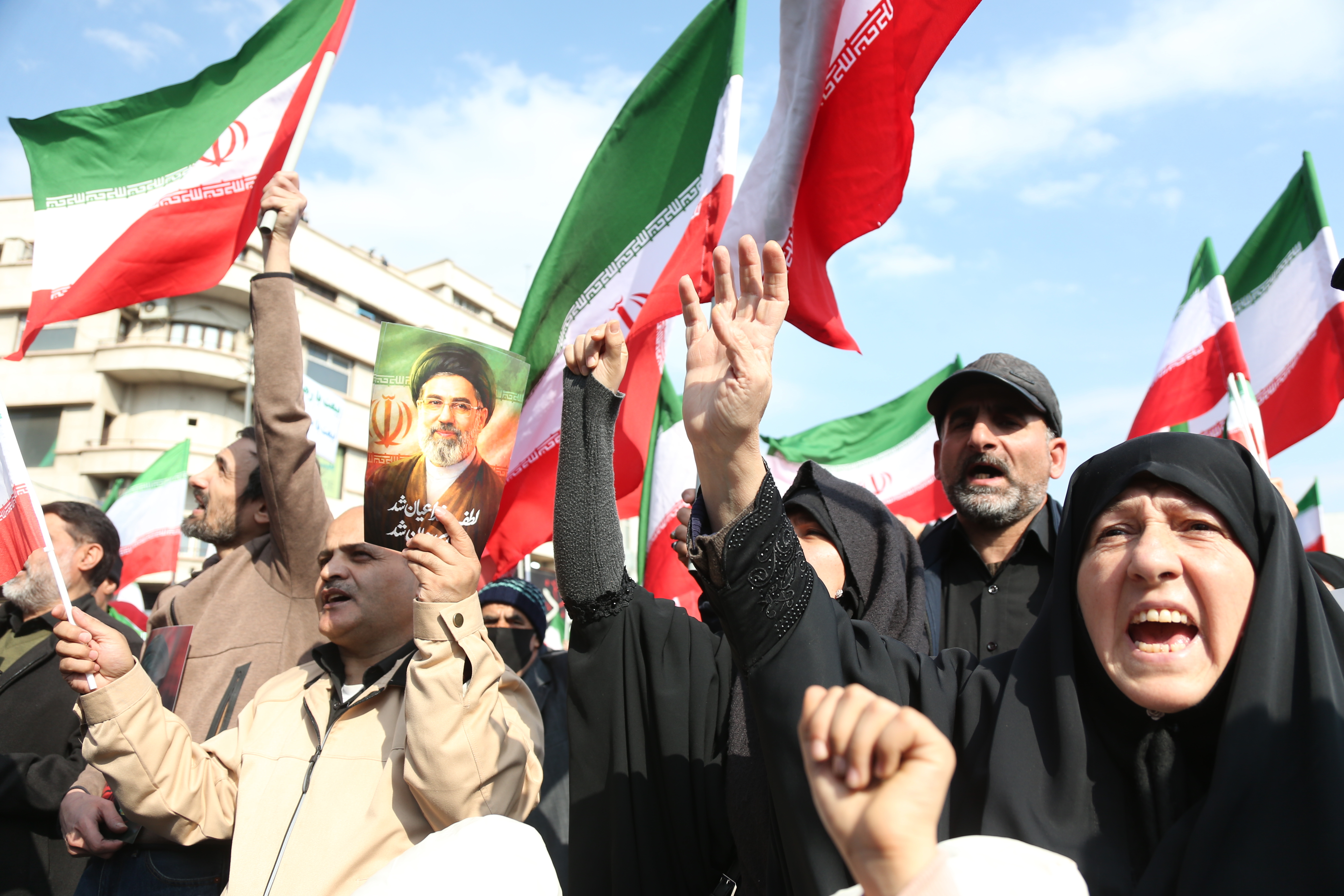
On March 9, in the Revolution Square in Tehran, the capital of Iran, people participated in a rally to express their loyalty to Iran's new supreme leader Mujtaba Khamenei. Photo by Xinhua News Agency reporter Shadati
Three possible strikes
Analysts believe that the intervention of the Houthi armed forces is another "nightmare" for the United States and Israel. The Houthi armed forces may have three attack targets. The purpose is to increase the casualties and economic costs of the United States and Israel, consume the United States' air defense and missile defense capabilities, and amplify the pressure of public opinion from the international community on the United States and Israel.
One is Israel’s local targets. The "Palestine-2" ballistic missile equipped by the Houthi armed forces has a maximum range of more than 2,000 kilometers and can hit targets deep within Israeli territory. This move will further consume Israel's limited air defense and anti-missile munitions, putting it under pressure from three sides – ballistic missiles and drones from Iran in the east, rockets from Lebanon's Hezbollah in the north, and ballistic missiles from Yemen's Houthi armed forces in the south.
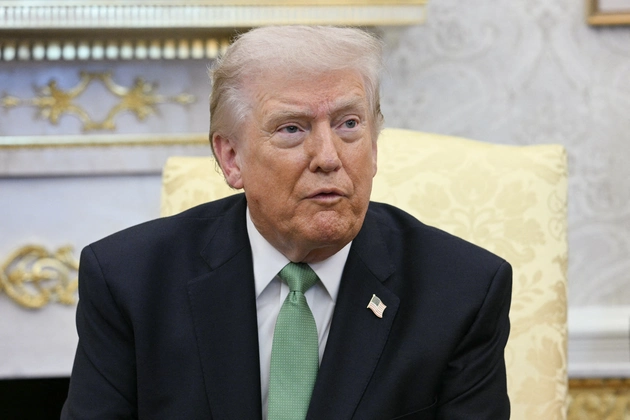
The second is to attack US military bases and other facilities in the Gulf region. This move can not only directly threaten the forward deployment of the US military, but also continue to consume the air defense capabilities of the United States and Gulf countries. It can also further increase the trust rift between Gulf allies and the United States, forcing the Gulf countries to pressure the Trump administration to end the war as soon as possible.
The third is to harass American and Israeli ships traveling in the Red Sea. Yemen guards the Bab el-Mandeb Strait, which connects the Red Sea and the Gulf of Aden. The Houthis have the ability to threaten and attack passing ships and even block the strait. This move may force the US military to invest additional troops in the Red Sea or disperse the deployment of existing troops.
The Stimson Center, a U.S. think tank, has previously conducted research and judgment on the potential targets of the Houthi armed forces. It believes that it is "extremely likely" that the Houthis will attack ports, airports, cities and other targets in Israel, it is "moderately possible" to attack U.S. and allied ships in the Red Sea, and it is "possible" to attack U.S. interests in the Gulf region and impose a blockade on the Bab el-Mandeb Strait.
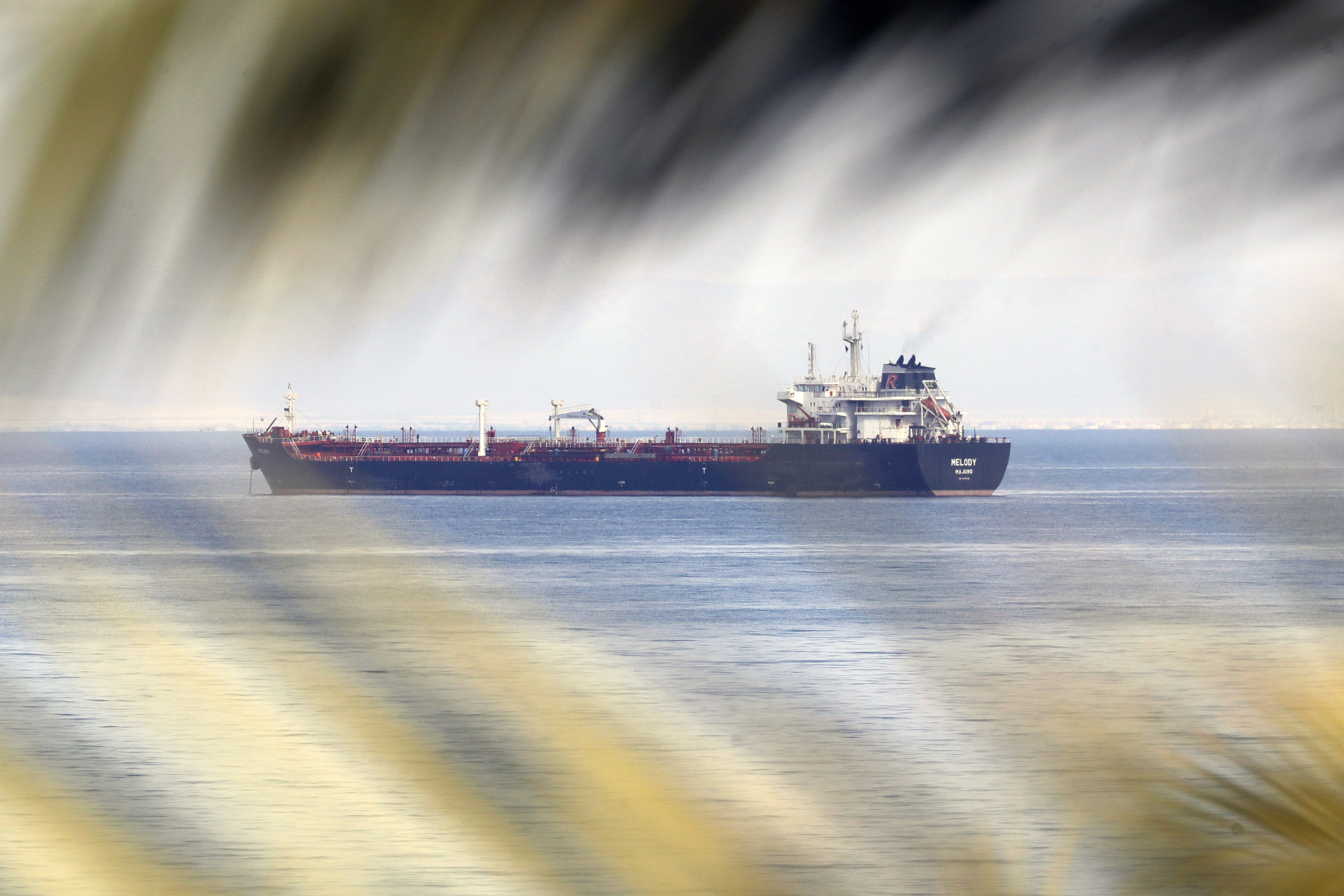
On March 11, the oil tanker was traveling in the Red Sea near the entrance to Egypt's Suez Canal. Published by Xinhua News Agency (Photo by Ahmed Gomaa)
What is the “trump card” effect?
It is still unclear to what extent the Houthi armed forces will intervene, but this latest trend undoubtedly means the further spread and escalation of the war, which will complicate the situation in the long term and may further impact the global economy.
First of all, once the Houthi armed forces "end", it means that the area affected by the war will expand from the Persian Gulf to the southern Red Sea and the Gulf of Aden where the Houthi armed forces radiate. This will increase the risk of the war escalating into a full-scale war in the region. Egyptian expert Mohamed Abdel-Wahid pointed out that the Houthis may open a new front for the "Arc of Resistance", further complicating the situation.
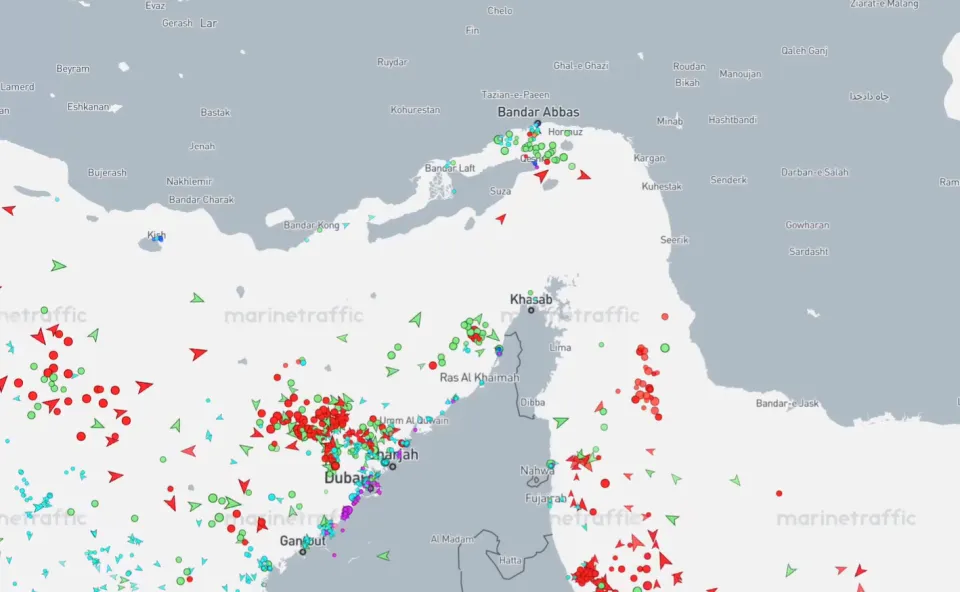
Secondly, the Bab el-Mandeb Strait, radiated by the Houthi armed forces, is another "throat" for global shipping. It is also an alternative channel for Saudi Arabia's crude oil exports after shipping in the Strait of Hormuz is blocked. If the Houthis blockade the Bab el-Mandeb Strait, it will be a double blow to the global energy supply and transportation supply chain.
Third, the long-term complication of the war and the further impact on the global economy and energy markets mean that the Trump administration’s public opinion pressure at home and abroad will further increase. Bertil Akkash, a scholar at Turkey's Ankara University, said that the Houthi armed forces' participation in the war is equivalent to opening up a second "strait battlefield" for this war, and greater pressure will be put on the Trump administration.
However, Bao Chengzhang believes that the intensity of the Houthi armed forces’ participation in the war remains to be seen. First, their weapons inventory is currently unknown, and second, large-scale intervention in the war may weaken the legitimacy of the Houthi armed forces in Yemen.