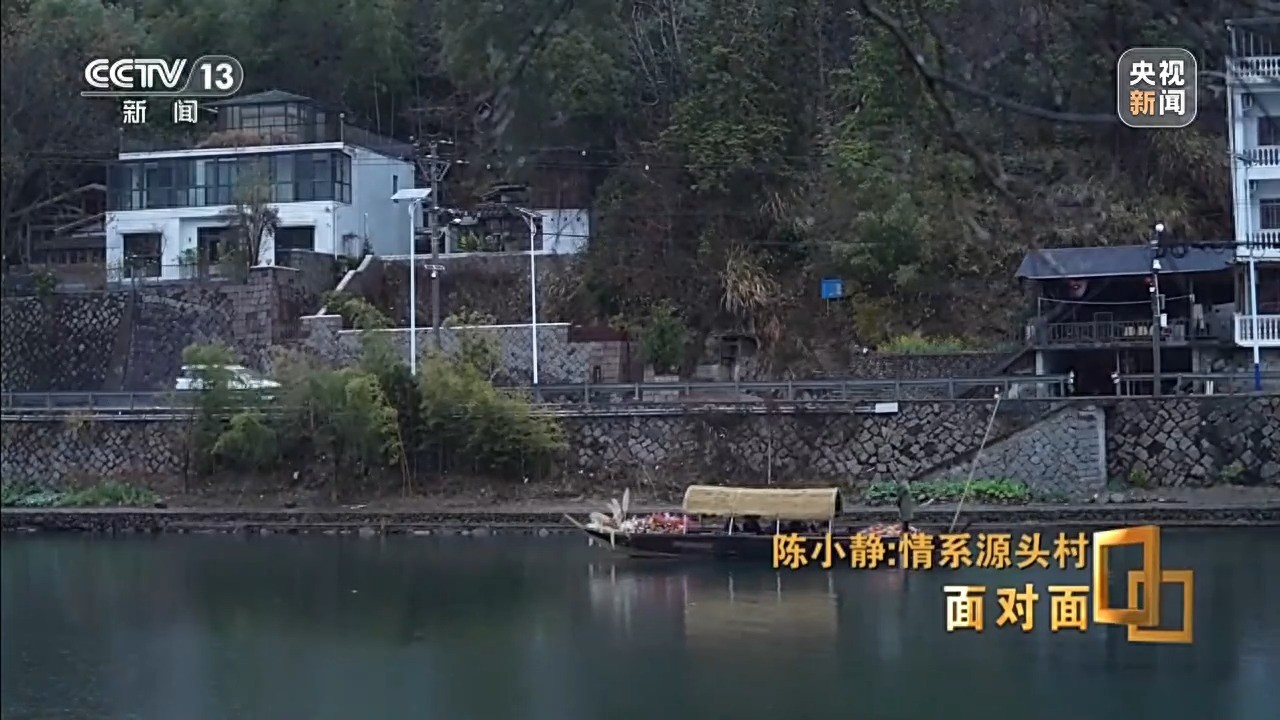
This year is the first year of the "14th Five-Year Plan", and the focus of "agriculture, rural areas and farmers" has shifted to comprehensively promoting rural revitalization. In order to explore new paths for rural revitalization, meet new challenges in rural revitalization, and help promote common prosperity, the "2021 CBN Rural Revitalization Forum" hosted by China Business News was recently held in Shanghai.
CBN has always paid attention to and promoted rural revitalization. For nine consecutive years, CBN has collaborated with 80 media outlets to jointly organize the selection of the most beautiful villages and towns. In 2021, when China has achieved a comprehensive victory in the fight against poverty, it is also the beginning year of China's implementation of its new strategy of rural revitalization. In the broad context of common prosperity, rural revitalization faces opportunities as well as challenges.
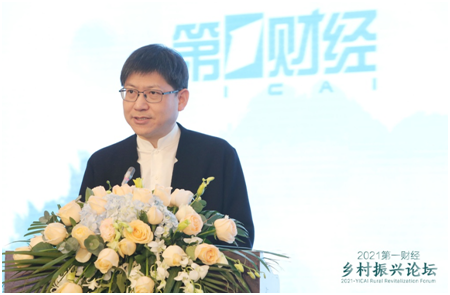
Yang Yudong, editor-in-chief of Shanghai China Business News, said in his speech at the forum: The implementation of the national rural revitalization strategy requires not only "official activities" initiated by the government, academia, and media, but also industry insiders to provide suggestions for rural revitalization. People in the industry have practical experience in rural revitalization and have their own opinions on various problems encountered in the implementation of the rural revitalization strategy, including some wisdom. He called on the forum to face 2022 and even the future, based on the new development stage, and discuss how to make rural revitalization sustainable, how to increase farmers' income, improve the quality of agricultural supply, tap new driving forces for rural development, improve the level of urban-rural integration, and promote the common prosperity of all people as goals and tasks.
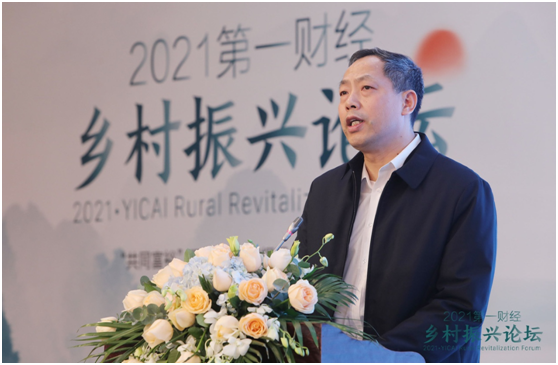
Pan Libing, director of the Rural Social Development Center of the Ministry of Agriculture and Rural Affairs and deputy director of the China Agricultural Museum, said on the theme of "promoting the integrated development of primary, secondary and tertiary industries in rural areas to provide new momentum for the development of rural industries": "It is necessary to innovate financial services, equip financial chains according to the industrial chain, and guide banking financial institutions to develop corresponding financial institutions. Integrate products, strengthen land use guarantees, implement policies and measures to ensure and standardize land use for the integrated development of primary, secondary and tertiary industries in rural areas, innovate land use forms and reduce approval procedures, build a rural industry evaluation mechanism and a set of monitoring and investigation systems for industrial integrated development, and promptly summarize experience models to carry out demonstration pilots and strengthen demonstration leadership.”
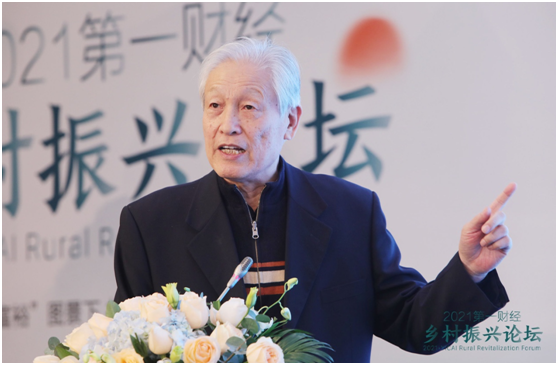
Li Bingdi, former director of the Village and Town Construction Department of the Ministry of Housing and Urban-Rural Development, took the theme of "Scientifically Promoting Green Rural Construction Actions" and mentioned that green urban and rural construction must put green rural development in rural revitalization at the forefront, accelerate the integrated development of urban and rural areas within the county, and build a modern rural industrial system. Green rural development must implement green rural construction actions. Regarding how to carry out modern, green, and systematic rural construction, we must seize the main construction investment areas or directions in rural areas and use integrated and suitable technical systems to promote rural green construction. And at the end, he concluded: the integration of urban and rural areas, the second "agriculture" as the main focus, the three "construction" as the development, the four "basics" as the key, the five "wholesale" consensus, the six "things" as the same, and the seven "elements" as unified rules.
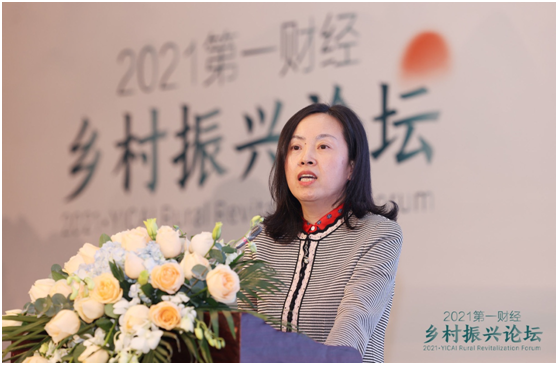
Xu Huiqin, deputy director of the Shanghai Municipal Agriculture and Rural Affairs Commission and deputy director of the Shanghai Municipal Rural Revitalization Bureau, pointed out: "In terms of the overall layout, we must optimize the three spaces of new cities, towns, and villages, and highlight the three values of the economy, ecology, and aesthetics of the countryside in terms of value orientation. We will unremittingly promote the three-dimensional project, continue to implement the wall chart operation, and plan the road to integrated urban and rural development from a higher position and a wider perspective. The simultaneous realization of high-quality development of Shanghai's agriculture and rural areas will give farmers a greater sense of gain, happiness, and security."
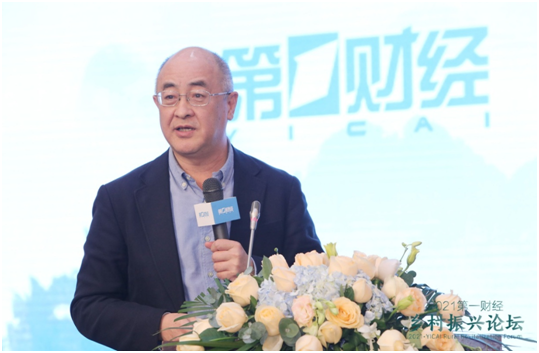
The essential purpose of rural revitalization is to promote sustainable development, so what exactly is sustainable rural revitalization? Zhao Yanjing, a dual-employed professor at the School of Architecture and Civil Engineering and the School of Economics at Xiamen University and a member of the Shanghai Decision-making Advisory Committee, said in her keynote speech: "Rural resources in a broad sense must have a discovery mechanism. Farmers and capital cannot negotiate on their own. There should be an intermediary platform and recycling mechanism in the middle. , if it does not bring cash flow to the villages and towns, the losses must be stopped in time, and the invested resources cannot be unrewarded. The resources need to be continuously recycled, so that this natural resource is always in the hands of its best users, and corporate planning and operation become an important link in the entire rural revitalization industry chain.”
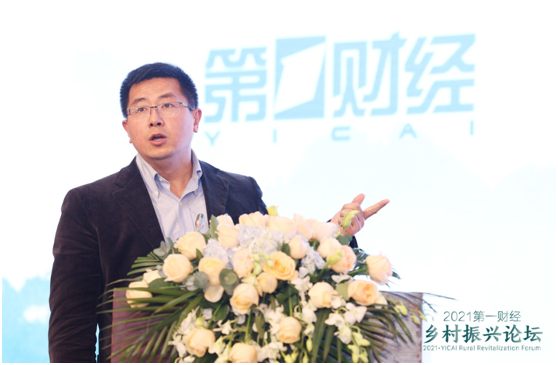
Our country's science and technology continues to develop, and in some aspects it is already at the leading international level. So what positive effect does scientific progress have on rural development? Sheng Yu, a professor at the School of Modern Agriculture at Peking University and deputy director of the China Agricultural Policy Research Center, said in his keynote speech "Modern Technology and my country's Future Agricultural and Rural Development": "Without the support and guarantee of talents in rural areas in the new era, all high technologies and applications cannot be realized. How to form an effective convection mechanism to serve a relatively effective training system so that 60 million people can better utilize 78% of our country's land resources is the most essential goal for future rural revitalization."
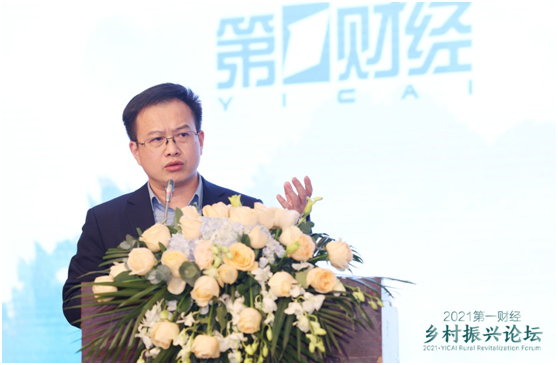
Liu Jianbo, Vice President of Syngenta Group China, called in his speech: "Universities, scientific research institutions and enterprises should work together to develop and promote modern agricultural science and technology, so that agriculture can be given the wings of science and technology, and farmers can enjoy the improvement in output and quality brought about by modern agriculture at an affordable price. I think this is fundamental. In addition, it is very meaningful to work together to introduce resources and projects to local governments in need, and to join hands with new farmers and cross-border cooperation."
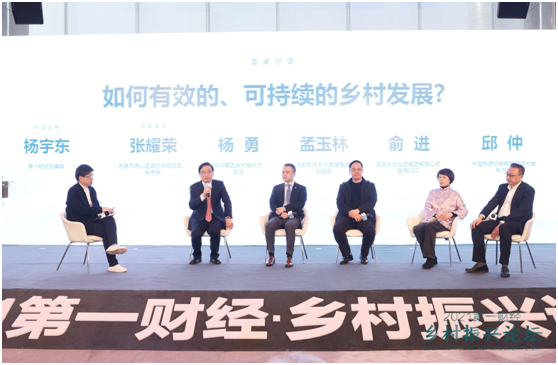
The revitalization of rural areas cannot just stop at beautifying the environment and doing some basic construction. It must also go a step forward and allow the countryside to make its own blood, have the continuous motivation and ability to survive and create a better life. So how to achieve effective and sustainable rural development? At the roundtable forum on "How to achieve effective and sustainable rural development" hosted by Yang Yudong, editor-in-chief of Shanghai China Business Network, Zhang Yaorong, member and secretary-general of the CPPCC Party Committee in Huishan District, Wuxi City, Yang Yong, director of the Rural Revitalization Office of China Resources Group, Meng Yulin, general manager of Chengdu Tianfu Rural Development Group, Yu Jin, co-CEO of Tianyuan Oriental Investment Group, and Qiu Zhong, secretary-general of the Smart Tourism Branch of the China Tourism Association, had an in-depth discussion.
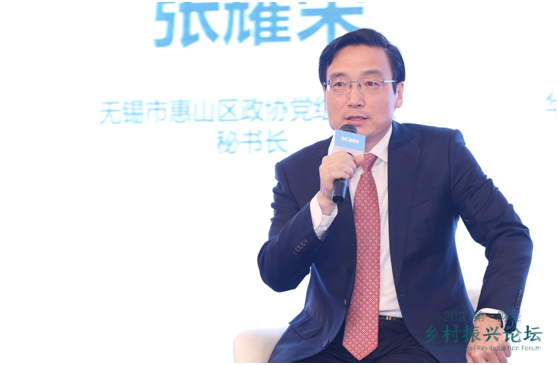
Zhang Yaorong said, "Effective and sustainable development of rural revitalization must grasp these four aspects. First, funds, government investment is indispensable, social investment, especially the investment from state-owned and private enterprises, is the intermediate force. We hope that more companies like Tianyuan Oriental and China Resources Group that have a sentiment for agriculture, rural areas and farmers can invest in agriculture, rural areas and farmers. The second is the issue of land, improve high-standard farmland construction, and at the same time guide farmers to withdraw from homesteads in an orderly manner and revitalize idle homesteads. To develop new business forms and new economies. The third is the human factor. We must cultivate leaders and adopt various incentive policies to attract a large number of talents to stay in rural areas for development. Finally, the development of rural areas must be based on the local characteristic agricultural industries. At the same time, in accordance with our requirements for the integration of primary, secondary and tertiary industries, we must develop tourism, cultural creativity and even deep processing industries around agriculture to truly achieve a substantial development of rural industries and bring vitality to the countryside.”
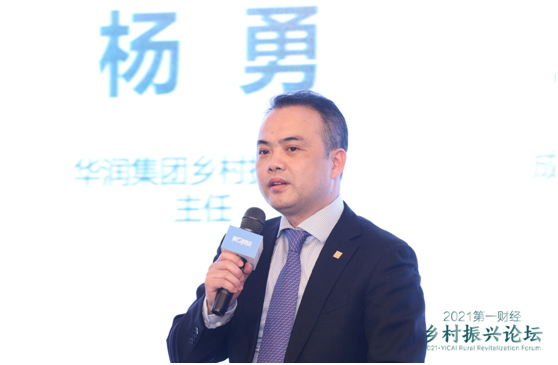
Yang Yong said, "China Resources Group has carried out the prescribed action of targeted assistance and the construction of our own Hope Town. We feel that our concept should be to put industries in our counties and among the objects of our assistance. This may be a very effective means for us to develop sustainably. Second, we also introduced in the white paper we just released that on our 70th anniversary, we will select remote areas, old revolutionary areas, and impoverished mountainous areas across the country to build projects. Hope Town, the concept of this town is different from that of a characteristic town. We choose to carry out local transformation as a village organization such as a village or a community. We relied on four visions and proposed in the past to build our town through four visions: environmental transformation, industrial assistance, organizational restructuring, and spiritual reshaping. The purpose of building this town is mainly to improve the living conditions of local people and improve their sources of income, which coincides with our requirements for rural revitalization today. "
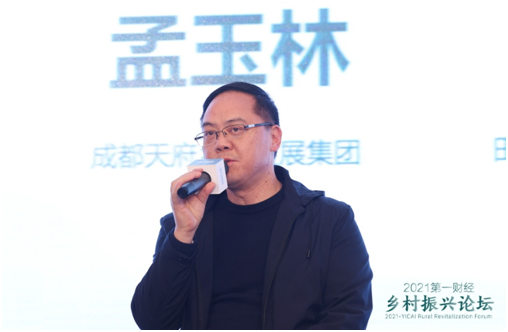
Meng Yulin said, "As a local state-owned enterprise, there are four aspects to participating in rural revitalization. First, the logic issue. We do a job, and the logic must be clear. We will sort out the logic in this aspect during the implementation process. Second, the model issue, rural revitalization is done according to the market-oriented mechanism. Third, in terms of guarantees , As a state-owned enterprise, it has its advantages. Its resource advantages and financial advantages do have certain advantages over private enterprises in participating in rural revitalization. Fourth, there is a mechanism issue. Various districts, cities, counties, and platform companies develop cooperatively, so rural revitalization cannot be achieved by one person, and a partnership must be formed. "
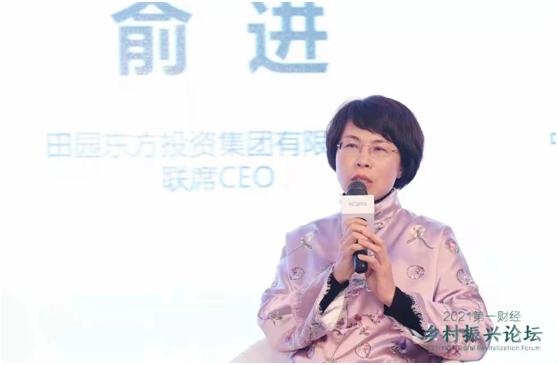
Yu Jin said that "sustainability" is reflected in two dimensions. First, in the field of rural revitalization, there must be a relay of various social forces. At present, it seems that our entire rural revitalization is still led by party and government forces. After this leadership, are there various social forces, such as technical forces, talent forces, capital forces, and corporate forces, that continue to join in to form a "relay race"? I think this is the most important factor in sustainability. Secondly, in the "relay race", whether the mechanism and concept can form a business model that has experienced the test of marketization, so that the development of rural areas can be truly sustainable through the modern business model. This year is Tianyuan Oriental’s tenth year of engaging in the rural field. During these ten years, it is actually not easy for enterprises to revitalize rural areas. We have always adhered to two things: The first is to constantly update and iterate, including our own business model and operating model. Article 2: Starting from this year, the "First Year of Rural Revitalization," we open our minds and bravely cooperate. After we settled in the local area, we formed a co-construction, co-creation, sharing and symbiotic relationship with the local government and local villagers. This is also an important reason why we can develop step by step.
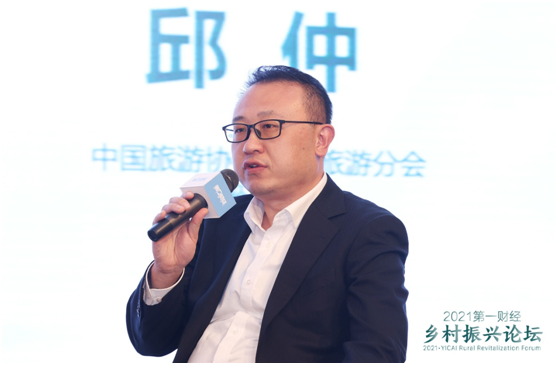
Qiu Zhong said, "The tourism industry is a very important industry for the sustainable development of rural revitalization, because regardless of the epidemic, the concept of tourism activities in rural areas and surrounding areas is playing an increasingly important role. Secondly, tourism is food, accommodation, transportation, travel, shopping, and entertainment. It is also a multiple link in our lives, so the development of the service industry it brings is very comprehensive and important."
Editor-in-Chief Yang concluded in the roundtable forum: "First, after rural revitalization enters a new stage, it is a very large project, and it is not a problem of an individual company or a certain county or a village. The overall importance, its own influence and the various influences and effects behind it will be very large, especially the overall top-level design and mechanism model. Second, rural revitalization needs to focus on how to combine with industry for sustainable development. Third, how to leverage the advantages of all parties to form multi-party entities, thereby forming an innovative mechanism is crucial to future development."
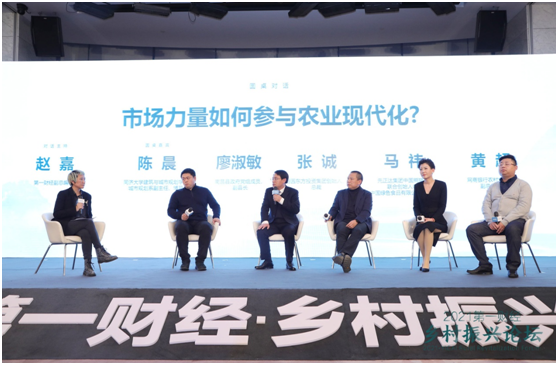
Agriculture cannot be discussed in the countryside. Not so long ago, farming was a seemingly old and stale concept. But now, with the joining of large companies and new young people returning to their hometowns to start businesses, a pioneering spirit similar to the one in the early days of the Internet is growing in the development of rural agriculture. And behind this, it is inseparable from the efforts of enterprises and the support of policies. In the roundtable forum on "How Market Forces Participate in Agricultural Modernization" hosted by Zhao Jia, deputy editor-in-chief of Shanghai China Business Network, Chen Chen, deputy director of the Department of Urban Planning and PhD supervisor at the School of Architecture and Urban Planning of Tongji University; Liao Shumin, member of the Party Leadership Group of Nanchang County Government and deputy county magistrate; Zhang Cheng, founder and president of Tianyuan Oriental Investment Group; Ma Yi, co-founder of Syngenta Group China Panda Guide and deputy general manager of China Green Food Company; and Huang Chao, deputy general manager of the Rural Finance Department of MYbank.
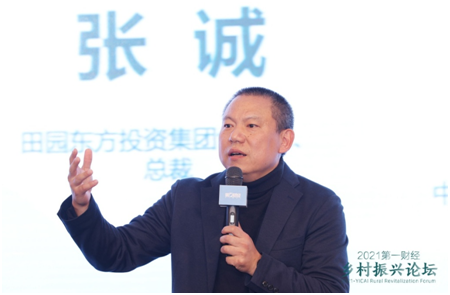
Zhang Cheng, founder and president of Tianyuan Oriental Investment Group, said at the forum: "The solution to agricultural modernization actually involves the systematic modernization of agricultural and rural farmers. It requires the participation of governments, enterprises, financial institutions and other social forces. It is a long-term solution that covers many business areas. Tianyuan Oriental selects business models that are in line with its own business development and participates in them. With the 'Pastoral Oriental Pastoral Living Room Plan', we do what is most effective and good at the business chain. This is also an effective way for market forces to participate in agricultural modernization."
"The imagination of the future countryside corresponds to different "picture imaginations" among four different people. The first type of people are literary and artistic young people. The countryside in their hearts is 'the winding river, the winding bridge, the winding boat and the childhood Gillian on the boat.' , leisurely seeing life in Nanshan'; the third type is urban and rural developers, they are gentry and virtuous people, in modern society, they are more secretaries, village chiefs, district and town leaders, scholars and rural builders. They work, live, reproduce and continue to prosper, and are the parents and officials who continue the cultural heritage; the fourth type are Anbang Dingguo people, their vision is 'common prosperity'!" Zhang Cheng said!
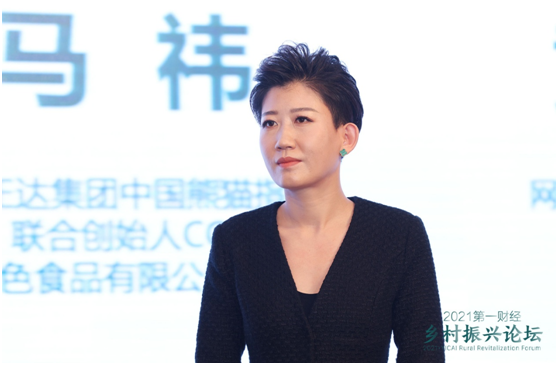
Ma Yi said: "What is good agriculture? Syngenta Group China's important strategy 'MAP (Modern Agriculture Platform) modern scale agriculture is to turn the original experience cultivation and some primitive extensive cultivation into modern equipment and intelligent tools. The result of visualization is that the entire agriculture can be modularized to solve the problem. What is the list of high-quality agricultural products in China? It took more than four years for the 'Panda Guide' alone to travel 3.7 million kilometers in China and only find 268 models. How can we let everyone know how to turn the data on the ground into the evaluation criteria of delicious food in consumers' mouths? I think this result is an important indicator to measure the significance of digitalization. "
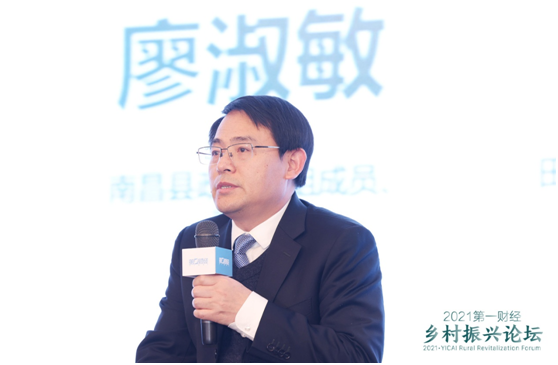
Liao Shumin said: "True modern agriculture is to tap local high-quality resources and truly integrate the development of primary, secondary and tertiary industries to promote the revitalization of our local countryside. Rural revitalization resources, funds, and talents are the biggest issues. The key to talent is to solve two problems: the first problem is how to cultivate local talents, and the second is how to introduce foreign talents."
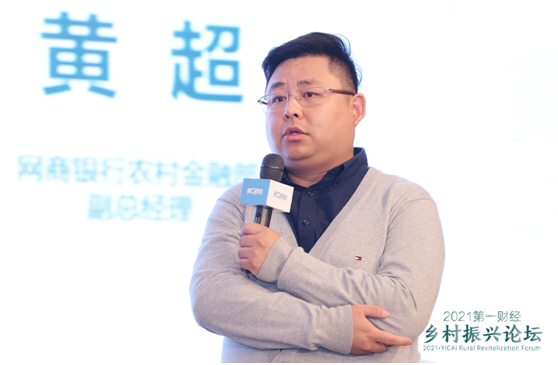
Huang Chao said: "The most basic requirement for agricultural modernization is actually agricultural digitization, because digitization will serve as the new agricultural infrastructure to help us build the relationship between farmers and financial institutions using information flow. Users can now obtain more advanced financial services that are more in line with their production relationships by doing things without leaving home and without asking for loans."
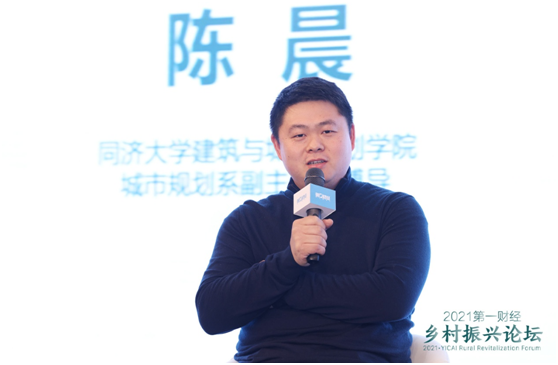
Chen Chen said: "The modernization of agriculture, I understand, is a relative concept, so as long as you break away from the small-scale farmer model, it is an upgrade to modernization. This upgrade may be in the financing process. Our financing is no longer based on the accumulation of agriculture, rural areas, and farmers' own family assets. For example, technological replacement, our sales methods, agricultural technology All progress is modernization. Many of the most obvious agricultural innovations I have seen in rural areas are in the market link, because farmers generally lack the ability to do so. Every rural e-commerce is a great innovation. It should be said that Taobao and JD.com are working on rural e-commerce, which has played a great role in the modernization of agriculture across the country.”
"Agricultural modernization can actually be expanded into rural industrial modernization or rural industrial modernization. The reason is that rural areas are now not just agriculture, but rural industries are multi-faceted, including primary, secondary and tertiary industries. We are conducting surveys on urbanization and rural surveys and found that a large part of farmers' income is experience income, and the amount purely engaged in agriculture is not that large." Chen Chen said.
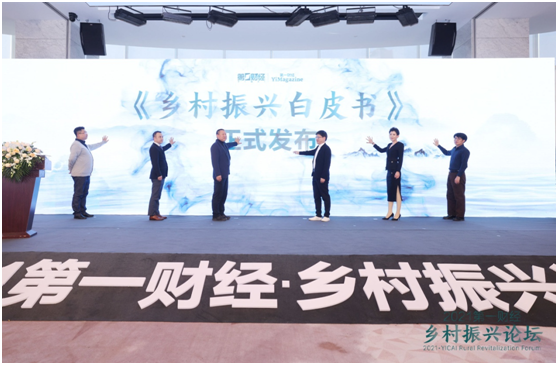
The event also released the rural revitalization white paper "Looking for new rural driving forces – N experiments (models) for urban-rural integration in 2021" jointly produced by China Business Network, Tianyuan Oriental Group, China Resources Group, MYbank, JD.com, and Syngenta Group. The white paper mainly mentioned that the reason why market-oriented thinking is important in rural areas is because it attaches great importance to basic business operation rules and the input-output ratio, which is the prerequisite for the effective use of resources. At the same time, when this market-oriented thinking is combined with national policies, it has produced some changes, such as how to measure output? These companies also regard farmers' self-sufficiency, improving farmers' professional skills, and improving the efficiency of agricultural production methods as measures of output. This is the advantage of market thinking, and at the same time, it is also the result of policy guidance.
If the nation is to be rejuvenated, the countryside must be revitalized. In the past few years, Internet celebrity villages, characteristic towns, and B&B investment have become hot topics in society and the market. In this process, we not only saw such market hot spots, but also saw the diverse directions of rural development. In addition, since the 18th National Congress of the Communist Party of China, the gradual realization of common prosperity for all people has been placed in a more important position, and it has also provided a direction for bridging the gap between urban and rural areas. How to fundamentally commit to the integrated development between urban and rural areas is rural revitalization as a national strategy and a goal in the context of common prosperity.