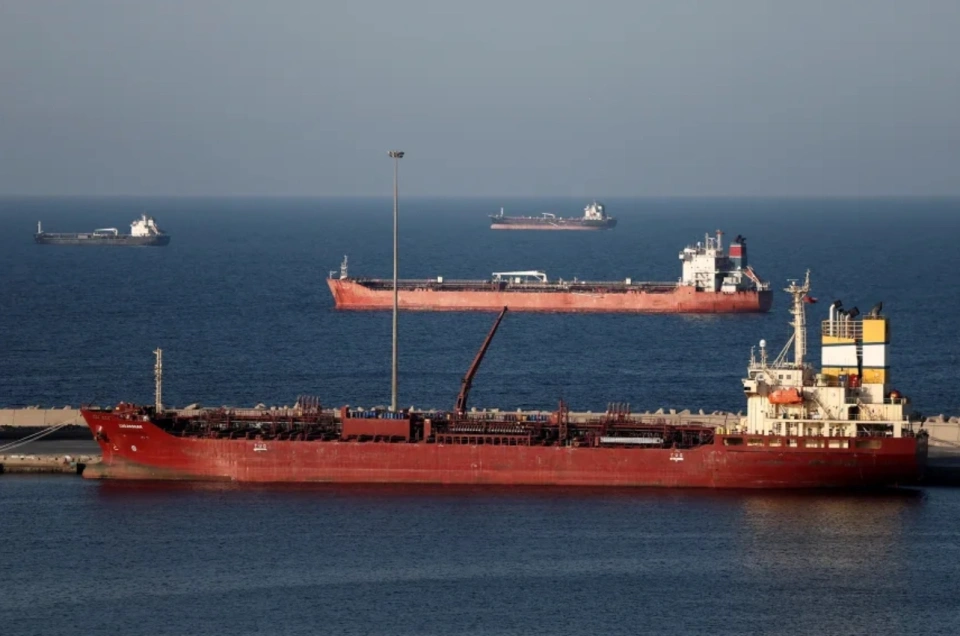
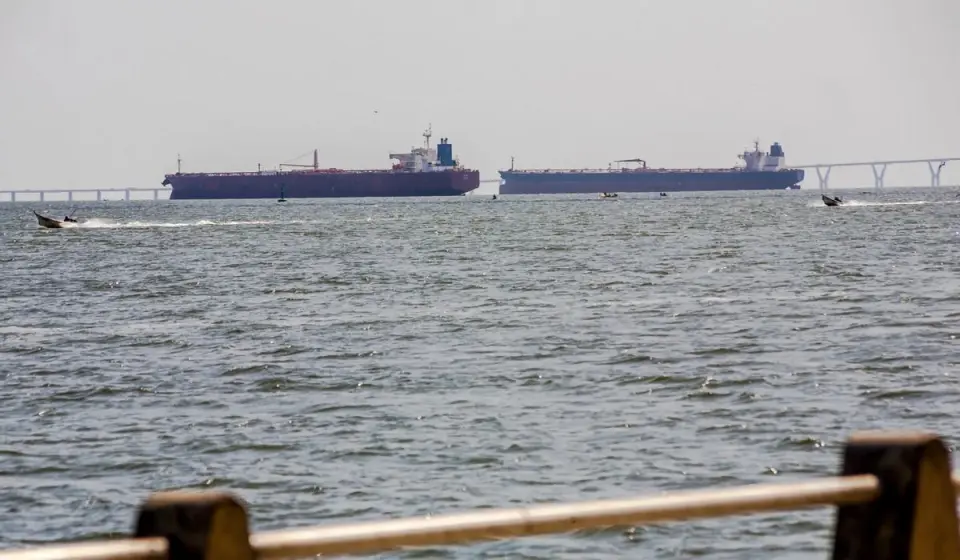
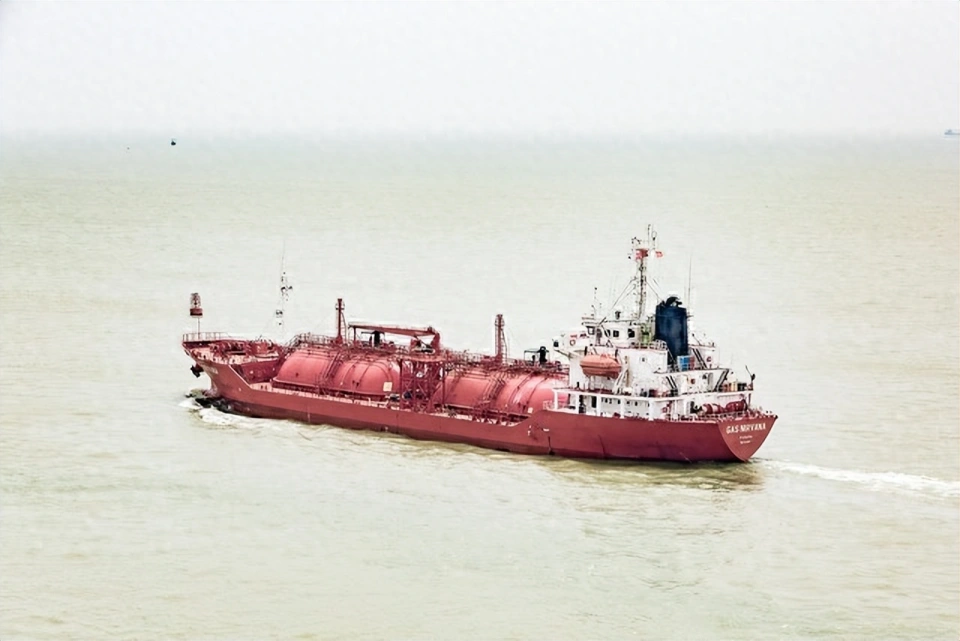
Recently, Russian oil tankers, represented by the "Water Titan" and at least fully loaded with crude oil, suddenly changed course after sailing into the South China Sea, changing their destination from a Chinese port to an Indian port. Some oil tankers even chose to reroute to India when they were approaching the unloading point. This rerouting is expected to travel about 2,000 nautical miles longer than the original voyage, and may take about seven days longer.
Why do Russian oil tankers sell oil to India even if they take a detour? It is because of the high price offered by Indian refineries that in order to obtain this batch of spot crude oil that is already at sea, the price offered by Indian buyers is US$50 to US$80 per ton higher than the spot purchase price in China. This level of premium is enough to fully cover the freight, demurrage and potential default costs caused by the diversion, and can even bring excess profits to ship owners.
So the question is, why is India, which is not very wealthy, willing to pay such a high price? First, about 40% of India’s crude oil imports pass through the Strait of Hormuz. However, the recent escalation of geopolitical conflicts in the Middle East has blocked the passage of this channel, directly threatening India’s energy supply security. Data shows that India’s commercial crude oil reserves can only last about 25 days. In this context, what India considers more about obtaining spot crude oil is not the cost issue, but the bottom line and red line issue of energy security. Naturally, it can do so regardless of the price or cost.
Second, before, the United States did not allow India to purchase Russian oil, and India compromised. However, after the Strait of Hormuz was blocked, the United States was worried that global oil prices would be out of control and backfire on itself, so it urgently provided India with a 30-day "exemption ticket." But what can it do in these 30 days? Even if India reaches a supply agreement with Russia as soon as possible and ships from the Black Sea or the Baltic Sea, the 30-day window will have long passed by the time the tanker arrives at the Indian port. Therefore, there is only one way left for India – to intercept the goods that are already at sea, and the closer the better, the faster the better. As a result, Indian refiners have focused on Russian oil tankers that are sailing in the Indian Ocean and are even approaching Chinese ports. Data shows that in just one week, Indian companies snatched about 30 million barrels of Russian crude oil from the spot market, almost sweeping away all the liquid spot goods on the market, because this is the only way for India to alleviate its own energy crisis.
Therefore, this incident was actually the result of many factors. India's immediate demand gap and the temporary exemption from the United States eventually led to the rerouting of this batch of Russian oil. At this point, many friends may ask a question: If India raises prices, why don’t we in China follow suit? Can’t we also pay a high price and snatch this batch of oil back? The answer is no, why? First, most of China's crude oil purchases are locked in long-term contracts. With stable long-term supply, pipeline transportation guaranteed, and sufficient reserve buffers, there is no need to compete with others in the spot market. Secondly, China’s crude oil import system has formed a diversified supply pattern after years of layout. Data shows that China’s crude oil import sources currently include Russia, Saudi Arabia, the United Arab Emirates, Iraq, Brazil and other countries. This batch of intercepted oil is a life-saving straw for India, but for us, it is just a batch of many sources of supply. Raising the price for a few ships of spot cargo will instead push up the cost of all subsequent purchases. This is picking up sesame seeds and losing watermelons.
However, this incident reminds us. First of all, it shows that the trend of "spotization" and "speculation" in global energy trade is intensifying. The traditional model that relies on long-term contracts and stable routes has been impacted by "maritime guerrilla warfare"-style temporary transactions. Oil tankers can change their destinations based on real-time quotes during the voyage, which poses new challenges to the supply chain stability of importing countries.
Secondly, this is a stress test worthy of review for us. This batch of crude oil was eventually intercepted at a high price. In the short term, it can be compensated by increasing purchases from other channels. But what is more important is the thinking on the mechanism. If India continues to purchase spot crude oil at high prices in the South China Sea and the Indian Ocean in the next 30 days, how can we ensure the stability of contract supply in the highly volatile spot market? How to continue to spread transportation risks through diversified channels? How to maintain bargaining power in price competition?
Generally speaking, in the current international environment, energy security has become a protracted war that requires real-time responses and dynamic adjustments. China's strategy in this protracted war is not to chase high prices and grab goods, but to focus on the big ones, let go of the small ones, and fight steadily.