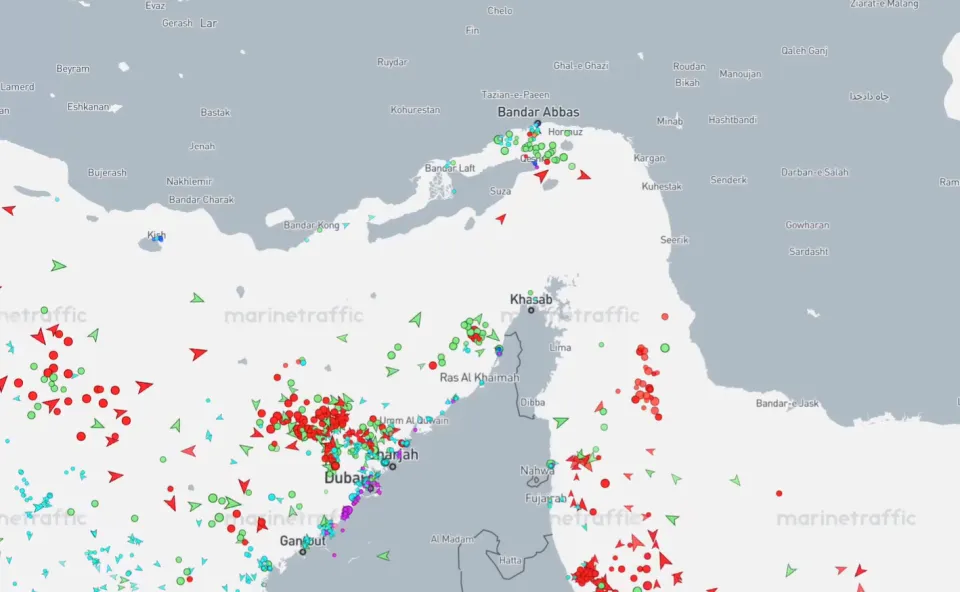
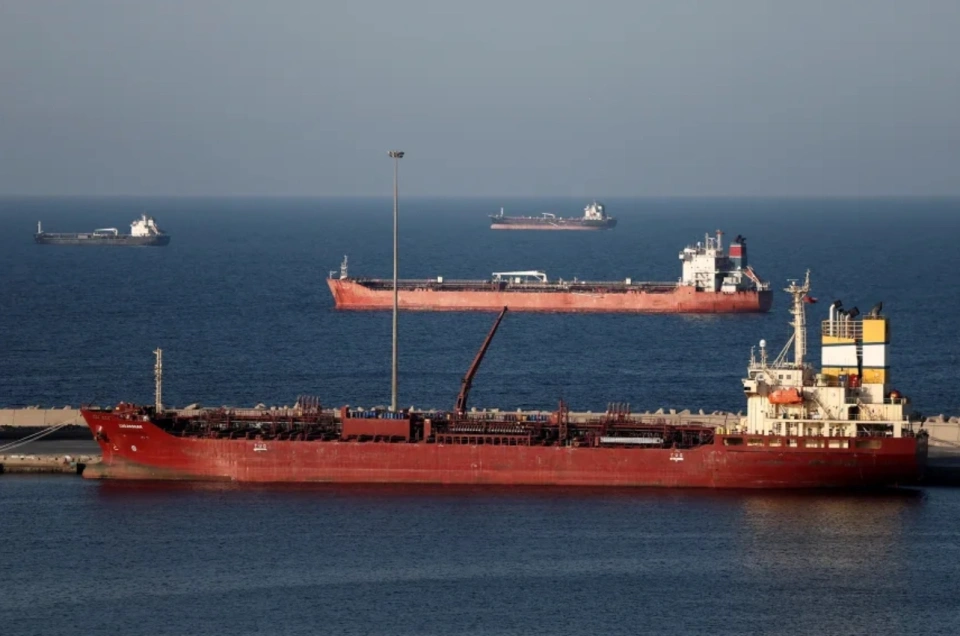
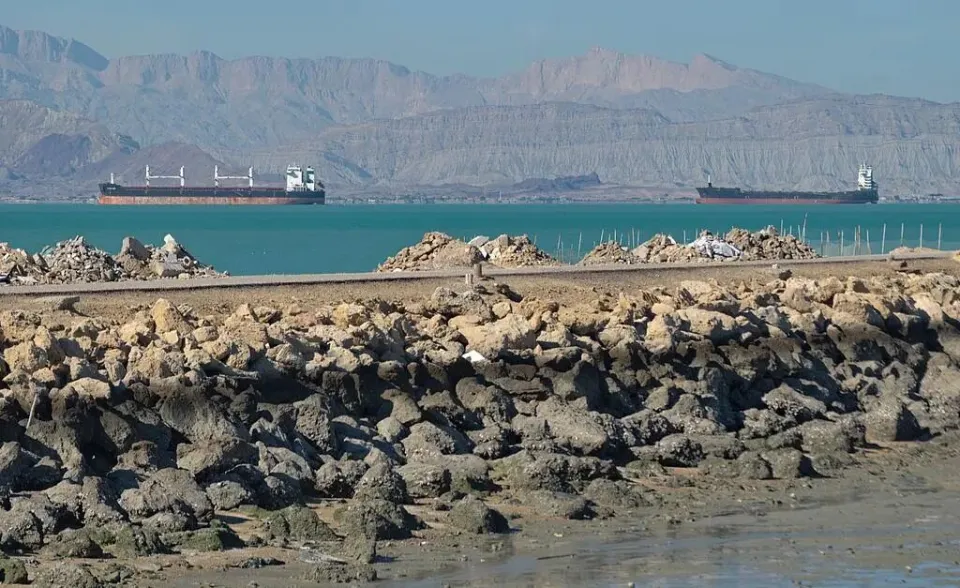
Lloyd's List reported that since the conflict broke out on February 28, more than 20 maritime incidents involving commercial ships and maritime infrastructure have occurred, and traffic in the Strait of Hormuz has been significantly reduced.
But there was an increase in vessel traffic through the Channel over the weekend, according to Lloyd's List Intelligence data. Data shows at least 16 ships have crossed the strait since Friday. Thirteen of them sailed out of the Persian Gulf to the east, and three entered to the west.
Among them, AIS (Automatic Identification System) data showed that 12 ships took new routes through Iranian territorial waters; 3 ships could not accurately determine their routes or crossing dates due to insufficient AIS data; and one was a bulk carrier flying the Iranian flag.
The report believes that the increase in the use of new routes seems to be due to the diplomatic agreements reached between Iran and other countries.
For example, on Monday (23rd) this week, two very large liquefied gas carriers flying the Indian flag passed through the strait and showed the identity of their Indian shipowners through AIS signals. LPG shortage in India has become a hot political issue as LPG is mainly used for cooking, forcing the Indian government to negotiate with Iran to ensure the supply of goods.
The Indian shipping department confirmed that the two ships carry more than 92,600 tons of liquefied petroleum gas and are expected to arrive at Indian ports from the 26th to the 28th.
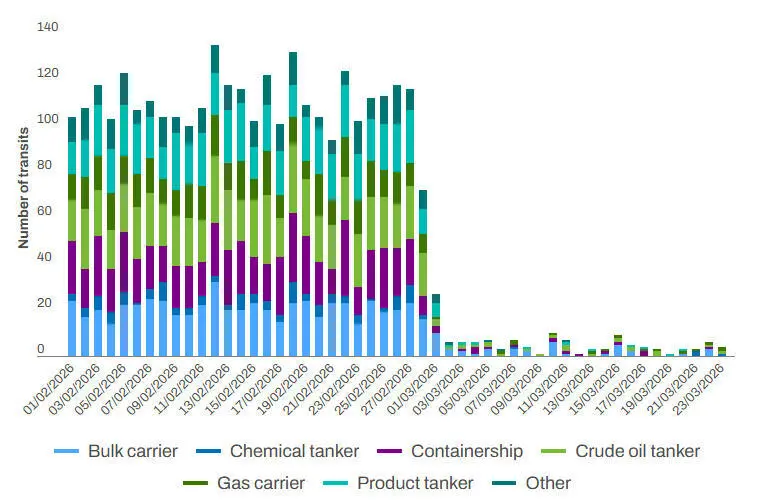
Changes in the number of ships passing through the Strait of Hormuz before and after the US-Israeli military conflict "Lloyd's Daily"
As of now, the progress of diplomatic negotiations on security in the Strait of Hormuz remains unclear.
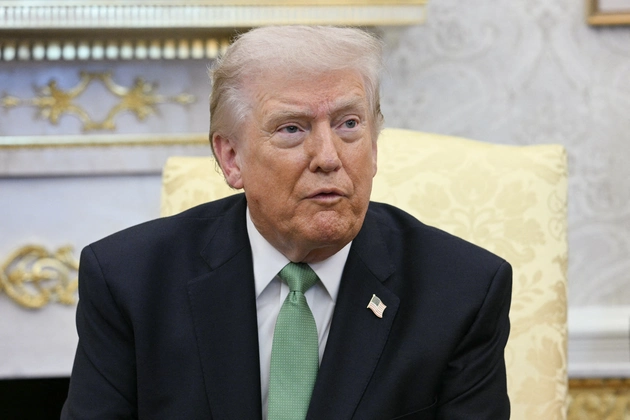
U.S. President Trump posted on social media on the 23rd that the dialogue between the United States and Iran was "productive" and that the attack on Iran's power stations would be "postponed for five days." However, the speaker of Iran's parliament denied negotiations with the United States, calling the statement "fake news" used to "manipulate" the oil market.
At the same time, Iranian Foreign Minister Araghchi reiterated that the Strait of Hormuz was not closed. "Ships are being intercepted because insurance companies fear 'a war chosen by you, not Iran.' Without freedom of trade, there is no freedom of navigation. It's either, or neither," he said.
Iranian President Pezhiziyan stated on the 22nd that the Strait of Hormuz is open to everyone, but invaders who violate Iranian territory are not welcome.
According to the assessment, the current risks to commercial shipping are still "critical", but Western parties are working hard to establish an international security alliance to support shipping after the end of major military operations.
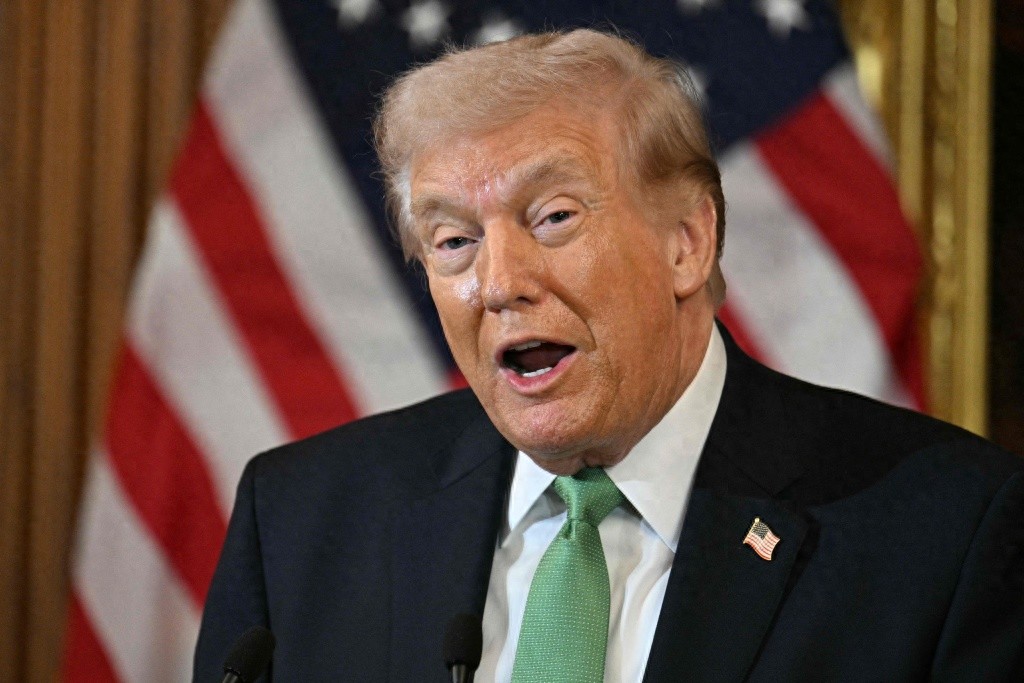
The report mentioned that Trump recently stated that the Strait of Hormuz must be guarded and controlled by "other countries that use it" and that the United States will not participate. The statement boosted already existing discussions among European countries, which had been in direct contact with industry representatives to discuss possible shipping safety arrangements. But the establishment of a formal EU force is unlikely.
EU insiders revealed that there is currently no intention to expand the EU's existing naval "Aspides" escort operations.
It is understood that the joint coordination task between Britain and France is under negotiation. The mission would be completely independent of any U.S. operations and would likely involve some kind of "surveillance" force capable of intercepting missiles and attacks, but the warships would not enter the Persian Gulf. However, the mandate is likely to be approved only after the US-Israeli military conflict ends.
Last week, some Iranian lawmakers said they were studying a bill that would require them to pay Iran if they want to cross the Strait of Hormuz in the future. Araghchi also hinted that Iran may introduce new navigation rules in the Strait of Hormuz.
Soon after, Lloyd's List noted that there were signs that Iran had activated a ship inspection mechanism and began charging fees for passing ships.
According to reports, Iran has opened a "safe" shipping channel in its territorial waters in the Strait of Hormuz to facilitate visual inspections of ships by the Revolutionary Guards and port authorities. The Revolutionary Guards have established a preliminary ship registration system to issue safe passage permits to "approved" ships; ships planning to use this route must report shipowner information, cargo destination and other details to Iran in advance.