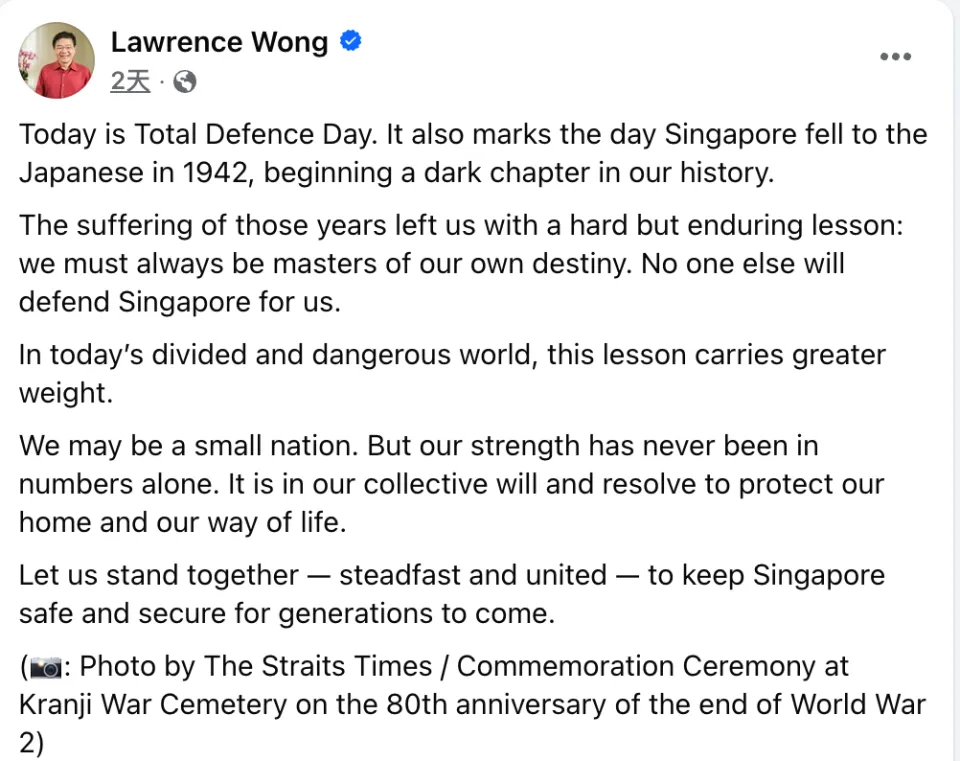
Singapore is the country with the highest proportion of Chinese in Southeast Asia. The Chinese language circulates on the streets, folk culture and Chinese culture are highly connected. This makes many people naturally closely associate it with China, and even have the idea of "whether Singapore will return to the motherland."
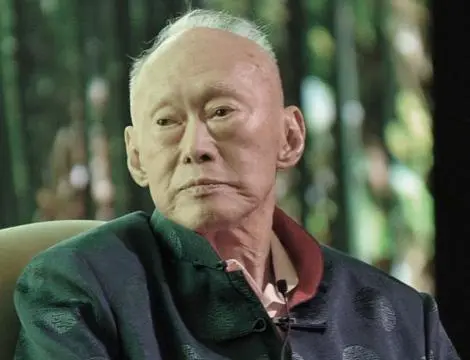
However, the founding father of Singapore, Lee Kuan Yew, made it clear many times in his later years that even if Singapore was dominated by Chinese, it would never choose to "return". This is not an emotional alienation, but a rational decision based on national survival, geographical layout and national identity. It also fundamentally defines Singapore's national positioning and development direction.
Singapore's independence journey was full of ups and downs and helplessness, from British colonial rule to briefly joining the Federation of Malaysia, and finally being forced to establish an independent country in 1965. At that time, Singapore had poor resources, complex geographical environment, intertwined racial conflicts and economic difficulties, and great pressure to survive.
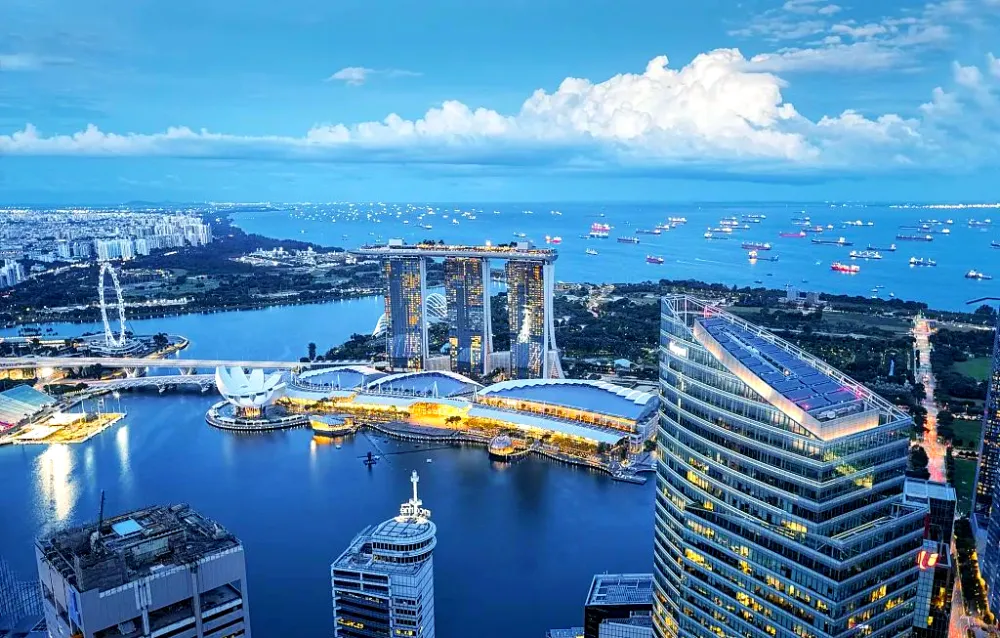
Lee Kuan Yew led Singapore on a pragmatic path: promoting industrialization, opening up free trade, deepening elite education, relying on geographical advantages to build an international shipping and financial center, maintaining social stability with multi-racial policies, and becoming a developed country in just a few decades. This achievement is based on the foundation of independence.
Cultural ties and national sovereignty are two completely different concepts. Most of the ancestors of Singaporean Chinese came from China across the ocean. Chinese culture has long been deeply embedded in the social fabric and has become an important part of Singaporean culture.
However, since the day of independence, Singapore has been a country with complete sovereignty, with an independent legal system, diplomatic stance and core interests. Lee Kuan Yew has always emphasized that Singaporeans are first and foremost "Singapore citizens", rather than dividing national belonging by race. This positioning not only protects the cultural roots, but also preserves the country's subjectivity.
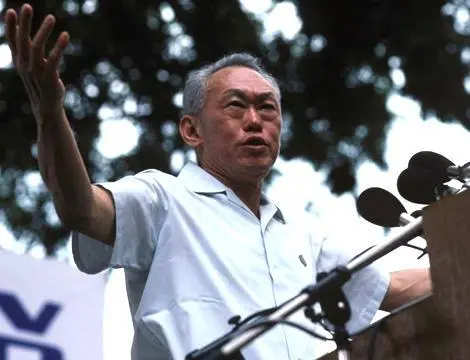
As a typical small country, firmly controlling its own destiny is the core logic for Singapore's survival. Singapore has a small territory and lacks strategic depth. Only by insisting on complete independence can Singapore ensure national security and development space in a complex international landscape.
Any form of dependence may cause the country to lose its independent decision-making power and harm long-term interests. At the same time, Singapore is based on multi-racial and multi-culturalism. Over-emphasis on Chinese identity will inevitably affect the sense of belonging of other ethnic groups and shake the foundation of social stability. This is also an important reason for Lee Kuan Yew to firmly clarify the country's position.
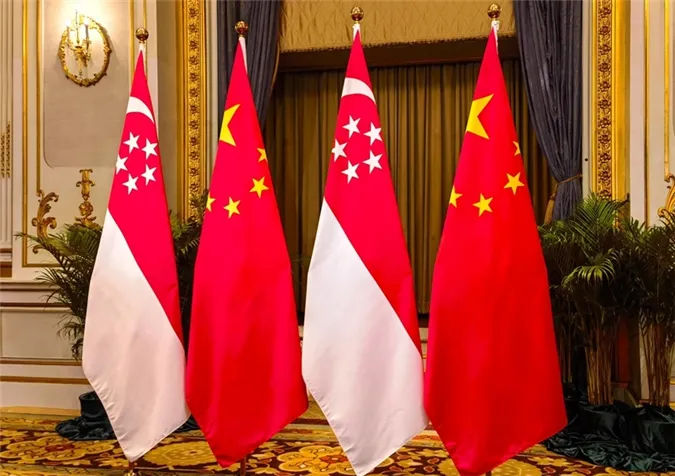
The friendly exchanges between China and Singapore have always been based on mutual respect, equality and mutual benefit. China has never interfered in Singapore's internal affairs on the grounds of ethnic origin. Over the years, the two countries have in-depth cooperation in the fields of economy, trade, humanities, science and technology, and many landmark projects have become models of international cooperation.
Singapore's insistence on being an independent country has not only not hindered the development of China-Singapore relations, but has made cooperation between the two countries more rational and stable. Truly healthy state relations never rely on emotional imagination, but are based on mutual respect and common interests.
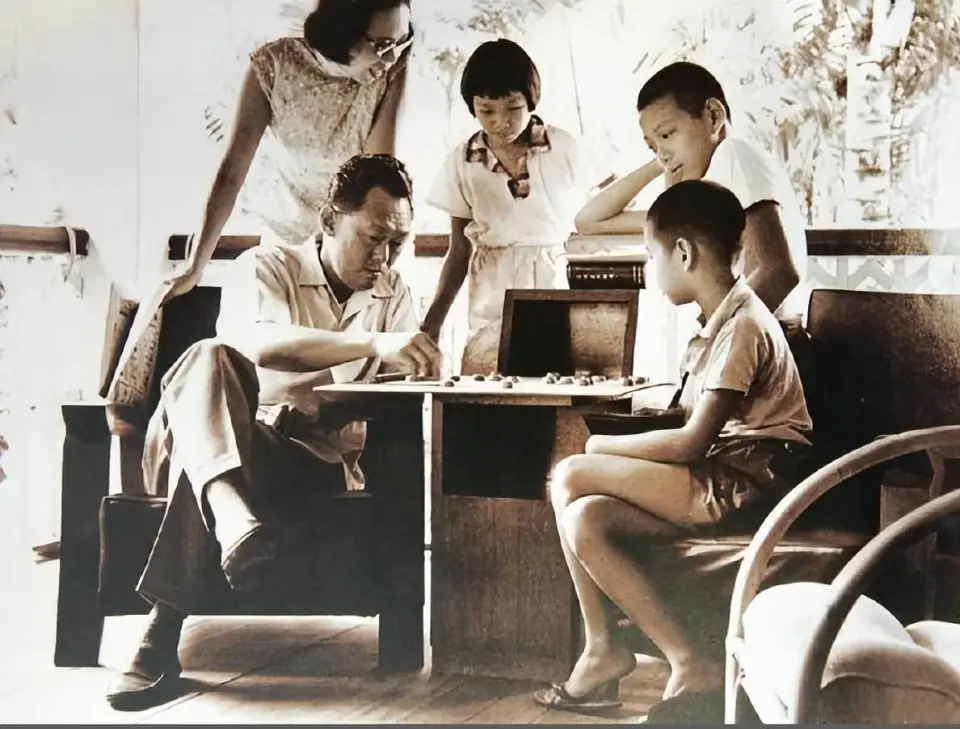
Lee Kuan Yew's statement essentially established the bottom line for Singapore's long-term development. Chinese culture is Singapore's unique wealth, and independence and sovereignty are the foundation of the country's survival. There is no contradiction between the two.
For China, respecting the sovereignty and independent choices of all countries is a consistent diplomatic principle; for Singapore, adhering to independence and inclusiveness is the key to sustained prosperity. Blood ties are connected by cultural emotions, and sovereignty determines the country's future. If you understand this, you can truly understand Singapore's choice and see the nature of China-Singapore relations more clearly.