Don’t think we are the only ones who have headaches about property fees. From apartments in New York to towers in Tokyo, property owners all over the world are asking the same question: What do I buy for the money I pay every month?
Today, I will not talk about those falsehoods, but I will tell you a core change that is quietly taking place in many countries around the world in 2026: every penny of property fees you pay includes a "safety pocket". If the property management company cannot produce the corresponding certificate – a valid public liability insurance policy – you have every right to hold on to your wallet and postpone payment.
This is not some folk advice, but a hard-core right granted to you by the law.
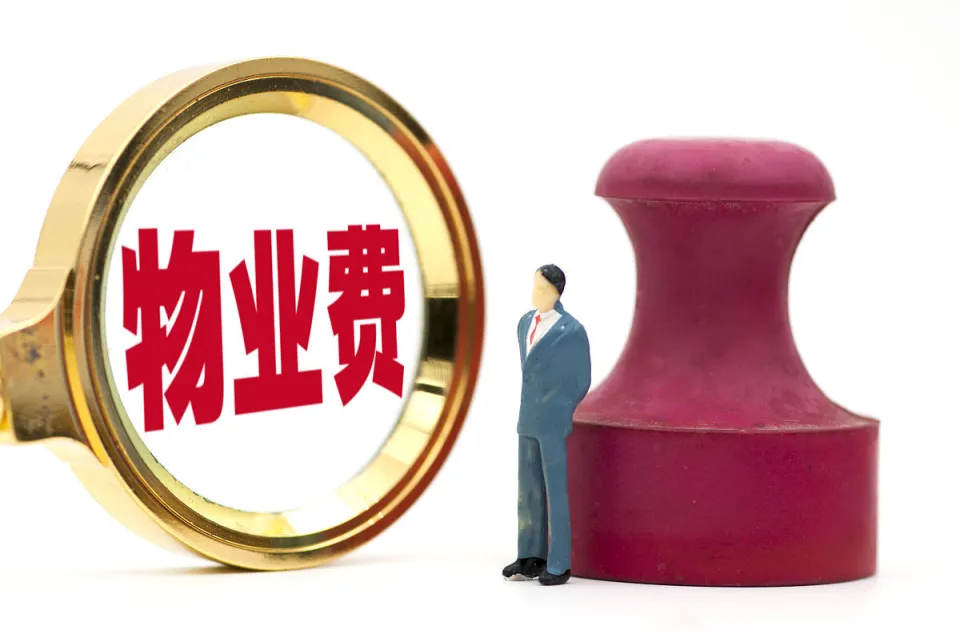
Whether it's called property fees, HOA fees, or apartment management fees, the essence is that owners collectively purchase community services and risk protection. One of the most critical protections is public liability insurance.
To put it simply, if you are injured in a public area of the community, such as a slippery corridor, loose play equipment, or even an accident caused by management negligence, this insurance can pay your medical expenses and lost work expenses as soon as possible. It transfers millions or even tens of millions of compensation risks for the entire community with an annual premium that may only cost a few thousand yuan.
In China, the "Regulations on the Administration of Property Service Charges" states in black and white that this premium is included in the cost of property fees you pay. The property management company is only entrusted by all owners to handle insurance. This is their legal obligation and is not optional.
In the United States, Germany, Singapore and other places, similar "liability insurance" requirements are also commonly found in community management regulations or local regulations. The core logic is universal: after managers receive money, they must be responsible for basic security risks within the scope of management.
What would happen without this insurance? A 2026 case in Guangdong gave the answer: The owner fell and fractured his bones on the ground in the community, which cost him 38,000 yuan. The property owner was ordered by the court to pay full compensation because he could not get the insurance policy. The risk is completely placed on the property management company itself. They cannot afford to pay, and the owner's rights protection path will become extremely difficult.

In 2026, not only in China, but also in many places, the rules of the property game are tilting towards owners. The core is just one sentence: let money be spent clearly and let rights and responsibilities be clear.
Fee transparency has become a hard target. In China, new regulations require that at least eight types of public benefits, such as elevator advertising and parking space rentals, shall be owned by all owners after deducting no more than 30% of reasonable costs. The property must be managed through a separate account, and income and expenditure details must be disclosed every six months. This is also a major trend internationally. Many communities in Europe and the United States have already mandated that HOAs (homeowners associations) disclose detailed annual financial reports.
The right to adjust prices is firmly in the hands of the owners. Want to increase property fees? Not so easy anymore. Now there are two hard hurdles to pass: first, a third-party cost assessment report must be issued and the cost details of the past three years must be disclosed; and then it must be approved by a "double-third" voting by owners – that is, more than two-thirds of the exclusive area and the number of owners must participate in the vote, and more than half of the voting members must agree. This strict set of procedures effectively prevents unilateral and arbitrary property price increases.
There is a clear statement on the exemption for vacant houses. No one lives in the house, do you still have to pay the full amount? The new regulations in 2026 clarify that if the property is vacant for more than 6 consecutive months, the owner can apply for a reduction or exemption of property fees with proof of zero usage of water, electricity and gas. The reduction ratio in various places ranges from 20% to 50%. Although in some places such as the United States, HOA fees must be paid in principle even if the property is vacant, the concept of adjusting fees based on actual usage is being accepted by more and more places around the world.
Violent collection of fees is expressly prohibited. The most irritating issues among property owners are water, power, and elevator outages, which are now directly marked as red lines by law. Whether in China or many other jurisdictions, this is a serious infringement. Once a property owner does this, not only will it not be able to collect fees, but it will also face administrative penalties and compensation for losses to the owner.
Now that I understand the truth, how to do it specifically? No matter where you live in the world, please complete the following three steps before paying your bill next time: