Nanjing University of Finance and Economics is a key construction university in Jiangsu Province that focuses on economics and management disciplines, with supporting and coordinated development of economics, management, law, engineering, science, literature, art and other disciplines. The school has three campuses: Xianlin, Fujian Road and Qiaotou, covering an area of 1.207 million square meters and a total construction area of 713,600 square meters. The school's main campus is located in Xianlin University Town, Qixia District, Nanjing City. It has a beautiful environment, fresh air and green trees, making it an ideal place for further study. The school has 18 teaching colleges (departments), with more than 16,000 undergraduate students and more than 2,600 doctoral and master's students. It has a postdoctoral mobile station in applied economics, and the "Modern Grain Circulation Industry Development and Policy" serves the country's special needs doctoral talent training project. It has 12 first-level master's degree authorized disciplines, 14 professional master's degree authorized points, and 49 undergraduate majors.
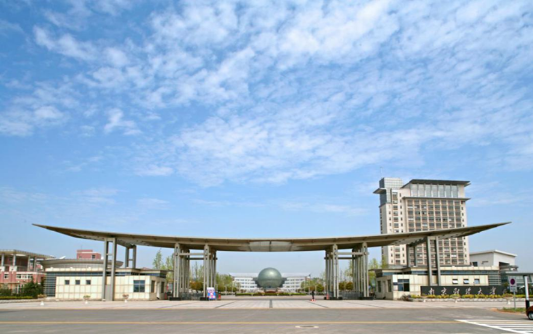
Campus scenery-South Gate of the school
The school currently has nearly 1,300 full-time teachers, including more than 200 teachers with senior professional titles and more than 700 teachers with doctorate degrees. In recent years, the school has won 2 national teaching achievement awards, 2 national quality courses, 2 national quality resource sharing courses, 1 national bilingual teaching demonstration course, 4 national quality online open courses, 1 national virtual simulation experimental teaching project, and a national first-class undergraduate major construction site 11, 4 national-level specialty specialty construction sites, 2 national-level professional comprehensive reform pilot projects, 2 national-level talent training model innovation experimental areas, 9 national-level planning textbooks, 1 national-level experimental teaching demonstration center, and 1 national Chinese excellent traditional culture inheritance base (seal cutting).
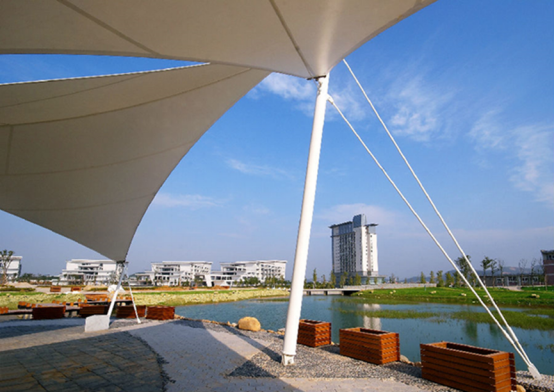
Campus scenery-view of the administration building
The school currently has 3 advantageous disciplines in Jiangsu universities, including applied economics, business administration, and food science and engineering, and 6 key (cultivation) disciplines in Jiangsu Province, including Marxist theory, law, statistics, mathematics, theoretical economics, and computer science and technology. "Agricultural Science" has entered the top 1% of the world's ESI international subject rankings. It has 3 provincial-level collaborative innovation centers, including the Modern Service Industry Collaborative Innovation Center, the Modern Grain Circulation and Safety Collaborative Innovation Center, and the Jiangsu Modern Financial and Taxation Governance Collaborative Innovation Center. In the past two years, the number and quality of national-level scientific research projects approved by the school have continued to increase. In 2018, 5 major national-level key projects were approved, and the level of the projects has been significantly improved. In 2019, more than 70 national-level projects were approved, and the number of projects approved made a major breakthrough, ranking among the best among finance and economics universities in the country.
2. Introduction to the College
The School of Economics of Nanjing University of Finance and Economics has two master's degree authorized first-level disciplines: theoretical economics and statistics, both of which are key (cultivation) disciplines in Jiangsu Province's "Thirteenth Five-Year Plan". In the fourth round of discipline evaluation by the Ministry of Education in 2017, the theoretical economics discipline evaluation ranked second among similar disciplines in universities in Jiangsu Province. The theoretical economics and statistics of our college have all passed the mid-term inspection of provincial key disciplines during the “13th Five-Year Plan”, among which the theoretical economics discipline inspection result was “excellent”. The college currently has two undergraduate majors, Economics and Economic Statistics, both of which are national first-class undergraduate major construction sites, national characteristic major construction sites of the Ministry of Education, Jiangsu Province’s “Twelfth Five-Year Plan” undergraduate key majors in colleges and universities, and Jiangsu Province brand majors. The college currently has more than 1,150 general undergraduate students and more than 220 postgraduate students.
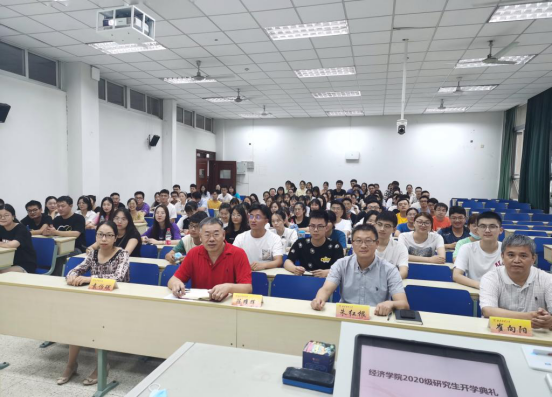
The college held the opening ceremony for 2020 graduate students
In 2020, our school adheres to the guidance of Xi Jinping Thought on Socialism with Chinese Characteristics for a New Era, takes the fundamental task of cultivating people with moral integrity, takes high-quality development as the main line, and actively forges ahead. It has achieved remarkable results in all aspects of work, and won the first place in the comprehensive unit assessment of Nanjing University of Finance and Economics in 2020.
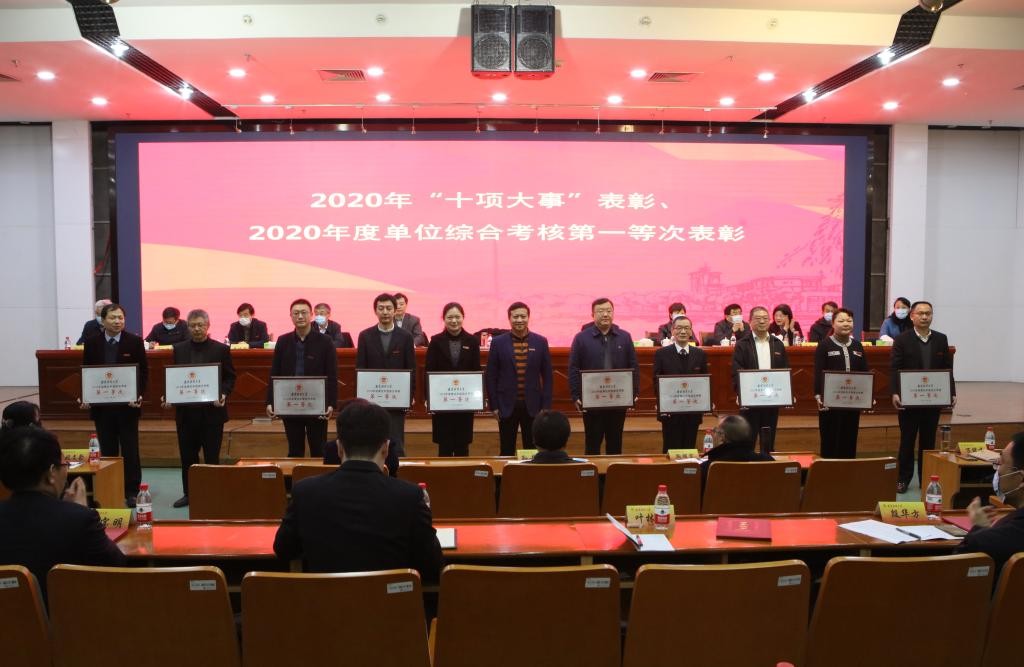
Dean Zhu Honggen took the stage to receive the first-class comprehensive assessment certificate on behalf of the School of Economics.
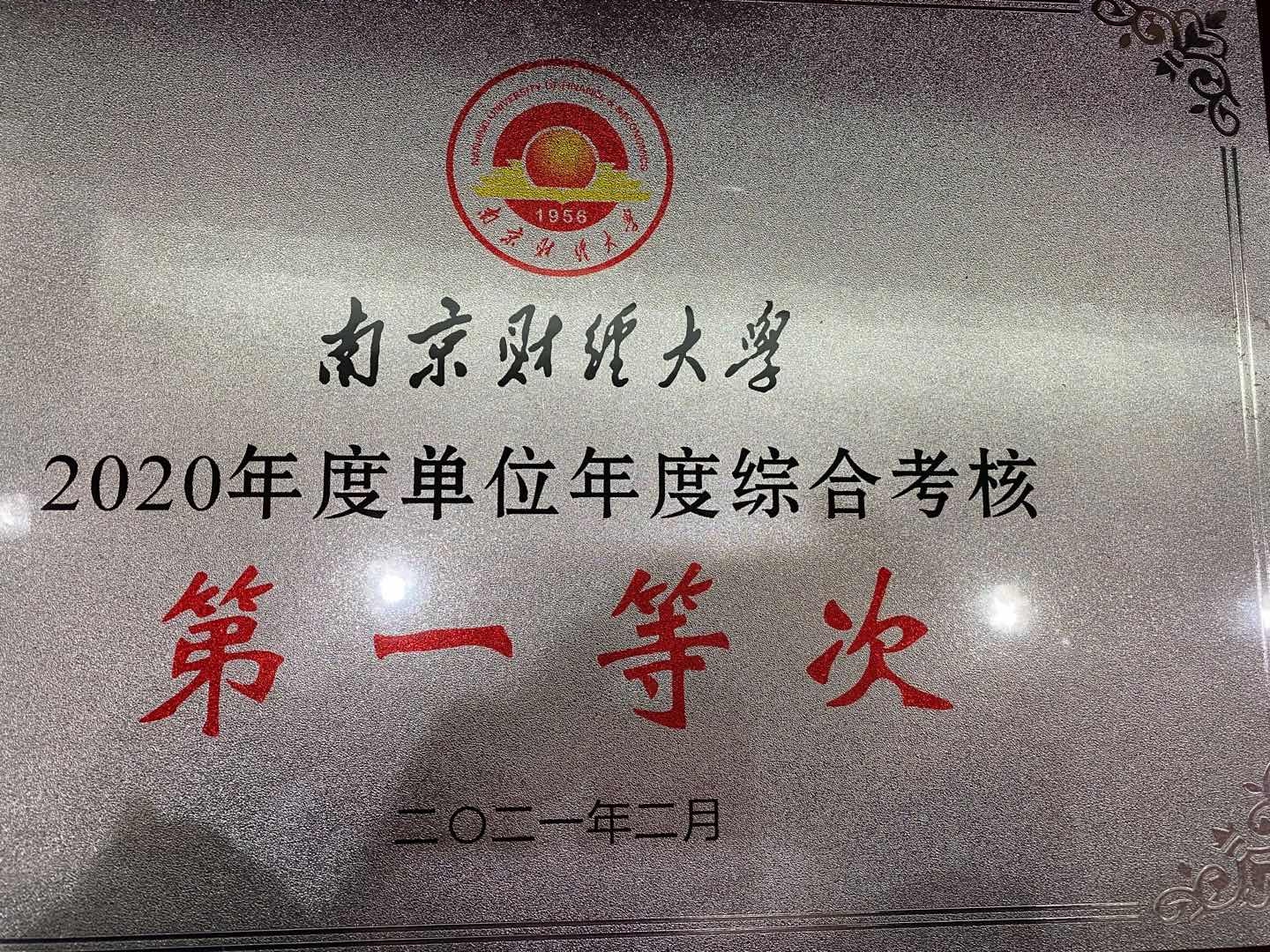
The college won the first place in Nanjing University of Finance and Economics’ 2020 unit annual comprehensive assessment
At the 2020 school graduate education conference and the first administrative work meeting in 2021, the postgraduate work of our school was commended by the school. Zhu Honggen, dean of our school, gave a speech at the conference. Chen Yaohui, secretary of the party committee of our school, Zhu Honggen, dean, and Wang Fang, a teacher from the Department of Statistics, came to the stage to receive the award.
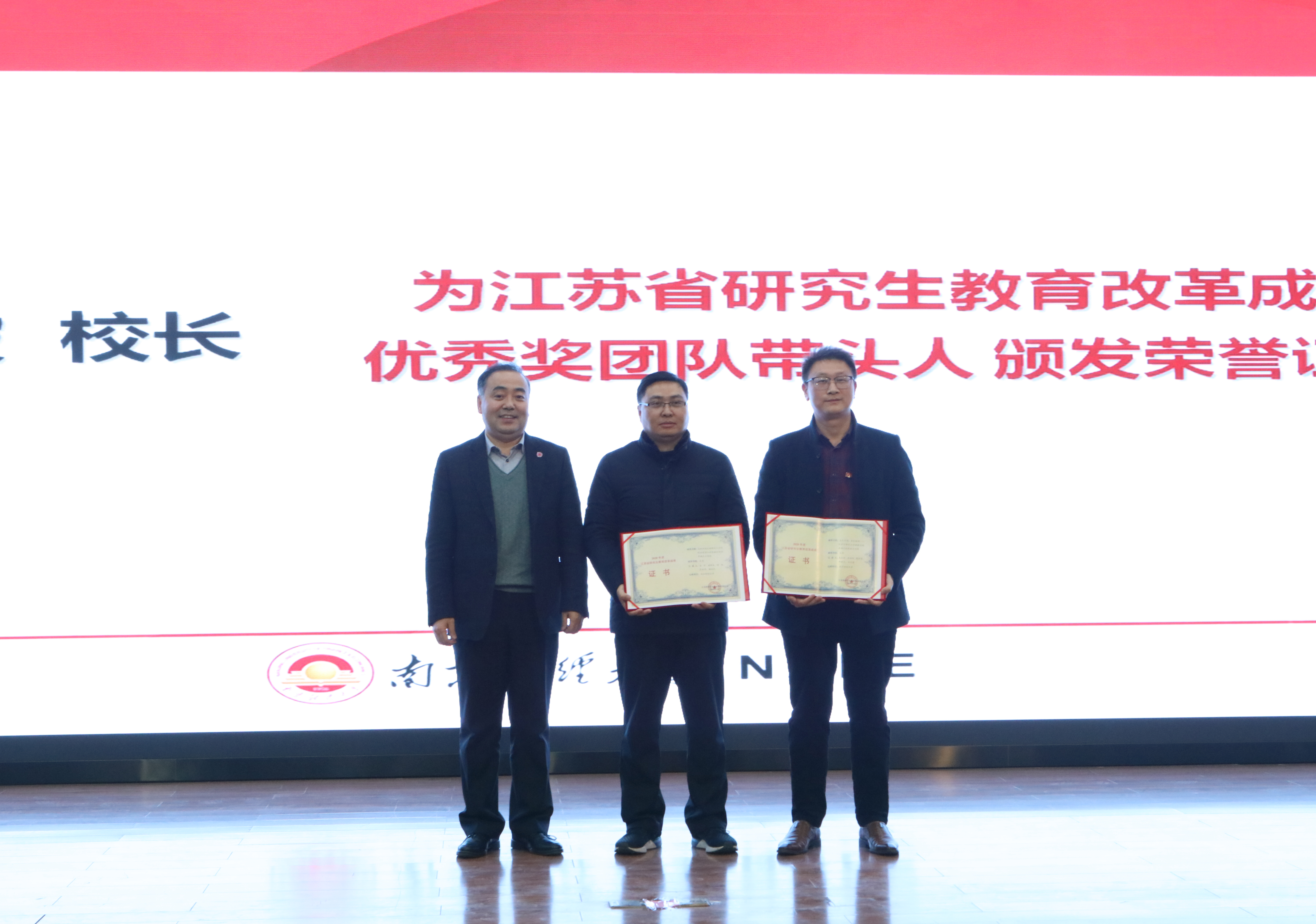
Zhu Honggen, Dean of our school, came to the stage to receive the certificate of "Jiangsu Province Graduate Education Reform Achievement Excellence Award"
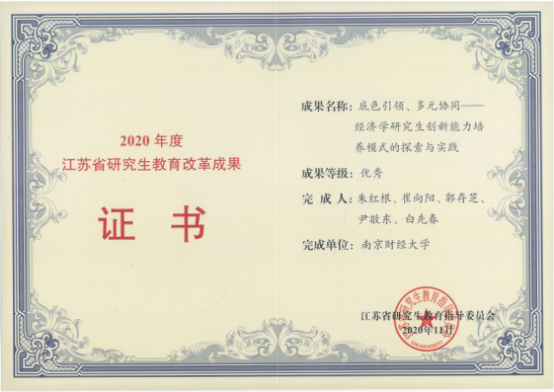
The college won the Jiangsu Province Graduate Education Reform Achievements Excellence Award
The college has a well-structured and powerful teaching and research team. The college currently has 86 full-time teachers, including 26 professors and 28 associate professors, 67% of whom have senior professional titles. There are 69 teachers with doctoral degrees, and 94% of teachers have doctorates and master's degrees. There are 5 national model teachers, national model workers in the education system, and national advanced individuals in teacher ethics, 2 famous teaching teachers in Jiangsu Province, 2 people enjoying special allowances from the State Council, 2 young and middle-aged experts with outstanding contributions in Jiangsu Province, 3 people selected for the “333 Project” of Jiangsu Province, 12 subject leaders and academic backbone teachers of the “Blue Project”, and 2 high-level talents from the “Six Talent Peaks”. The college won the honorary title of “Advanced Collective in Education in Jiangsu Province” in 2016. The statistics subject team is an outstanding subject echelon of the "Qinglan Project" in colleges and universities in Jiangsu Province, and has won the honorary title of "Pioneer Worker in the Science and Education System of Jiangsu Province".
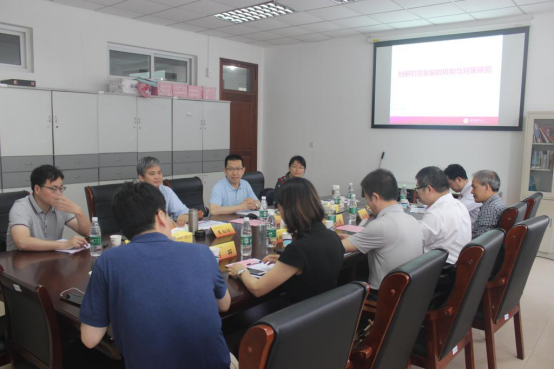
The college held a project report meeting for major projects of the National Social Science Fund
During the "Thirteenth Five-Year Plan" period, the teachers of the college have presided over 37 national-level projects such as the National Social Science Fund and the National Natural Science Foundation, including 2 major national social science projects; and presided over more than 60 provincial (ministerial)-level projects. He has published more than 120 SCI, SSCI and CSSCI papers in well-known domestic and foreign academic journals such as "Chinese Social Sciences", "China Industrial Economics" and "Energy Economics". Won 1 third prize for outstanding achievements in philosophy and social sciences from the Ministry of Education, and 5 prizes for outstanding achievements in philosophy and social sciences from Jiangsu Province, including 1 first prize, 2 second prizes, and 2 third prizes. The college has 6 scientific research platforms including the "Reform, Development and Governance Modernization Research Institute", "Jiangsu Provincial Statistical Research Base", "Nanjing University of Finance and Economics Green Economic Development Research Institute" and "Nanjing Metropolitan Area Research Center". It also conducts extensive cooperation with government departments such as the Provincial Bureau of Statistics, the Provincial Development and Reform Commission, the Provincial Department of Personnel, the Provincial Department of Water Resources, the Taihu Basin Hydrology and Water Resources Supervision Bureau, and the Provincial Engineering Consulting Center to provide social services.
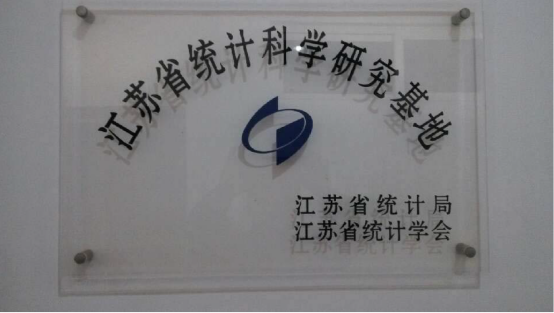
The college sets up the Jiangsu Provincial Statistical Research Base
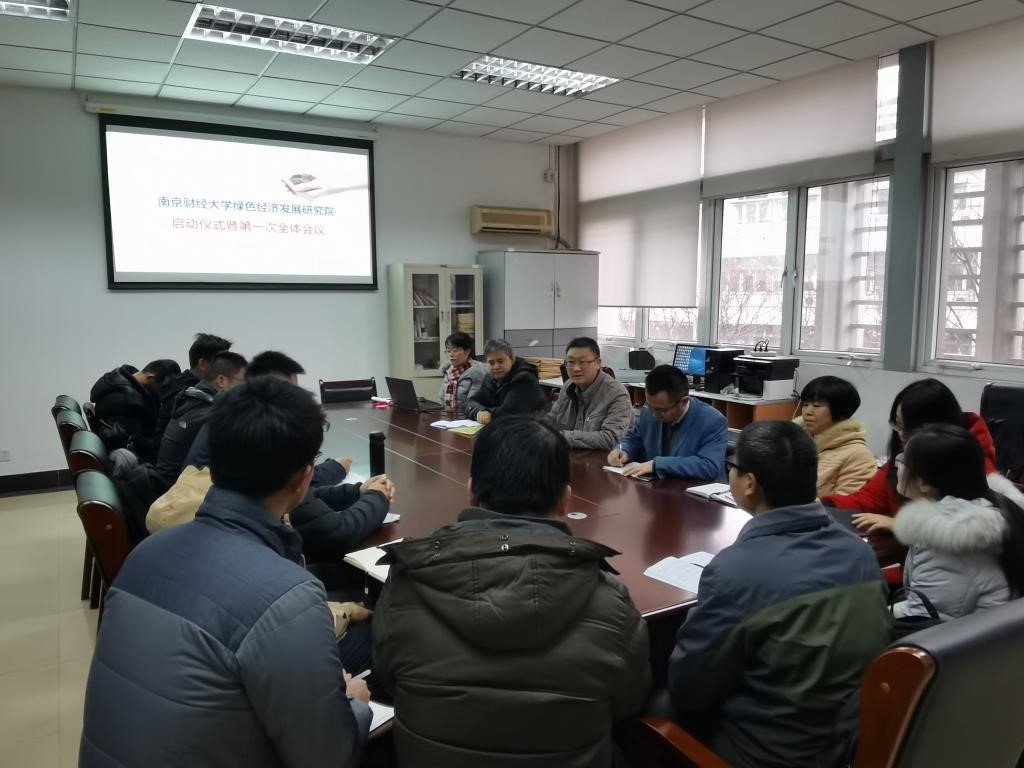
The college established the Nanjing University of Finance and Economics Green Economic Development Research Institute
In recent years, the college's many teaching achievements have won the special prize and first prize of the Jiangsu Provincial Teaching Achievement Award, the Jiangsu Provincial Postgraduate Education Reform Achievement Excellence Award, the third prize of the Ministry of Education's College Micro Course Competition, the second prize of the National Multimedia Courseware Competition and other honors. The "Statistics" course is one of the first batch of "National Quality Resource Sharing Course Projects" in the country, the "Statistics" and "Statistical Model and Experiment" courses are the "National Quality Online Courses" of the Ministry of Education, 3 courses are quality courses for universities in Jiangsu Province, and 6 textbooks are quality textbooks or key teaching materials for universities in Jiangsu Province. During the "Thirteenth Five-Year Plan" period, our school won 2 provincial outstanding master's degree thesis; presided over 2 provincial postgraduate education and teaching reform project projects; won 2 first prizes in the 3rd National Applied Statistics Professional Degree Graduate Case Competition, 1 second prize and 1 third prize; 1 first prize, 2 second prizes and 3 third prizes in the 4th National Applied Statistics Graduate Case Competition; 3 cases were selected into the National Applied Statistics Degree Education and Teaching Case Library.
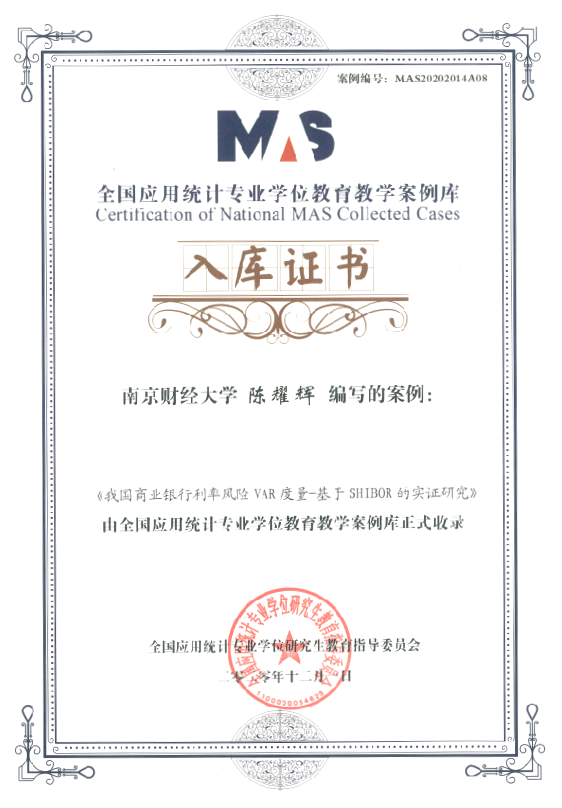
Several cases written by teachers from the college were selected into the National Applied Statistics Professional Degree Education and Teaching Case Library
The college's talent training always focuses on the national strategy and the needs of Jiangsu's economic development. It is based in Jiangsu, faces the Yangtze River Delta region, and radiates across the country. It adheres to the talent training principles of "thick foundation, broad caliber, strong quality, and emphasis on ability." It aims to cultivate high-quality compound talents with profound economic theory, statistical theory and big data analysis capabilities, social responsibility, international vision and innovative spirit. The employment rate and employment level of graduates continue to increase. In recent years, graduate students from the School of Economics have won more than 100 awards in various subject competitions such as the National Statistical Modeling Competition, the National Market Survey and Analysis Competition Finals, the National Applied Statistics Master's Case Competition, and the Jiangsu Province Graduate Scientific Research Innovation Practice Competition, and published more than 150 papers.
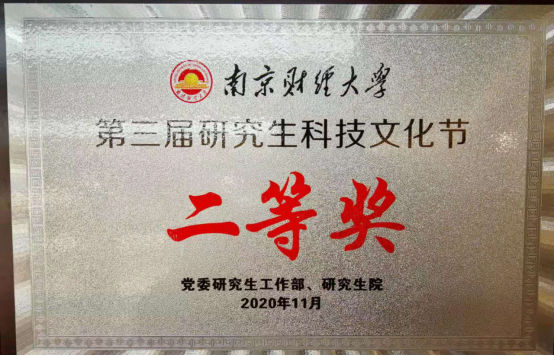
The college won the second prize of the 3rd Postgraduate Science and Technology Culture Festival
During the "Thirteenth Five-Year Plan" period, the school successfully held national academic conferences such as the 19th Annual Conference of the Socialist Political Economics Forum with Chinese Characteristics, the Statistics Professional Collaboration Meeting of the Higher Education Financial and Economic Education Branch of the Higher Education Society, and the National Social Science Fund Project Results Exchange Meeting of the National Enterprise Economic Statistics Society. It also hosted a number of national graduate scientific research and innovation activities such as the National Market Survey Competition, the National Statistical Modeling Competition, and the Applied Statistics Degree Graduate Case Competition. The college also carries out academic activities such as "Biweekly Academic Forum" and "Fund Forum", and invites many nationally renowned experts to teach at the school, actively creating a strong academic atmosphere.
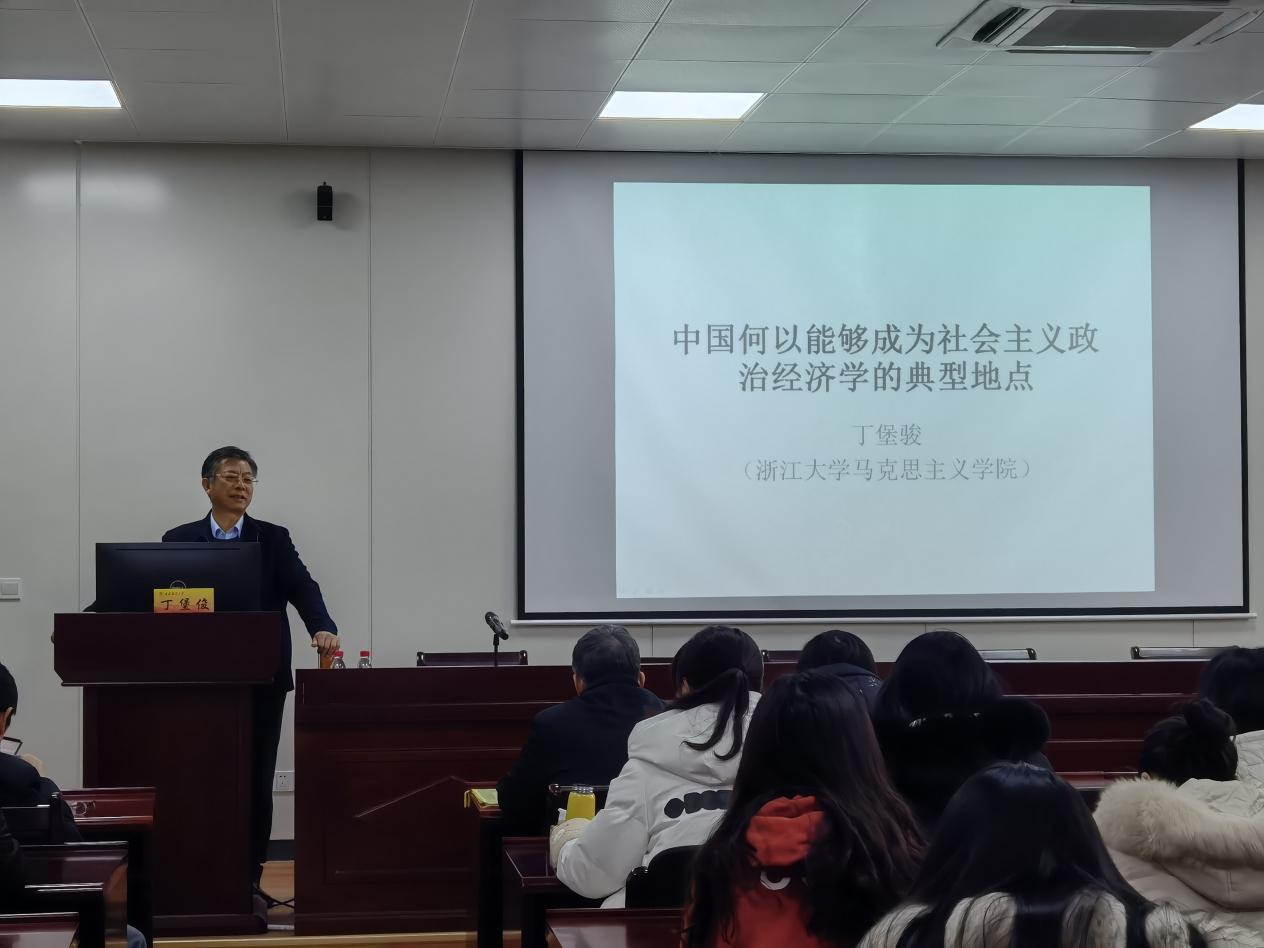
Professor Ding Baojun from Zhejiang University came to our institute to give an academic report
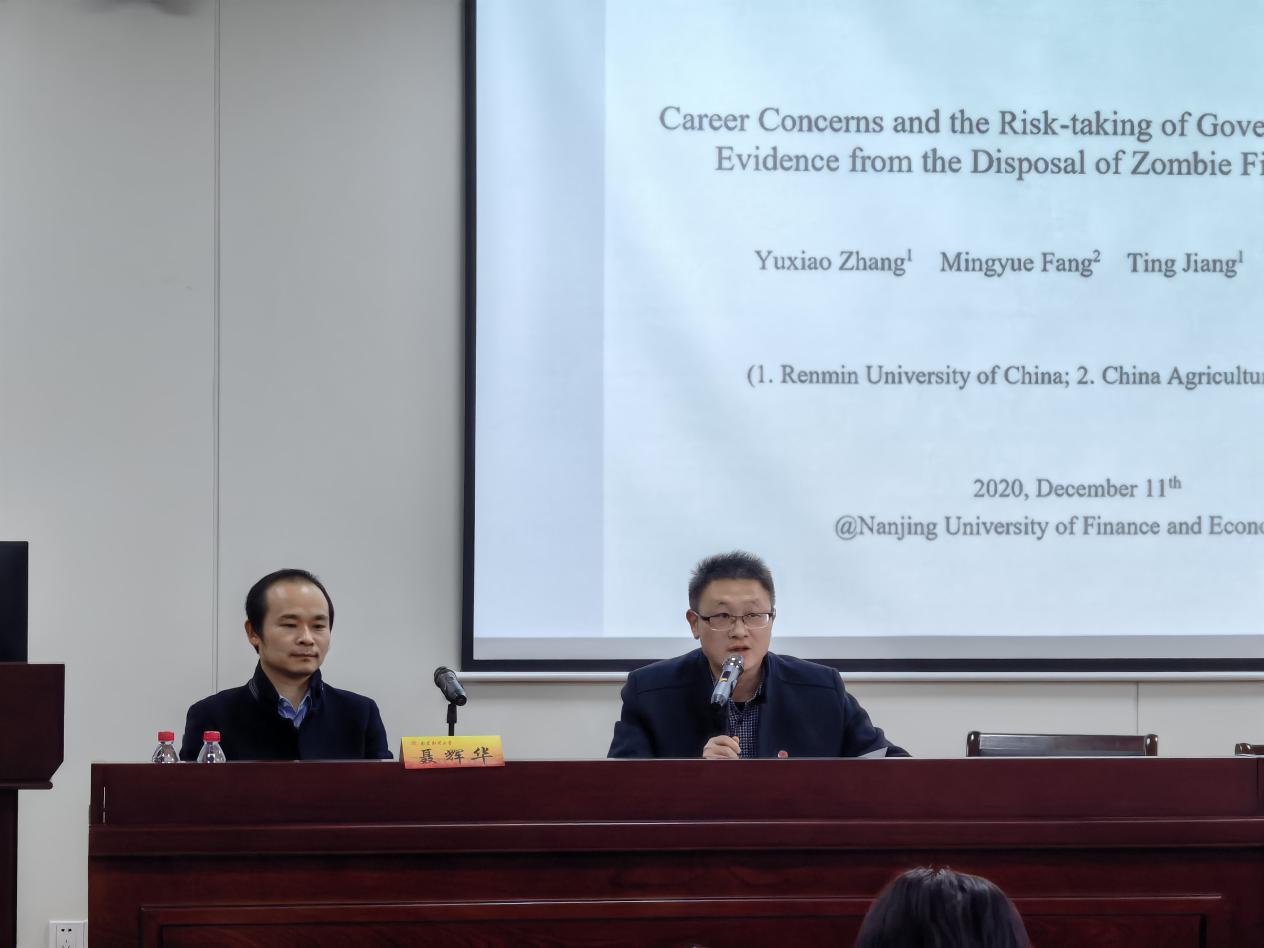
Professor Nie Huihua from Renmin University of China came to our institute to give an academic report
The college attaches great importance to the integration of industry and education, and has established four graduate workstations in Jiangsu Province to promote the all-round integration of supply-side and industrial demand-side elements of talent training, provide high-quality social practice platforms for graduate students, and effectively promote the continuous improvement of the quality of graduate training in our college.
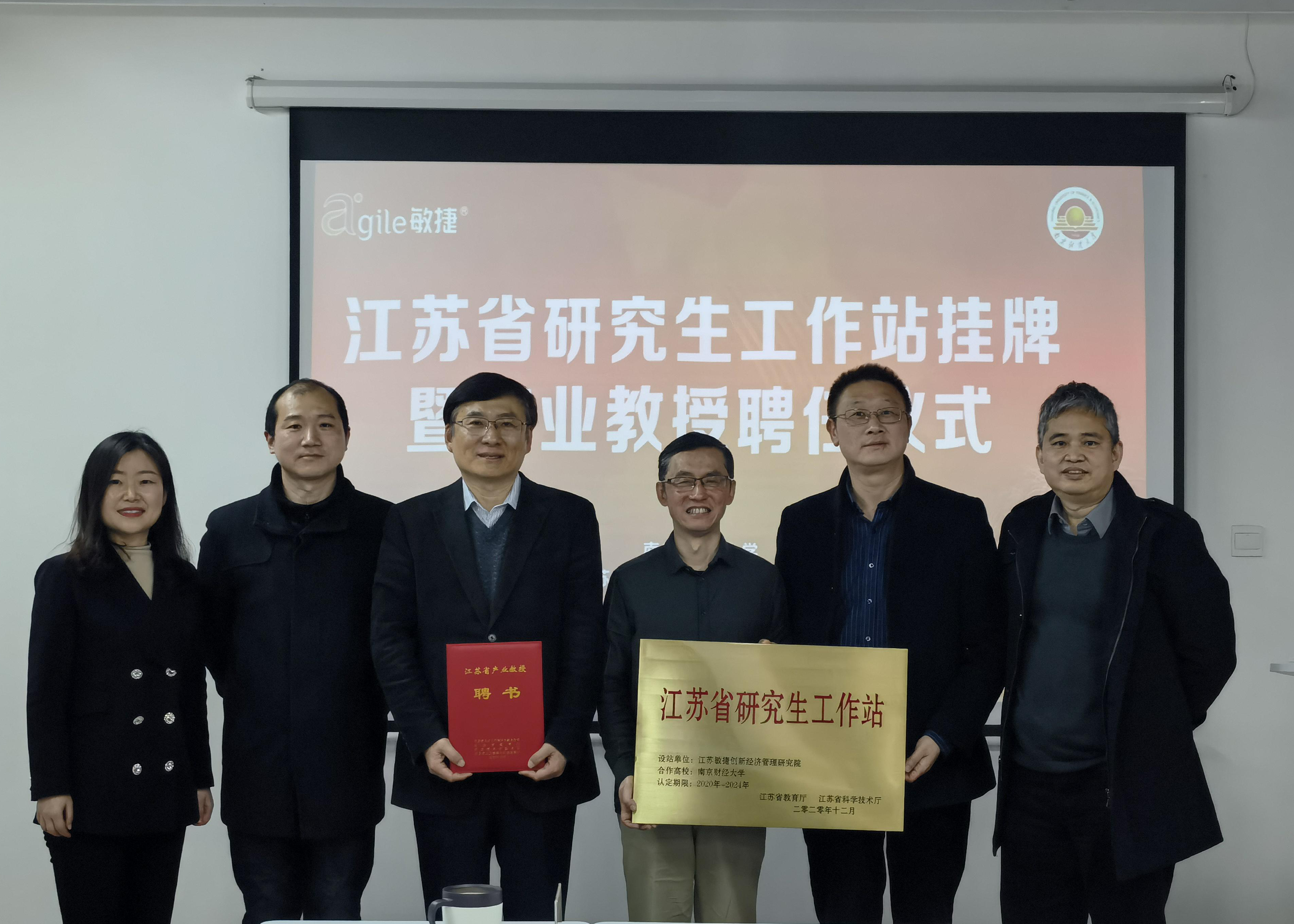
The college held the Jiangsu Provincial Graduate Workstation Listing and Provincial Industrial Professor Appointment Ceremony
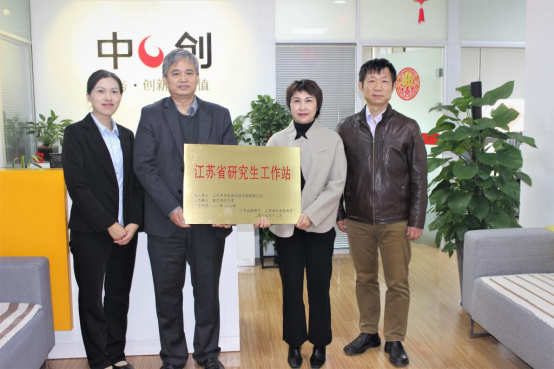
The college held the Jiangsu Province Postgraduate Workstation inauguration ceremony
In July 2018, July 2019 and August 2020, the school hosted the Jiangsu Province Postgraduate "Advanced Microeconometric Analysis" summer school for three consecutive times. WeChat public accounts "Econometric Circle", "Econometrics", "Economic Science News" and Sohu.com and many other news media reported on the enrollment and teaching of the summer school, which attracted great attention and warm welcome from the academic community. The graduate summer school hosted by our school has had a great social impact in academic circles across the country and has gradually developed into a long-term, public welfare graduate training brand project.
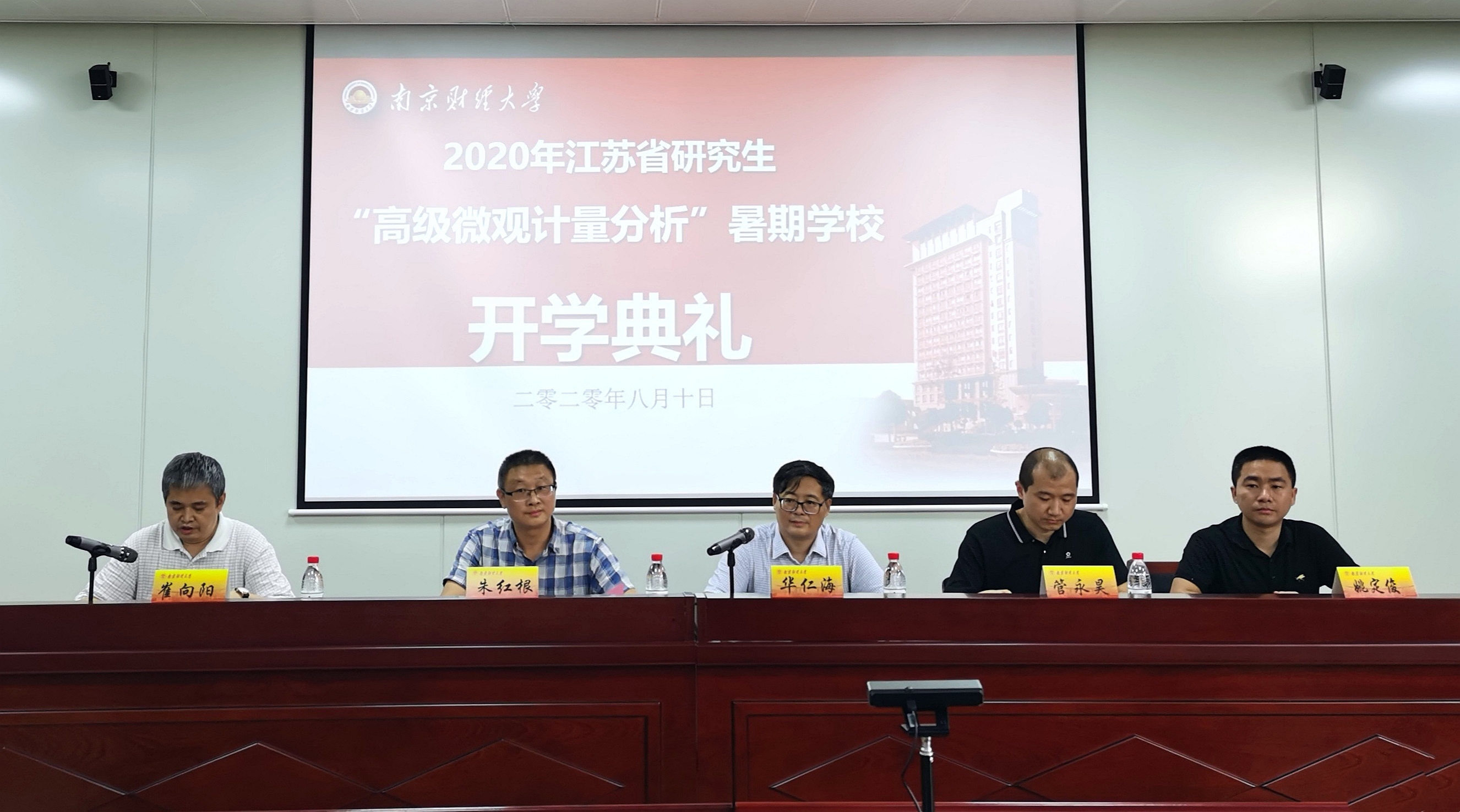
Opening Ceremony of the 2020 Jiangsu Provincial Postgraduate "Advanced Microeconometric Analysis" Summer School
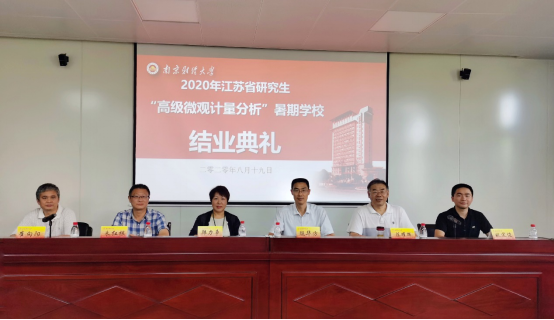
2020 Jiangsu Province Postgraduate "Advanced Microeconometric Analysis" Summer School Graduation Ceremony
3. Introduction to disciplines (majors)
The School of Economics of Nanjing University of Finance and Economics has two first-level master's degree programs: Theoretical Economics and Statistics, six academic master's degree programs in Political Economics, Western Economics, History of Economic Thought, Population Resources and Environmental Economics, Statistics, and Quantitative Economics, and one professional master's degree program in Applied Statistics.
Starting from 2021, in accordance with the unified deployment of the school, our school will recruit students according to the first-level disciplines. There are 4 master's degree enrollment disciplines (majors): theoretical economics (master's degree), statistics (master's degree), applied economics (quantitative economics direction, master's degree), and applied statistics (professional master's degree).
(1) Theoretical Economics (Master's degree, full-time)
Nanjing University of Finance and Economics obtained the right to award master's degrees in the first-level discipline of theoretical economics in 2010. Currently, the theoretical economics discipline is a key (cultivation) discipline in Jiangsu Province. There are 48 full-time teachers, including 18 professors and 30 master's degree supervisors. The theoretical economics discipline has ranked among the top similar disciplines in Jiangsu Province and has formed a certain influence across the country. In the fourth round of discipline evaluation by the Ministry of Education in 2017, the theoretical economics discipline evaluation grade ranked second among similar disciplines in universities in Jiangsu Province.
There are 5 research directions under the first-level discipline of Theoretical Economics: (1) Political Economics. Focus on the study of the basic principles and methods of Marxist economics, actively explore the operation and development laws of the socialist market economy with Chinese characteristics, and promote the Chineseization and modernization of Marxist economics. (2) History of economic thought. Focus on the research, analysis and comparison of the economic thoughts of important influential figures in the history of modern economic thought at home and abroad. It has formed two disciplinary characteristics: the history of Western economic thought and the economic history of the Republic of China. (3) Western economics. Closely connect with China's national conditions and characteristics, and use modern economic research methods to analyze and solve China's actual economic problems. (4) Population, resource and environmental economics. Focus on the study of the coordinated relationship between population, resources and environment, especially the resource, environmental constraints and population migration issues of economic growth in developed areas. (5) Development economics and green development. Focusing on economic development issues in developing countries, it mainly studies issues such as environmental assessment and governance, green energy, green finance, green employment and sustainable development.
(1) Research direction of political economics. Guided by the basic principles and methods of Marxist political economics, drawing on the beneficial achievements of modern Western economic theory, and implementing the principles of combining history and theory, comparison between China and foreign countries, urban and rural coordination, macro (micro) and micro (micro) unity, and combination of qualitative (nature) and quantitative (quantitative) analysis, we study economic theoretical and practical issues in the socialist market economy and modernization construction, as well as new changes in contemporary capitalist economy, and are committed to the contemporary Chineseization of Marxist economics. Master's degree candidates are required to systematically master Marxist economic theory and Western economic theory; understand econometrics, financial economics and other economic management knowledge; be able to use computer technology and quantitative analysis methods, be proficient in a foreign language, and be competent in teaching, research and economic management work. The main employment directions of graduate students are administrative agencies, public institutions, financial institutions and other large and medium-sized enterprises.
(2) Research direction in the history of economic thought. The history of economic thought is one of the six secondary disciplines under the first-level discipline of theoretical economics and is a basic discipline in the economics discipline system. The history of economic thought has professional characteristics such as strong theoretical basis, wide range of knowledge, rich levels, and obvious interdisciplinarity. The research directions of the history of economic thought major include the history of foreign economic thought, the history of Chinese economic thought and the history of Marxist economic thought. Professional courses mainly include "History of Western Economic Thought", "History of Chinese Economic Thought", "History of Marxist Economic Thought", "Historical Materials", "Selected Readings of Classical Books on Western Economics" and "Schools of Western Economics". The study of this subject helps clarify, establish and improve the economics knowledge system of economics majors, and lays a solid foundation for students to further study applied and other theoretical subjects.
(3) Research direction of Western economics. Focus on cultivating graduate students' economic theory level and quantitative analysis ability. Advanced theoretical courses such as “Advanced Microeconomics”, “Advanced Macroeconomics”, “Game Theory and Information Economics”, “International Trade Theory and Policy”, and “Monetary Theory and Policy” are offered, as well as cutting-edge quantitative analysis courses such as “Advanced Econometrics”, “Time Series Analysis” and “Computable General Equilibrium Model”. The systematic and cutting-edge theoretical economics courses have improved the academic level and employment competitiveness of graduate students. Every year, some students are admitted to doctoral programs at famous universities such as Fudan University, Nankai University, Nanjing University, Beijing Normal University, and Shanghai University of Finance and Economics. Specific research directions include microeconomic theory and policy, macroeconomic theory and policy, income distribution and economic growth, etc.
(4) Research direction of population, resources and environmental economics. Population, resource and environmental economics belongs to the second-level discipline of the first-level discipline of theoretical economics. It is a branch of economics that studies the relationship between population, natural resources, and the environment. The content takes the theory of sustainable development as the main line, closely integrates the population development process with resource allocation, environmental policy, sustainable development strategy, etc., establishes a basic theoretical and analytical framework for solving population, resource and environmental economic issues, and evaluates and guides the formulation of relevant policies. The main research directions are population economics, resource and environmental economics, and sustainable development theory.
(5) Research directions of development economics and green development. Mainly studies the laws of economic development, the laws of the relationship between economic development and social development, and the laws of green economy and sustainable development, including agricultural and rural economic development, development economic policies and theories, green economy and sustainable development. The research content takes the theory of development economics as the main line and closely integrates agricultural and rural development, environmental assessment and governance, green energy, green finance, green employment and sustainable development, etc., to cultivate theoretical talents and practical talents who can study specific economic development issues in China's reform and opening up.
(2) Statistics (Master’s degree, full-time)
In 2003, it obtained the right to confer a master's degree in statistics; in 2011, it obtained the right to confer a master's degree in the first-level discipline of statistics. The Department of Statistics is a key construction discipline in Jiangsu Province (2003), a provincial key discipline in the “11th Five-Year Plan”, and a provincial key (cultivation) discipline in the “12th Five-Year Plan” and “13th Five-Year Plan”. It has 4 trainees from Jiangsu Province’s “333 Talent Project”, 1 provincial famous teaching teacher, and 8 trainees from the “Blue Project” of Jiangsu universities. 90% of teachers have doctoral degrees and 48% have master’s degree tutors. It is one of the statistical research bases in Jiangsu Province and an important base for statistical talent training and scientific research in Jiangsu and the Yangtze River Delta region.
The first-level discipline of statistics has three research directions: (1) Social and economic statistics research direction. Combined with the actual social and economic development, carry out application research on modern statistical theories and methods; (2) Big data statistical research direction. Combine statistics, mathematics and computer technology to carry out big data analysis and application research; (3) Research direction of modern financial statistics. Use modern statistical methods to study financial operation issues, study the relationship between financial data and the changes in the data.
(3) Applied Economics (Quantitative Economics, Master's Degree, Full-time)
Quantitative economics is an emerging multidisciplinary interdisciplinary subject. It is a second-level master's degree program under the dominant discipline of applied economics in Jiangsu Province. This subject combines economics, mathematics, statistics and computer technology to study quantitative economic theories and methods, explore various economic quantitative relationships and the laws of their development and changes, conduct economic activity analysis, forecasting and policy analysis, and serve decision-making. The specific research scope includes the following aspects: mathematical economics theory and method, econometric theory and method, and the establishment and use of econometric models, input-output analysis theory and method, economic system optimization theory and method, economic forecasting and decision-making, computer simulation and experiment of economic system, history and development of quantitative economics, economic accounting theory and method and its relationship with adjacent disciplines.
Graduate students trained in this discipline have solid basic economic theories, are proficient in basic methods of mathematics and statistics, and have systematic quantitative economics expertise; can use special software or write computer programs to establish economic models for analysis and prediction in response to real economic problems; understand the development trends of this discipline at home and abroad, master quantitative economic analysis skills, and have strong abilities to solve practical problems and undertake specialized work.
(4) Applied Statistics (Master's degree, full-time)
The English name of "Master of Applied Statistics" is "Master of Applied Statistics", and its English abbreviation is MAS. Our college’s professional master’s degree in applied statistics officially started enrolling students in 2011. The professional master's degree is mainly aimed at the professional needs of the economic, social and industrial sectors and cultivates professionals in specific occupations in various industries. Its purpose is to focus on the application ability of knowledge and technology. It is a specially designed professional master's degree to adapt to the urgent need for applied statistics professionals in the development of modern statistics in my country, improve the applied statistics talent training system, innovate the applied statistics talent training model, and improve the quality of applied statistics talent training.
The training goal of this major is to cultivate high-level, applied statistics professionals for government departments, large and medium-sized enterprises, consulting and research institutions. Master the basic principles of Marxism and the theoretical system of socialism with Chinese characteristics, and have good political quality and professional ethics. Master the basic theories and methods of applied statistics, be proficient in applying statistical analysis software, and have basic skills in collecting, sorting, analyzing, predicting and applying statistical data. Able to independently engage in applied statistics work in practical fields.
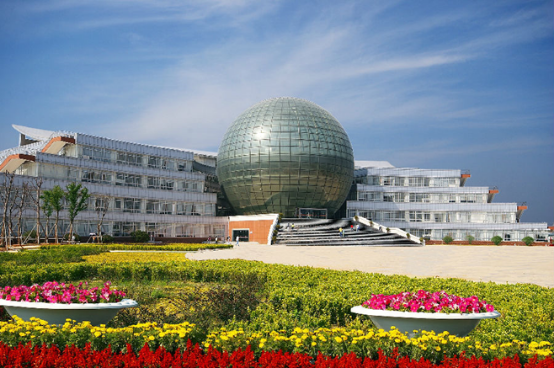
Campus beauty-library
4. Enrollment major catalog and reference books
"Nanjing University of Finance and Economics 2021 Master's Degree Admissions Brochure" and "Nanjing University of Finance and Economics' 2021 Master's Degree Examination Admissions Major Catalog and References" have been published on the school's Graduate School website. Candidates are requested to download and check in time. Website: http://yjsc.nufe.edu.cn.
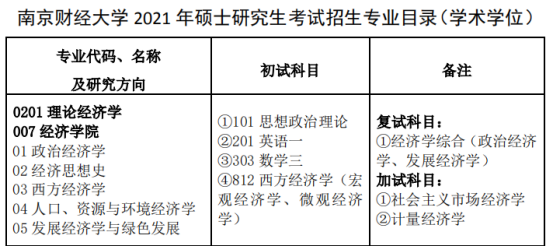
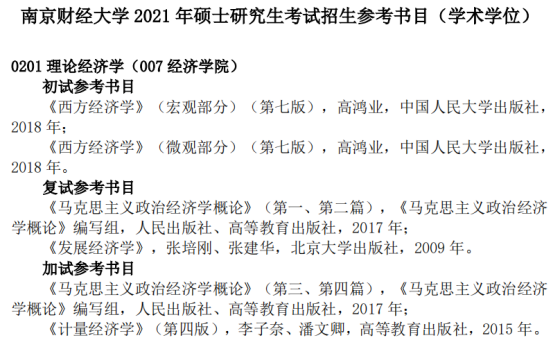
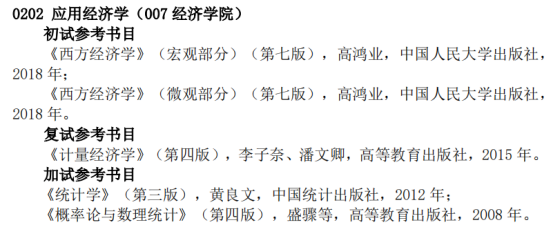
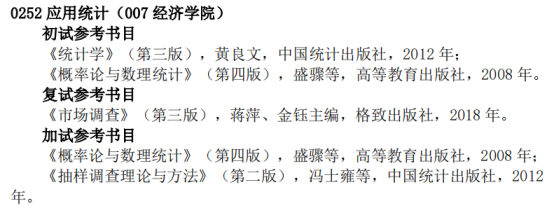
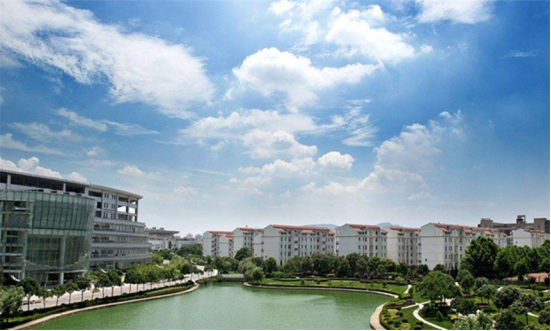
Campus scenery-student dormitory
5. Academic system, tuition fees, accommodation and scholarship system
(1) Academic system
The three academic degrees of our school, namely theoretical economics, statistics and applied economics, last for three years. The academic length for the master's degree in applied statistics is two years.
(2) Tuition fees
1. Academic degree master’s degree students: 8,000 yuan/academic year.
2. Professional degree master’s degree students: 10,000 yuan/academic year.
(3) Accommodation
The four majors in our college are all full-time postgraduate students. The school arranges accommodation within the basic academic system and charges accommodation fees according to the standards approved or registered by the price department.
(4) Award system
National scholarship for master’s degree students, the amount is 20,000 yuan/student.
The national scholarship for master’s degree students is 6,000 yuan/student per academic year.
Scholarship for master’s degree students, coverage is 100%. Among them, the first-class academic scholarship covers 20% and the amount is 12,000 yuan/student; the second-class academic scholarship covers 30% and the amount is 8,000 yuan/student; the third-class academic scholarship covers 50% and the amount is 6,000 yuan/student.
In addition, the school also offers various types of social donation scholarships and scholarships and positions such as research assistants, teaching assistants, and management assistants; students can also apply for national student loans; students from particularly difficult families can apply for hardship subsidies. The specific scholarship system and evaluation methods are implemented in accordance with relevant school documents.
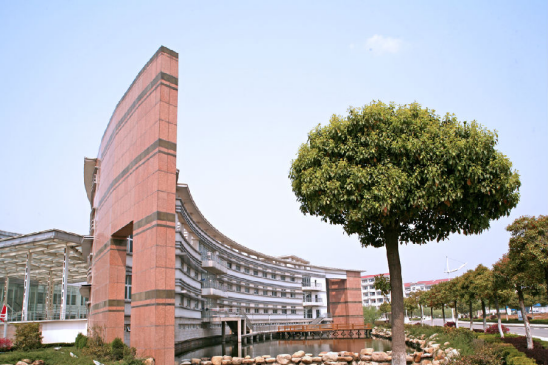
Campus Beauty-College Student Activity Center
6. Employment situation
The main destinations for master's degree graduates from our college are to study abroad, government agencies, and the financial industry. They are mainly employed in government institutions, state-owned enterprises, and the financial industry in the Yangtze River Delta region. The employment rate remains at a high level and the employment level continues to improve.
There are 66 graduate students in our school in 2018, and the overall employment rate so far is 100%. Among them, 11 went abroad for further studies, a rate of 16.67%. The schools where they obtained doctoral degrees include Renmin University of China, Nankai University, Nanjing University, Nanjing University of Aeronautics and Astronautics, Beijing Jiaotong University, Shanghai University of Finance and Economics, Nanjing University of Science and Technology, Jinan University, etc.; 5 were employed in government institutions, compared with The rate is 7.58%. The employment units include the Nanjing Branch of the People's Bank of China, the Nantong Central Branch of the People's Bank of China, the Jiangsu Provincial Institute of Science and Technology Development Strategy, etc.; 17 people are employed in state-owned enterprises, with a rate of 25.76%, including 10 people employed in banking, securities, insurance and other financial industries.
There are 70 graduate students in our school in 2019, and the overall employment rate so far is 100%. Among them, 5 went abroad for further studies, a rate of 7.14%. The schools where they obtained their doctorates include the Party School of the CPC Central Committee (National School of Administration), Nanjing University, Beijing Normal University, Beijing Institute of Technology, and Jinan University; 9 are employed in government agencies and institutions, a rate of 12.86%. The employment units include the People's Bank of China, the State Administration of Taxation, and the Henan Provincial Taxation Bureau. etc.; 26 people are employed in state-owned enterprises, with a ratio of 37.14%, of which 20 are employed in banking, securities and other financial industries. The employment units include Industrial and Commercial Bank of China, China Construction Bank, Bank of Communications, Bohai Bank, China Merchants Bank, Postal Savings Bank of China, Guotai Junan Co., Ltd., Shanghai International Energy Trading Center Co., Ltd., etc.
There are 72 graduate students in our school in 2020, and the overall employment rate so far is 100%. Among them, 2 went abroad for further studies, a rate of 2.78%. The schools where they obtained doctorates include Nankai University and Shanghai University of Finance and Economics; 14 are employed in government agencies and institutions, a rate of 19.44%. The employment units include the People's Bank of China, the Fuyang Municipal Taxation Bureau of the State Administration of Taxation, the Jiangsu Supervision Bureau of the China Banking and Insurance Regulatory Commission, the Organization Department of the Siyang County Committee of the Communist Party of China, etc.; state-owned enterprises There are 10 people employed in the industry, with a ratio of 13.89%, including Jiangsu Ocean Shipping Co., Ltd., China Nuclear Industry Huaxing Construction Co., Ltd., etc.; 27 people are employed in banking, securities and other financial industries, with a ratio of 37.5%. The employment units include Agricultural Bank of China, China Construction Bank, Bank of China, Bank of Communications, Bank of Nanjing, China Guangfa Bank, Postal Savings Bank of China, etc.
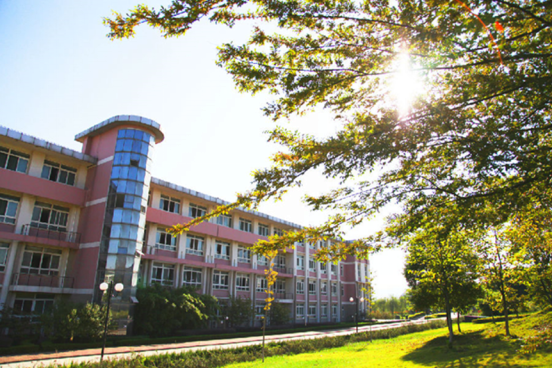
Campus scenery-teaching building
7. Famous Alumni
Our college is one of the earliest colleges in Nanjing University of Finance and Economics to launch postgraduate education. Since recruiting the first master's degree students in 2004, it has trained a large number of high-quality professionals. Graduate students from our college have worked hard to write a magnificent chapter of the times in their respective jobs, and have made outstanding contributions to the country's economic and social development. The following only excerpts the work information of some graduate students from our school for candidates' reference.
(1) Theoretical Economics
Zhu Qianlong graduated from our college with a major in political economics in 2007 and was admitted to Renmin University of China to pursue a doctorate in economics. He is currently the director of the General Division of the Ministry of Industry and Information Technology.
Cai Wanhuan graduated from our school with a major in political economics in 2008 and was admitted to Renmin University of China to pursue a doctorate in economics. He is currently a doctoral tutor and course group leader at the School of Marxism at Tsinghua University.
Zhang Cheng graduated from our college majoring in political economics in 2008 and received doctorates in economics from Renmin University of China and Aichi University in Japan. He is currently a professor and master's tutor at Nanjing University of Finance and Economics. Jiangsu Province's first young social science talents, young job experts, 333 third-level academic leaders and young and middle-aged academic leaders of the Qinglan Project.
Lu Jiang graduated from our college with a major in political economics in 2009 and was admitted to Xiamen University to pursue a doctorate in economics. He is currently an associate professor at the School of Marxism at Zhejiang University. In 2016, he won the first Hong Yinxing Economics Award.
Zhou Bing graduated from our college with a major in Western Economics in 2010 and was admitted to Shanghai University of Finance and Economics to pursue a doctorate in economics. He is currently a senior wealth management consultant at the Bank of Communications Head Office.
Zhang Caiyun graduated from our college with a major in Western Economics in 2012 and was admitted to Nankai University to pursue a PhD in Economics. He currently works at the Institute of Economics, Chinese Academy of Social Sciences, as an associate researcher. Served as an anonymous reviewer for academic journals such as "World Economy", "Nankai Economic Research", and "Financial Research".
Zhang Anchen graduated from our college with a major in Western Economics in 2015 and was admitted to Nanjing University to pursue a doctorate in economics. He currently serves as a senior general secretary in the Jiangsu Branch Office of Bank of Communications.
Wang Yalun graduated from our college with a major in population, resources and environmental economics in 2015. In 2015, he joined Huatai Securities Co., Ltd. as an investment consultant. In 2019, he joined the "Two New" Working Committee of Suzhou High-tech Zone.
Wen Xiaoping graduated from our college majoring in the history of economic thought in 2015 and now works at Nanjing Jianye High-tech Investment Group as an economist.
Yang Senhua, who graduated from our college majoring in the history of economic thought in 2015, is currently the deputy section chief of the Supervision Section of the Comprehensive Management Department of Jiangsu Haisheng Holding Group.
Chen Tao graduated from our school in 2016 with a major in population, resources and environmental economics. He currently works at Jiangsu Jiangnan Rural Commercial Bank Co., Ltd. as a bond research post in the credit approval department of the head office.
Guo Tianyi graduated from our college majoring in the history of economic thought in 2017 and works in the Corporate Finance Department of Jiangbei New District Branch of the Bank of Nanjing. Currently working in the Corporate Finance Department of Jiangbei New District Branch of Bank of Nanjing as deputy director.
(2) Statistics
Han Chunlei graduated from our college in statistics in April 2007 with a master's degree in economics. In September 2016, he graduated from Shandong University majoring in quantitative economics and received a doctorate in economics. Visiting scholar at Fudan University and Monash University, Australia. Currently, he is the director of the Health Statistics Teaching and Research Section of the School of Public Health and Management, Binzhou Medical College, associate professor, and master's tutor. He is the executive director of the Shandong Provincial Society of Applied Statistics, a director of the Chinese Business Statistics Society, a member of the first youth committee of the Biostatistics Branch of the Chinese Society of Preventive Medicine, and a member of the Statistical Theory and Methods Professional Committee of the Chinese Society of Health Information.
Sun Licheng graduated from our college majoring in statistics in April 2007 with a master's degree in economics. In May 2010, he graduated from Nanjing University of Aeronautics and Astronautics, majoring in management science and engineering, and received a doctorate in management. Visiting scholar at the University of Florida, USA. He is currently the director of the Industrial Engineering Department of the School of Management of Jiangsu University, a professor, a doctoral supervisor, and the professional leader of logistics management. Outstanding young backbone teachers of Jiangsu Province’s “Qinglan Project”. He is a researcher at the Institute of Energy Soft Science of Nanjing University of Aeronautics and Astronautics, a director of the Energy Economics and Management Research Branch of the China “Dual Law” Research Association, and a review expert for the National Natural Science Foundation.
Tang Yan graduated from our college with a major in statistics in June 2008. In September of the same year, he entered the statistics major at Renmin University of China to pursue a doctoral degree. In August 2010, he went to the Sociology Research Center of the University of Michigan for exchange studies. After graduating from the Ph.D., he joined the National Information Center and now works at the Information Center of the Civil Aviation Administration of China as an associate researcher at the R&D Center.
Sun Jiling graduated from our college majoring in statistics in June 2014 with a master's degree in economics. He later graduated from the Graduate School of the Chinese Academy of Social Sciences majoring in quantitative economics. He is currently a researcher, temporary vice president, and associate professor at the China Institute of Data Science for Disabled Persons. His main research directions are social welfare for persons with disabilities and big data. He has presided over 2 National Social Science Foundation projects, 2 provincial and ministerial level scientific research projects, published more than 20 academic papers, and won 6 scientific research awards.
8. Contact information
During each stage of the graduate admissions examination, the school will publish announcements, notices and precautions on the Graduate School website. Candidates are advised to pay attention to the website of the school’s graduate school and the WeChat official account of the school’s graduate school admissions office (WeChat ID “Nanjing University of Finance and Economics Graduate Admissions”).
Candidates are welcome to browse online or make inquiries by phone!
Unit code: 10327
Nanjing University of Finance and Economics website: http://www.nufe.edu.cn
Nanjing University of Finance and Economics Graduate School website: http://yjsc.nufe.edu.cn
Contact person and telephone number of the school’s research and recruitment office:
Teacher Wang: 025-86718872
Teacher Gu: 025-86718661
Teacher Xu: 025-86718873
Nanjing University of Finance and Economics School of Economics website: http://jjxy.nufe.edu.cn/
Contact person and telephone number of the Graduate Affairs Office of the School of Economics, Nanjing University of Finance and Economics:
Teacher Lu: 025-86718201
Welcome to apply for the School of Economics of Nanjing University of Finance and Economics! I wish all your wishes come true and immediate success!