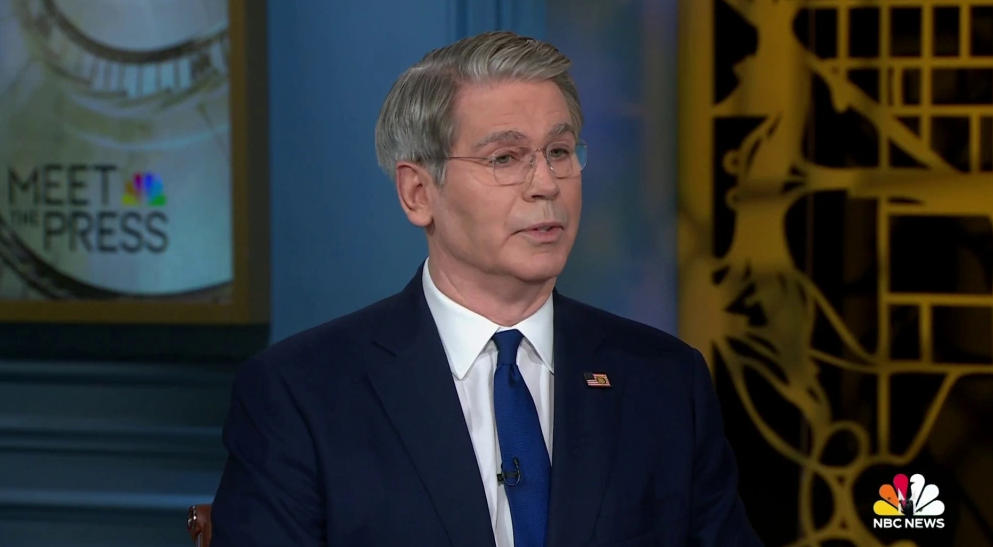
"Our military is always prepared, in fact, we have recently been preparing for the possibility of military aggression," DeCosio said. "Looking at what is happening around the world, we would be naive if we did not consider the possibility of conflict."
But at the same time, DeCosio also pointed out that Cuba "sincerely hopes that this will not happen" and "we don't understand why it has to happen, and we can't find any reason."
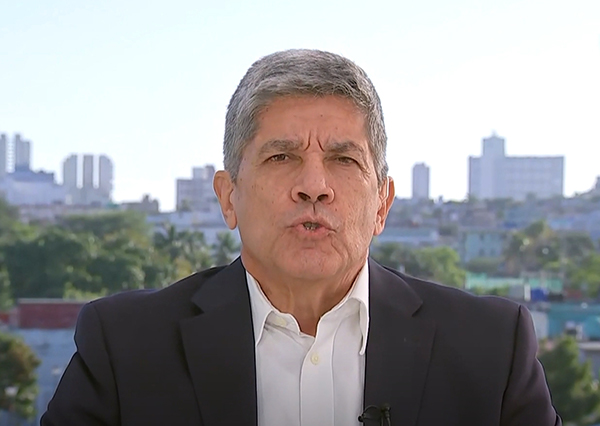
Screenshot of DeCosio's video on NBC's "Conversations with the Press" broadcast on the 22nd
After invading Venezuela in January and kidnapping Maduro and his wife, the Trump administration in the United States has repeatedly issued threatening signals of "invading Cuba and achieving regime change." NBC analysis stated that considering Maduro’s close relationship with the Cuban leadership, Trump’s military action against Venezuela is regarded by the outside world as indirect pressure on Cuba.
At the press conference after the operation, Trump and US Secretary of State Rubio publicly stated that they would not rule out the possibility of military intervention in Cuba. Rubio even threatened at the time: "If I lived in Havana and worked in the government, I would be worried."
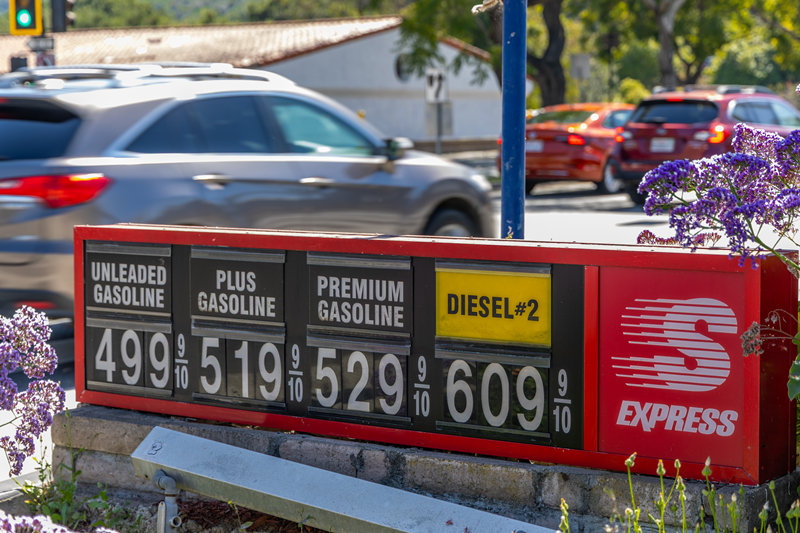
In addition to military threats, the United States also continues to exert pressure through economic means. Under the long-term blockade by the United States, Cuba's energy supply is already very tight, and residents on the island often experience power outages. Venezuela used to be Cuba's largest oil supplier, but as the United States invaded Venezuela and took control of its oil industry, Cuba's oil supply was almost cut off.
Trump also signed an executive order threatening to impose tariffs on countries that provide oil to Cuba. The Los Angeles Times mentioned on March 22 that the Trump administration’s recent tough measures in Latin America through tariffs and military intervention have also worried allies who might have extended a helping hand to Cuba. Mexico, Brazil and Colombia have all recently been cautious about sending emergency fuel to Cuba for fear of angering Trump.
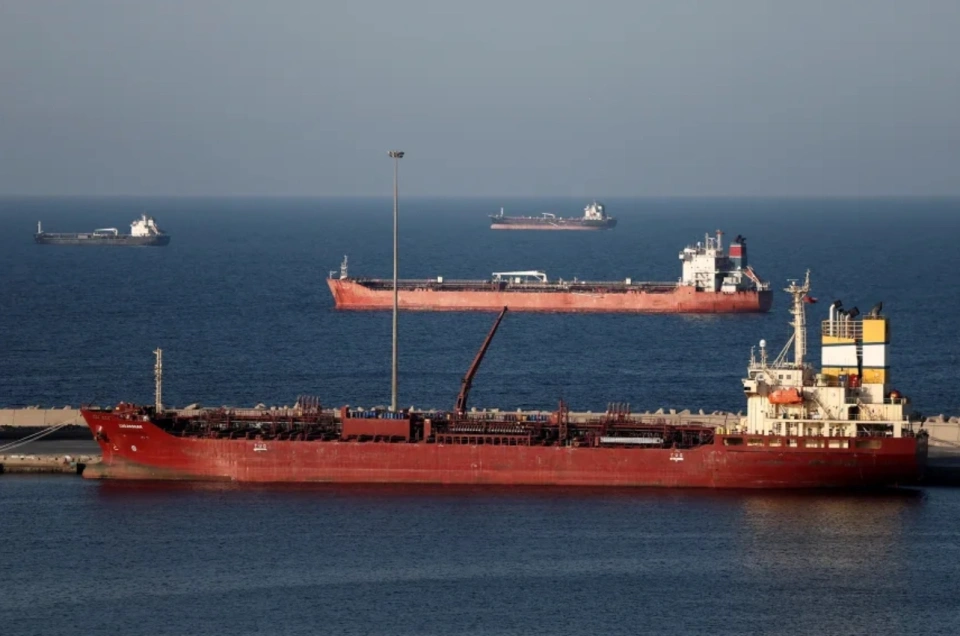
According to the British "Guardian" report, Cuba's power grid collapsed again on the 21st. This was the country's third nationwide power outage in March. The power outage seriously disrupted the daily life of the Cuban people. Millions of people faced unstable power and water supply problems, and hospitals were forced to cancel operations. The Los Angeles Times stated that a Russian tanker carrying about 750,000 barrels of crude oil is currently heading to Cuba and is expected to arrive at the end of this month, but there is still uncertainty as to whether the United States will intercept it.
At the same time, Cuba is negotiating with the United States to find a solution to existing bilateral differences. Cuban President Diaz-Canel revealed that negotiations are still in the "initial stage" and the two countries are still a long way from reaching any type of formal agreement. He admitted that no fuel has entered Cuba for three months. This has led to a decline in diesel and fuel oil reserves, making Cuba's power grid increasingly "unstable" and affecting the country's communications, education and transportation with "huge consequences."
In the latest US media interview, DeCosio bluntly stated that the current oil blockade facing Cuba is the result of the US aggression against Cuba, but this "cannot last forever."
"The current situation is that the United States is threatening to take coercive measures against countries that may export fuel to Cuba, which is why Cuba has been unable to obtain fuel for a long time." DeCosio pointed out, "The situation is very serious, and we are proactively responding to this crisis. We hope that the fuel will eventually reach Cuba in some way, and we also hope that this boycott implemented by the United States will not last too long, let alone last forever."
Trump escalated his political threats against Cuba in early March. He declared that Cuba "will soon collapse" and that its leaders are "desperate for a deal." On the 16th, Trump also said, "I'm sure I will be lucky enough to take Cuba" and "I can do whatever I want to him."
The New York Times disclosed on the same day that the Trump administration is trying to oust Díaz-Canel. Rubio denied relevant reports, but he said that "the people in power (Cuba) don't know how to solve (Cuba's economic problems), so they have to replace them with power."
In this regard, DeCosio emphasized, "We don't know what they are talking about. But what is clear is that Cuba is a sovereign country and has the right to maintain its sovereignty."
He also refuted Rubio's statement and said regime change was not within the scope of negotiations between the two countries. "The nature, structure and composition of the Cuban government are outside the scope of negotiations and will not be negotiated by any sovereign state," DeCosio said.
Asked whether Cuba would consider a multi-party system in the future, DeCosio criticized the U.S. political system and said the issue was Cuba's internal affair.
"This is Cuba's internal affair." He said sarcastically, "Only two political parties in the United States can govern. Are they ready to negotiate so that 10 political parties have equal opportunities to run for president and enter Congress? I believe the United States will not negotiate with any country on this."