In an interview on March 22, local time, U.S. Treasury Secretary Bessent once again defended the military action against Iraq, proposing the logic that "sometimes escalation is necessary to achieve de-escalation" and at the same time sending a tough signal that troops may be sent to control Khark Island. This logic was bluntly refuted by U.S. Democratic congressmen: "They seem to have never read the history books."
This statement comes as the Trump administration is increasing pressure on Iran. On the one hand, it threatens to attack energy infrastructure and requires Iran to reopen the Strait of Hormuz. On the other hand, it announces the easing of some oil sanctions on Iran to ease the pressure of rising global energy prices. Iran has warned that if its energy infrastructure is attacked, it will close the Strait of Hormuz indefinitely and retaliate.
"Upgrade for downgrade"
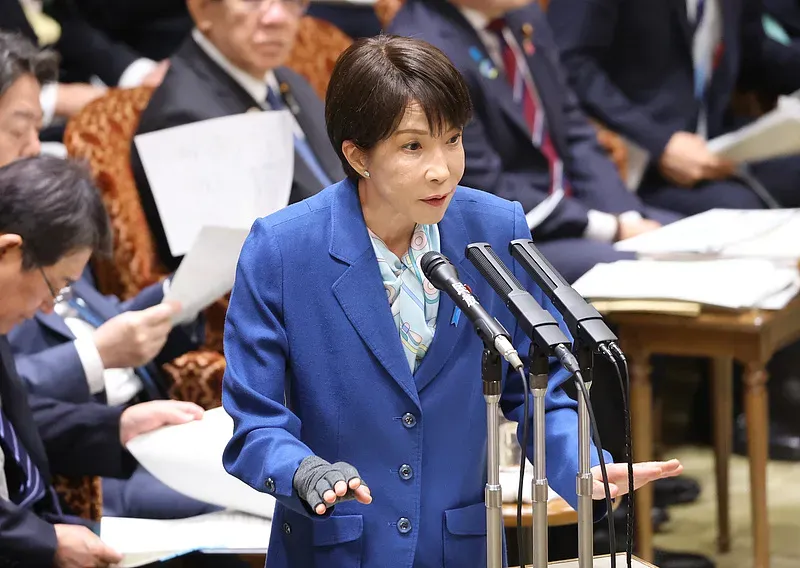
Bessant made the statement during an interview with NBC's "Meet the Press" program. He argued that there is no contradiction between "escalation" and "deescalation" in the current U.S. policy toward Iran.
"They are not mutually exclusive. Sometimes you have to upgrade before you can eventually downgrade," he said.
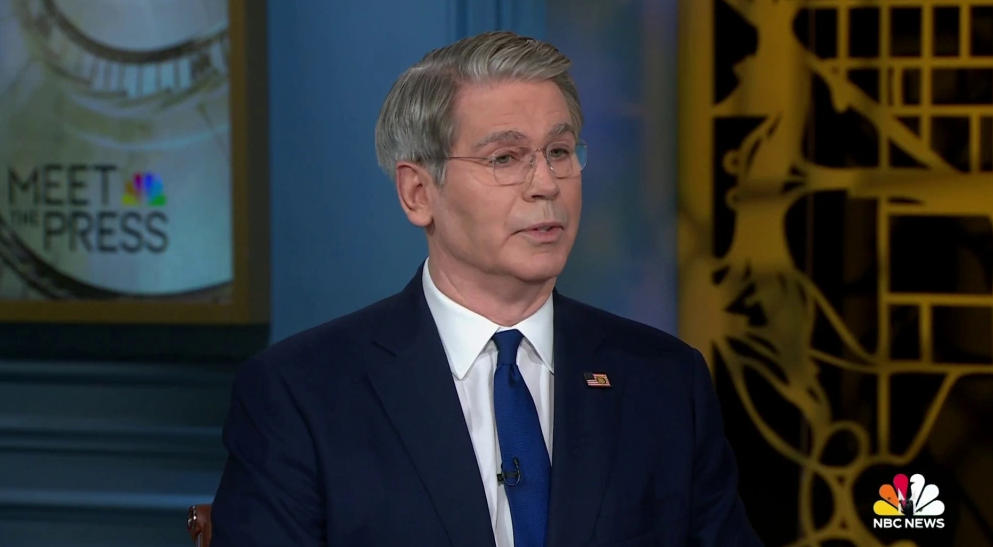
Bessant interviewed by NBC News
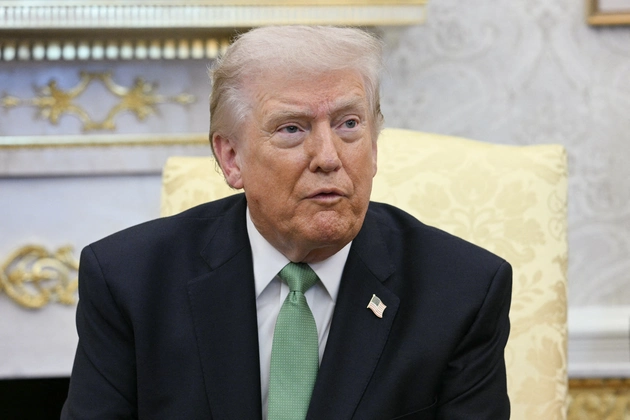
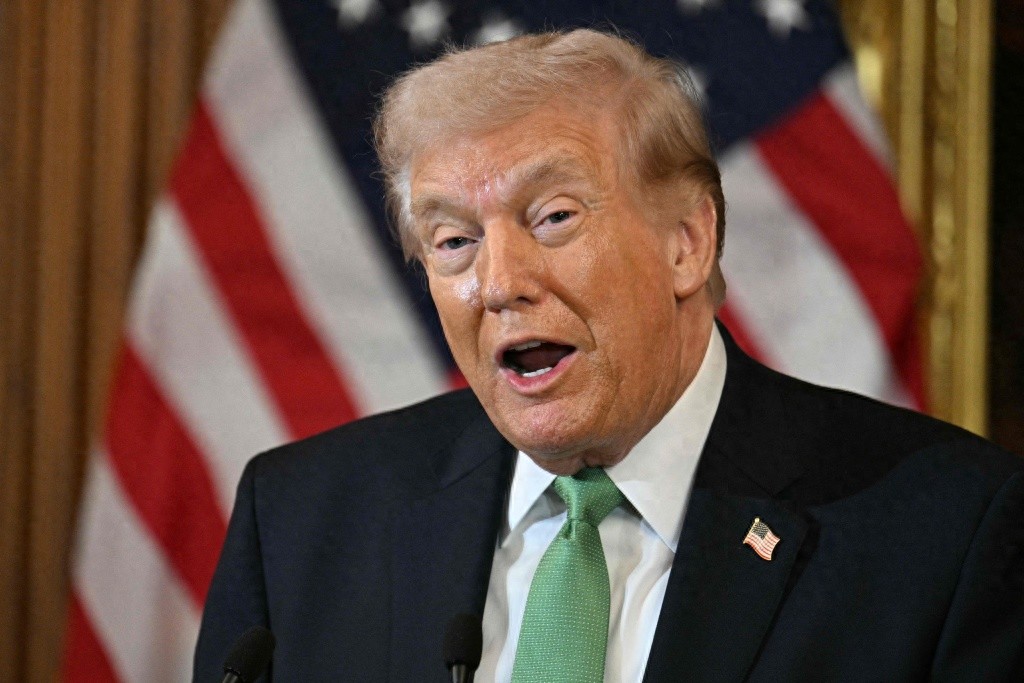
This statement follows a tough warning from US President Trump. Just a few hours ago, Trump posted on social platforms that he had issued a "48-hour ultimatum" to the Iranian leadership, requiring it to reopen the Strait of Hormuz, otherwise the United States would launch an attack on Iran's energy infrastructure.
Trump wrote in the post that if Iran does not take action, the United States will "strike and destroy its various power facilities, starting with the largest."
Bessant publicly defended Trump's choice of words, saying it was "the only language Iranians understand."
At the same time, Iran responded quickly. According to the Iranian National News Agency (IRNA), an Iranian military spokesman warned that if the United States launches an attack on Iran’s energy infrastructure, Iran will attack the fuel, energy, information technology systems and desalination facilities of the United States and its regional allies.
According to CNN, the Iranian military also stated that once the United States attacks its energy facilities, Iran may close the Strait of Hormuz indefinitely and will not reopen it until the damaged or destroyed facilities are rebuilt.
Iran also threatened to expand its attack scope to include Israeli energy and communications infrastructure and may target "similar companies with American shareholders in the region."
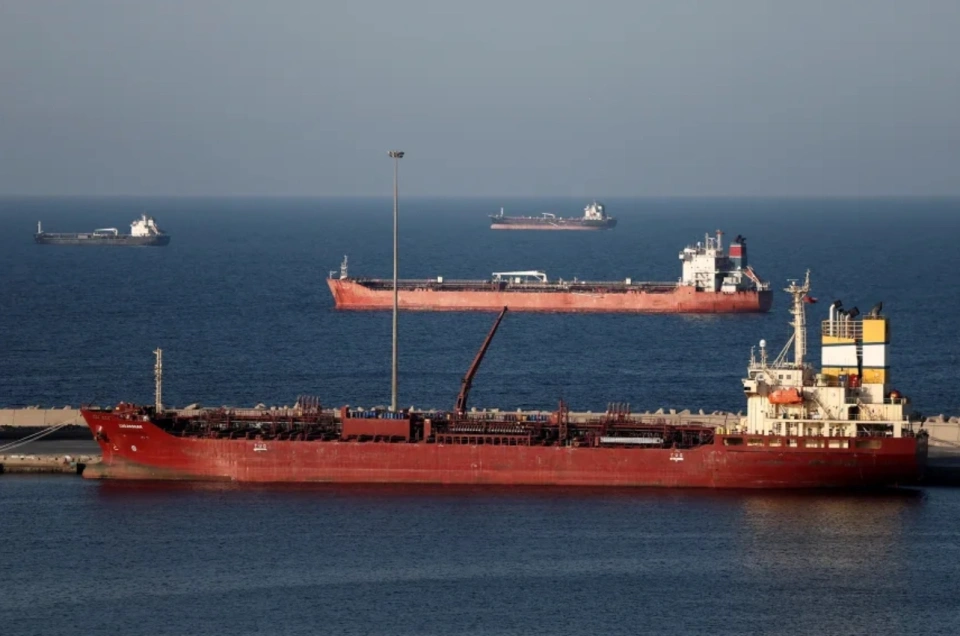
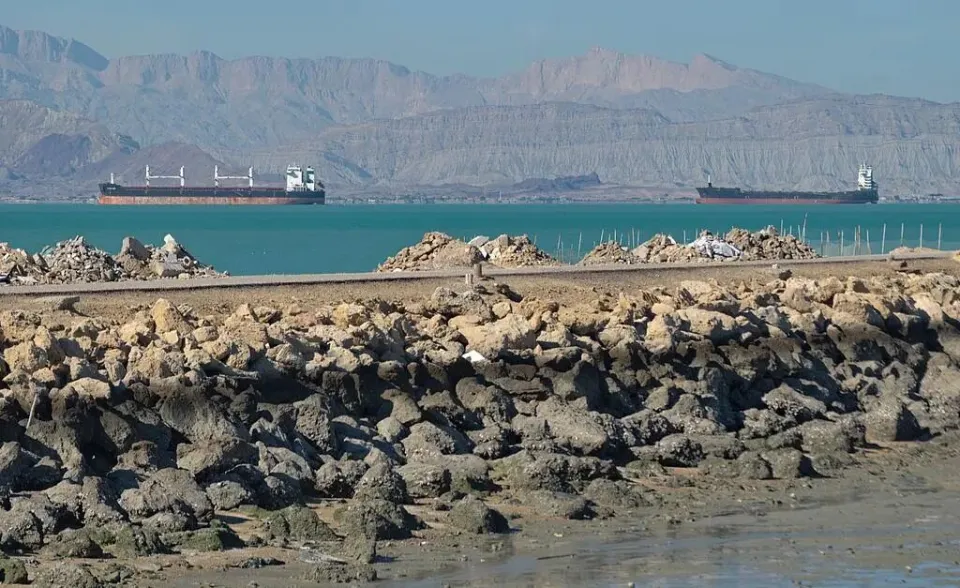
The Strait of Hormuz is one of the world's most important energy transportation channels, responsible for about one-fifth of global oil and natural gas transportation. Since the conflict began, restricted access to the strait has had a significant impact on global energy markets, with oil prices experiencing sharp fluctuations.
The Associated Press (AP) noted that despite Trump and his allies’ insistence, they have always been prepared for Iran’s possible blockade of the strait. However, Trump's erratic strategy has triggered a wave of criticism that he rushed to war without a clear exit plan and is now scrambling to find a response.
“Trump has no plan to reopen the Strait of Hormuz, so he is threatening to attack civilian power plants in Iran,” Sen. Ed Markey, D-Mass., warned, “This would constitute a war crime.”
"He has lost control of the war and is panicking," said Sen. Chris Murphy, D-Conn.
Jeffrey Cohen, a law professor at Texas Tech University, a retired Army lieutenant colonel, and a former military lawyer, noted that Trump's post did not look like a document that had undergone careful legal scrutiny to justify an attack on civilian infrastructure.
"It does give a sense of – prepare, fire, aim again," Cohen said of Trump's changing tactics. "He's overestimating his ability to control the situation after unleashing this torrent of violence."
Cohen said such a large-scale attack would likely constitute a war crime. For military leaders, this could force a choice: obey orders to carry out war crimes or refuse orders and face criminal sanctions for willful disobedience.
Will Khalk Island become a US asset?
At the military level, the United States has recently continued to advance its strikes against Iran. Trump previously stated in an interview with NBC that the US military had "totally destroyed" military facilities on Iran's Khark Island, but deliberately avoided damaging energy pipelines.
"As you know, I did not take action on the energy lines because that would take years to rebuild," he said.
However, Trump later added that the United States "may fight a few more times, just for fun." This statement attracted attention from the outside world.
Khark Island is one of Iran's most important oil export hubs, about 24 kilometers away from the Iranian mainland. U.S. officials previously told the media that the White House is evaluating whether to send troops to the island to ensure the safety of related energy facilities.
In this regard, Bessant said in the interview that "all options are on the table," including sending US troops to control the islands.
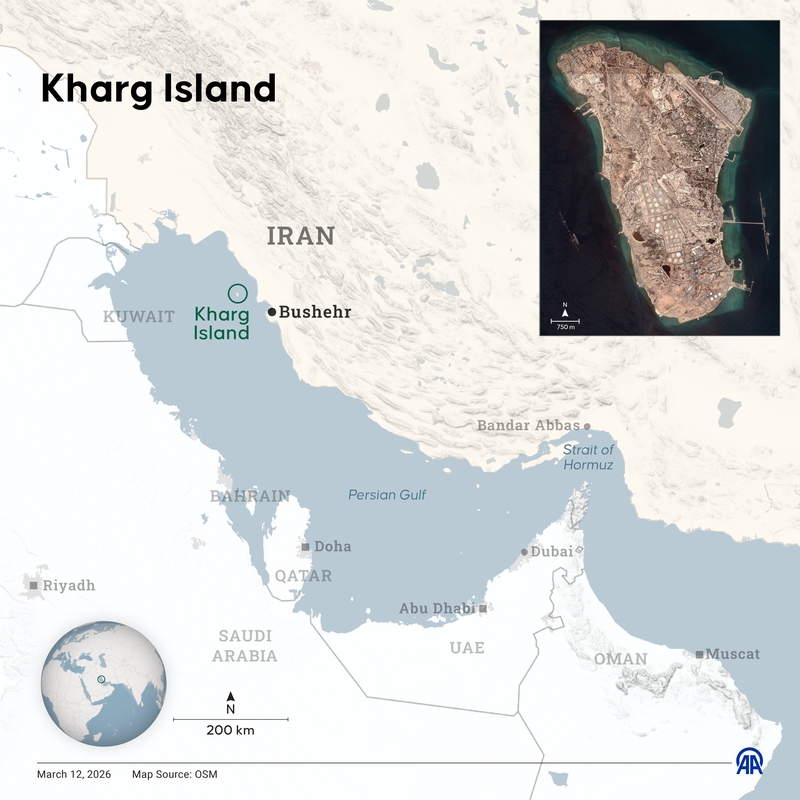
The location of Khalk Island
In a previous interview with Fox Business Channel, he said that "military assets on Khark Island have been destroyed" and said, "We will wait and see whether it will eventually become a U.S. asset." However, he did not further explain the specific meaning of this statement.
While maintaining military pressure, the U.S. government is also taking actions on energy policy to ease market pressure.
The U.S. Treasury Department announced last week that it would allow the sale of Iranian oil currently stranded at sea. Bessant said the measure would "quickly deliver approximately 140 million barrels of oil to global markets" to ease supply pressure caused by tensions.
He said the oil "would have been sold" and often traded at a discount.
"This oil would have entered the market," Bessant said.
As for why Iran was allowed to sell oil during the conflict, Bessant said the move helped drive down oil prices, thereby reducing Iran's revenue from oil sales.
"If oil prices rise to $150, can they get 70% of the proceeds, or is it better if oil prices are below $100?" he asked rhetorically.
Bessant also said the measure would help U.S. Asian allies such as Japan, South Korea, Indonesia and Malaysia cope with rising energy prices.
"They seem to have never read a history book"
At the diplomatic level, the United States is working hard to coordinate with its allies on plans to reopen the Strait of Hormuz. Trump previously said that he was working with international allies to formulate relevant plans.
However, the specific content of the relevant plans is currently unclear.
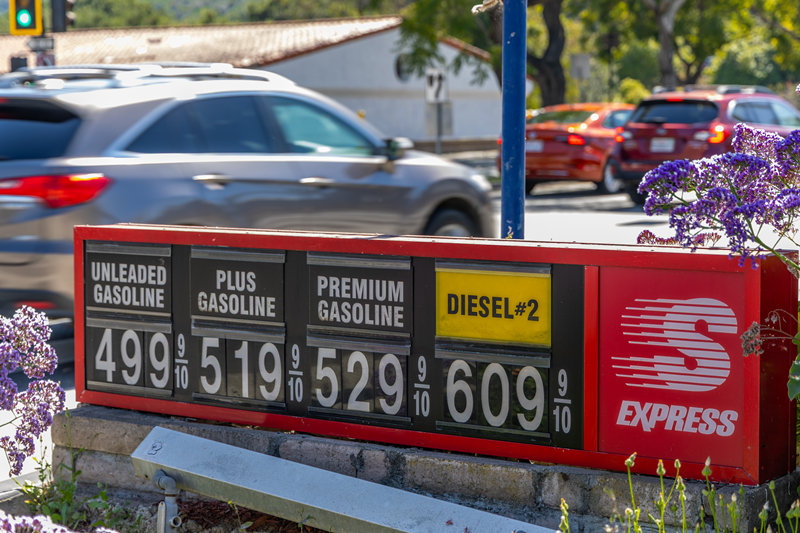
Affected by the epidemic, global energy prices continue to rise, and domestic gasoline prices in the United States have also increased significantly.
Bessent said in the interview that it is currently impossible to determine when oil prices will fall back.
"I don't know if it's 30 days, 50 days or 100 days."
He also argued that "these short-term costs are worth it" if Iran's nuclear threat can be eliminated and long-term stability achieved.
It is worth mentioning that the former Iranian Crown Prince Reza Pahlavi, who has been exiled overseas for a long time, also called on the United States and Israel to avoid attacking Iranian civilian infrastructure.
He said on social media that the infrastructure "belongs to the Iranian people and the future of a free Iran."
The Trump administration’s Iran policy has set off a wave of domestic opposition. Analysts believe that rising oil prices have also put pressure on U.S. domestic politics and may have an impact on the upcoming midterm elections.
Democratic Congressman Murphy publicly criticized government policies when appearing on the same NBC program, saying that the current situation is "getting out of control" and pointed out that rising energy prices are affecting the American people.
"This war is getting out of control and prices are rising," he said.
"They seem to have never read history books." In response to Bessant's statement of "escalation in exchange for deescalation," Murphy said that this logic ignores historical lessons and is reminiscent of the Vietnam War and the Afghanistan War.
"It's like what we said during the Vietnam War, and it's like what we said for 20 years in Afghanistan."
"We need to end this war," he said.