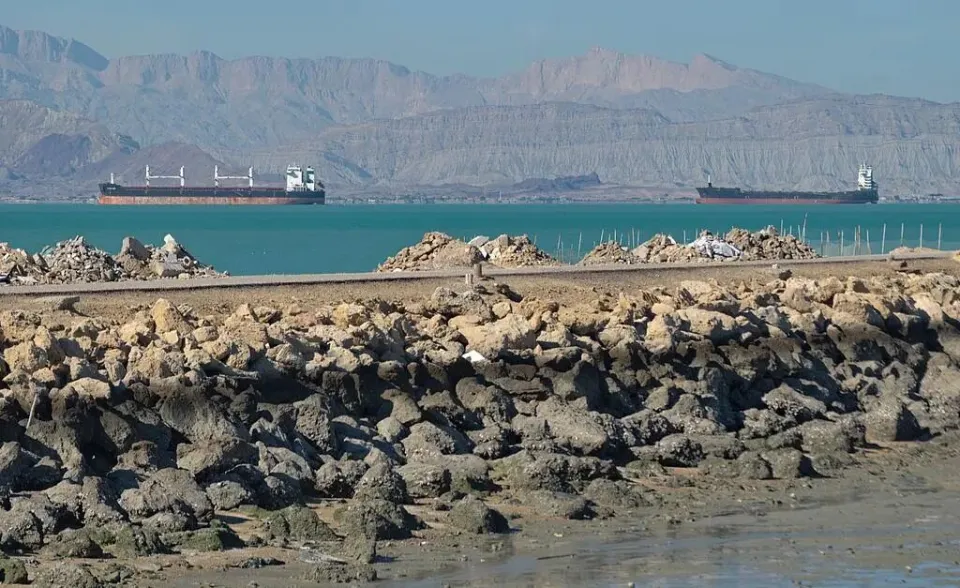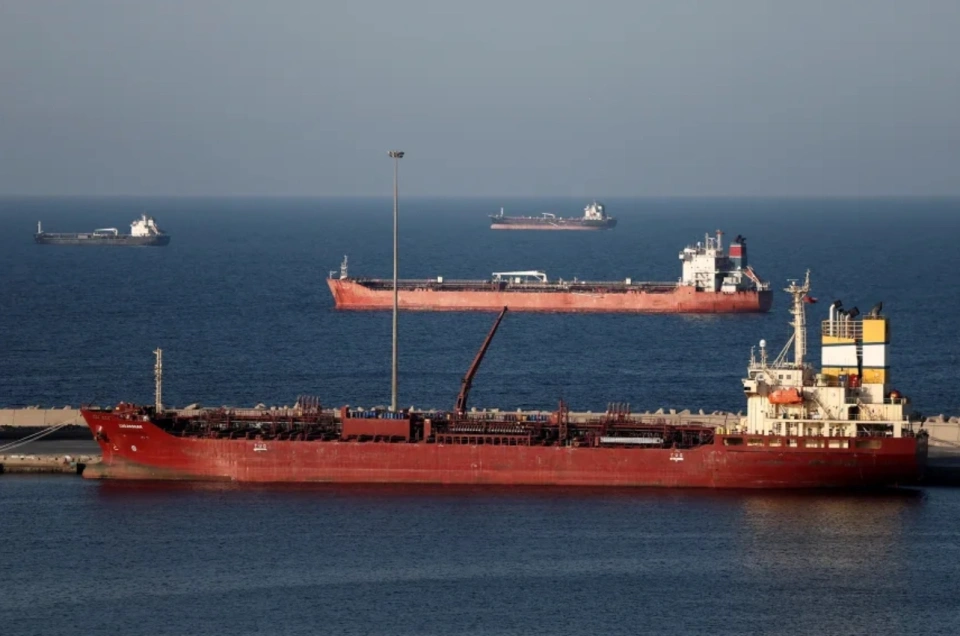
Japan's foreign minister warned that if a ceasefire is reached in the Gulf, Japan may send troops to clear mines in the Strait of Hormuz.
As the situation in the Middle East continues to be volatile and the security of energy channels is at risk, the Japanese government is intensively studying its strategic response.
According to a report by Japan's Fuji TV on Sunday, Japanese Foreign Minister Toshimitsu Motegi said on the program that if the current conflict can reach a ceasefire, the Japanese government may consider sending the Self-Defense Force to the Strait of Hormuz to perform mine clearance missions.
Foreign Minister’s Statement: It’s not a groundless “hypothesis”
Regarding the possibility of sending troops overseas, which is of great concern to the outside world, Motegi Toshimitsu gave a cautious but clear signal in the program. "This is purely hypothetical, but if the ceasefire were to take effect and landmines were causing problems, I think we would have to look at that at that time," he noted.
This statement is seen as a major change in Japan's posture in the face of energy security red lines. Analysts believe that as the threat of mines in the strait increases, Japan, as a major global energy consumer, can no longer sit back and watch.
Energy crisis looms: Oil prices hit multi-year highs
Japan's extreme dependence on Middle Eastern energy is the core driving force behind its minesweeping initiative. Data shows that more than 90% of Japan’s crude oil imports originate from the Middle East. This dependence on the Gulf region has further deepened since Russia's invasion of Ukraine in 2022, which caused Japan to significantly reduce its energy dependence on Russia.
At present, domestic fuel prices in Japan have climbed to multi-year highs, with the average price soaring to 190.9 yen (approximately US$1.20) per liter this week. This knock-on effect is expected to bring broader inflationary pressures.
Tokyo uses strategic reserves to stabilize public sentiment
Although Japan currently has strategic oil reserves equivalent to more than 254 days of consumption, the deterioration of the situation has forced Tokyo to start using these "household resources." It is reported that the Japanese government has used reserves to stabilize supply, stabilize prices and ease public panic. Once the Strait of Hormuz is blocked by mines for a long time, Japan's energy lifeline will face an unprecedented test.
Share this story in your circle of friends; follow "People Who Follow Big Events" to learn about global hot spots every day!