According to Japanese media reports quoted by Global Network, Japanese Prime Minister Takaichi Sanae shrugged in his parliamentary defense recently and responded lightly to Japanese Communist Party Senator Taku Yamazoe’s question about why he only condemned Iran but not the United States and Israel with the sentence “Because I want to see Trump.
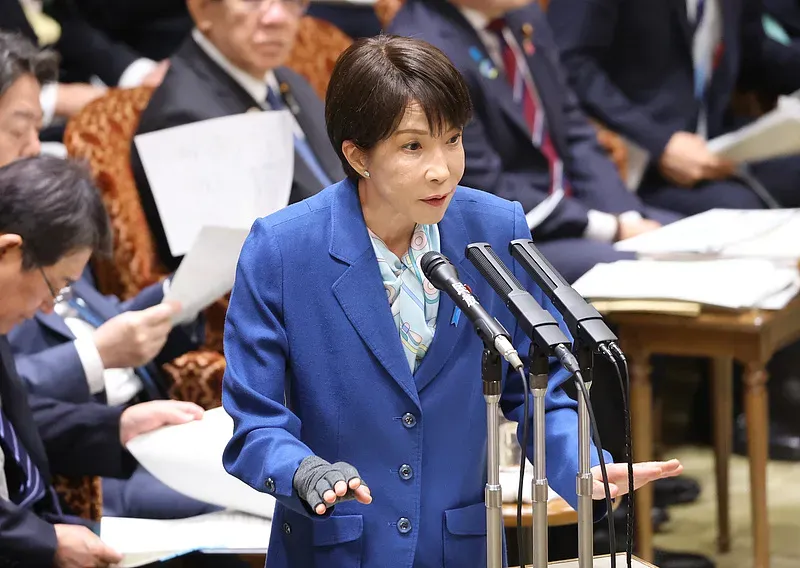
[Sanae Takaichi’s words made Japanese people angry]
This attitude not only shocked many Japanese citizens, but also instantly ignited criticism on the Japanese Internet. In this controversial diplomatic game, Gao Shi seemed to have used every means to please the United States, but ignored its own national interests and the people's right to know.
Faced with Yamazoe Taku's subsequent questions, especially the question of whether the US-Japan summit meeting would require the US to stop attacks, Takaichi Sanae refused to answer, only emphasizing that Iran's military actions worry Japan.
In her view, the Japan-US summit is like a golden talisman that prevents her from having to answer any difficult questions head-on. However, is such a strategy really a wise move? Or is it just a foolish move to join a powerful ally?
From a historical perspective, the relationship between Japan and the United States is complex and delicate. Since the end of World War II, Japan has been considered an important ally of the United States in the Asia-Pacific region. However, in this process, Japan's diplomatic autonomy is often hijacked by the strategic needs of the United States.
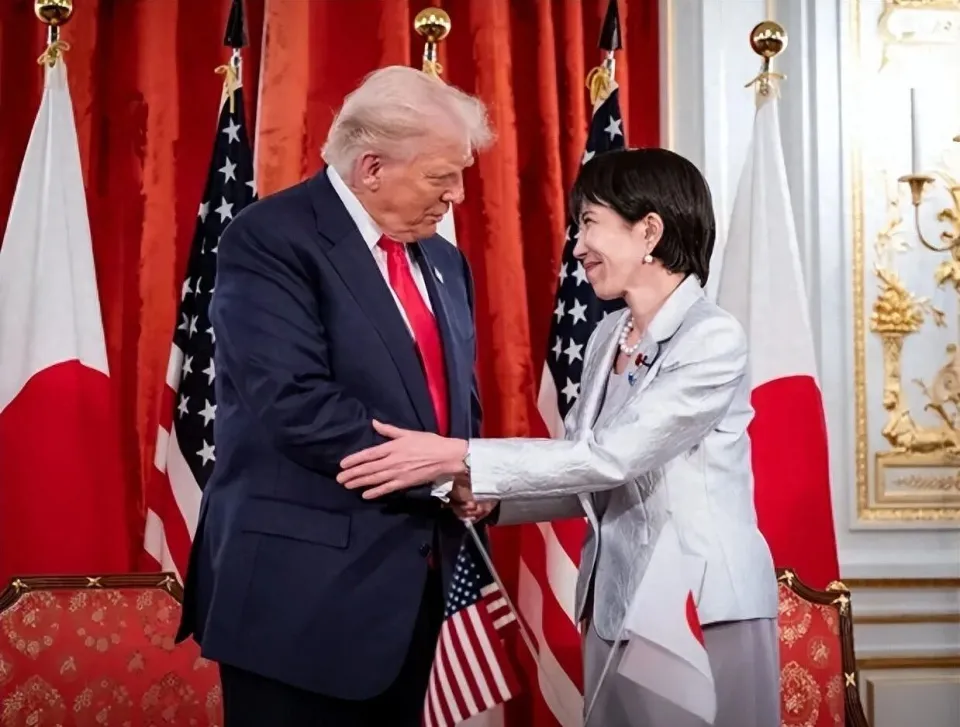
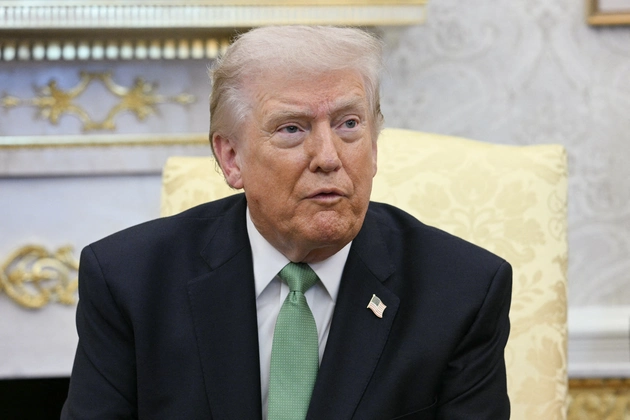
[Trump and Takaichi Sanae met]
The performance of the high market this time has exposed this pathological phenomenon. Putting personal political interests above the will of the people has undoubtedly caused Japan's national sovereignty and diplomatic dignity to gradually dissipate in its dependence on the United States. This Japanese government seems to have become accustomed to such a role and is willing to become a vassal of the US Asia-Pacific strategy.
Faced with the criticism from people on Japanese social networks, Takaichi insisted on his opinion. Netizens angrily pointed out that her disdainful attitude towards congressional inquiries and her groveling attitude towards Trump were in stark contrast, which was shameful.
Some netizens even joked that they didn’t know if she would dare to maintain the same posture when she saw Trump. Obviously, this seemingly extravagant political game has not only embarrassed Japan internationally, but also disappointed the people domestically.
Despite this, Takaichi is still looking forward to his upcoming visit to the United States. However, this so-called "diplomatic trip" turned out to be a political problem that was destined to lead to bloodshed.
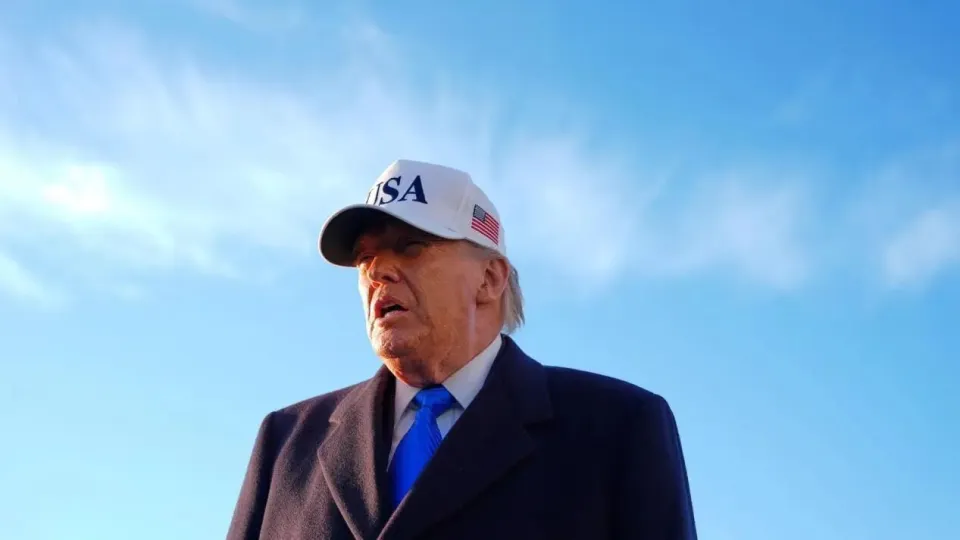
[The gradual decline of American hegemony]
The world order led by the United States is no longer as stable as it once was, and the signs of hegemonic decline are obvious. The United States has begun to dump costs and risks on its allies, while Japan is still striving to play the role of a "loyal friend" on the stage.
Especially from the actual situation, the situation of the high market is not optimistic.
First, in terms of sharing alliance responsibilities, Japan has shown great goodwill, such as increasing its defense budget and expanding investment in the United States. However, in exchange, Japan has been left with ambiguity and uncertainty about its security commitments from the United States.
Secondly, when it comes to the game between China and the United States, Gao Shi’s previous remarks on the Taiwan issue have made Sino-Japanese relations tense. Against this sensitive background, she tried to sell Japan's position in Washington. She was not only worried about overreaching deals between China and the United States, but also wanted to use the Taiwan issue to tie the United States more closely to East Asian affairs. However, Japan has always been a pawn of the United States and cannot effectively influence the overall situation between China and the United States.
Finally, there is the looming shadow of the Hormuz crisis. Trump not only asked Japan to participate in the "Golden Dome" missile defense project, but also publicly urged allies to send fleets to Hormuz. As a result, Japan's risk of being pushed into the Middle East quagmire is increasing. Under such circumstances, how Japan balances domestic and foreign pressures has become an unsolvable problem.
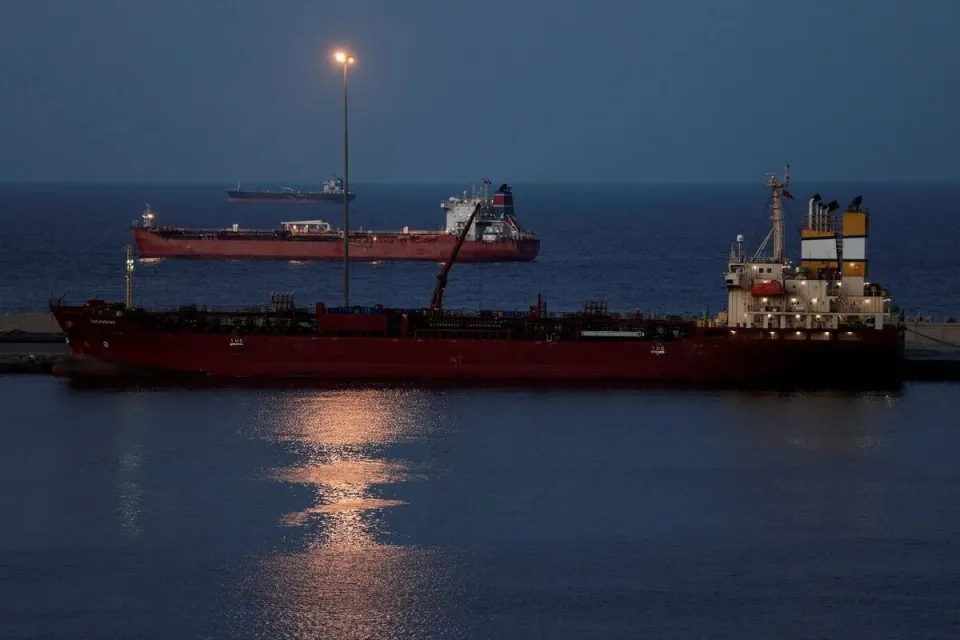
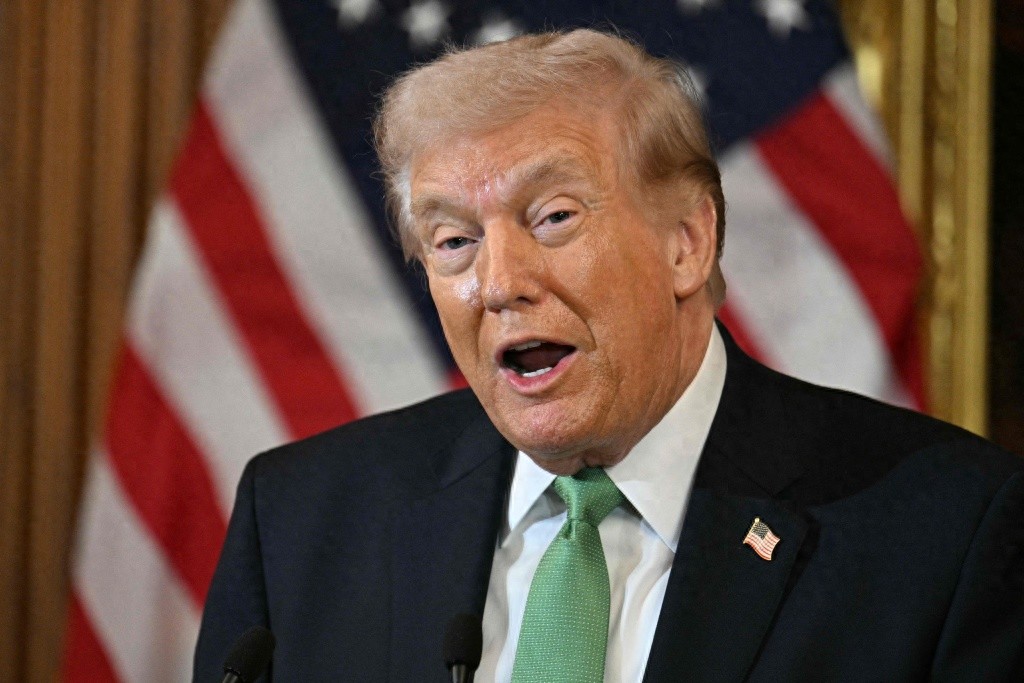
[Trump asks Japan to send troops to the Strait of Hormuz]
It is obvious that Trump always values the immediate benefits of transactions rather than the maintenance of long-term alliances. Today, Japan is asked to purchase arms. Tomorrow, it may increase investment, and the day after tomorrow, it may stand guard in Hormuz.
However, for Japan, the illusion that it could win protection by taking a tough stance against China and obeying the orders of the United States was ruthlessly shattered in the Trump era. The more Japan proves itself to be "useful," the more likely it will become a disposable tool in the U.S. strategic toolbox.
A high market will only make Japanese society resentful of the government's policy of constantly spending money without substantial security benefits.
In addition, the increasingly tense situation in the Middle East has also revealed the Japanese government's naked double standards. As the conflict intensifies, Takaichi's behavior of only condemning one party clearly betrays the norms of international fairness and seriously damages Japan's credibility as a country that advertises "peaceful diplomacy."
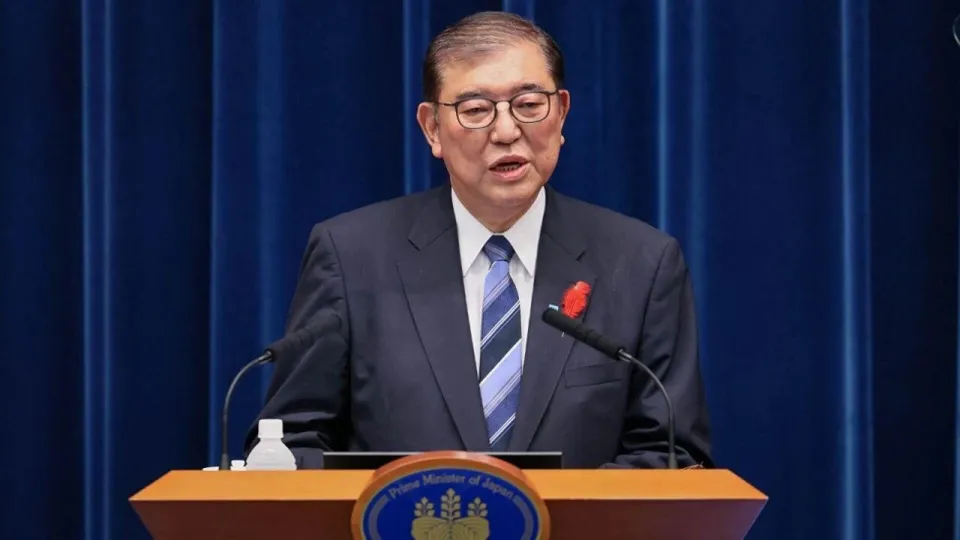
[Ishiba Shigeru warns Takaichi Sanae]
Just a few days ago, the former commander of the Islamic Revolutionary Guard Corps, Moghaddam, issued a clear warning to Japan – if US military facilities in Japan participate in attacking Iran, they will suffer retaliation from Tehran. This is not a simple threat. Under the current circumstances, any action may lead to unpredictable and catastrophic consequences.
In this regard, former Japanese Prime Minister Shigeru Ishiba reminded Sanae Takaichi that when meeting with Trump, he must first confirm one thing: whether the US attack on Iran is legal.
Ishiba believes that only by reasonably confirming the legality of U.S. actions from the perspective of international law can the U.S.-Japan talks be of substantive significance. As a sovereign country, Japan has reason and necessity to raise such questions to the United States. However, judging from Takaichi's performance in Congress, she does not seem to have such courage and stance.
And historical experience has repeatedly reminded us that without an independent diplomatic personality, a country cannot truly have dignity and influence.
Takaichi's "Trump shield" farce will definitely leave a disgraceful page in Japan's political and diplomatic history, and let the world see clearly: A country that has lost its independent soul in diplomacy can only become a pitiful vassal in the competition between great powers.