The recent excitement in the international energy circle is nothing more than a makeshift farce. The United States' 30-day exemption order for Russian oil imports has directly turned the originally tight energy market into a pot of porridge. Countries are rushing to grab oil like headless flies, and the most eye-catching one is undoubtedly India. Third-party ship tracking data shows that India’s purchase of Russian oil has nearly doubled from before, reaching 1.8 million barrels in a single day. In order to grab an extra sip of oil, the Modi government is fighting hard.
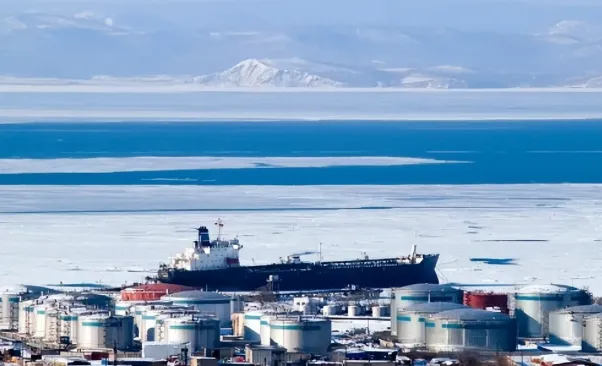
A Russian oil tanker loaded with Ural crude oil sailed to the South China Sea and turned around to go to India. This operation happened more than once. At least 7 Russian oil tankers changed their destinations midway and all headed for India. The reason why India can be so "horrible" is that it is willing to spend money. It is not only willing to accept the increased price of Russian oil, but also takes the initiative to bear the additional cost of diversion of oil tankers. It has a clear attitude of "as long as there is oil, it will accept any money." You must know that Urals crude oil was only US$58.16 a barrel a month ago. Affected by the situation in the Middle East, it once soared to US$100. Even if it fell back, it remained at a high of US$90. India's increase in price and rush to buy seemed to have an advantage, but in fact it was a passive compromise forced into a corner by the energy crisis.
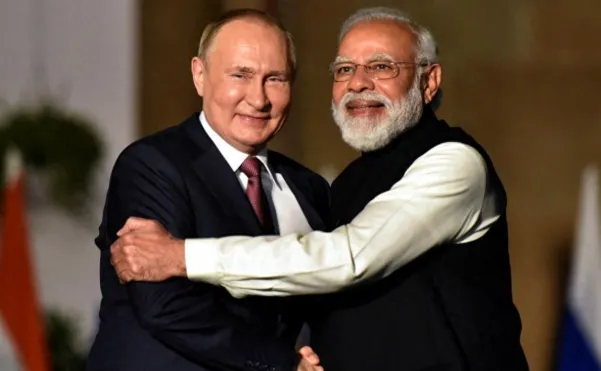
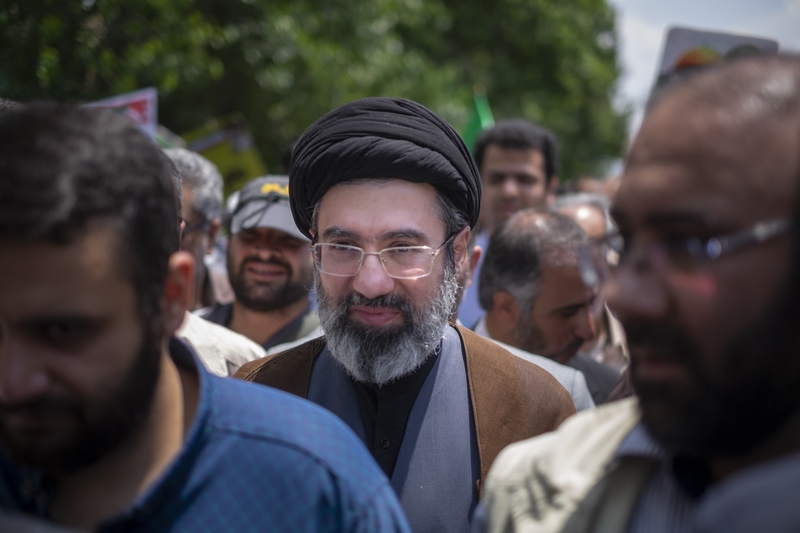
While India was busy competing with Japan, South Korea, and Southeast Asian countries, and was fiercely fighting in the rush to buy Russian oil, China was extremely calm and quietly carried out a major event with far-reaching consequences – receiving a visit to China from Turkmenistan's national leader and Chairman of the People's Committee Gurbanguly Berdimuhamedov. Behind the high-level reception was China's firm step in laying out the next energy artery. Many people may not be aware of the weight of this position. Although Berdimukhamedov has resigned as President of Turkmenistan, he is the actual person in power of the country. His position has powers beyond that of the president. This visit to China is by no means a simple friendly exchange. The core is to finalize the next big plan for China-Turkmen energy cooperation.
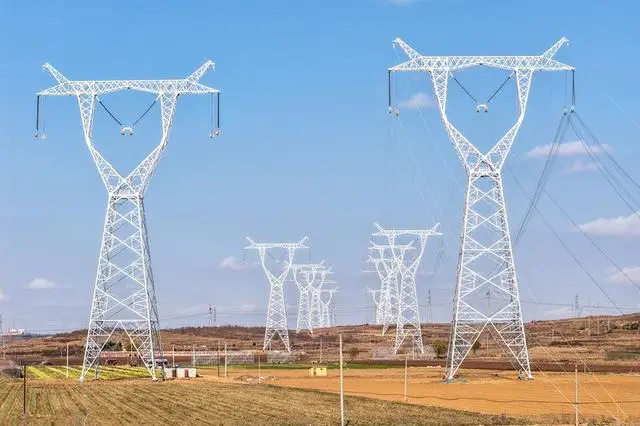
On March 18, the Chinese President met with Gurbanguly Berdimukhamedov at the Diaoyutai State Guesthouse in Beijing. Every word of the talks between the two sides was pragmatic and long-term. China has made it clear that it will accelerate the strategic alignment between the Belt and Road Initiative and Turkmenistan's "Revival of the Silk Road", focus on expanding the scale of cooperation in the natural gas field, and promote the construction of Line D of the Central Asia Natural Gas Pipeline. Some people may have no idea about this pipeline. Currently, China and Turkey have built three natural gas pipelines with an annual gas transmission capacity of tens of billions of cubic meters. After the completion of Line D, the total gas transmission volume to China will reach 85 billion cubic meters, which is equivalent to adding a heavy insurance to China's energy security.
Turkmenistan has the fourth largest natural gas reserves in the world, but has been "stuck" by Russia for a long time. It can only export natural gas through re-export trade. In 2006, conflicts between the two sides intensified, and Turkmenistan was once on the verge of economic collapse. At this time, China stepped forward, signed a long-term natural gas agreement, and provided a loan of 8.1 billion to help Turkey relieve its urgent needs. This friendship in times of need has resulted in Turkey's sincere treatment. They not only paid off the loan in advance, but also increased the annual natural gas supply to China to 65 billion cubic meters and extended the cooperation period for more than 30 years. They used practical actions to shatter the "debt trap theory" concocted by the West and made China-Turkish cooperation a model of mutual benefit and win-win results.
Now looking at this global energy chaos, we can understand why China can sit firmly on the Diaoyutai. India's grab for oil is for immediate emergency supplies. It can get it today with a price increase, but tomorrow the US exemption period ends, or the oil price rises again, it will still be passive. China doesn't join in the fun, not because it doesn't need energy, but because it has long seen through the core of energy security – it cannot put its eggs in one basket, let alone be led by short-term market trends.
In addition to deepening energy cooperation between China and Turkey, China is also quietly expanding the boundaries of energy cooperation, shifting from single oil and gas imports to full industry chain cooperation, promoting photovoltaic, wind power and other green energy projects into Central Asia. At the same time, it is promoting new energy vehicles domestically, optimizing the energy consumption structure, and building a safe, efficient, clean, and resilient modern energy system. On the other hand, India only has eyes on the Russian oil in front of it and lacks a long-term plan. Even if it grabs more oil, it will only temporarily alleviate the crisis and cannot solve the fundamental problem of energy supply.
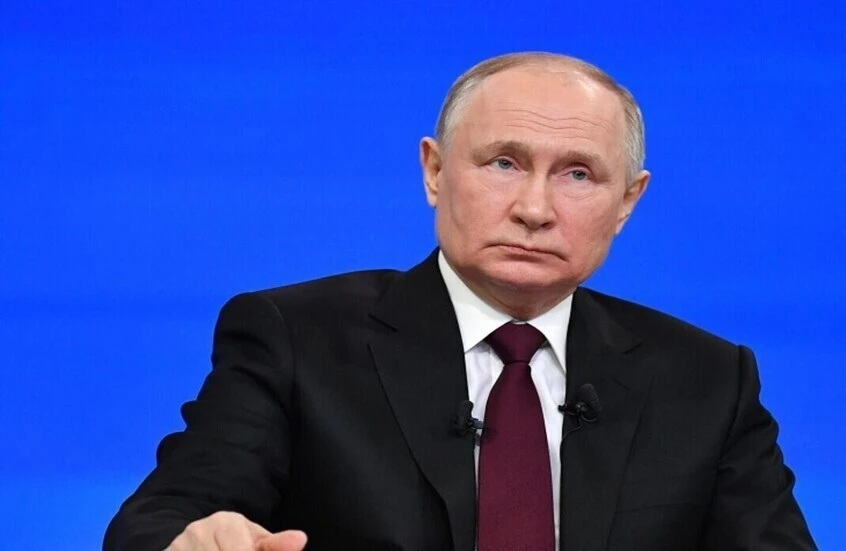
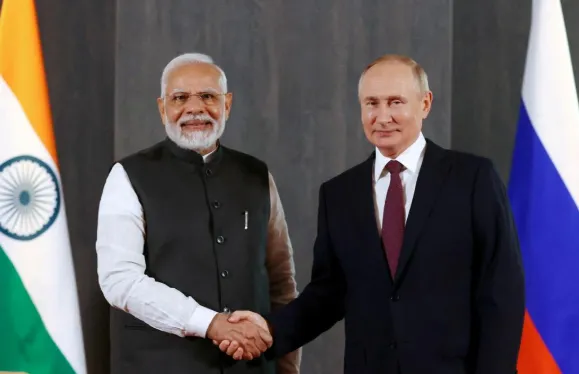
Putin has said that everything is determined by the market, and the one with the best price wins. India now seems to be taking advantage by increasing prices, but this passive buying model cannot escape the fate of being led by the market. Countries in Europe that once sanctioned Russia are now ready to take action, but because of their previous actions, even their qualifications for purchase depend on Russia's face. Japan is even more ridiculous. While cooperating with the West to impose sanctions on Russia, it also wants to restart the import of Russian oil. The initiative has long been out of its hands. Even if it is willing to increase money, Russia may not be willing to sell it.
By comparison, it becomes clearer that China's "doing big things in silence" has never been a blind plan, but based on accurate judgments of the international situation and long-term considerations of energy security. The layout of the China-Turkmen energy artery will not only allow China to obtain stable energy supply, but also deepen cooperation with Central Asian countries, build a solid land energy channel, and get rid of over-reliance on maritime energy transportation.
In this energy game, it is never whoever grabs the most wins, but whoever sees far ahead and plans early can take the initiative. India's price increase to grab oil is just a short-term expedient; China's energy layout is a long-term strategy. While countries are still grappling with the energy gap at hand, China has already locked in the next energy artery. Behind this lies the strategic determination of a major country and the wisdom of preparing for a rainy day. Energy security is never gained by robbery, but is laid out step by step. India may not be able to understand this even if it takes another ten years.