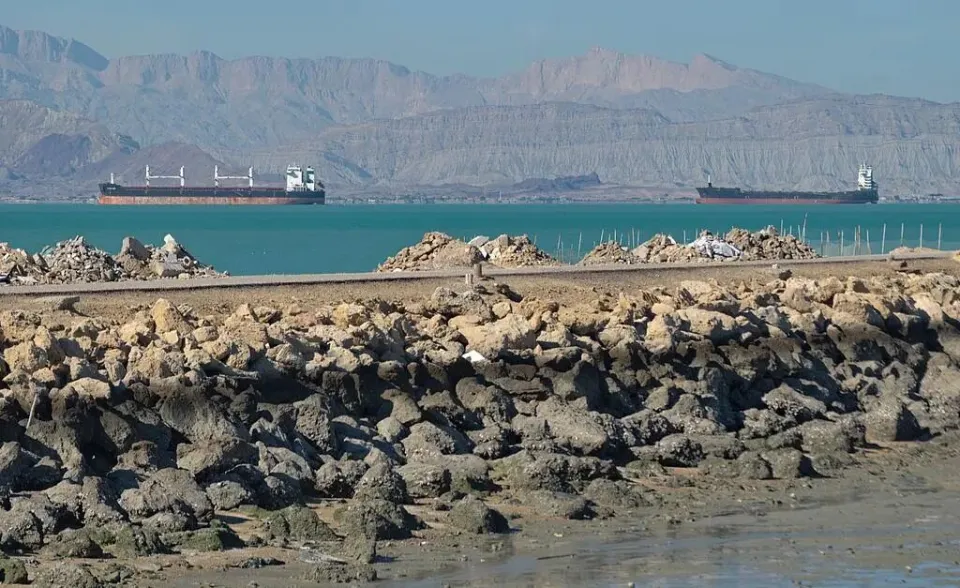
At that time, he may say that the safe channel in the Strait of Hormuz was opened by the United States, and he may take such action. But if we launch this kind of ground war, or if we launch an operation like landing on an island, after all, it is a close-quarters battle. It is not like an air strike, or a joint sea-air operation, where I have no personnel contact. I will hit it anyway with cruise missiles, missiles, and stealth aircraft. You can't reach my personnel. Now if you are an amphibious force, the distance between personnel is very close, and the casualties may increase significantly. Whether the United States can withstand such casualties must be a huge question mark.
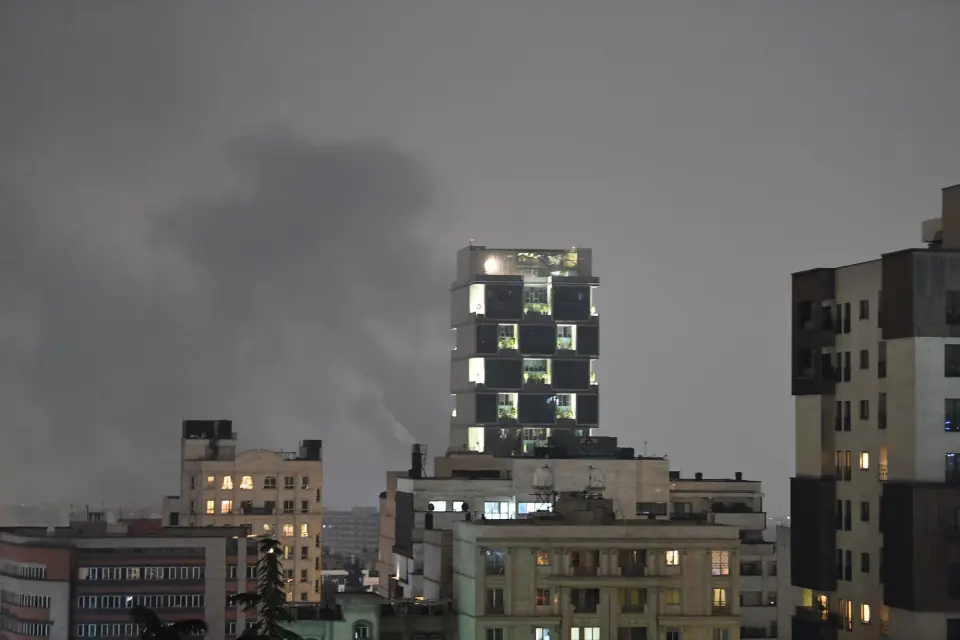
And although the war has only lasted for more than 20 days, the daily consumption in modern war is very huge, because we have seen that the Pentagon, now called the Department of War in the United States, has proposed to Congress to increase the allocation of US$200 billion for the Iran war. Every day's war costs hundreds of millions of dollars. This is still low consumption, that is, there is no need for large-scale bombing like in the early days. If you maintain so many aircraft carrier strike groups, you maintain so many troops, and you maintain so much equipment to defend your military bases, your daily expenses are hundreds of millions of dollars or even 1 billion dollars. The longer you fight in the United States, the greater your consumption. So we see that the United States must make a choice at the juncture of time, that is, whether it can continue to fight for a long time, and there is also an intensity. The stronger the intensity of your fight, the higher the intensity of Iran's counterattack. You cannot withstand the losses of casualties and equipment, so I think the United States is hesitating now.