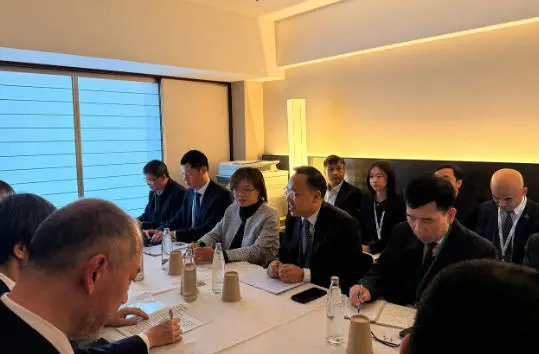
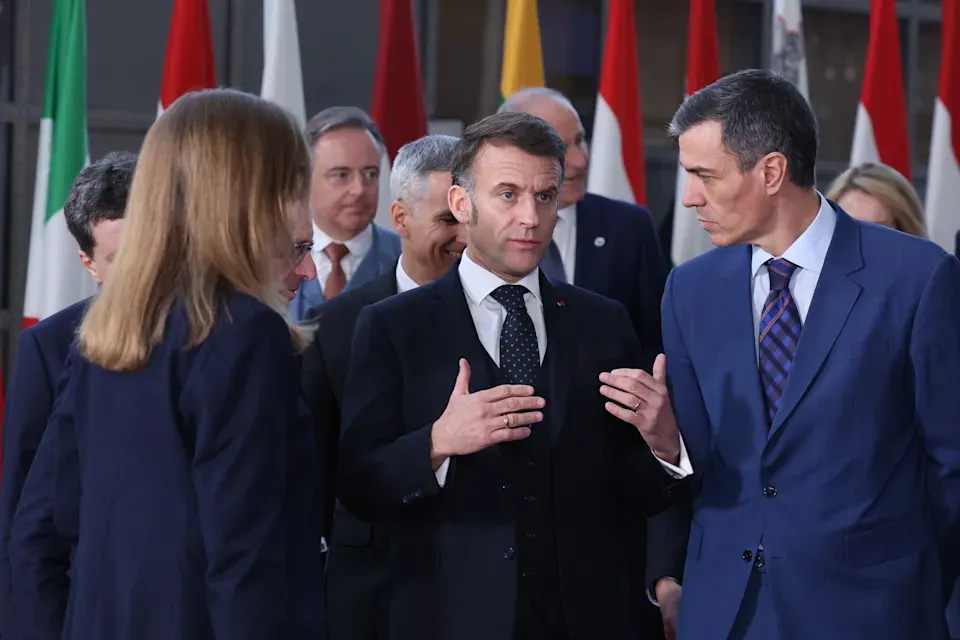
On March 19 (Thursday) local time, the leaders of the 27 EU countries held a summit in Brussels. The initial core issue of the summit was to resolve Hungary's opposition to Ukraine's huge loan. However, the conflict between Iran and Lebanon continued to ferment, and the global oil and gas prices caused by the superimposed war soared, making Middle East-related issues quickly occupy the core of the summit.

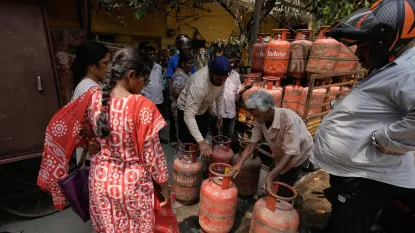
Belgian Prime Minister Balte de Wever expressed his views on the energy crisis on the eve of the summit. He said: "Energy prices were already at high levels before the war broke out, and this conflict has ushered in a new round of skyrocketing prices. If this kind of increase becomes the norm, we will be in trouble."
1. The 27 EU countries refuse to be involved in military operations in the Middle East
As a key waterway for global energy transportation, the Strait of Hormuz carries about 20% of the world's oil and liquefied natural gas trade and is also an important channel for European energy imports.
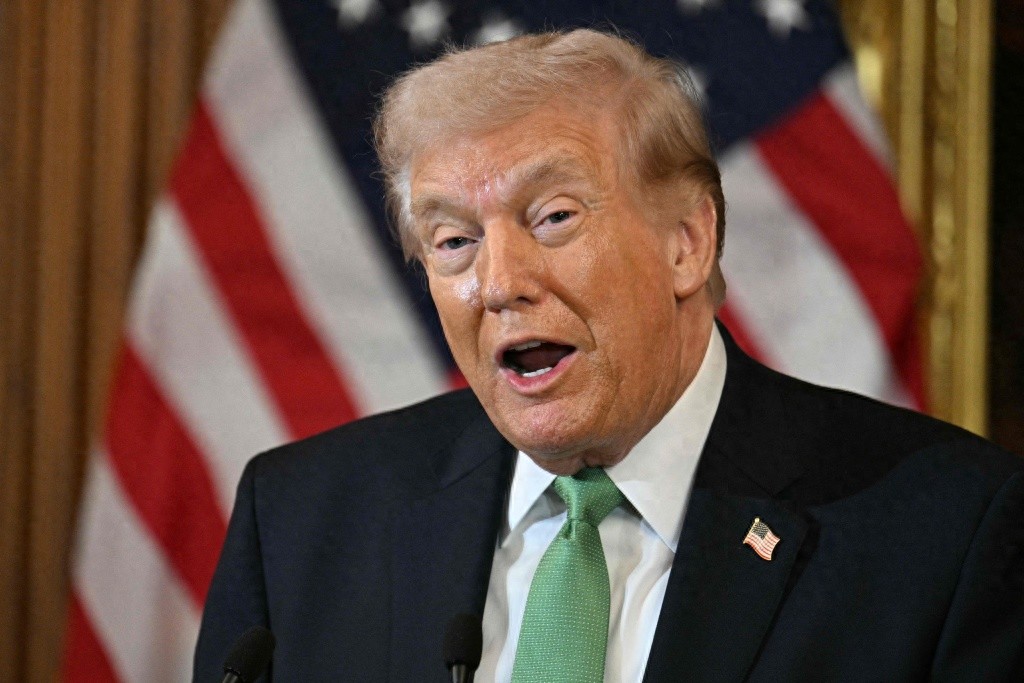
In response to U.S. President Trump's request for the EU to send military forces to help ensure security in the Strait of Hormuz, the leaders of the 27 EU countries are generally critical of Iran, but they are not willing to immediately provide military support to the United States.
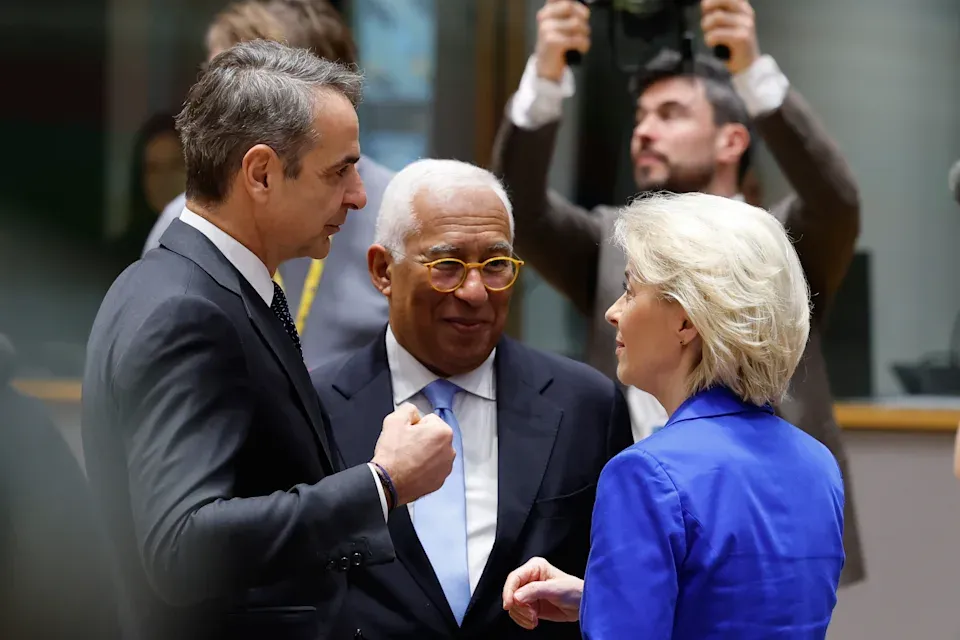
European Commission Vice President and EU High Representative for Foreign Affairs and Security Policy Kaya Callas pointed out that leaders of various countries have no intention to expand Europe's naval power in the Red Sea. Whether it is to help ensure the security of the Strait of Hormuz or to be involved in war in other ways, it will be difficult to gain consensus within the EU.
2. Statements from all parties
According to confirmation by the Associated Press and Agence France-Presse, the United Kingdom clearly refused to be dragged into this dispute, while France stated that it would consider it after the war subsided.
Austrian Chancellor Christian Stockel took a tough stance, saying at the meeting: "Europe, including Austria, will never be coerced into joining the military operations of the United States and Israel in the Middle East. Military intervention in the Strait of Hormuz is not within the scope of Austria's considerations."
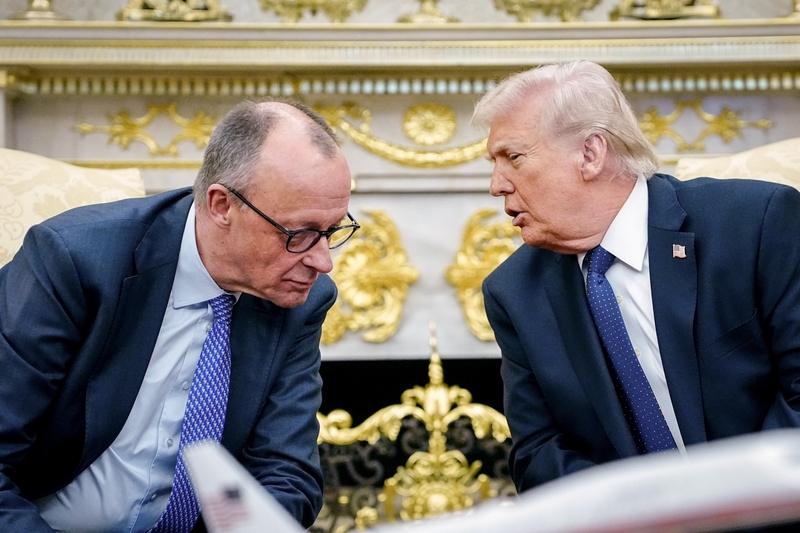
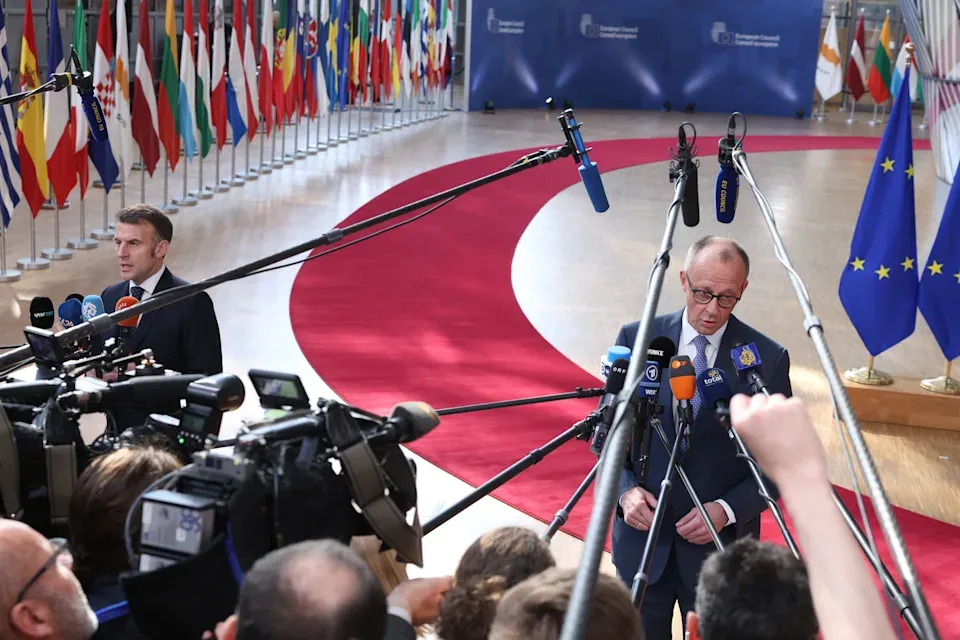
German Chancellor Friedrich Mertz made it clear that Germany would only consider assisting in maintaining smooth waterways and other related matters after the war is over.
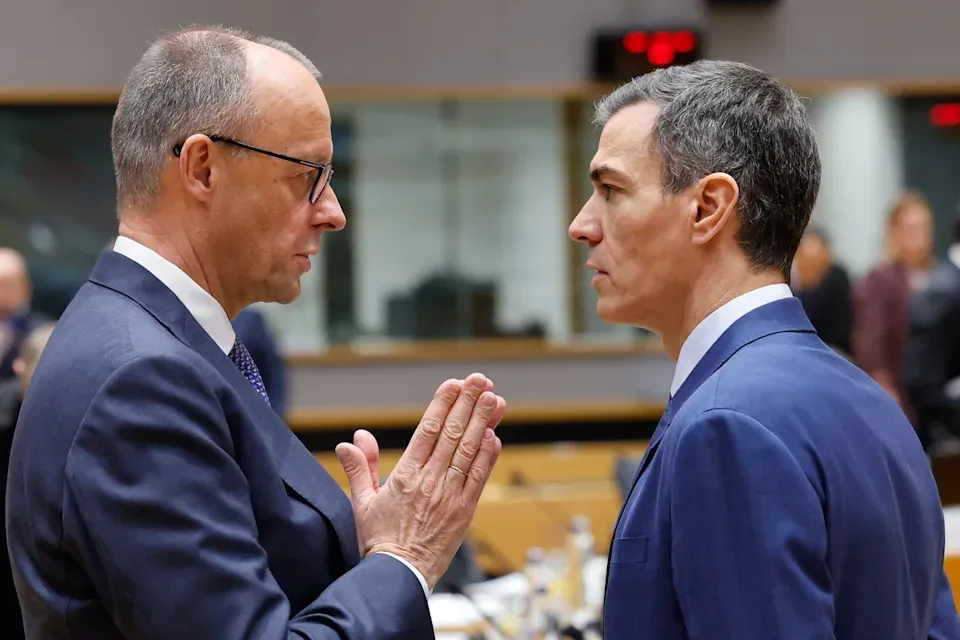
He said: "We will only commit to providing support when the guns have subsided and the weapons have been stockpiled. At that time, we can provide a lot of help, including opening and maintaining the safety of shipping lanes, but we will never take any action while the war continues."
He added that such assistance requires first obtaining international authorization and completing a series of complex processes.
Although Dutch Prime Minister Rob Yetten understood the original intention of the United States and Israel to launch military operations against Iran, he did not express support. Instead, he called on the European Union to increase sanctions on Iran and strengthen support for Iranian opposition groups.
Spanish Prime Minister Pedro Sánchez clearly opposed the war, saying it violated international law.
He said: "We oppose this war because it is illegal. The war not only brings serious disasters to civilians and triggers a flow of refugees, but its economic impact also sweeps the world, especially countries in the global South."
Latvian Prime Minister Evica Silinja revealed that Trump has mentioned that he hopes NATO will support the cleanup of the Strait of Hormuz, but has not yet made a formal request to the EU.
Silenya said if a formal request is received, it will be fully evaluated.