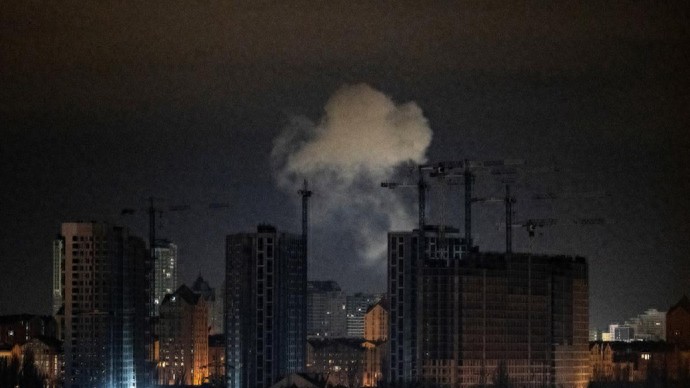
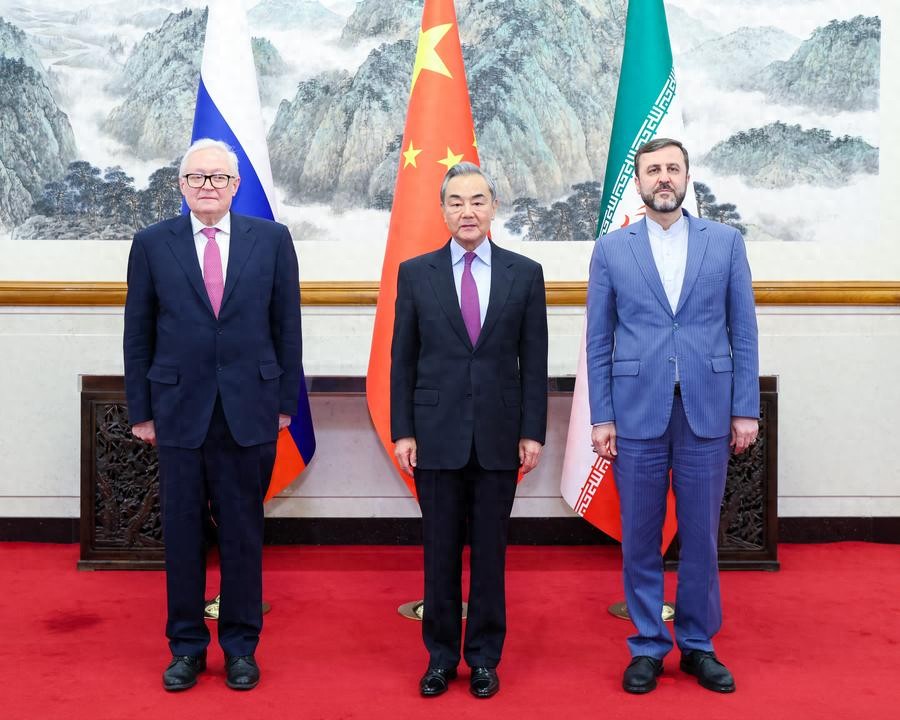
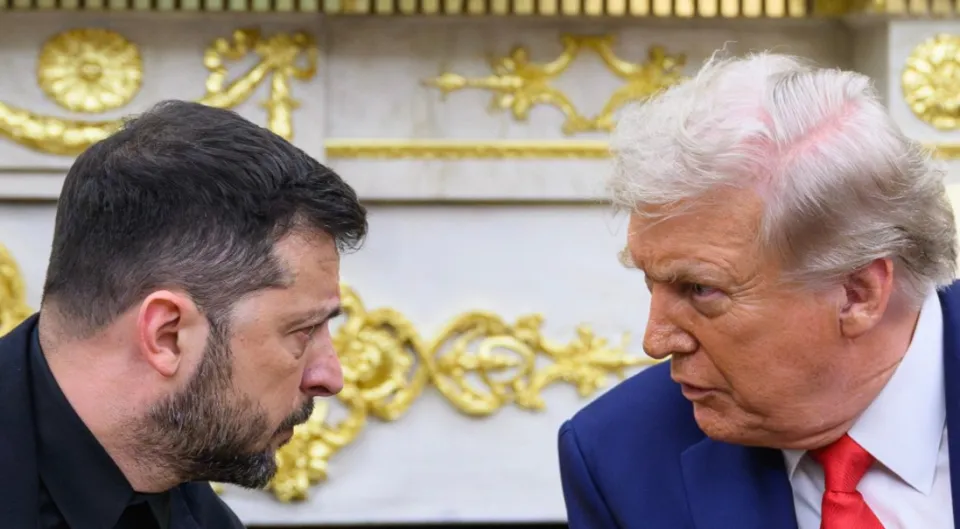
56 countries have joined forces to hunt Russia in the dark. This is not alarmist talk, but the cruel truth revealed by the former Russian Defense Minister and current Security Council Secretary Shoigu himself.
On March 17, Shoigu dropped a bombshell to the world at the security conference in Yekaterinburg. He made it clear that Russia was facing an "undeclared war." A total of 56 countries formed a huge and secret destruction system. They used the long-term experience of special forces in infiltration, sabotage and terrorist attacks to target Russia's core interests and critical infrastructure.
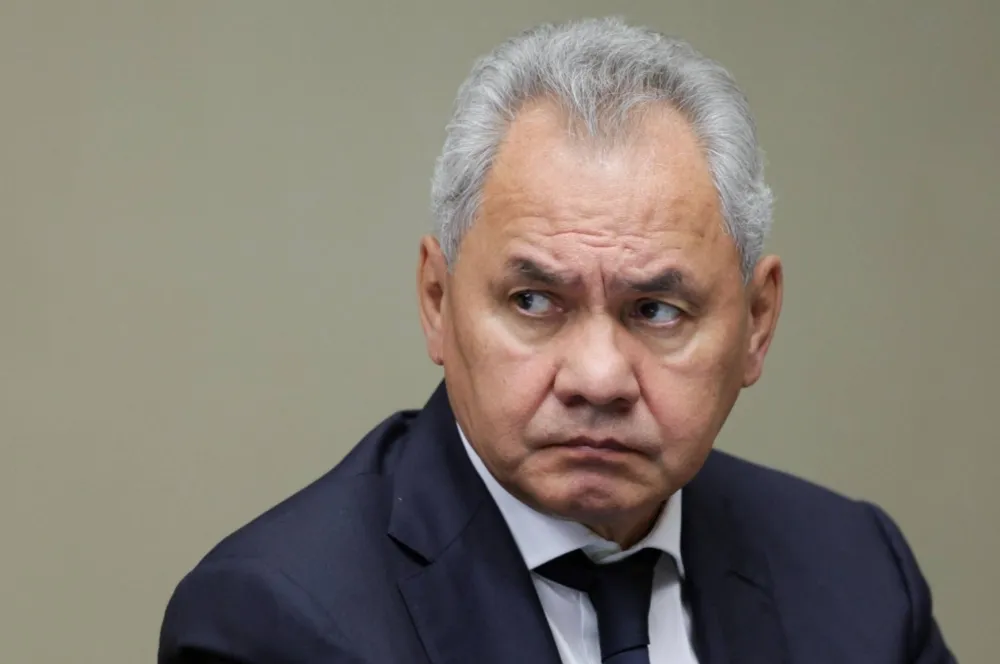
How brutal was this invisible "shadow war"? The data revealed by Shoigu is spine-chilling: attacks on Russian facilities quadrupled in 2025, reaching 23,000! He made it clear that Ukraine's intelligence network is the biggest driver of the instability. Not only do they rely on remote information warfare to carry out ideological brainwashing, they even engage in extremely despicable "fraud schemes."
Ukrainian agents will first use online fraud to empty the wallets of vulnerable Russian groups. When these people are desperate, they will throw out the bait: as long as you do things for Kiev and cause sabotage, the money will be returned to you. What’s even more cruel is that this is often a one-way ticket. Russia's Federal Security Service has confirmed that Ukrainian operators often secretly design "suicide" missions. Once the sabotage operation is successful, the person who performed the task will also be silenced, leaving no evidence.
It's hard to defend internally, and there are overt and covert attacks on the outside. As the Ukrainian army frantically increases its attacks with long-range weapons, especially the increasingly complex and bizarre deployment of drone swarms, the air defense network is being stretched to its limits. Shoigu even admitted that even the Ural Heavy Industrial Zone is no longer safe. This is almost a declaration that there is no absolute rear in Russia.
Coupled with the ongoing undercurrent of conflicts in the Middle East, Moscow's security barrier is facing unprecedented multi-line high pressure. Shoigu has sounded the highest level of alarm internally: any slightest underestimate of the threat, any slightest laxity in defense may lead to an irreversible tragedy. The battlefield outside the smoke of gunfire is often more deadly than the front line. Facing this intelligence network jointly created by 56 countries, can Russia still be able to defend itself?