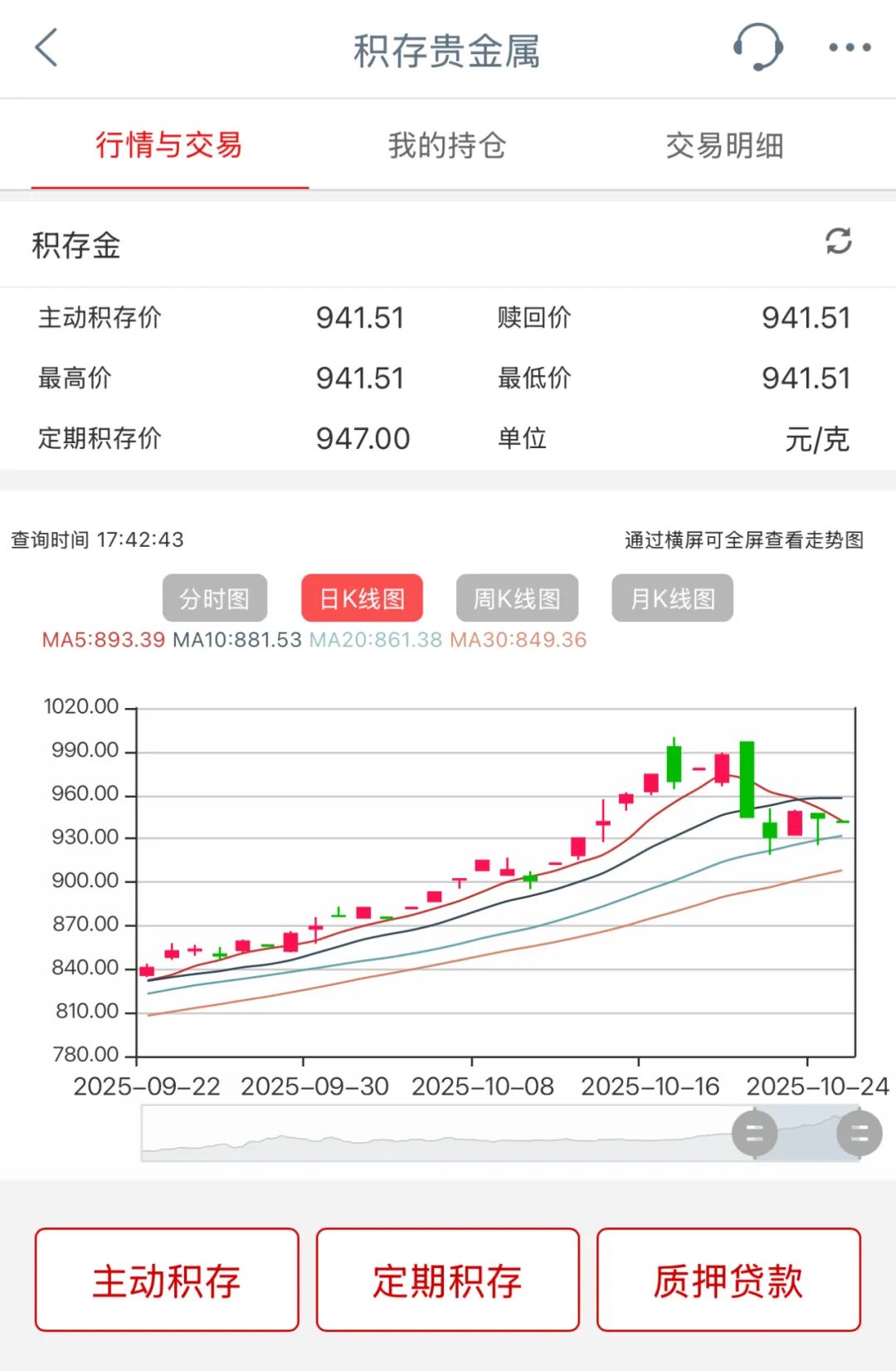
In the field of gold investment, bargain hunting is a strategy used by many investors hoping to obtain high returns. However, there are many risks hidden in it.
The first is the risk of market judgment errors. It is extremely difficult to accurately determine the bottom of the gold market. The price of gold is affected by a variety of factors, including the global economic situation, geopolitical situation, monetary policy, etc. Taking the global economic situation as an example, when economic data performs poorly, gold, as a safe-haven asset, is usually thought to rise, but this may not be the actual case. If the global economy falls into recession and market liquidity becomes tight, investors may sell various assets, including gold, to obtain cash, causing gold prices to fall instead of rising. During the 2008 financial crisis, the price of gold also experienced a sharp decline in the early stages of the crisis. Many investors who tried to buy the bottom made misjudgments and suffered losses.

Second is the risk of fund management. During the bargain hunting process, if investors do not plan their funds reasonably and invest a large amount of money at one time, they may face huge financial pressure if the market trend does not match expectations. For example, when investors believe that the price of gold has bottomed out, they invest all their funds in buying gold, but the price continues to fall. At this time, not only do investors have no funds to cover their positions to amortize costs, but they may also be in trouble due to a sharp decline in assets.
Another is the time cost risk. It may take a long time for the gold market bottom to form, and prices may fluctuate repeatedly in the bottom area. Investors may have to wait a long time to realize profits after buying the bottom. During this period, funds are tied up and cannot be invested in other investment projects with greater potential, thereby missing other investment opportunities.
In addition, policy risks cannot be ignored. The monetary and fiscal policies of various governments will have an impact on gold prices. For example, the central bank's adjustment of interest rates and implementation of quantitative easing policies may lead to significant fluctuations in gold prices. If investors do not fully consider changes in policy factors when bargain hunting, they may face investment losses.
To illustrate these risks more visually, here is a simple comparison table:
Specific performance impact of risk types
Risk of market judgment errors
The bottom of the gold market is not accurately judged, and the price trend is opposite to expected
resulting in investment losses
Money management risk
Invest a large amount of money at one time and then have no funds to cover the position or face financial pressure.
Assets have shrunk significantly and are in trouble
time cost risk
After buying the bottom, you have to wait for a long time to make a profit and miss other investment opportunities.
Reduce capital usage efficiency
policy risk
Policy changes lead to sharp fluctuations in gold prices
causing investment losses
This article is generated by AI algorithm and is for reference only. It does not involve investment advice. Use at your own risk.