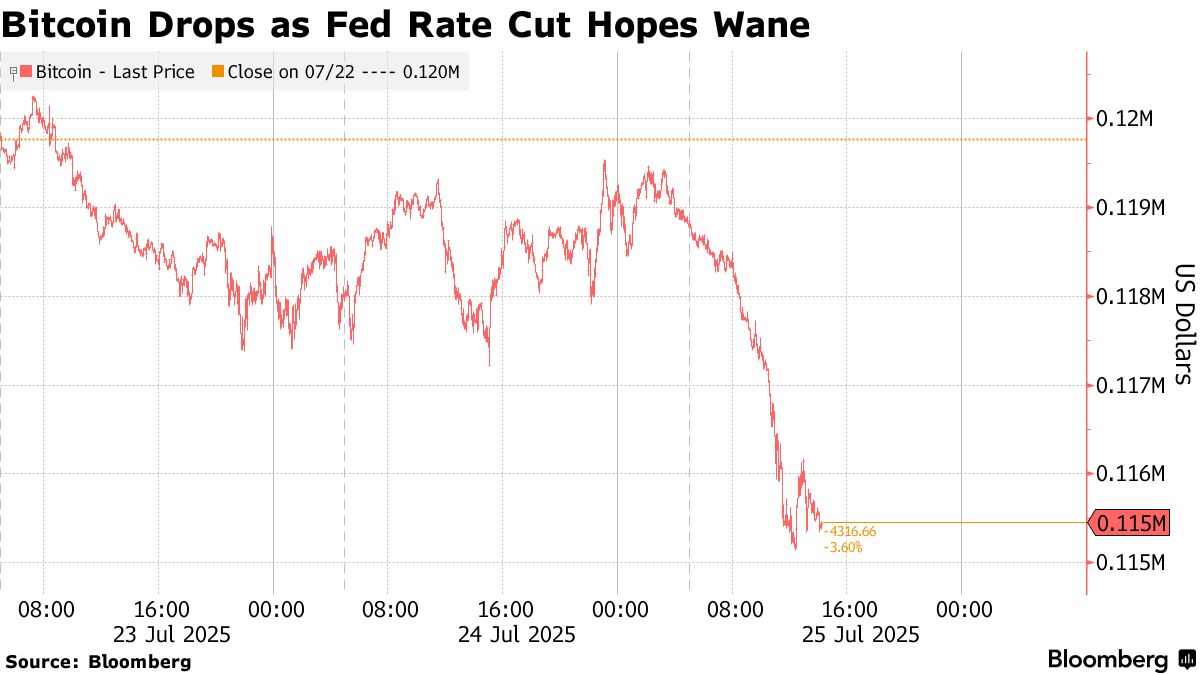
On February 28, 2026 (Saturday), the overnight market review released by the world's major financial media recorded a clear trading fact: During the trading session this past Friday (February 27), the world's two largest cryptocurrencies by market capitalization – Bitcoin (BTC) and Ethereum (ETH) – both experienced significant declines. Among them, the price of Bitcoin fell by about 3%, which marked its fifth consecutive monthly decline since October 2025. Meanwhile, the price of Ethereum plunged more than 5% in a single day on Friday and fell below the key psychological round number of $2,000.
According to real-time quotations released by multiple market data platforms on the morning of February 28, this fact of decline has been confirmed by specific data. As of 06:04 on February 28, 2026, Beijing time, the unified global spot price of Bitcoin was approximately US$65,500 per coin. Its 24-hour price drop was 2.82%, and the maximum intraday retracement exceeded 4.5%.
At the same time, the price of Ethereum was around $1,983.18, down about 0.89% in 24 hours. It should be noted that since the cryptocurrency market trades 24 hours a day, there are slight differences in quotations at different time points, but the core downward trend is consistent. Other data shows that during the pre-market trading session of US stocks on Friday, the price of Bitcoin was reported at approximately US$66,137.95, a decrease of 2%; Ethereum fell by more than 3.5% to US$1,954.94, clearly falling below US$2,000.
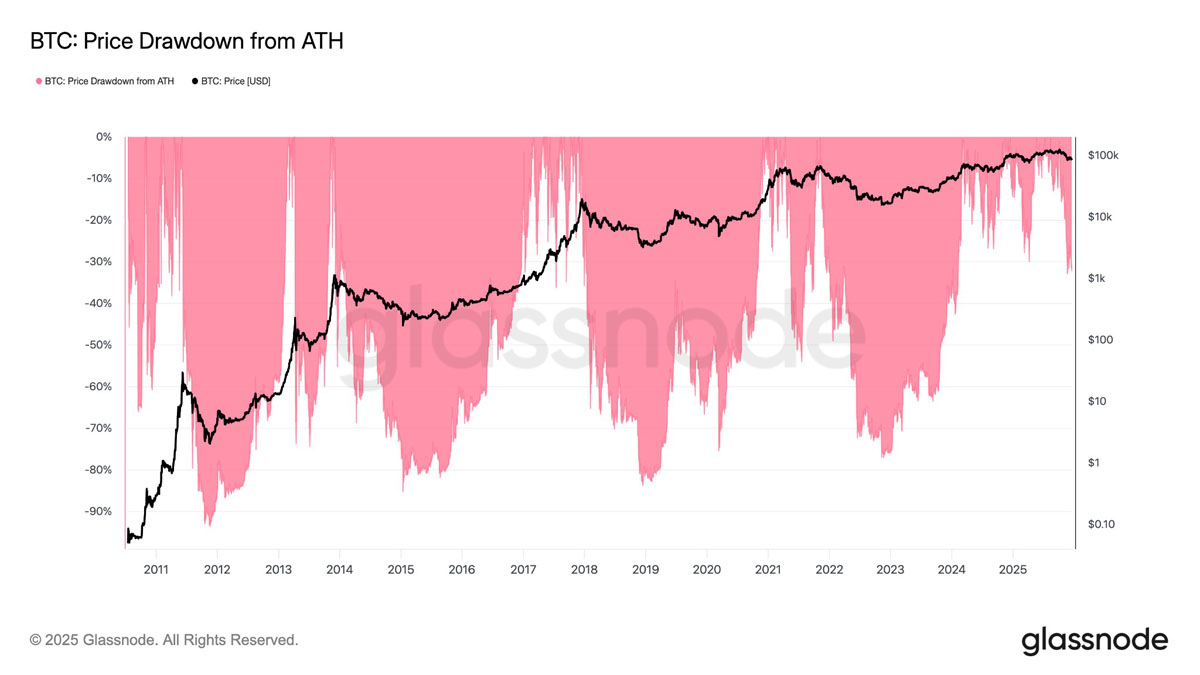
This drop is not an isolated incident, but a continuation of Bitcoin’s long-term trend of weakness. Market analysts pointed out that Bitcoin is facing its fifth consecutive monthly decline. As of February 27, Bitcoin’s single-month decline in February had reached approximately 14%. If viewed from a longer period, the maximum correction of Bitcoin price is close to 50% compared with its historical high of approximately US$126,000 in October 2025, basically erasing all the gains in the second half of 2025. Since the beginning of 2026, Bitcoin has fallen by approximately 24.73%, which is considered by the market to be one of its weakest starts to the year on record.
Historical data shows that the last time there were five consecutive negative months was back in the depths of the bear market at the end of 2018.
Ethereum's performance has also been weak, with its losses exceeding Bitcoin's multiple times in recent times. In the trading on February 27, Ethereum not only fell even more, but also fell below the $2,000 round number mark that has a significant impact on market sentiment. Technical analysis shows that Ethereum's technical picture is even weaker. After falling below $2,000, its short-term core support level has moved down to the $1,850-1,860 area.
This decline occurred against a specific macro market backdrop. On February 27, the United States released its producer price index (PPI) for January, and the data reignited market concerns about inflation. At the same time, global risk aversion has increased significantly, with funds withdrawing from high-risk assets such as Bitcoin and pouring into traditional safe-haven assets such as gold and silver. Spot gold rose by 1.8% during the same period, approaching US$5,300, rising for the seventh consecutive month; silver rose by more than 6%, rising for the tenth consecutive month. This apparent asset rotation highlights the pressure that cryptocurrencies are under as a riskier asset at a time of increased macro uncertainty.
From the perspective of capital flows, U.S. spot Bitcoin exchange-traded funds (ETFs), which are the core channel for institutional funds to enter the crypto market, have continued to face pressure from capital outflows recently. Although there was a short-lived optimistic signal of a single-day net inflow of US$506.6 million on February 26, the cumulative net outflow so far this year has still reached approximately US$1.7 billion, and the direction of capital flows has diverged. This cautious attitude of institutional funds is also an important factor in suppressing market prices.
Sentiment indicators across the cryptocurrency market also reflect the current pessimistic atmosphere. The market's fear and greed index once fell to the extreme fear range, showing that investor confidence has been severely damaged. During the decline, highly leveraged trading positions encountered centralized liquidation, further exacerbating market volatility. In the past 24 hours, the total liquidation amount of global cryptocurrency contracts reached US$275 million, and more than 100,000 people were liquidated, with long positions accounting for the majority.