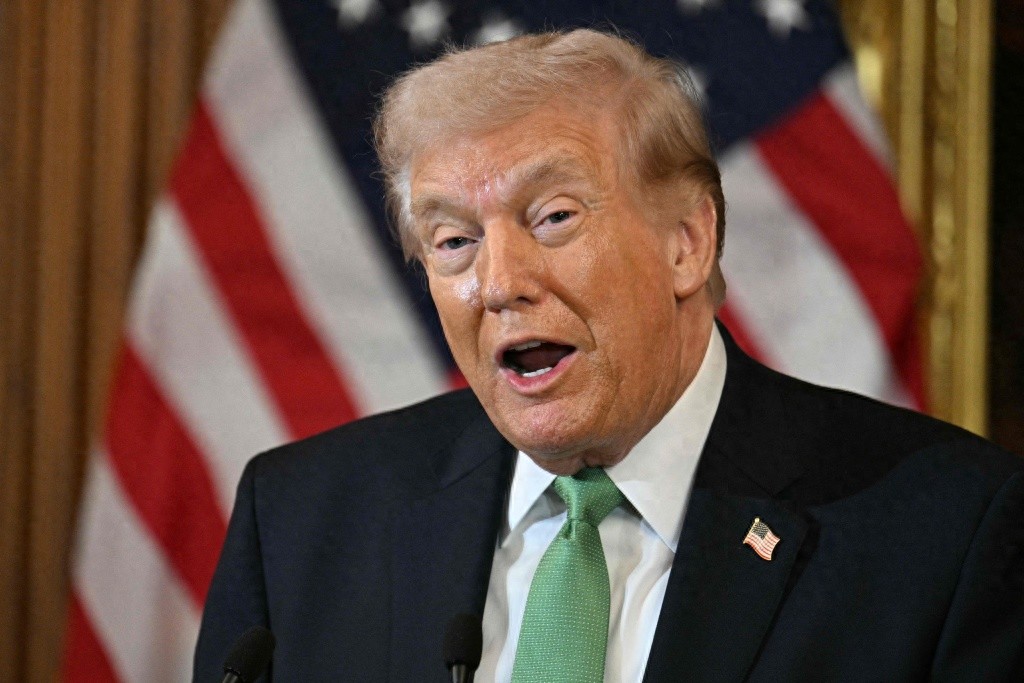
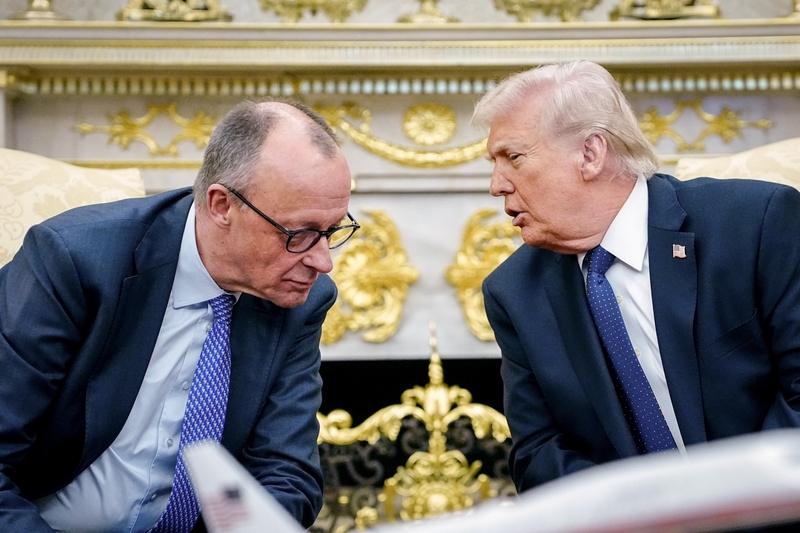
On March 17, local time, when Irish Prime Minister Micheal Martin visited the United States during St. Patrick's Day, Trump said when meeting with him in the Oval Office of the White House that most NATO allies had informed the United States that they were unwilling to be involved in the U.S. military action against Iran. The U.S. president described the move as "a very foolish mistake."
Trump first insisted in a "respectful" manner that although NATO member states are unwilling to be directly involved in the war, they "express support" for the US-Israeli joint military operation, which is now entering its third week.
"I think NATO is making a very stupid mistake," he said later. "Everyone agrees with our position, but they are unwilling to assist. And we, you know, as the United States, have to remember that because we think it's pretty shocking."
However, Reuters reported that day that Trump showed no signs of "punishing" NATO allies when answering reporters' questions. Regarding whether he would launch "retaliation" because of NATO allies' "stand-by", he said, "Currently there is no such plan."
Trump has repeatedly threatened to "withdraw the United States from NATO" before, but in his speech that day, he did not mention this threatening statement again.
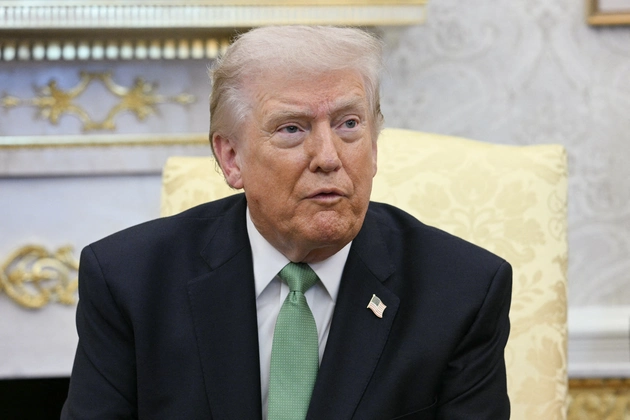
On March 17, local time, U.S. President Trump met with Irish Prime Minister Michel Martin at the White House POLITICO
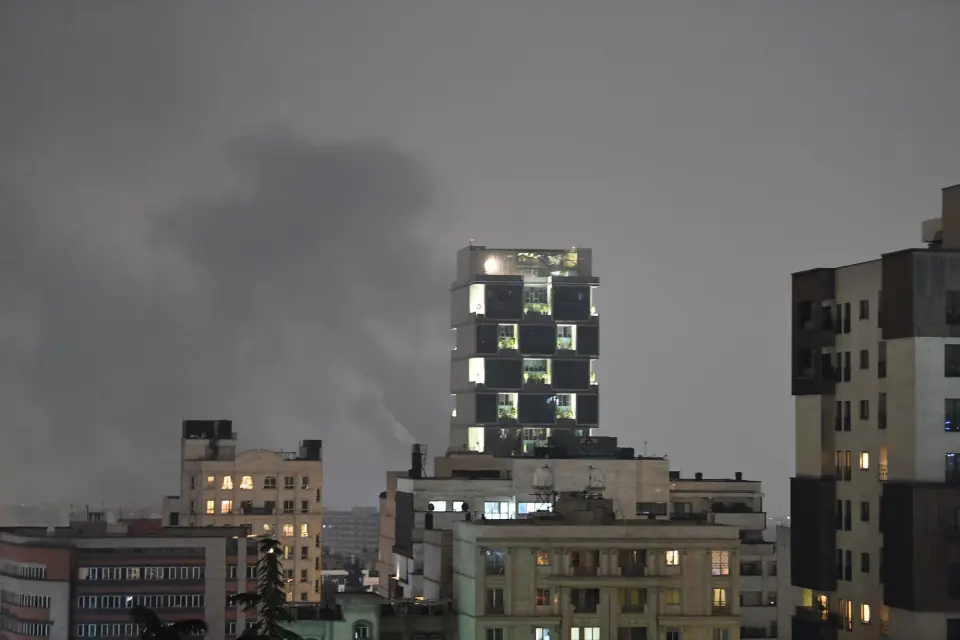
According to reports, in response to the brazen military actions launched by the United States and Israel, Iran also responded to the attacks by the US-Israeli coalition forces.
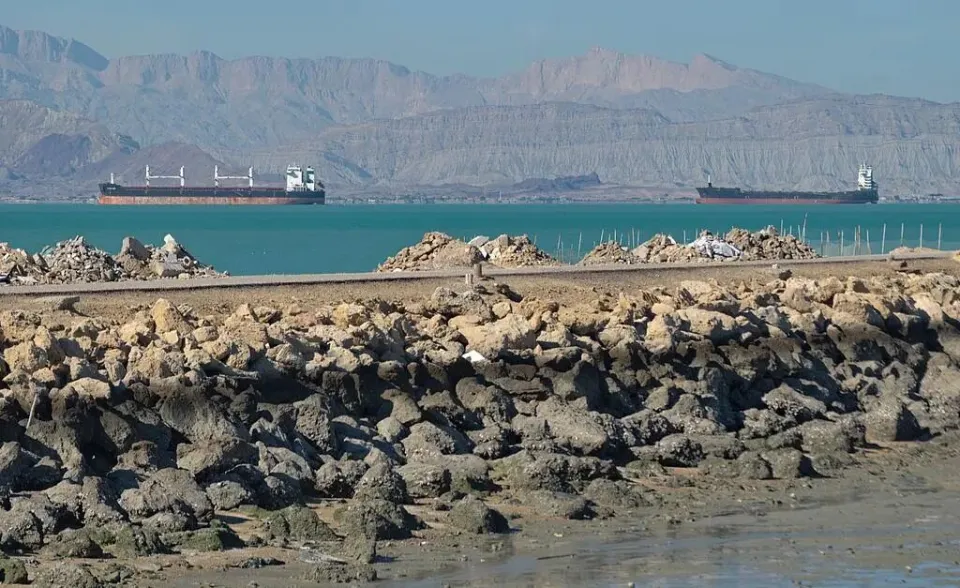
Previously, Iran blocked the Strait of Hormuz, an important global waterway, which effectively paralyzed the Strait and affected global oil prices and even economic activities.
Since 20% of the world's oil transportation passes through this strait, Trump also issued an "appeal" on March 14, local time, asking all countries to help maintain navigation safety in the strait.
According to the British "Guardian" report on March 15, local time, in the face of Trump's call, the United Kingdom stated that it was consulting with its allies on plans to send unmanned boats to clear mines. Although senior Japanese officials did not rule out sending warships, they admitted that the actual deployment threshold was "extremely high," which was tantamount to a polite rejection. South Korea stated that it would communicate closely and make careful assessments; France clearly refused to send ships and only planned to carry out purely defensive escorts after the conflict eased. At the same time, India emphasized that direct negotiations with Iran are the effective way to reopen the strait.
Seeing that allies responded coldly to the call for escort, Trump was frustrated. In an interview with the Financial Times on the same day, Trump publicly warned that if allies were indifferent to helping the United States open the Strait of Hormuz, NATO would face a "very bad" future. Analysis points out that Trump is clearly and unabashedly asking European countries to join the U.S. war in Iran.
"Countries that benefit from the Strait of Hormuz should help ensure that there is no trouble in the region. This is only reasonable." Regarding the trouble he caused, Trump fantasized about dragging other countries into trouble. He said that unlike the United States, Europe is highly dependent on oil from the Gulf region.
"If there is no response, or a negative response, it means that NATO will face a very bad future." He added.
"We have protected you for 40 years, and you don't even do this little favor?" On March 16, local time, when Trump delivered a speech in the Oval Office of the White House, he was once again full of resentment at his allies for refusing to participate in the escort.
Disappointed, he pretended to be calm. "We don't need anyone, we are the most powerful country in the world." Trump hinted that calling on allies to help reopen the Strait of Hormuz is actually a loyalty test to U.S. allies.
"I do it, in some cases not because we need them, but to see how they react."
Nonetheless, Trump said the countries that would agree to help the United States reopen the Strait of Hormuz would be announced “soon.”
"There are several countries, and we will announce the list soon," he said in the Oval Office. "Some countries are very positive."
Earlier on March 17, local time, Trump angrily wrote on his self-created social media "Truth Social": "Given that we have achieved great military success, we no longer 'need' nor desire the assistance of NATO countries; in fact, we have never needed it!"
In addition to NATO countries, in this post, he did not forget to "name" Japan, Australia and South Korea, three non-NATO countries.