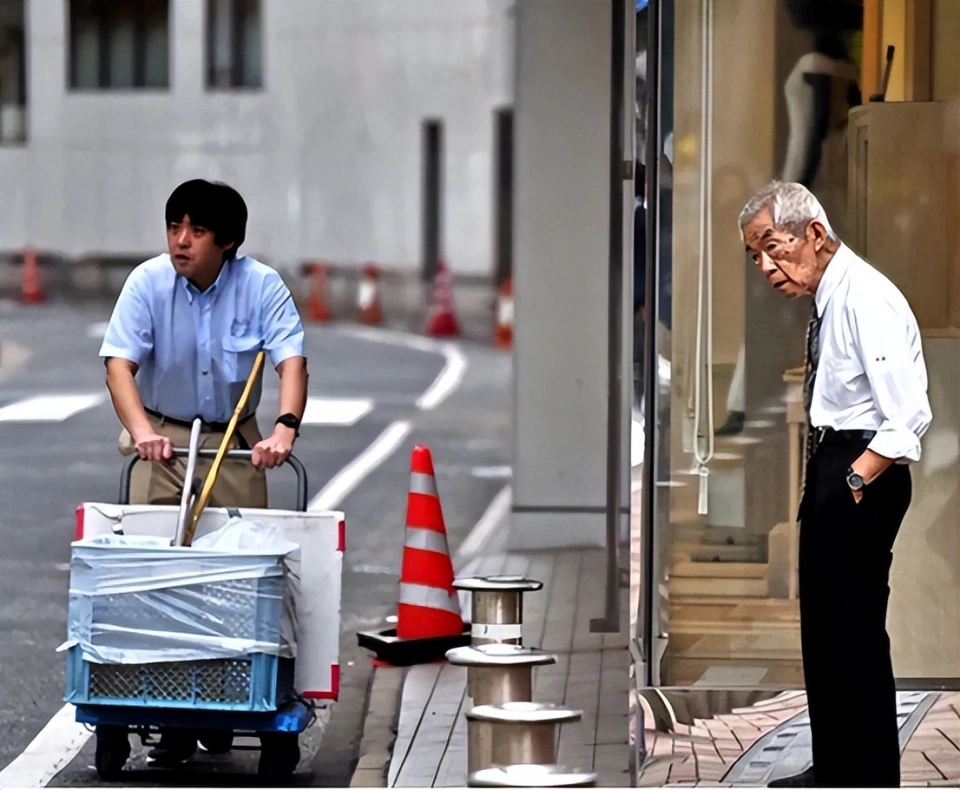
After living in Japan for five years, many people will come to an extremely pessimistic conclusion: this country has no future. However, this view often only sees the silence of the surface, but ignores the unfathomable resilience of the underlying layer. When we want to discuss a country's future, we cannot rely on intuition; we must see through its cold and hard-core data.
First of all, please put away your misconceptions about Japan’s “poverty”. Even after experiencing the so-called "lost thirty years", Japan's per capita nominal GDP still remains at US$35,000. If you include the huge income from overseas assets (GNP), this number is actually US$38,000. More importantly, Japan is an extremely "average" country, with the median annual income of ordinary people ranging from 150,000 to 200,000 yuan. Among all G7 countries, Japan's tax system does not encourage sudden wealth. It is more like a "socialist country" disguised as capitalism. Although this system has stifled the enthusiasm of a very small number of geniuses, it has built an extremely thick anti-risk cushion for the entire society.
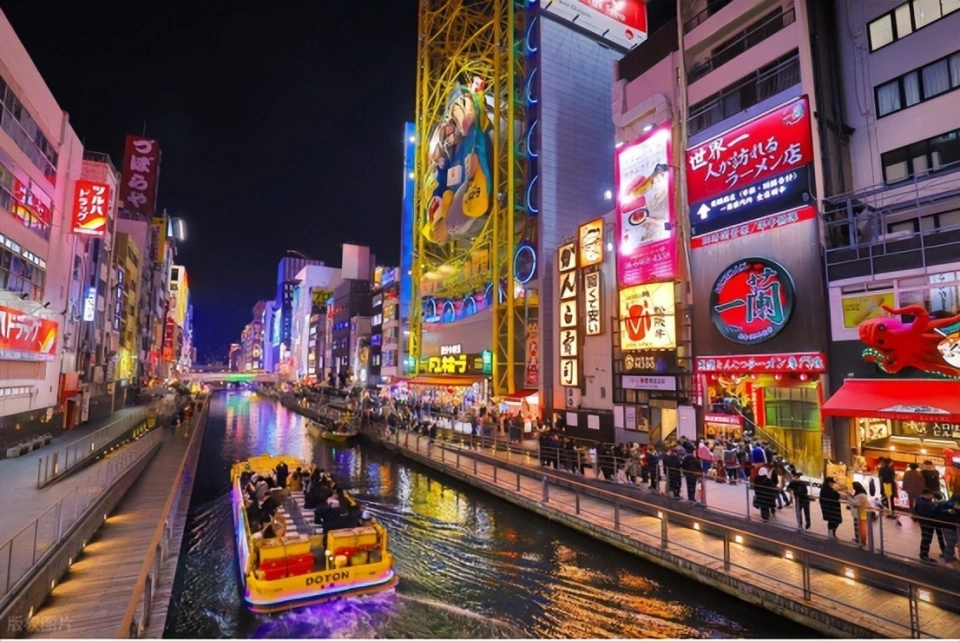
Let’s talk about the automobile industry, which everyone loves to pessimize. Yes, the rise of China's electric vehicles is indeed unstoppable, but has Japan really lost? The profits of Toyota alone exceed the combined profits of all new energy vehicle manufacturers in China. In terms of stability and quality control of internal combustion engines, Japan still holds absolute hegemony. New energy is a big gamble, and Japan has chosen to bet long on hybrid, hydrogen and traditional energy. This kind of "conservatism" seemed outdated in the era of fanaticism, but when the energy crisis broke out, it became the most stable safe haven.
What is even more terrifying is Japan’s “invisible hegemony”. In the fields of semiconductor upstream materials, high-precision equipment and robots, Japan has already deeply embedded itself in the marrow of the global industrial chain. It does not seek to compete with the United States in terms of originality from 0 to 1, but in terms of ultimate craftsmanship from 1 to 100, it is the "gatekeeper" of the global industry. Looking at Japan's five major trading companies, they account for 20% of Japan's output value. In the past thirty years, they have used extremely cheap Japanese yen financing to harvest minerals, farmland and core assets around the world, recreating an "invisible Japan" overseas.
Of course, Japan's terminal illness lies not in external competition, but in its internal "rigid paradox." Its aging has penetrated deep into its bones, and more than 30,000 century-old companies are facing the dilemma of having no successors. Last year, hundreds of companies were forced to close down simply because they could not recruit workers. An extremely absurd logic emerges here: Japan's economy is desperate for foreign labor and global talent, but Japanese society is permeated by an extremely narrow-minded xenophobic sentiment. This tear between demand and cognition is Japan’s real fatal wound.
But we cannot conclude that Japan has no future. Japan is experiencing a "deep precipitation" similar to Thailand. Thailand seemed to be stagnant after the 1998 financial crisis, but it has developed world-class standards in the fields of cultural creativity, design and advertising. The same is true for Japan. It still has strong defense capabilities in terms of hardware support and cultural industry output in the AI era.
Therefore, Japan is not "dying", it is just transforming from an "expansionary empire" to a "defensive fortress." It has a profound heritage, a very high social lower limit, and an irreplaceable industrial status. Its future may no longer see turbulent growth, but it has more “dry food” reserves in the dark than most countries. Looking at the bottom of data and logic, Japan's current situation and structure tell us: you can laugh at its slowness, but you absolutely cannot underestimate its ability.