Maritime data shows the number of ships operating in the Strait of Hormuz fell to zero for the first time
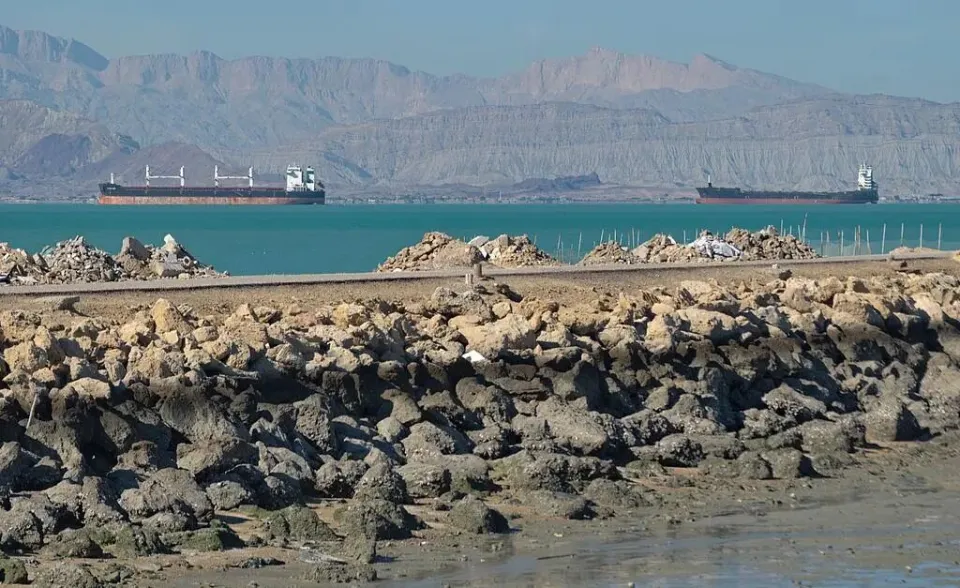
Strait of Hormuz (data map) According to British news on the 16th, there were no ships in the Strait of Hormuz, the global energy shipping hub, on the 14th. This is the first time since the United States and Israel launched military operations against Iran. Data from the maritime data analysis service company "Windward Company" wrote: "On the 14th, the number of ships navigating the Strait of Hormuz dropped to zero for the first time since the conflict began. Before the war, an average of 77 ships passed through the strait every day."
As geopolitical tensions continued due to attacks by the United States and Israel on Iran, on the evening of the 15th, international crude oil futures prices once again exceeded the US$100 per barrel mark when they started a new week of trading. As of 7:50 p.m. Eastern Time on the 15th, the price of light crude oil futures for April delivery on the New York Mercantile Exchange rose to a maximum of $101.32 per barrel.
International Energy Agency: Emergency oil reserves will soon be on the market
According to news from the International Energy Agency on the 15th, emergency oil reserves of member states will soon be put on the market to ease the current tension in international oil supply.
It is reported that each member country has submitted specific implementation plans to the International Energy Agency. According to the arrangement, members in Asia and Oceania will be the first to release reserves, while oil inventories from members in the Americas and Europe will be put on the market one after another from the end of March.

International Energy Agency (data map)
The International Energy Agency previously issued a statement saying that 32 member countries unanimously agreed to release 400 million barrels of strategic oil reserves. The latest data showed that 271.7 million barrels came from member government reserves, 116.6 million barrels came from industry reserves, and 23.6 million barrels came from other sources. About 72% of the oil planned to be released is crude oil and 28% is refined oil.
The International Energy Agency pointed out that the global oil market is facing the most serious supply obstruction in history. This emergency collective action is the largest so far and provides an important buffer for the market. But to truly restore stability to trade flows, the key still lies in restoring normal shipping in the Strait of Hormuz. Among them, improving the insurance mechanism and strengthening the safety protection of ships are the keys to promoting the recovery of trade flows.
U.S. oil companies urge the resumption of shipping in the Strait of Hormuz to stabilize oil prices, and the U.S. government responds negatively
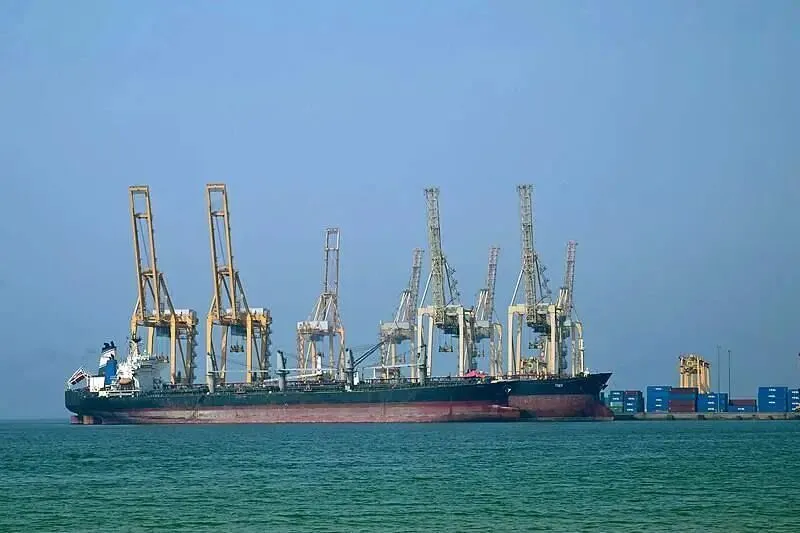
Oil tanker in the Strait of Hormuz (data map)
Executives of several U.S. multinational oil companies recently stated in meetings with U.S. government officials that continued obstruction of shipping in the Strait of Hormuz may lead to further increases in international oil prices, bring volatility to the global energy market, and put pressure on the global economy. U.S. government officials said that "there is nothing that can be done at this time."
According to U.S. news on the 15th, the U.S. government previously held a series of meetings. Energy Secretary Wright and Interior Secretary Burgum met with a number of oil company executives to discuss the impact of the current situation on the economy. These business executives believe that the energy market is affected by the tension. Considering that U.S. oil production will not increase significantly in the short term, the only way to resolve the market turmoil is to promote the restoration of traffic in the Strait of Hormuz.
It is reported that Exxon Mobil CEO Darren Woods warned during the meeting that market volatility may lead to continued rise in oil prices and supply shortages of refined oil. In addition, executives from oil companies Chevron and ConocoPhillips also expressed concerns about current supply disruptions during the meeting.
An unnamed senior administration official said the U.S. government knew oil prices would continue to rise but "there's nothing that can be done right now."
Chevron CEO Mike Wirth previously said that the market is currently "full of volatility and uncertainty and difficult to predict."
The crude oil transported through the Strait of Hormuz accounts for about one-fifth of the world's total oil transportation. As one of the world's top three exporters of liquefied natural gas, Qatar's liquefied natural gas is almost entirely shipped through the Strait of Hormuz, accounting for about 20% of the global supply.