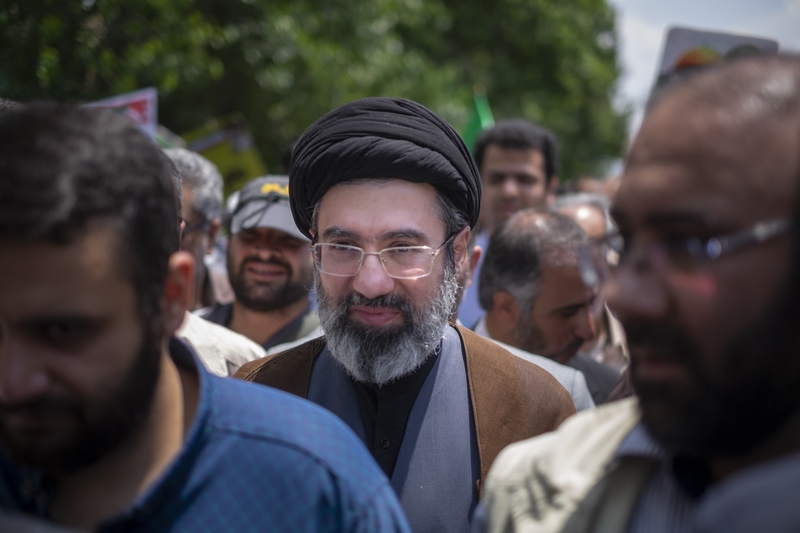
Xinhua News Agency, Beijing, March 16 (Xinhua) U.S. President Trump put pressure on NATO allies on the 15th, claiming that if NATO cannot assist the United States in normalizing navigation in the Strait of Hormuz, it will face "very bad" consequences. The Trump administration has previously called on many countries to participate in escort operations, but has received little public response so far.
According to US media, the White House plans to announce the formation of the so-called Strait of Hormuz Escort Alliance in the next few days.
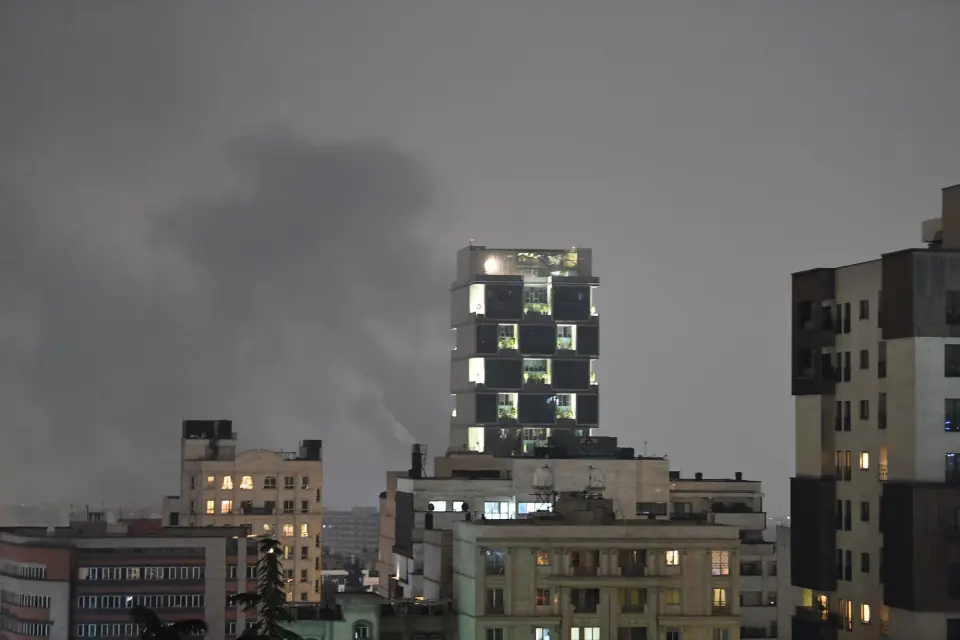
This is the thick smoke after the air strike in Tehran, the capital of Iran, taken on the evening of March 13. Photo by Xinhua News Agency reporter Shadati
Threaten NATO
Trump gave an eight-minute phone interview to the Financial Times on the 15th, during which he sent a "tough message" about European countries' involvement in military operations against Iran. He said that Europe is an important beneficiary of navigation in the Strait of Hormuz and should help ensure that "nothing happens there." If Europe does not respond or responds negatively, "I think that would be very bad for the future of NATO."
Trump asked for all the assistance the United States needs. He also specifically asked allies to send minesweepers, and he also hoped that Europe would send drones and mines.
In Trump's view, the United States does not need to help Ukraine, which is thousands of kilometers away from the United States, in the Russia-Ukraine conflict. It only does so because of the existence of NATO as a military alliance. "Now we have to see if they help us." He also said that he had long said that NATO is "a one-way street", that is, the United States provides support to its allies, but the allies may not come to help when the United States needs it.
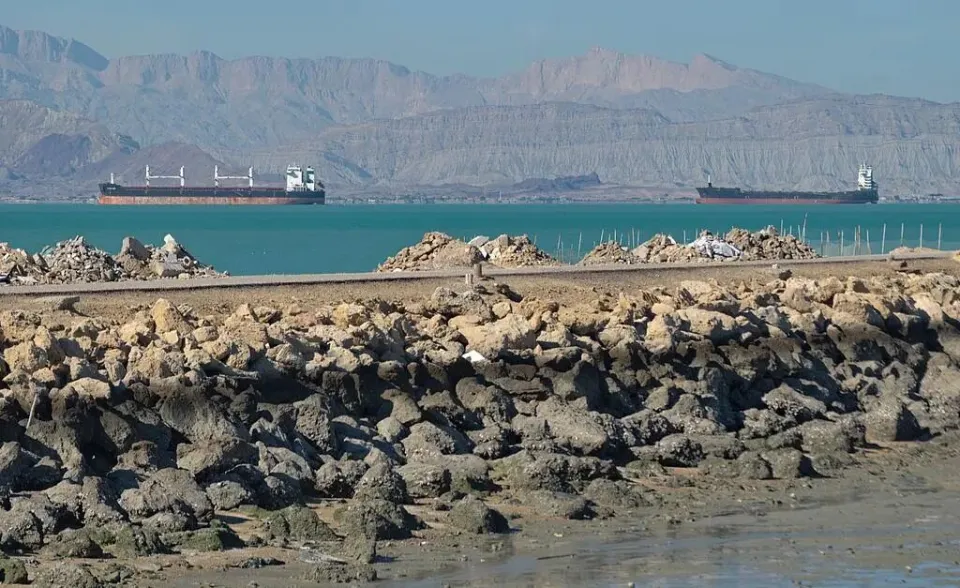
Shipping in the Strait of Hormuz has been nearly completely disrupted since the United States and Israel launched military strikes against Iran. Later on the 15th, Trump reiterated to reporters that about seven countries were interested in participating in the escort, but he did not disclose specific information.
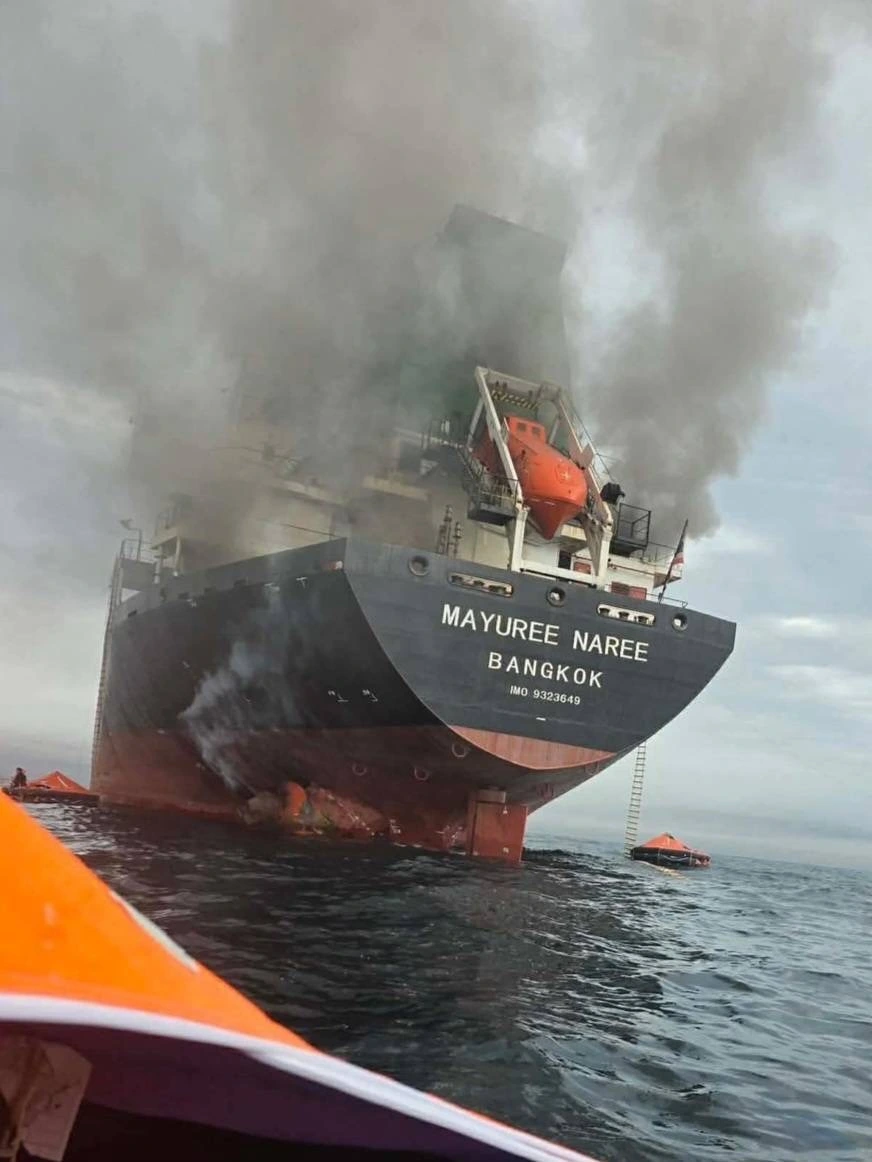
This photo released by the Thai Navy on March 11 shows a Thai cargo ship being attacked and on fire in the Strait of Hormuz. Published by Xinhua News Agency (Photo courtesy of the Thai Navy)
Very few respond
According to the Financial Times, Trump had a phone call with British Prime Minister Starmer on the 15th and was particularly frustrated with the British response. He said that the United Kingdom is often regarded as the United States' "number one ally" and "the longest-standing ally", but when the United States makes requests, the United Kingdom is "reluctant to come." According to the New York Times, British Energy Security and Net-Zero Emissions Minister Ed Miliband said on the 15th that the British government was exploring "all options" for air navigation and was discussing related matters with allies, but Miliband did not disclose details.
Takayuki Kobayashi, the political affairs investigation chairman of Japan's ruling Liberal Democratic Party, said on the same day that relevant issues may be discussed when Japanese Prime Minister Sanae Takaichi meets Trump in Washington on the 19th. The South Korean Presidential Office only stated that it "will maintain close communication with the United States" but made no commitment. France has yet to respond publicly.
Australian Minister of Infrastructure, Transport, Regional Development and Local Government Catherine King said on the 16th that Australia would not send naval ships to the Strait of Hormuz. On the 15th, German Foreign Minister Waldful expressed doubts about the possible expansion of EU escort operations to the Strait of Hormuz, believing that there is no need for Germany to participate in it. Wadful also said that Germany requires the United States and Israel to maintain information sharing and clearly inform them of the specific goals of military operations against Iran, "and then discuss with us how to end this war."
According to informed U.S. officials’ disclosure to the Wall Street Journal, some countries have agreed to escort ships through the Strait of Hormuz. However, many countries have not made public commitments due to the risks of escort, but hope to wait until the conflict subsides before intervening. The White House may announce the formation of a so-called convoy alliance as soon as this week, and the timing may change depending on the battlefield situation. Currently, the United States and some countries are still discussing whether escort operations should be launched before or after the conflict ends.
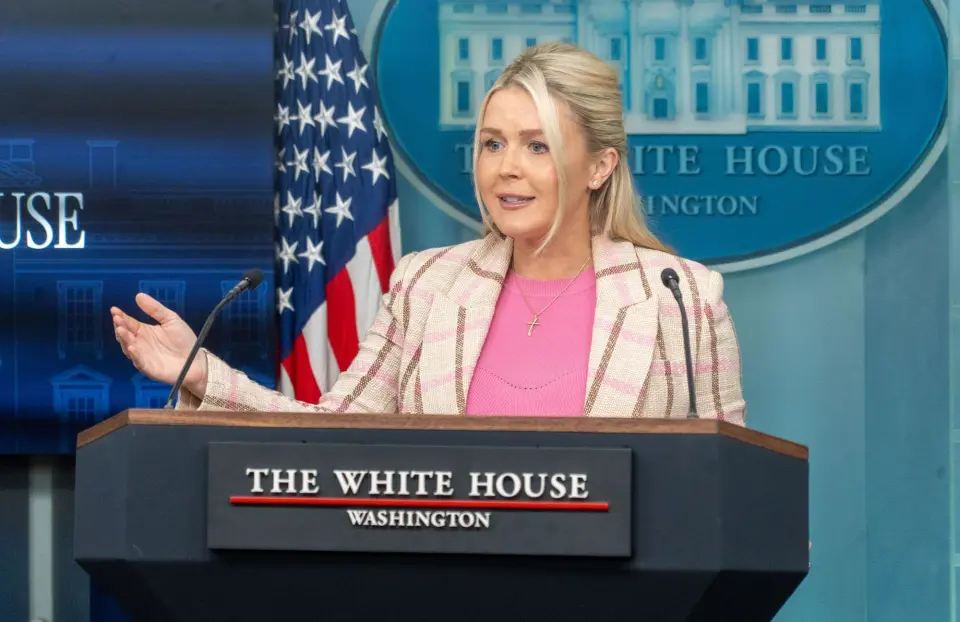
On March 10, in Washington, the capital of the United States, White House Press Secretary Levitt attended a press conference. Levitt told a news conference that the U.S. Navy is currently not escorting any tankers or other ships through the Strait of Hormuz. Published by Xinhua News Agency (Photo by Li Yuanqing)
facing difficulties
According to the "Wall Street Journal", the Trump administration faces difficulties in its military operations against Iran, including strategic-level problems such as increasing instability in the Middle East, the global energy crisis and negative domestic political consequences in the United States, all of which have proven difficult to solve through bombing alone. According to data from the American Automobile Association, the average price of gasoline in the United States surged 26% on the 15th compared with a month ago, and the average price of diesel surged 36% during the same period. Within the Republican camp, some people hope that the conflict will end immediately, while others advocate continuing to attack Iran.
Some U.S. officials and analysts speculate that the Trump administration now has three "imperfect options": first, withdraw from the war to avoid the expansion of the conflict, but this will embolden the power of Iran's hardliners; second, continue to act to further weaken Iran's military capabilities, but will also cause the United States to bear the risk of more casualties and high energy prices; third, the United States and Israel suspend bombings and switch to regular military attacks on Iran in the future, but this will fall into an endless cycle of war.
Trump told reporters on the evening of the 15th that Iran was eager to negotiate and that Iranian Foreign Minister Araghchi’s statement that he had never requested negotiations was “false news.”
Earlier in the day, Araghchi told the US media that Iran had "never asked for a ceasefire or even negotiations" and was "ready to defend itself at all costs." "We don't see any reason why we should talk to the Americans" after negotiations with the United States failed, he said. (ocean)