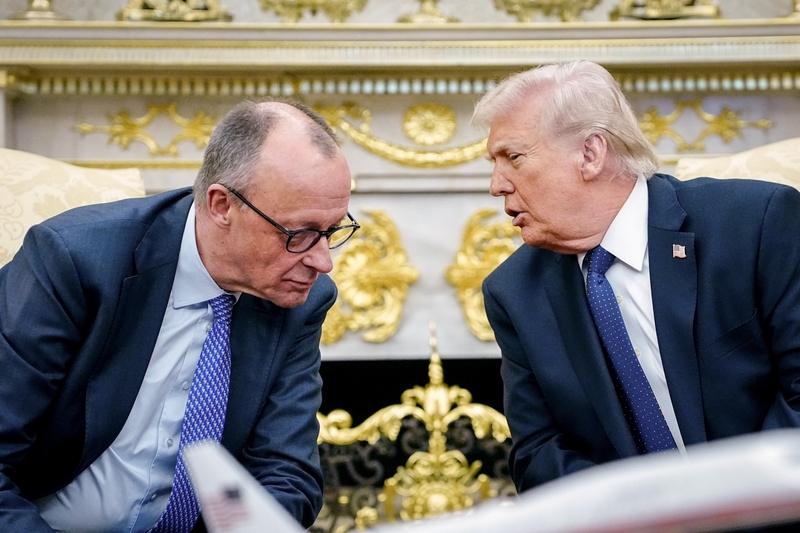
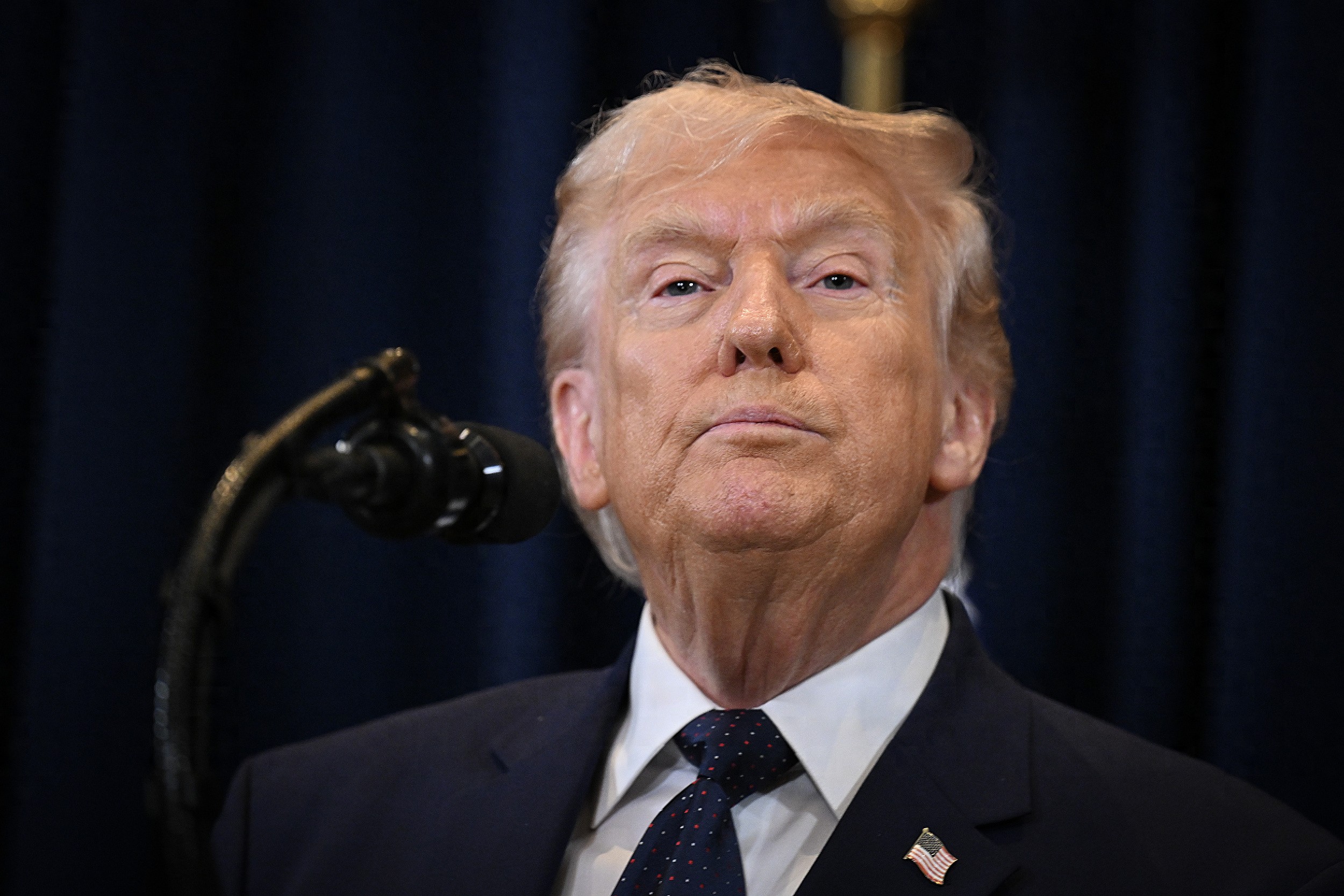
The US-Israel war continues, international oil prices soar, and US President Trump is also facing tremendous pressure at home. In order to stabilize oil prices, the United States will temporarily relax sanctions on some Russian oil. Ukrainian President Zelensky is dissatisfied with this.
According to a report by CNN on March 13, Ukrainian President Zelensky and French President Macron attended a press conference together on the 13th. Zelensky criticized the Trump administration for easing sanctions on Russian oil.
He claimed the move could provide Moscow with around $10 billion to fund its war in Ukraine, saying it would certainly not help peace.
Zelensky added: "We hear claims that this is an attempt to stabilize the situation, but in my opinion the logic is completely different. Russia is spending this money on weapons, mainly drones, which are attacking Ukrainians on a massive scale."
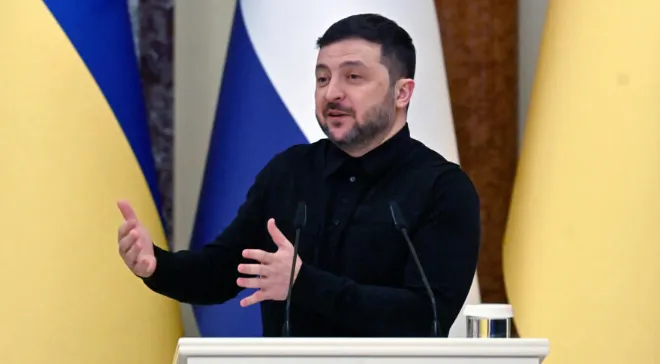
According to reports, his remarks reflected growing concerns in Europe that Moscow may profit from the war with Iran as the global economy looks away from Ukraine and towards oil markets outside the Middle East.
Macron sought to reassure Zelensky that "nothing will distract from our efforts in Ukraine" and reiterated France's support for Kyiv.
"Rising oil prices must not be a reason for us to review our sanctions policy against Russia," he said, adding that Moscow was mistaken if it thought a war with Iran would reduce any pressure it faces.
The United States and Israel suddenly attacked Iran on February 28, killing Iranian Supreme Leader Ayatollah Ali Khamenei and other senior officials. Iran struck back hard and blocked the Strait of Hormuz. The war reached a stalemate that continues to this day.
The continuation of the war has affected global crude oil supply, and rising oil prices have also put U.S. President Trump under tremendous pressure domestically. The Republican Party may be abandoned by voters in this year's midterm elections. Since March 9, Trump has been releasing news that the war is almost over.
The U.S. Treasury Department announced on March 12 that it would temporarily relax sanctions on some Russian oil amid recent tensions in the Middle East that have led to rising oil prices.
On March 12, the United States announced that it had issued 30-day licenses to various countries to purchase Russian oil and petroleum products currently stranded at sea. This measure is seen as a temporary policy adjustment to ease the pressure on global energy supply amid tensions in the Middle East and rapid rise in international oil prices.
According to the Consumer News and Business Channel (CNBC), according to the license text published on the website of the U.S. Department of the Treasury, any Russian crude oil products that have been loaded on ships on or before 0:01 a.m. Eastern Time on March 12 can be delivered and sold within the scope of the license. The license is valid until 0:01 Washington time on April 11.
Reuters quoted Fox News as saying that as of March 12, approximately 124 million barrels of Russian oil were stranded at about 30 locations around the world and had not yet been delivered, enough to supply for five to six days.
U.S. Treasury Secretary Bessent said on the social platform X that the measure is a "targeted short-term measure" that only applies to oil already in transit and will not bring "significant economic benefits" to the Russian government. He said that the temporary increase in oil prices is only a short-term disruption, but in the long run, it will still bring huge benefits to the United States.