Media: Iran shocked the world with its killer weapon and America "turned from complacency to panic"
In one of the most tumultuous weeks in oil market history, Iran's trump card is a virtual blockade of the Strait of Hormuz, through which about a fifth of the world's oil and liquefied natural gas are normally transported.
An Iranian propaganda video made in the style of Lego animation has gone viral online, showing how Tehran is declaring victory in its war against the United States this week on a major battlefield: the oil market.
Seven armed speedboats rushed to the oil tanker and blocked shipping in the Strait of Hormuz; financial practitioners saw the skyrocketing oil prices and cried bitterly and were at a loss; Arab countries fell into despair due to the paralysis of crude oil exports.
The animated scene echoes real-life combat situations, highlighting how soaring oil prices have become one of Iran's most powerful weapons in the conflict.
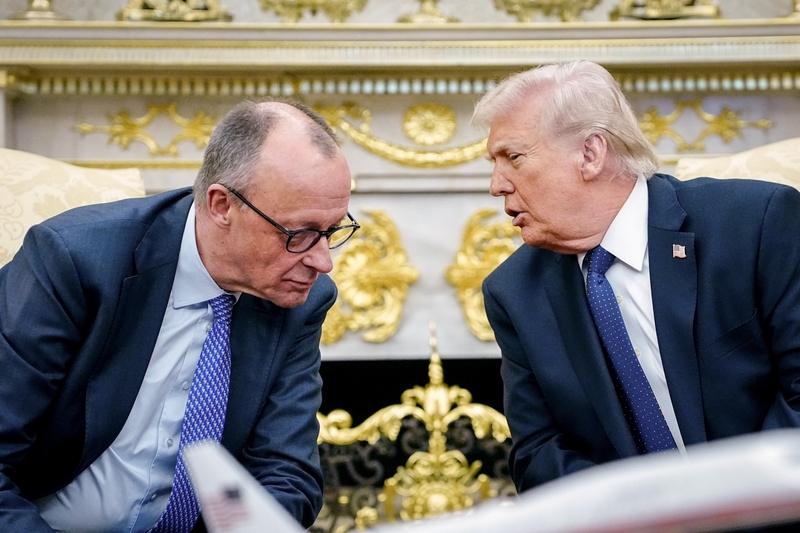
Photo of US President Trump/Xinhua News Agency
"The energy market is the main battlefield in the next phase of the conflict," said Jeffrey Pyatt, a former White House energy adviser. "Iran is clearly using the market to make a fuss in the hope of putting pressure on the Trump administration."
For the "survival is victory" Iranian regime, pushing up oil prices is a key success indicator against Trump, who is obsessed with driving down oil prices. Oil prices will also affect the direction of the war. After crude oil prices approached a four-year high of US$120 per barrel, Trump declared that the US action "objective has been accomplished."
In one of the most tumultuous weeks in oil market history, Iran's trump card is a virtual blockade of the Strait of Hormuz, through which about a fifth of the world's oil and liquefied natural gas are normally transported.
Tehran currently has almost complete control over the Gulf oil market, forcing neighboring countries such as Iraq to almost completely suspend production. About 300 million barrels of oil and natural gas cannot be shipped out of the region, and this number continues to rise at a rate of about 20 million barrels per day.
As of the 13th, despite Trump and his Western allies announcing the launch of the largest emergency oil reserve release in history, oil prices remained at about US$100 per barrel.
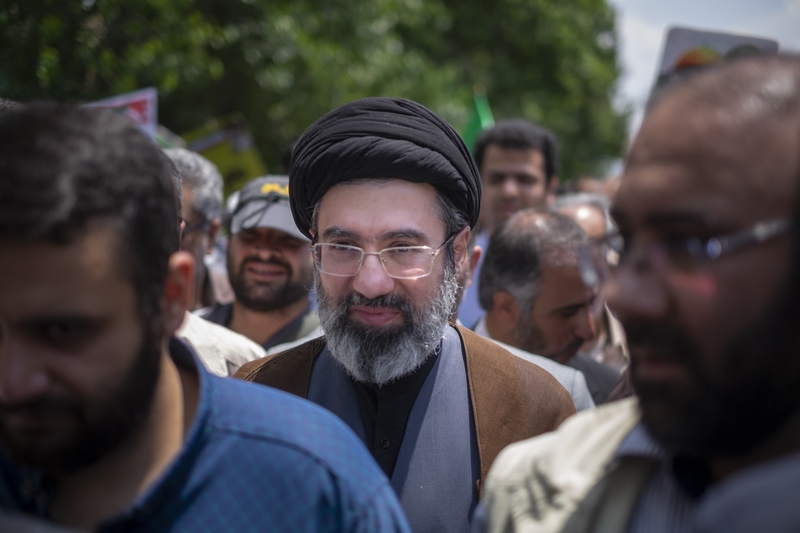
Iran's new Supreme Leader Mujtaba Khamenei announced that he would block the strait indefinitely, which greatly surprised oil traders, who had always believed that US military power would ensure the smooth flow of the channel.
Although Iran has threatened many times before, it has never actually blocked the Strait of Hormuz. Its decision this month to blockade and launch attacks on energy facilities in neighboring countries shows that this conflict is a matter of life and death for the Iranian regime.
"The Strait of Hormuz has always been Iran's most valuable bargaining chip. Its use of this bargaining chip surprised many people, and even shocked Iran. If the conflict continues for a long time, global oil reserves will be exhausted." Hamid Hosseini of the Iranian Oil Exporters Alliance said. Tehran's own oil exports continued, he added.
In recent days, Tehran has at times appeared to be speaking directly to oil traders in Geneva and New York, threatening that oil prices could soar to $200 a barrel.
The United States "went from complacency to panic"
As the U.S. midterm elections approach, the Republican Party is already in trouble due to people's "cost of living pressure", and rising oil prices will definitely make the situation worse. The Trump administration is already feeling rising pressure.
The White House purged Iran's top leadership on the first day of the conflict and once remained optimistic about the war. However, its attitude quickly changed as oil prices surged when the market opened on the evening of the 8th.
There were constant reports over the weekend that some major oil-producing countries around the world were forced to cut production. The severity of the energy crisis was fully revealed, and oil prices experienced one of the largest increases in history.
Trump and Netanyahu
"At about 6:05 on the evening of the 8th, the government's attitude changed from complacency to panic," said a person familiar with the White House's response. "They seemed to have woken up from a dream and realized that the problem was far more serious than expected."
On the evening of the 8th, US officials supported the G7 finance ministers to convene a meeting the next day to discuss the emergency release of oil reserves, while the White House repeatedly insisted last week that it had no such plan.
The White House seems willing to use any means to bring down oil prices, but Pyatt, who was responsible for energy security in the Biden administration, said such measures would have limited effect.
Ernest Moniz, who served as energy secretary in the Obama administration, said that ultimately, the only way for the United States to drive down oil prices is to try to fill the market supply gap.
"If you can't fill the 10 million barrels per day market gap quickly, it's going to be difficult to calm the current wild swings in oil prices," he said.
Gulf states 'furious over this'
Gulf countries are also clearly aware that if they are unable to supply energy to the market for a long time, it will create political space for Russian energy to return to the global market.
According to multiple people familiar with the matter, before the war broke out, the Gulf countries tried to warn the United States that seeking regime change in Iran would lead to unpredictable chaos.
"I don't understand why the United States didn't expect it. They had been warned long ago but chose to ignore it, resulting in today's situation." Helima Croft, a former CIA official and capital market analyst, said. She added that the Gulf states were "furious about this, both at Iran and angry that someone had stoked a hornet's nest."
Although the United States has rehearsed the consequences of the conflict, officials are convinced that the operation against Iraq will be quick and may last only a week, and the rise in oil prices will only be a short-lived fluctuation.
The White House has consistently denied that it was caught off guard by the current situation. White House spokesman Tyler Rogers said: "The president and his entire energy team had plans to stabilize energy markets long before the operation began."
But traders were puzzled by the president's conflicting comments on how long the conflict would last and whether he wanted to keep oil prices lower.
"For me, stopping Iran is more important than stabilizing high oil prices." Trump posted on his "Real Social" website on the 12th, while claiming that the United States is the world's largest crude oil producer. "When oil prices go up, we can make a lot of money," he said.
The energy supply system is difficult to recover quickly
Markets are soberly aware that it may take months or even years for energy markets to return to normal. "All parties know that it is extremely difficult to restore oilfield production and repair equipment," said Daniel Yergin, vice chairman of S&P Global. "The energy supply system cannot be turned on with a click, and any new production capacity will require time and investment."
The decision to end the conflict does not lie solely in the hands of the United States and Israel. Roxanne Farmanfarmayan of the Royal United Services Institute predicts that Iran will maintain the blockade of the Strait for a long time and continue to push up oil and gas prices.
"Iran wants to ensure that Israel and the United States will not come back within 8 to 10 months after the ceasefire. They do not want a third war to break out. Therefore, they will push the situation to a point where the United States cannot go to war against it again," she said.
There is still the possibility of further escalation of the conflict. Iran's proxy Houthis in Yemen have not yet intervened in the conflict, disrupted shipping in the Red Sea or attacked Saudi oil pipelines.
The Iranian regime knows very well that the release of emergency oil reserves will only delay the pain of the global economy for a few weeks at most, and may even mean that it may become stronger after the conflict.
"After the war, Iran will continue to control the Strait of Hormuz and may even collect tolls," Husseini said.
"No country will be able to challenge its control. Iran has found leverage that the United States cannot effectively counter."
This article was published on the Financial Times website on March 13. It was originally titled "The War on Oil Prices" and was written by Malcolm Moore.