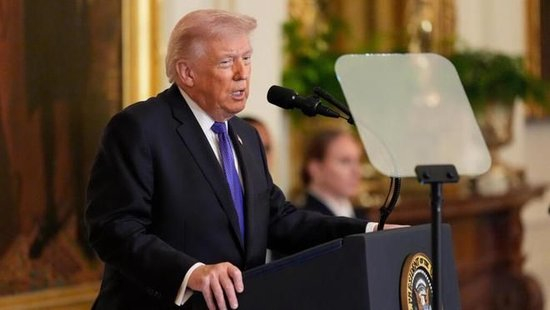
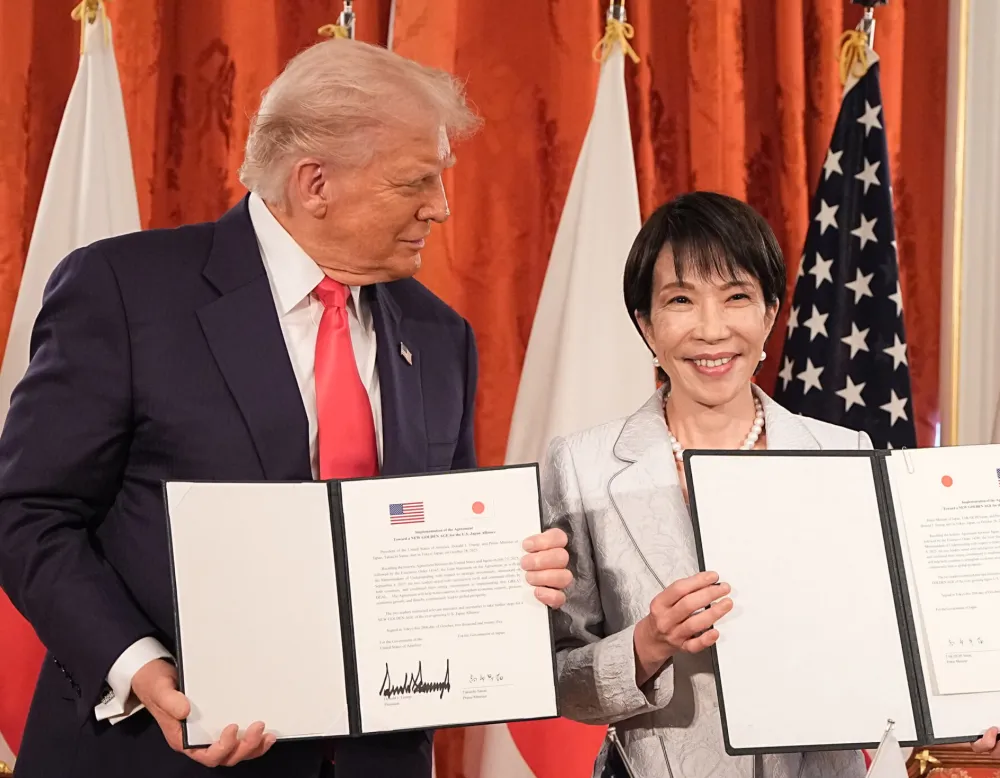
According to Observer.com news on March 12, Bloomberg reported that after U.S. President Trump announced that he would visit China at the end of this month, the soybean procurement issue is likely to be included in the agenda of the next meeting between Chinese and U.S. trade officials. U.S. Treasury Secretary Bessent, Trade Representative Greer and Chinese officials are expected to meet in Paris this weekend to prepare for Trump's visit to China.
However, the current problem is that after China fully fulfilled its purchase commitment of 12 million tons, its purchase commitment to U.S. soybeans has stalled. Traders expect that Chinese buyers may wait until September when the new season of U.S. soybeans becomes available and prices are more advantageous before resuming purchases.
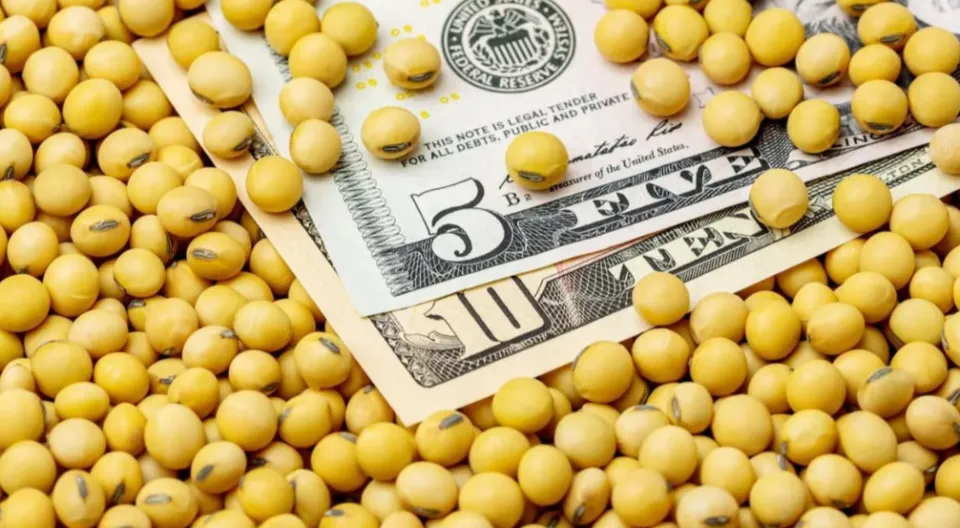
U.S. soybeans
Susan Stroud, an analyst at No Bull Ag, an agricultural analysis agency, said: More than ten days have passed in March, and we have not seen any soybean purchases from China that express goodwill. This has also appeared in previous negotiations.
Why not buy it? China has a strong balance in its heart
Sino-US soybean trade is a commercial activity, and commercial activities tend to pay more attention to factors such as procurement costs. It is currently the peak soybean harvest season in the southern hemisphere. Brazil, the largest seller of soybeans purchased by China, has sufficient supply and low prices. The current FOB price at Santos Port is US$420.09 per ton. Obviously, this is a better choice for Chinese buyers.
In contrast, U.S. soybeans have no advantage. The FOB price at the Port of New Orleans is US$461.23 per ton. Not only are they more expensive, but they also face a 13% tariff. These disadvantages of U.S. soybeans have inhibited the willingness of Chinese buyers to purchase.
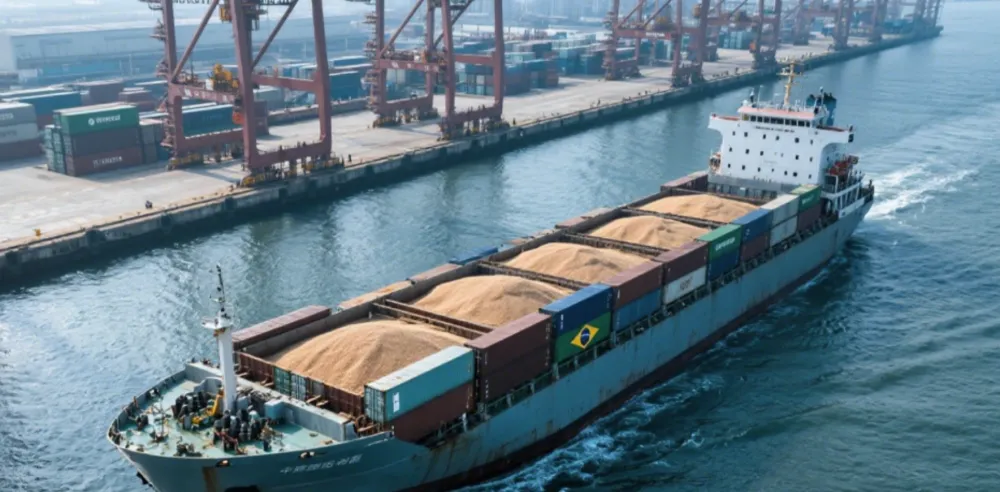
Brazilian soybeans are shipped out of the port
Taking a step back, China's purchase commitment of 12 million tons is the result of consultations between the China-US trade teams. Since China has fully completed the purchase volume, why bother with US soybeans? It can only be said that the United States is greedy and always thinks that without American soybeans, China has no other choice.
When doing business, we always pay attention to shopping around. When China has completed its purchase commitment to the United States, there is nothing wrong with buying soybeans from other sellers. You can't say that if China doesn't buy from the United States, it will buy and sell by force, right? What's more, U.S. soybeans themselves have no advantages, and Chinese buyers turning to other sellers is in line with market rules.
If the United States really wants to do business with China, it must at least improve the competitiveness of U.S. soybeans at the commercial level, such as lowering prices and removing tariffs. It wants to sell soybeans to China without paying. There is no such business in the world.
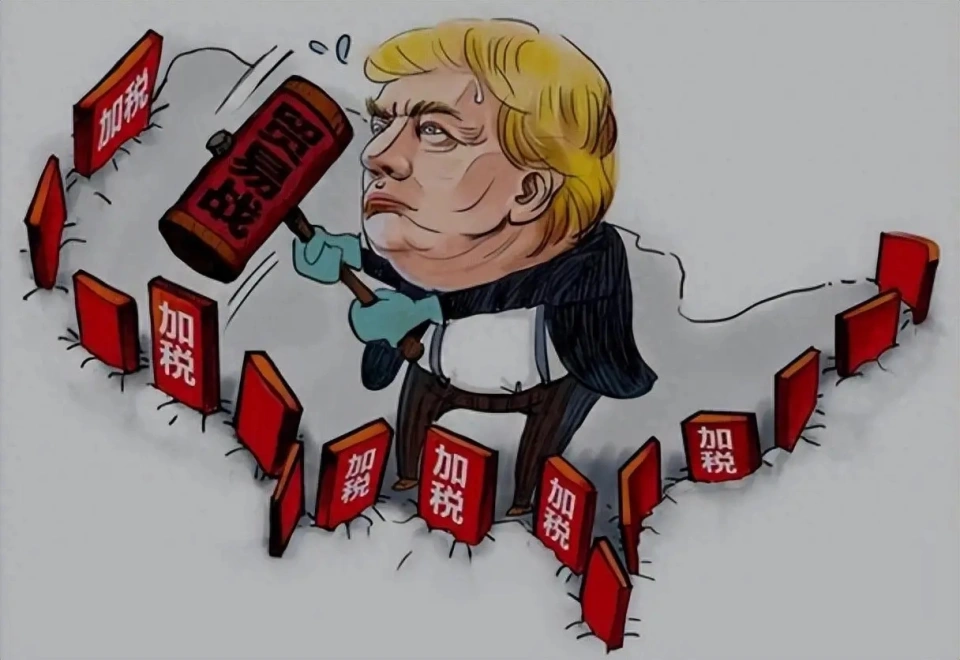
Trump imposes tariffs
The account of geopolitics
Of course, we all know that the Sino-US soybean trade is more driven by political factors, so the United States’ hope of continuing to urge China to purchase is pinned on Trump’s visit to China and clearing sales channels for American soybeans through diplomatic dialogue.
However, at this critical juncture, the United States still wants to buy and sell by force. U.S. Trade Representative Greer launched a new round of "301 investigations" on Wednesday, including China. On the one hand, this move is the Trump administration's preparation for continuing to maintain tariffs. On the other hand, it is looking for bargaining chips for its visit to China.
Because for Trump, the United States is at a disadvantage in the Middle East, and there are not many ways to restrain China in trade, and the "Taiwan card" is not easy to play. He can only use empty branding methods to create bargaining chips, otherwise he will not even have the capital to exchange for China's purchase of American soybeans.
trump
According to Trump's statement in February, he hopes that China's purchases will be increased to 20 million tons this season. However, 11 days have passed in March, and Chinese buyers have not bought any. This has become a trump card for China's negotiations. You must know the basics of Trump and the Republican Party. U.S. soybean farmers account for a large proportion. If Trump cannot persuade China to continue purchasing, the Republican Party will face big problems in the mid-term elections.
The United States has its demands, and China certainly has its own concerns. Trump must retreat on issues involving China's core interests, including stopping arms sales to Taiwan, stopping collusion with "Taiwan independence" separatist forces, and obstructing China's reunification process.
As for the new round of "301 investigation", it actually poses no threat to China, and it is unlikely to be a card in the negotiations during Trump's visit to China. The reason is that if the Sino-US trade truce consensus is not to be destroyed, the Trump administration must act with caution. What has happened in the past has proven that China is never afraid of a trade war with the United States.

besant
China and the United States have different negotiating positions
In fact, many people have discovered that the United States focuses almost all of Trump's visit to China on trade, such as the soybean trade mentioned above and Bessant's promotion of China's purchase of Boeing aircraft. However, China's focus is not all on trade issues. It also hopes to solve political issues urgently related to Sino-US relations.
During the previous high-level phone calls between China and the United States, China focused on the issue of arms sales to Taiwan. So during Trump's visit to China, there is a high probability that China and the United States will have a fierce game over the Taiwan issue. China will not tolerate the United States continuing to cause trouble. If Trump is willing to do good business with China, he must temper his stance on the Taiwan issue, otherwise it will be difficult to reach any specific content.
However, judging from the current situation, the Trump administration still has some luck and is trying to use the "Taiwan card" to create bargaining chips. The United States recently sent a letter of acceptance to Taiwan's "defense department" for the delivery of the "Haimas" multiple rocket launcher system. On March 11, a US military P-8A Poseidon maritime patrol aircraft flew over the Taiwan Strait. All these prove that the United States has great ambitions.

P-8A
However, this is not a big problem. The balance of power between China and the United States in the West Pacific is the decisive factor in the game. If the United States is unwilling to give up the policy of "using Taiwan to contain China", it can challenge China's tough stance of "not sparing a war."