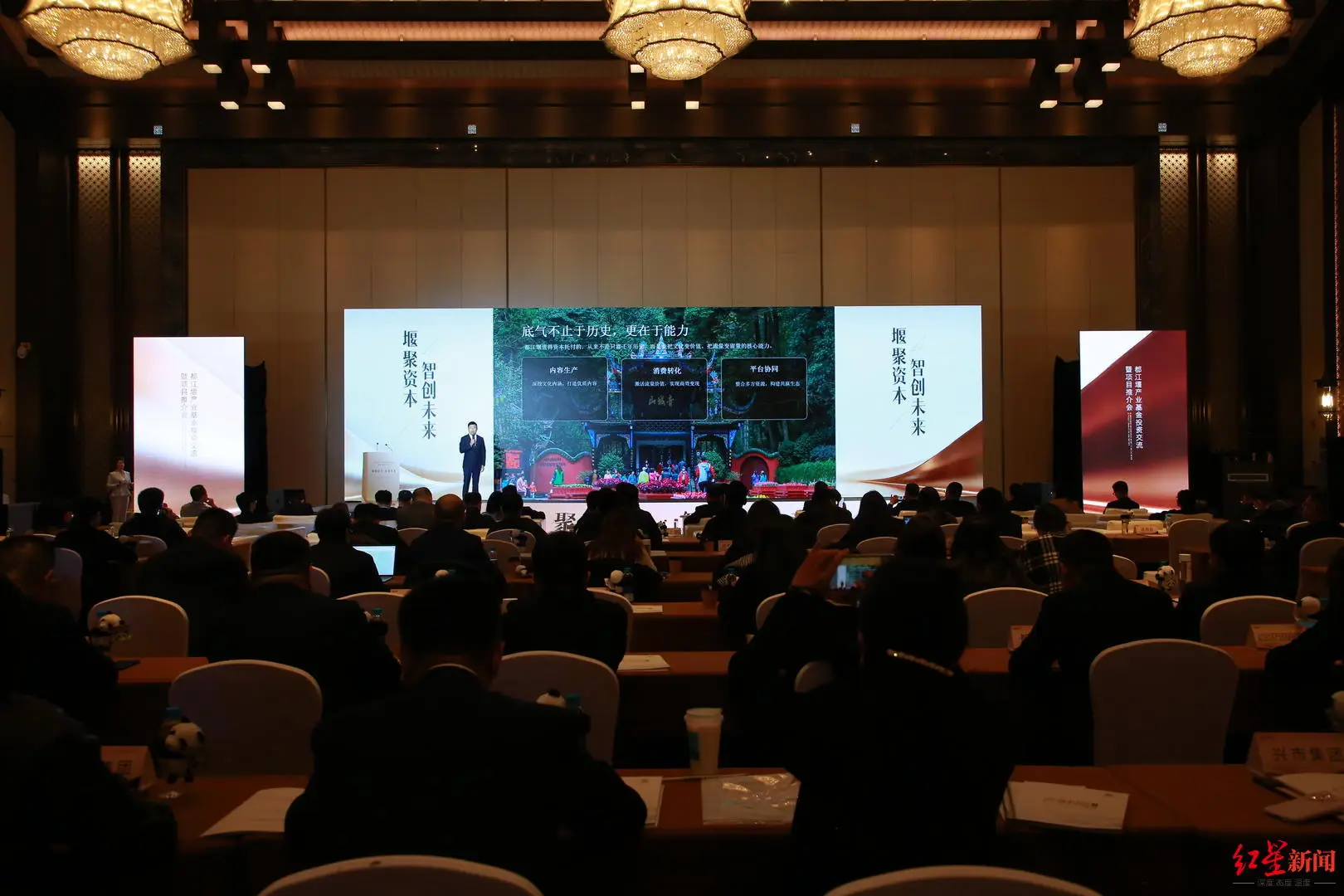
On March 7, 2026, the 4th Ultrasound Club AI Open Day "Beijing Lobster Conference" was successfully held at the 360 headquarters. This is currently the largest lobster conference in Beijing. Before the event, we received nearly a thousand registration intentions from shrimp enthusiasts. After screening, more than 300 entrepreneurs in the AI field, well-known investors, technical leaders of major manufacturers, and lobster enthusiasts from various industries came to the event. The online live broadcast that was launched simultaneously also attracted more than 40,000 viewers. The shrimp enthusiast communities in various cities of the Ultrasonic Club also broadcast live and interacted with each other simultaneously.
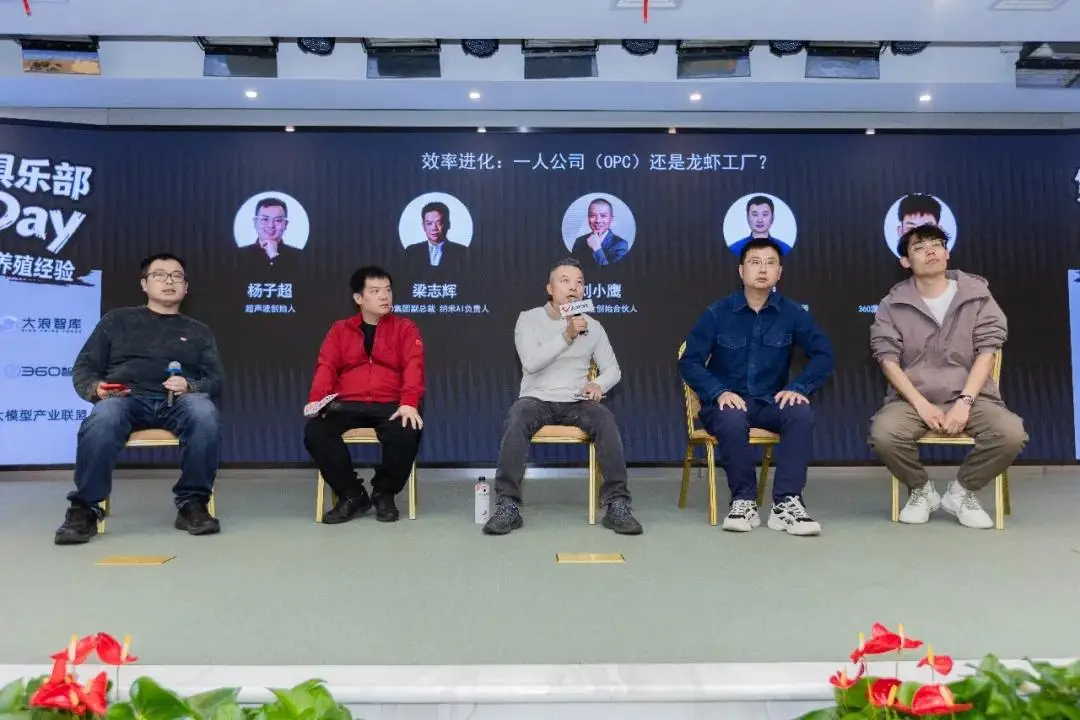
In the roundtable forum with the theme of "Evolution of Efficiency: One Person Company (OPC) or Lobster Factory", Liu Xiaoying, founding partner of Eagle Fund, conducted in-depth discussions with Yang Zichao, founder of Ultrasound, Liang Zhihui, vice president of 360 Group and head of Nano AI, and other industry figures. They shared their core judgments on the entrepreneurial trends in the AI era, focusing especially on the development potential and core entrepreneurial competency requirements of One Person Company (OPC). The following is a compilation of the core contents shared by them.
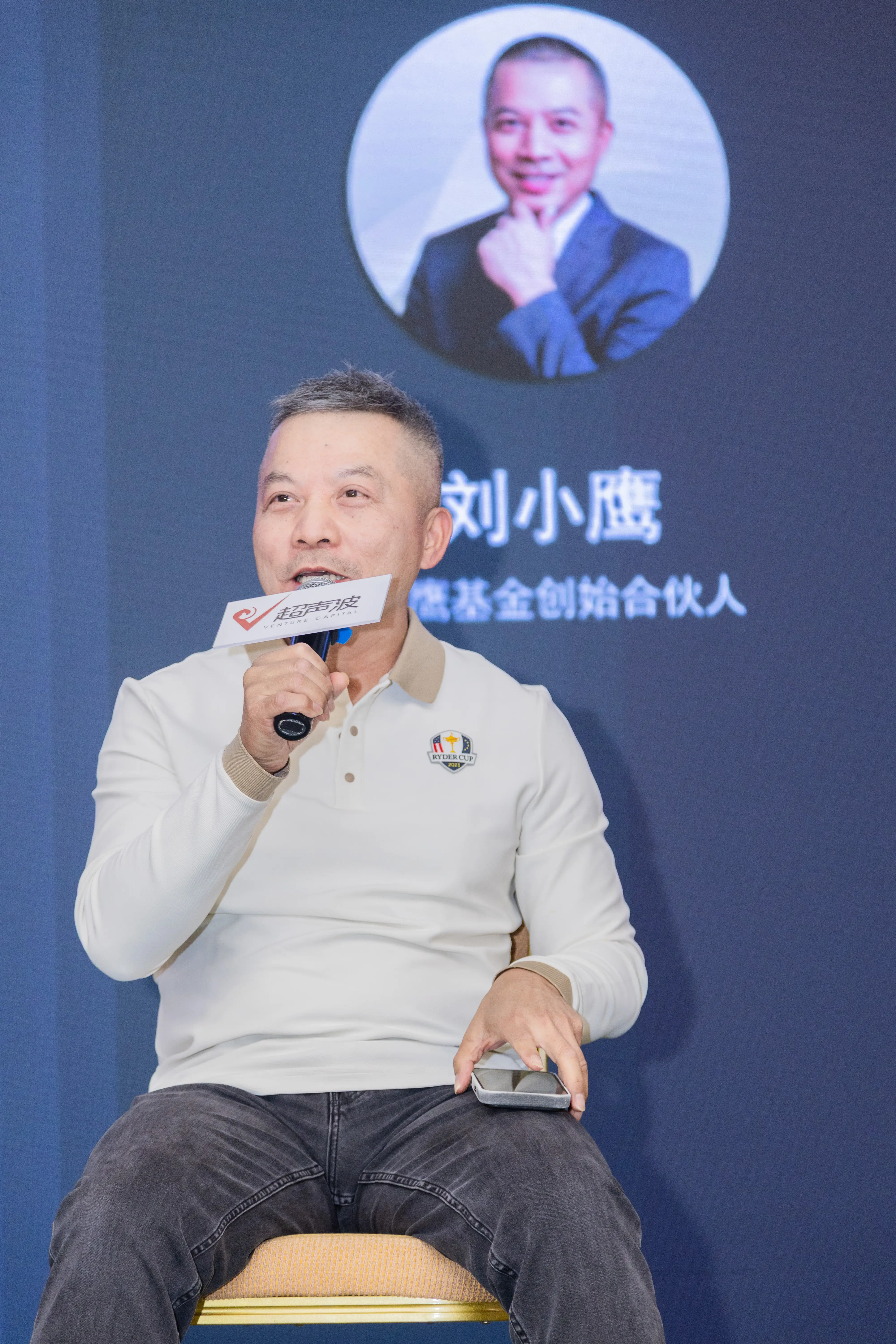
Liu Xiaoying, founder of Eagle Fund
AI is undoubtedly the focus of a new era of global innovation and entrepreneurship. Its popularity and depth of application are exciting, and universal AI interaction has become the norm. Before the Spring Festival, domestic Seedance 2.0 and overseas OpenClaw were launched one after another, further expanding the boundaries of AI application scenarios. In Liu Xiaoying's view, what deserves more attention is how to rely on AI technology to create greater value for productivity. This is also the core original intention of his participation in this event.
Looking back on his venture capital career, Liu Xiaoying has witnessed many rounds of entrepreneurial waves. During the wave of PC Internet entrepreneurship in 2000, only one of the dozen Internet start-ups he invested in Hong Kong successfully listed on Nasdaq. This made him deeply aware of the high-risk characteristics of angel investment, and also confirmed that the high returns of high-quality projects are enough to cover all investments and achieve profitability.
In the Internet wave for so many years, he admitted that he had missed many high-quality projects and potential entrepreneurs. In his view, the core of angel investors is to capture outstanding early-stage entrepreneurs and not to be afraid of missing out. The key is to capture the new generation of unicorn founders. An excellent evergreen investor can accurately capture unicorn and even super unicorn projects through continuous misses. If he can invest in a project that earns hundreds of times or thousands of times returns in his lifetime, he can once again gain financial freedom.
Now that the AI era is coming, Liu Xiaoying has once again devoted himself to entrepreneurial practice. He wants to learn from Kai-Fu Li. As the chairman, he joins forces with the CTO to form a team to create an OPC super AI tool. At the same time, he has begun to lay out the Chinese version of "Lobster" and OPC-related fields. The Chinese version of "Lobster" he is concerned about has the ability to self-replicate and fission, and can create millions of concurrent agents (Agents).
1. In the AI era, the new trend of OPC entrepreneurship is accelerating.
Liu Xiaoying's attention to OPC first started two years ago. At that time, Pika Labs in the United States completed financing with a team of only four people and was valued at over one billion. This case gave him the idea that "a one-person company is expected to grow into a unicorn in the future." As early as before the concept of "lobster" and the term OPC had yet to appear, he had discussed the entrepreneurial possibility of one-person companies with Cai Wensheng and other venture capital colleagues. Cai Wensheng was also optimistic about the development potential of one-person companies in his investment layout in overseas, Web3.0, and AI fields.
Liu Xiaoying believes that OPC is the most suitable model for China’s entrepreneurial ecosystem. China has a strong entrepreneurial atmosphere. The starting point of the private economy is self-employment. However, the entrepreneurial model in the Internet era requires entrepreneurs to find partners, form a core team of 2-3 people, complete demo development and business plan writing before starting financing. At that time, founders often needed to rely on the professional capabilities of partners such as CTOs, product managers, and marketing directors to promote the implementation of projects.
With the support of AI technology and tools such as "Lobster", OPC's entrepreneurial process has ushered in an opportunity to accelerate. At present, the "Pitch. Entrepreneurship Studio" created by Zimi Culture invested by Eagle Fund has become the leading account on the Xiaohongshu platform and has accumulated 15,000 paying users, all of whom are quasi-OPC entrepreneurs.
At the same time, Pitch also cooperates with the government to build an OPC professional incubator, providing full-link supporting services for OPC entrepreneurs in the AI era, from technical resources such as computing power, knowledge bases, servers, to seed fund support.
2. AI lowers the threshold for entrepreneurship, but core capabilities are still the key to entrepreneurial success
In Liu Xiaoying's view, social class distribution has always existed, and the top wealth creators will always be a minority group. Under different waves of entrepreneurship, business opportunities and market size show step-by-step growth:
In the traditional entrepreneurial era after reform and opening up, a number of entrepreneurs with tens of billions of wealth were born in the fields of real estate, import and export, and distribution; in the PC Internet era, the market size jumped to the tens of billions of dollars, giving birth to leading companies such as BAT;
In the era of mobile Internet, the scenario of everyone being online has increased the market size by another 10 times. New tracks such as local life and smart travel have emerged in an all-round way. Benchmark platforms such as ByteDance, Meituan, and Didi have been born, forming highly representative new industrial forces;
Entering the AI era, the speed of technology iteration and industry integration has increased significantly, and the market potential has been released exponentially. Not only is it expected that more outstanding entrepreneurs like Zhang Yiming will be born, but unicorns will also be born at a rate far faster than before.
In the current AI era, a number of leading unicorn companies have emerged quickly in just a few years. Companies such as Zhipu AI, Minimax, and Manus have become industry benchmarks. They have formed core competitiveness in areas such as large-scale model research and development and AI-native product creation, demonstrating the strong explosive development power of the AI track.
And this is just the beginning. As AI technology continues to make breakthroughs and application scenarios continue to expand, the birth rate of unicorns in the AI field will further accelerate in the future, and entrepreneurial opportunities will become more diverse.
A phenomenon worth pondering is that many well-known entrepreneurs have not received higher education, but they have attracted many top students to join their teams as senior executives. Liu Xiaoying proposed that when top students master technologies such as AI tools and "lobster", the success rate of entrepreneurship will increase, but not everyone can become an excellent entrepreneur.
In the past, out of 100 executives from large companies who left their jobs to start their own businesses, at most 10 could become successful entrepreneurs. In the AI era, this proportion is expected to increase to 50%, but the ultimate success or failure still depends on the core capabilities of the entrepreneurs themselves.
He believes that the core competitiveness of entrepreneurship lies in the founder's structure, persistence, financial intelligence, emotional intelligence, strategic intelligence, adversity intelligence and continuous learning and iteration capabilities. Even if all employees of a 100-person technology company learn and use the "Lobster" tool and everyone registers the company to become an OPC entrepreneur, only a handful will eventually become a real boss. The core competition is still the comprehensive quality and business monetization ability of entrepreneurs – how to use AI tools to achieve profitability and complete business fission is the key issue.
AI has indeed significantly lowered the threshold for entrepreneurship and brought more people on the same starting line, but this does not mean that the probability of entrepreneurial success will be greatly increased. Therefore, continuous learning is crucial for entrepreneurs. They must not only improve their financial intelligence, master professional knowledge such as business administration, accounting, finance, etc., be able to read financial reports, master business financing logic, but also realize the construction of full-link capabilities: they must not only understand AI technology and entrepreneurial logic, but also be deeply involved in the industry track, have hands-on ability, and become an excellent commander of AI tools such as "lobster", able to coordinate multiple AI Agents to serve business operations and profitability.
Liu Xiaoying took a case around him as an example. A friend's junior high school student, who was relatively precocious, proposed to give up high school and devote himself to "catching lobsters" and starting an OPC business. He clearly expressed his opposition to this. In his view, children at this stage have not yet perfected their personality and knowledge structure. They should first complete high school, university and even master's education, accumulate knowledge and obtain more resources in colleges and universities, and build a complete ability link from the bottom to the middle and then to the upper level. In their spare time, they can also take into account entrepreneurial practice, learn while doing OPC, and polish high-quality products.
In the final analysis, in the new AI era, one day is equal to one year in the past. Only by learning quickly and continuously building new capabilities can one become the master of AI instead of being constrained by AI tools. This is also the core foundation for entrepreneurs to achieve long-term development under the OPC model.

Summit site
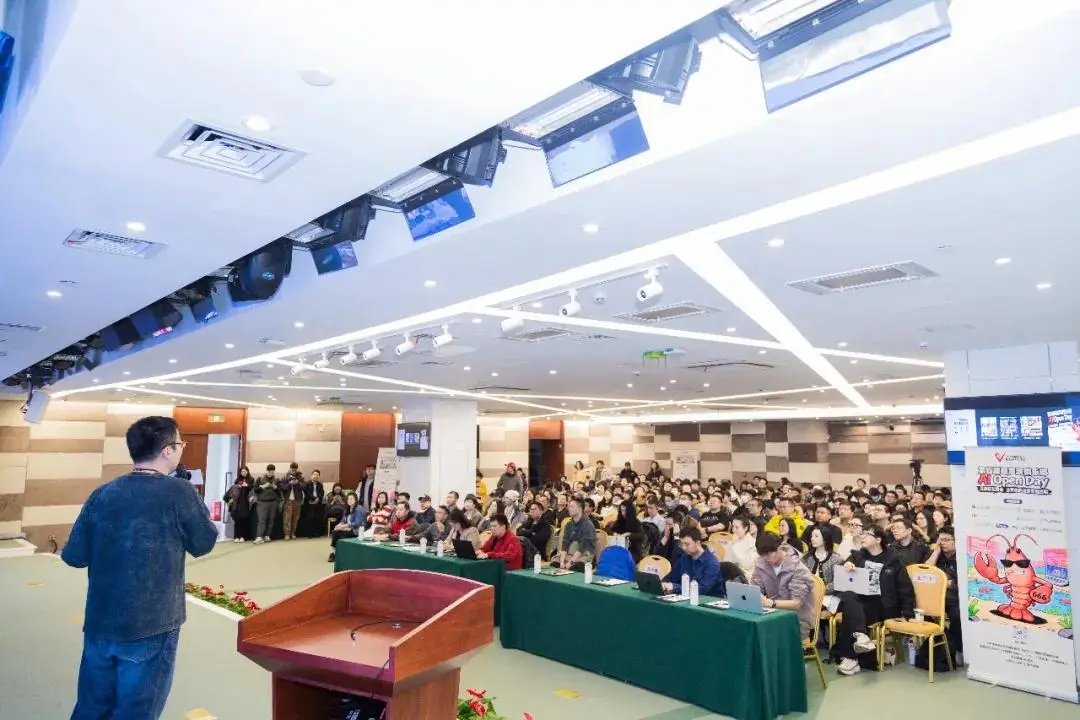
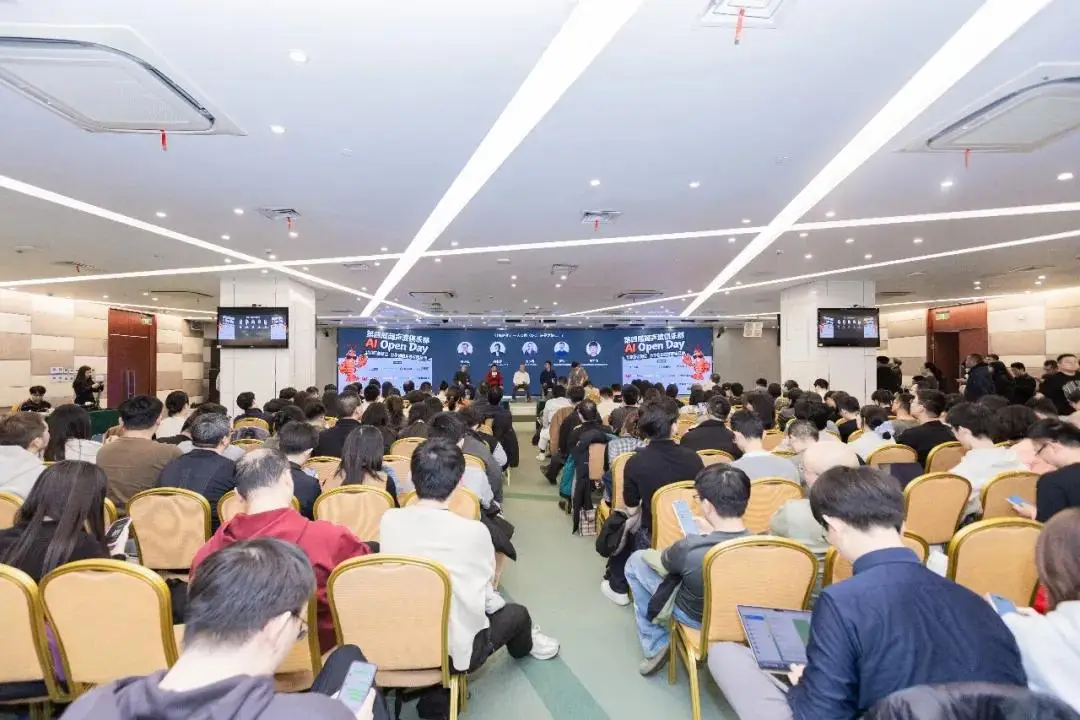

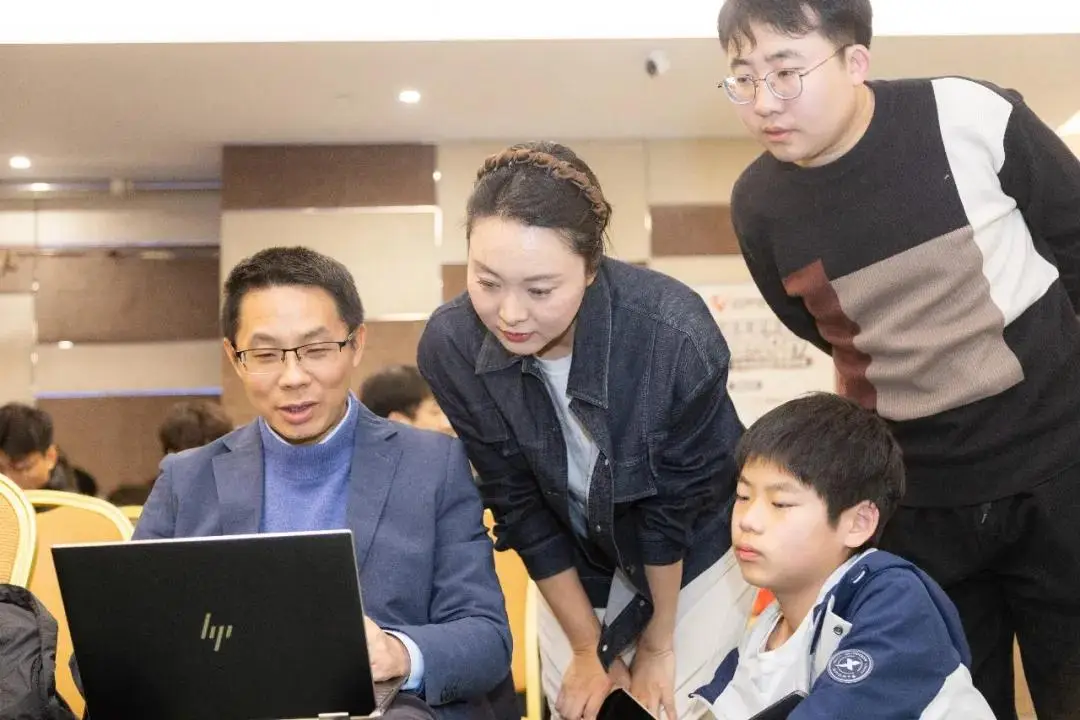

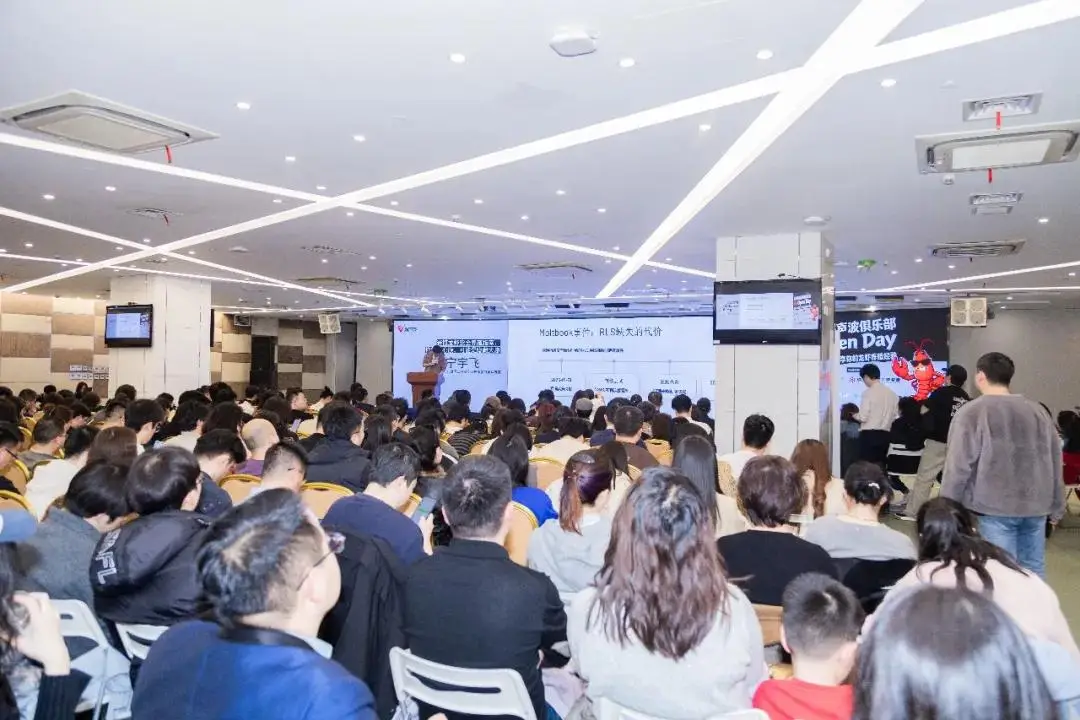
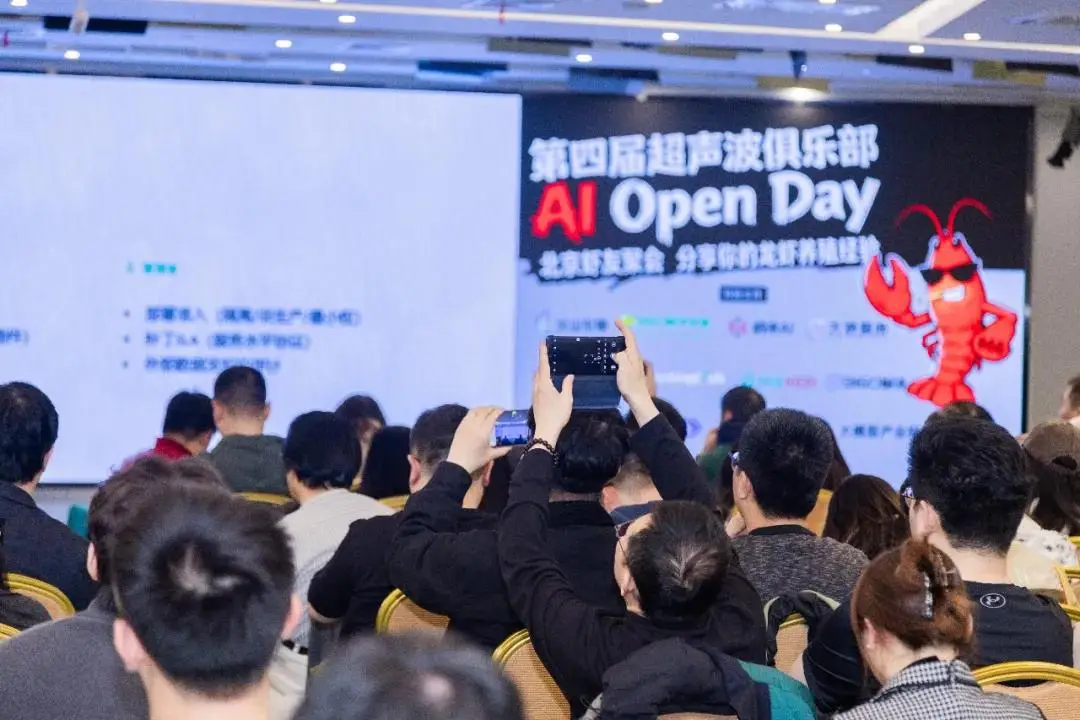
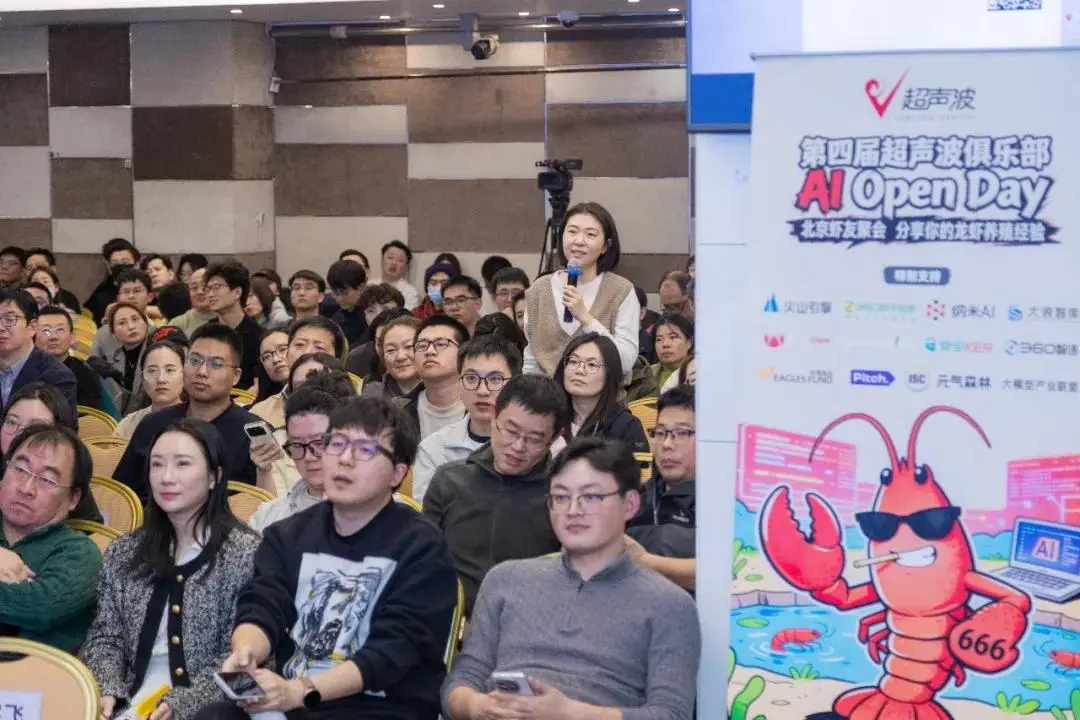
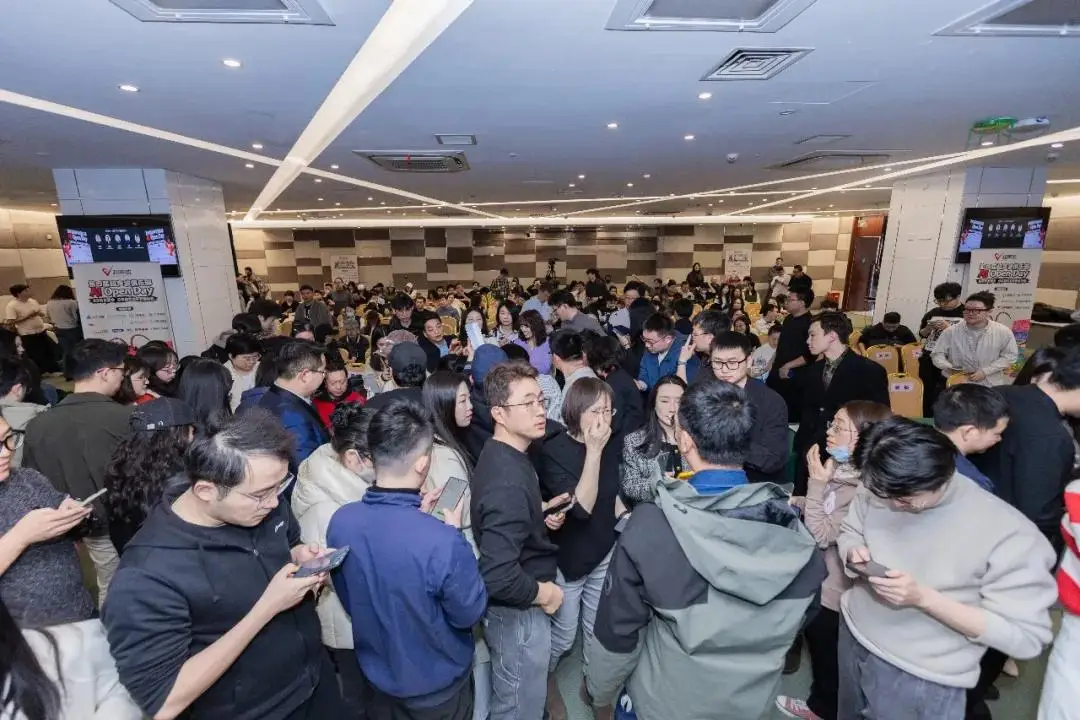
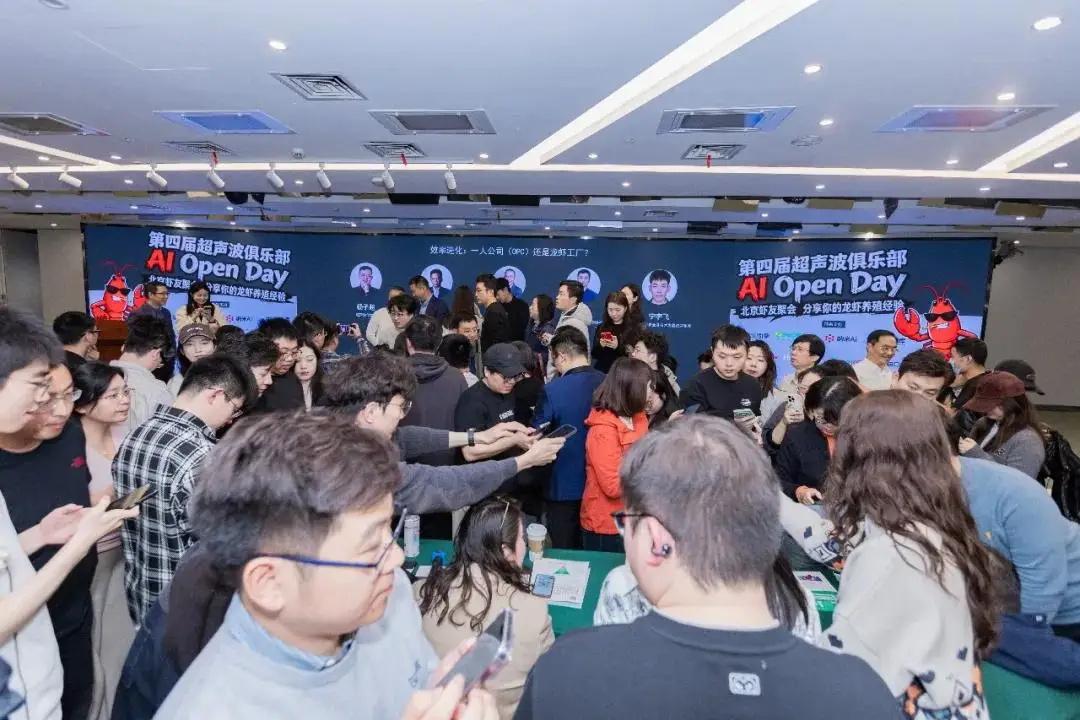

More AI companies are welcome to support the National Tour of the Ultrasonic Club AI Open Day Urban Lobster Conference, and let us start the AI era of universal lobster together.
Ultrasound Club currently has more than 2,000 top entrepreneurs in the AI field and connects more than 10,000 founders, CTOs, product managers, and venture capitalists in the AI field.
The Ultrasound Club regularly organizes internal sharing sessions for members, and also holds irregular open communication activities. The sharing content covers AI industry trends, technological innovation, products, and business.