After Trump won the election, the cryptocurrency market experienced a wave of strong growth.
Different from the Biden administration's suppression of crypto assets, Trump frequently expressed his support during the campaign in favor of listing Bitcoin as a U.S. strategic reserve asset and vowed to make the United States a "cryptocurrency capital."
Trump's election has ignited speculation in the entire cryptocurrency market. How will his second term affect the development of the cryptocurrency industry? How long can the currency circle’s “Trump carnival” last?
Currency frenzy
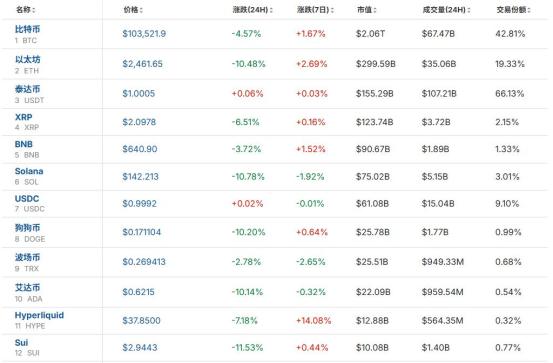
At the end of November, Bitcoin once reached a high of $99,000, setting a new historical record. As of December 3, the price of Bitcoin remained at around US$95,000, an increase of 116% during the year, with a total market value of approximately US$2 trillion, once again surpassing silver and becoming the eighth largest asset in the world.
Ethereum is the largest cryptocurrency after Bitcoin. Ethereum prices have risen significantly since Trump’s victory, outperforming even Bitcoin, but have yet to reach new highs. Currently, Ethereum is trading around $3,750.
According to data compiled by Bloomberg, in the past November, the monthly net inflows of Bitcoin and Ethereum ETFs both hit records, reaching US$6.5 billion and US$1.1 billion respectively. Last Friday (November 29), the subscription volume of the Ethereum ETF also hit a single-day record high.
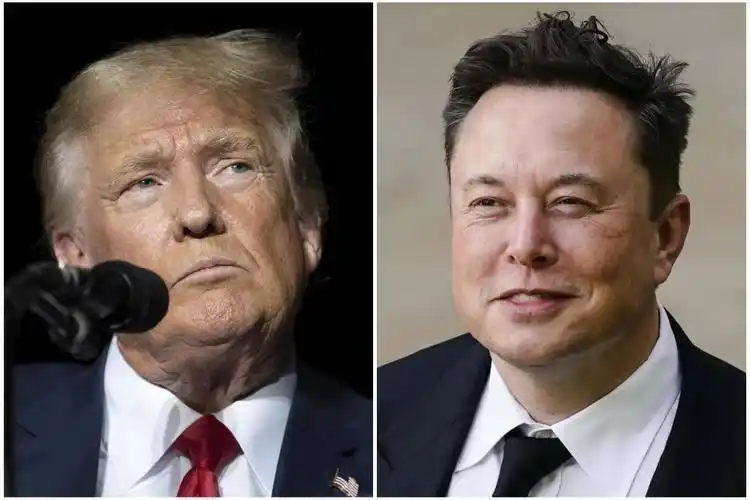
Not only did Bitcoin and Ethereum perform brilliantly, but the entire cryptocurrency market related to them also ushered in a wave of enthusiasm. The market value of Ripple has increased significantly from less than US$30 billion in early November to more than US$137 billion, becoming the third largest cryptocurrency; Dogecoin, supported by Trump ally Elon Musk, has soared by more than 150%.
Data from CoinGecko shows that since Trump won the election, the cryptocurrency market value has increased by approximately $1.2 trillion and has now exceeded the $3.2 trillion mark.
“There is a trend in the cryptocurrency market: initially the price of Bitcoin rises, but other tokens will also rise.” Caroline Bowler, CEO of digital asset exchange BTC Markets, said that based on the inflow of investor funds into digital asset exchanges, cryptocurrency trading activities have not yet peaked.
Government endorsement?
The craze in the currency circle in the past month is inseparable from Trump's positive stance on cryptocurrencies during the campaign and his own involvement in cryptocurrency trading.
At the end of September, Trump and his three sons announced their latest entrepreneurial project, World Liberty Financial. The new venture, dubbed a decentralized finance (DeFi) money market platform, has launched a proprietary cryptocurrency called WLFI.
However, Trump’s rapid expansion into the cryptocurrency field has raised concerns about conflicts of interest. Forbes pointed out that as a presidential candidate, Trump’s behavior of launching a personal encryption platform may be inconsistent with his policy-making responsibilities. In addition, WLFI’s governance tokens (note: governance tokens give holders voting rights for issues governing the development and operation of blockchain projects) are only open to qualified investors with net assets exceeding US$1 million or annual income exceeding US$200,000, which runs counter to the original intention of Bitcoin’s equality.
Trump was once a skeptic of cryptocurrencies, but during this year's campaign he embraced cryptocurrencies, a shift largely driven by massive political donations from the cryptocurrency industry and sustained lobbying by industry figures.
Data from the U.S. Federal Election Commission shows that cryptocurrency industry-related political action committees (PACs) and other organizations supporting the industry raised more than $245 million in the 2024 election. Cryptocurrencies accounted for nearly half of all election funding, and no other industry came close, according to a report by nonprofit watchdog Public Citizen.
The cryptocurrency industry’s financial investment goes beyond simple donations and has helped shape the most crypto-friendly Congress in U.S. history. According to the latest tracking by the Stand With Crypto Alliance, nearly 300 pro-cryptocurrency lawmakers will take office in the House and Senate.
Trump has promised on multiple occasions that if he is re-elected as president, he will wholeheartedly embrace cryptocurrency and plans to build the United States into a "bitcoin superpower" and the "global cryptocurrency capital." He even boldly proposed that the US’s rising US$34 trillion national debt could be reduced through Bitcoin. At a campaign rally, Trump half-jokingly said: “We’ll solve our debt problem by giving them a little bit of Bitcoin.”
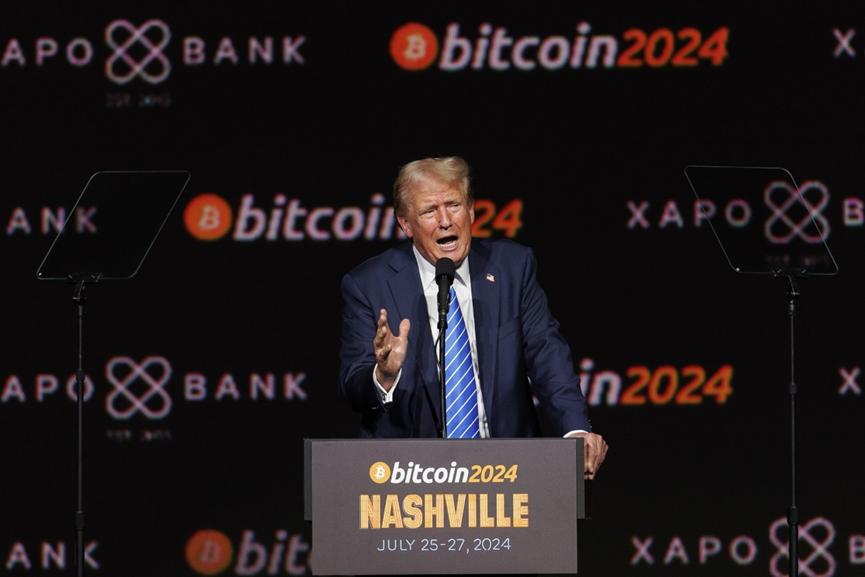
In July this year, Trump delivered a speech at the 2024 Bitcoin Conference, the largest annual conference in the cryptocurrency industry, saying that he would list Bitcoin as a U.S. strategic reserve asset by using the Bitcoin currently held by the government to build this reserve plan. The estimated number of these Bitcoins is about 200,000, with a value of about $18 billion, most of which were seized in the fight against criminal activity.
Senator Cynthia Ramis has been a major supporter of the plan. She introduced the Bitcoin Act in July this year, proposing the establishment of a decentralized Bitcoin vault network managed by the U.S. Treasury Department. The bill outlines the government’s plan to acquire up to 200,000 Bitcoins per year over the next five years, with the cumulative total expected to reach 1 million Bitcoins, accounting for approximately 5% of the total Bitcoin supply.
Arash Aloushe, assistant professor of finance and fintech at Dublin City University in Ireland, said, "The concept of a 'strategic Bitcoin reserve' in the United States is groundbreaking, but under current conditions, it is extremely unlikely to become a reality. The establishment of such a reserve means that the US government officially supports Bitcoin, may put public funds into Bitcoin, and recognize it as a national asset, which is inconsistent with the government's cautious stance on cryptocurrencies to date."
Regulatory changes
The Wall Street Journal pointed out that Trump’s return to the White House means that cryptocurrency will enter a new era with fewer government regulatory obstacles.
Trump plans to nominate a number of pro-cryptocurrency officials to financial regulators and has promised to fire U.S. Securities and Exchange Commission (SEC) Chairman Gary Gensler, who has always had a strict regulatory stance on cryptocurrencies.
The SEC is one of the major regulatory agencies in the U.S. cryptocurrency field. During Gensler's tenure, the SEC tightened its attitude towards the encryption industry and launched a series of high-profile lawsuits against cryptocurrency-related companies. 2023 is the climax year of SEC enforcement actions. Data shows that in fiscal year 2023, the SEC filed a total of 784 enforcement actions and prosecuted multiple unregistered crypto asset issuances, platforms and intermediaries.
Gensler believes that most cryptocurrencies are securities and has sought to enforce compliance through enforcement actions. He has also directly pointed out in public many times that cryptocurrency is "riddled with fraud, scams, bankruptcies and money laundering."
Last month, Gensler announced that he would step down on Trump's inauguration day, January 20 next year. His term was originally set to end in June 2026.
The Wall Street Journal pointed out that the next U.S. SEC chairman is likely to provide favorable solutions for cryptocurrency exchanges. Lawyers seen as Gensler's successors have emerged as critics of Gensler's lawsuit.
One potential candidate, former US SEC chief counsel Robert Stebbins, said the SEC should suspend most cryptocurrency lawsuits while clearing a path for companies to do business without the burden of litigation. Stebbins said, "As long as there are no fraudulent claims involved, the SEC will likely drop these cases in the future."
On December 2, CNBC reported that Coinbase’s senior policy director expected that once Trump becomes president, the U.S. Congress will quickly pass regulatory legislation on the cryptocurrency industry.
Coinbase Chief Policy Officer Faryar Shirzad said that Trump has previously clearly supported cryptocurrencies. At the same time, the Republicans also gained control of the House of Representatives and the Senate, which should make the process of Congressional approval of cryptocurrency-related laws smoother.
“We have the most pro-crypto Congress in history and a very pro-crypto president coming in,” Shirzad said. “This combination should finally allow the 50 million Americans who own cryptocurrencies to have their interests and voice heard in policy.”
Currently, the U.S. Congress is considering passing two key pieces of cryptocurrency-related legislation. One is the Republican-sponsored "21st Century Financial Innovation and Technology Act", which aims to establish a legal framework for digital assets and was passed by the House of Representatives earlier this year; the other is the "Payment Stablecoin Clarity Act", which aims to establish a regulatory system to provide licenses to issuers of stablecoins (tokens linked to the value of fiat currencies such as the US dollar). It has not yet passed the House of Representatives.
In addition, the Trump team is also considering whether to create a new position in the White House dedicated to cryptocurrency policy. The holder of this position will lead a small team and serve as a liaison between Congress, the White House and various cryptocurrency regulatory agencies.
Be alert to risks
The cryptocurrency industry has seen huge price fluctuations in recent years. At the beginning of the COVID-19 outbreak, the price of Bitcoin was just over $5,000. Less than two years later, climbing to nearly $69,000 in November 2021, Bitcoin prices plummeted amid a subsequent series of aggressive rate hikes by the Federal Reserve to curb inflation. In 2022, the world's famous cryptocurrency exchange FTX encountered a liquidity crisis and eventually collapsed, seriously weakening investors' overall confidence in cryptocurrency.
Since the beginning of this year, Bitcoin has surged by more than 100%, but violent fluctuations in the short term have once again exposed the fragility and high risks of the cryptocurrency market. From the evening of November 25th to the early morning of November 26th, the price of Bitcoin experienced violent fluctuations, rising to around US$99,000 and then suddenly plummeting. In just a few hours, the price dropped by more than 6%, falling below US$93,000, causing more than 170,000 people to liquidate their positions, with the total liquidation amount reaching US$547 million. Other cryptocurrencies also experienced varying degrees of decline. Among them, Dogecoin, Adacoin, etc. all fell by more than 9%.
Susannah Streeter, head of funds and markets at Hargreaves Lansdown, said recently: "Investors should only get involved in cryptocurrencies with funds that they are prepared to lose, because we have seen such violent fluctuations in the past."
Vanessa Lyon of the Boston Consulting Group said: "While Trump's support may bring short-term benefits, improper regulation may lead to greater market risks."
GoUpSec analyst FunnyG believes that as the price of Bitcoin continues to hit new highs, the number of cybercriminal activities closely related to the cryptocurrency market and the scale of losses caused will increase significantly. In recent years, cryptocurrencies have gradually become a core tool for cybercrime, used in activities such as money laundering, ransomware payments, and cyber and telecommunications fraud. According to the latest report from Chainalysis, the amount of illegal transactions related to cryptocurrency has exceeded 20 billion US dollars in 2023, setting a record high. It can be said that the “cybercrime bull market” of cryptocurrency has already started before the market.