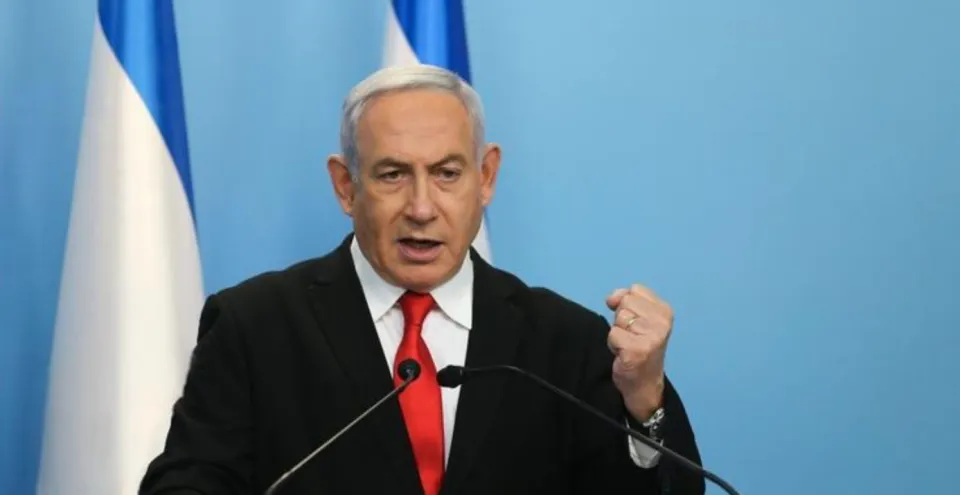
According to CCTV News, on March 12, local time, Israeli Prime Minister Netanyahu held a press conference. This is Netanyahu's first press conference since the US-Israeli air strikes on Iran.
At a press conference, Netanyahu said that in addition to destroying Iran’s missile and nuclear capabilities, the current US-Israeli bombing campaign against Iran also aims to create conditions for the Iranian people to overthrow the current regime. He also said Israel was carrying out devastating strikes against Iran's Revolutionary Guards, their bases, street fighters and outposts – and more intense actions were yet to come.
Netanyahu reiterated that if Israel does not take immediate action, Iran will become immune to any strike in a few months. Therefore, the United States and Israel are working together to prevent Iran from developing nuclear weapons and ballistic missiles that threaten the world.
Netanyahu said that after nearly two weeks of US-Israeli air strikes, Iran is "not what it used to be" and that both the Iranian Islamic Revolutionary Guard Corps and the Basij militia "have suffered heavy losses."
Asked what action Israel might take against Mujtaba Khamenei and Hezbollah leader Naim Qasim, Netanyahu said he would not "issue life insurance policies" to them and said he "does not intend to detail plans or actions to be taken here."
Netanyahu claims that Iran and Hezbollah no longer pose the threat they once were. He also revealed that he and U.S. President Trump "talk to each other every day" and the communication between the two parties is "frank and open."
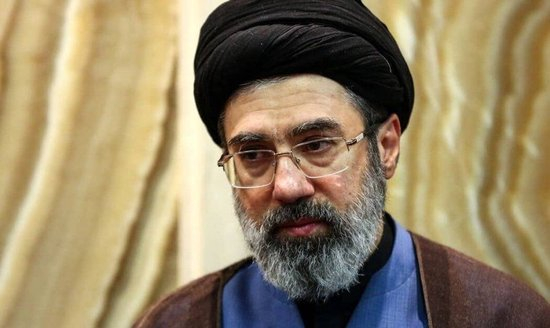
According to reports, Iran’s new Supreme Leader Mujtaba Khamenei issued his first statement on national television on the 12th. The content mainly focused on Iran’s domestic unity, external conflicts, regional relations, and mourning for the late leader Ali Khamenei.
In his speech, Mujtaba Khamenei first expressed condolences for the death of Ali Khamenei and said that succeeding to this position has a great responsibility. He said that a major tradition of Iran's revolutionary leadership is to rely on people's power and emphasize the important role of the people in national governance and war times.
In the statement, he called on society to maintain unity and continue to participate in national affairs, and emphasized strengthening social mutual assistance in difficult times, while encouraging the public to actively participate in the upcoming "Quds Day" activities.
When talking about the current situation, Mujtaba Khamenei expressed his gratitude to the Iranian army and the "Resistance Front" armed forces, saying that the Iranian soldiers had prevented the enemy's attempts to control or divide Iran. He also stated that Iran will continue to adopt strategic measures, including blocking the Strait of Hormuz, and open new fronts when necessary.
When talking about the regional situation, he called on neighboring countries to close military bases used by the United States and said that Iran's targets are only related military facilities, not the countries themselves. He also emphasized that Iran still hopes to maintain friendly relations with its neighbors.