Preface
In 1949, with the victory of the Liberation War, Liu Wencai, a landlord bully who had established his "family kingdom" through exploitation and oppression, came to the end of his destiny.
But many years later, his descendants returned with a high profile with a "200 banquet" to worship this controversial ancestor. Why did this ancestor worship event arouse controversy in public opinion?
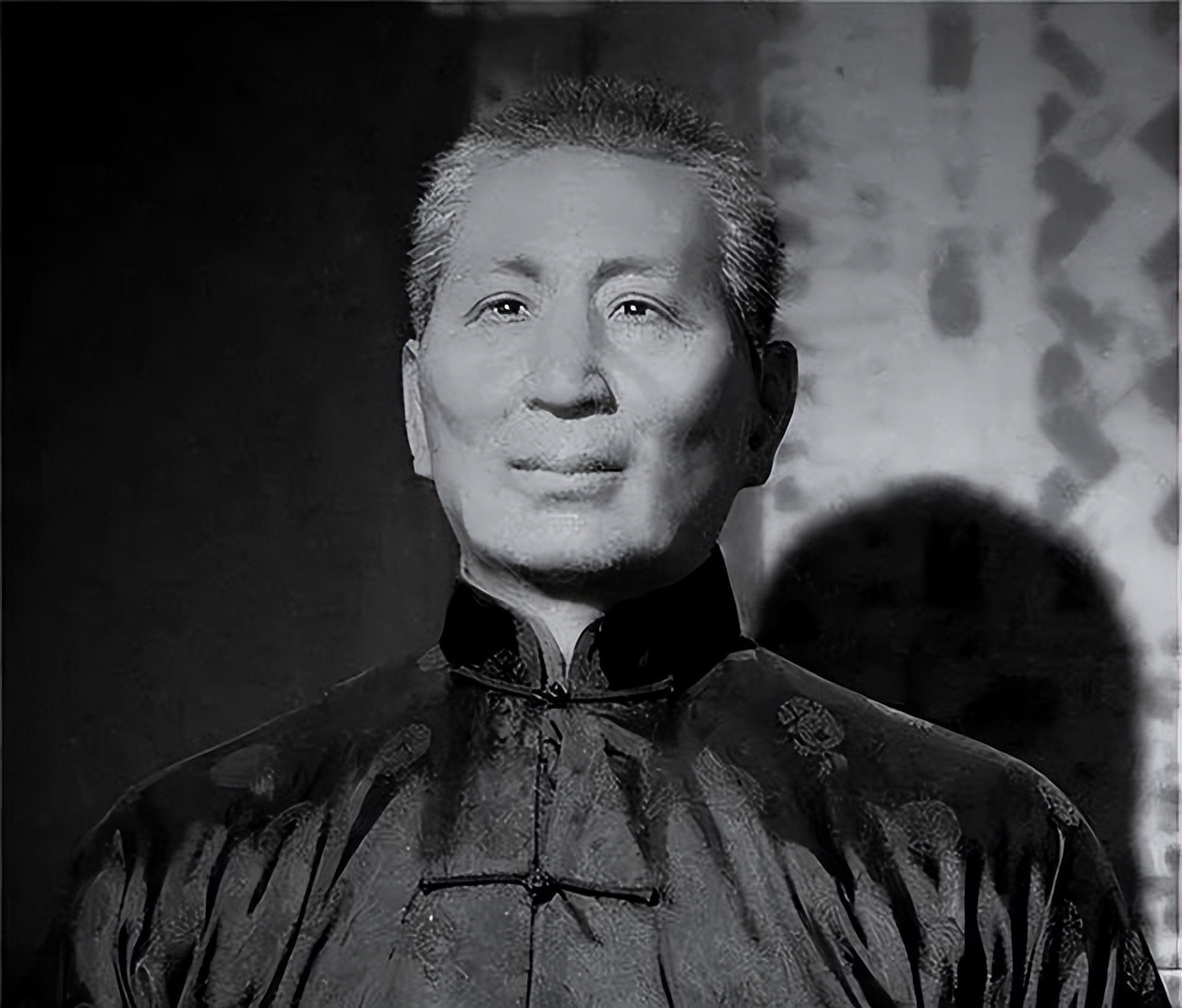
Are Liu Wencai's descendants nostalgic for the family's "glory", or do they have other purposes? What kind of battle is their gathering like?
Liu Wencai's life as a tyrant
Liu Wencai is a name that still scares the older generation of Sichuan people when they talk about it. This landlord bully who was all-powerful before liberation not only accumulated huge wealth through his skills, but also put countless people in dire straits through violence and exploitation.
In 1931, Yibin, Sichuan was in a period of turmoil. In the name of "raising military expenditures," Liu Wencai led his armed men to search houses and extort money from houses.
Families with a little savings were the first to bear the brunt. The soldiers pushed open the door and entered. The long guns in their hands were their most persuasive tools.
Some people who dared to refuse to pay were even violently treated on the spot. In just two days, Liu Wencai plundered 200,000 silver dollars. The wealth was quickly packed into large wooden boxes. More than 4,500 boxes of treasure were packed into 20 large ships.
Under the protection of heavily armed cronies, this huge fleet sailed upstream and transported the loot back to Liu Wencai's hometown in Dayi.
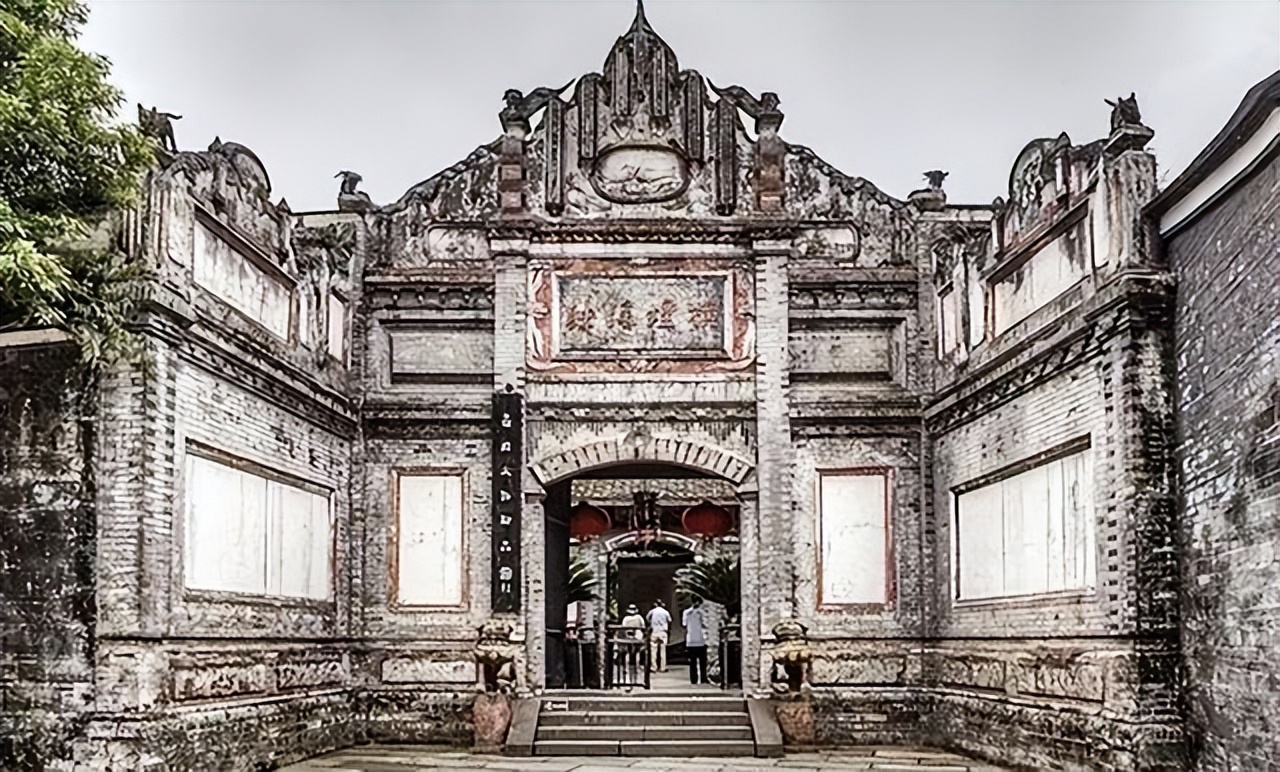
These treasures became the cornerstone of Liu Wencai's magnificent manor. He used these "blood-earned money" to build a manor covering an area of more than 10,000 square meters, with more than 200 rooms and 27 patios.
Liu Manor is not only a symbol of wealth, but also the center of power and violence. Here, he established a strict hierarchy as a landlord.
Throughout the manor, employees were busy from early morning to late at night, but there was no chance to breathe. If anyone slacked off even a little bit, they might be beaten, scolded or even worse punished.
The women in the manor were living in extreme unrest. The way Liu Wencai treated the maids and wet nurses often made people frightened. He would forcibly violate some young women in the name of inspection and satisfy his desires unscrupulously.
Those who were targeted by him had no way to resist and could only endure silently. Such evil deeds made the name "Liu Laohu" almost a household name in rural Sichuan.
However, Liu Wencai's methods of exploitation were not limited to the inside of the manor. In order to obtain more benefits, he invented a complex exploitation system.
He required farmers who rented their own land to pay a deposit of two measures of yellow grain, which was undoubtedly a heavy burden for farmers who were already unable to make ends meet at the time.
In order to pay the deposit, many people have to sell their only livestock or even borrow loan sharks. However, even so, the deposit is often required to be repaid on the grounds of "depreciation".
In addition, Liu Wencai also used the trick of "big buckets in, small buckets out" to take exploitation to the extreme. When collecting rent, he used larger-capacity buckets to squeeze as much food from the farmers as possible.
But when he sold grain or lent grain to farmers, he used measuring buckets with smaller capacities. The tenant farmers often handed over a year's harvest, but only received a negligible portion of the grain.
These methods not only allowed him to quickly accumulate huge wealth, but also plunged countless families into deep poverty and despair.
Although the people had long complained about his evil deeds, Liu Wencai was still able to act unscrupulously under the powerful background at that time.
His relationship network with his cousin Liu Wenhui, cousin Liu Xiang and other relatives gave him a great say in the local area. Under this protective umbrella, his exploitation and oppression not only did not lessen, but became more rampant.
Even under his influence, the entire southern Syria region was overwhelmed by dense taxes and exorbitant taxes.
Liu Wencai's era will eventually end. With the advancement of the Liberation War, his huge wealth empire gradually lost its protection.
But his story of oppression did not disappear in the countryside because of his decline. So will the fate of Liu Wencai's family end with his downfall?
The fate of Liu Wencai’s descendants
In 1949, the People's Republic of China was founded, and the torrent of liberation completely changed China's political and social structure. For Liu Wencai's family, this year was not only the beginning of the end of power, but also the beginning of the family's ups and downs.
Liu Wencai, a landlord and bully who once controlled a country through exploitation and repression, died of illness during a hasty escape and was eventually buried in an unknown place in Shuangliu County.
The Liu family's huge family also fell apart after his death, and its former glory disappeared with the wind.
In the decades after Liu Wencai's death, his four sons and three daughters led completely different life trajectories, and the fate of the family also showed completely different directions.
As the eldest son of the family, Liu Yuanlong originally had high hopes. However, Liu Yuanlong was addicted to gambling and opium smoking since he was a child, and his life was ruined early.
After liberation, Liu Yuanlong lost his wealth and status and spent the rest of his life in poverty and illness, and eventually died of tuberculosis.
In contrast, the life of the second son Liu Yuanhua was more ups and downs. Liu Yuanhua was sent to the Chengdu branch of Whampoa Military Academy to receive military education when he was young. He also served as a major and battalion commander in the army of his uncle Liu Wenhui.
After liberation, Liu Wenhui's power completely collapsed. Liu Yuanhua lost his military status due to his status as a landlord and was once reduced to the bottom of society. In the following years, he relied on odd jobs to make ends meet in order to support his family.
It was not until the late 1970s that Liu Yuanhua found a regular job in a local enterprise in Longchang, Sichuan, and his life gradually stabilized.
The third son, Liu Yuanfu, is the most low-key among the Liu family's children. He was deafened by meningitis when he was young, and has long been marginalized within the family.
After liberation, Liu Yuanfu passed the accounting school with the help of Liu Wenhui, completed his studies with hard work, and later worked as an accountant for many years.
In his later years, Liu Yuanfu chose to return to his hometown to farm and spend the rest of his life in a very ordinary way. His communication with the outside world was extremely limited. He even needed his adopted daughter to write in his hand to understand the messages from the outside world.
The youngest son Liu Yuangui also could not escape the trick of fate. After liberation, he was assigned to work in the railway department. Although his life was not rich, it was relatively stable.
In a railway accident, Liu Yuangui was unfortunately killed and his life came to an abrupt end. So far, none of Liu Wencai's four sons can continue the family's past glory.
Compared with the twists and turns of their sons, Liu Wencai's three daughters chose a more low-key lifestyle. They were literate, went to school, and married men from ordinary families as adults, staying away from family disputes.
In the years after liberation, they lived an ordinary life and gradually faded out of the public eye. However, when it came to Liu Wencai's grandchildren, the family's fate seemed to have ushered in new changes.
The descendants of this generation of the Liu family are no longer the powerful and domineering landlord family. On the contrary, most of them have chosen the field of culture, art or academia instead of business or business. The representative figure Liu Xiaofei is the most conspicuous among Liu Wencai's grandchildren.
Liu Xiaofei is the son of Liu Yuanhua. He met Liu Wencai when he was a child and chose to become a scholar as an adult. Not only did he try to sort out family history through academic research, he also took the initiative to initiate many family activities, the most notable of which was the 2010 ancestor worship gathering.
For Liu Wencai's descendants, is this ancestor worship gathering a way to remember their ancestors, or is it an attempt to reshape the image of a family?
High-profile ancestor worship
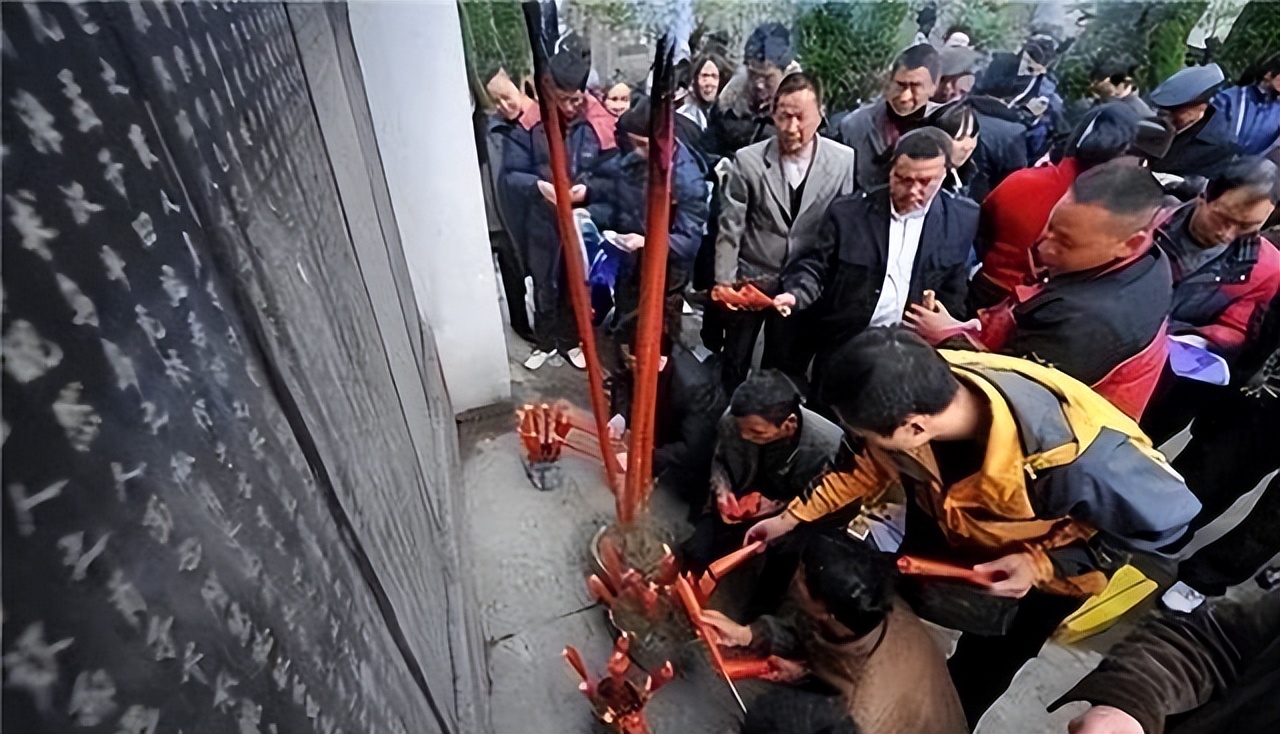
The Liu family's ancestor worship gathering in 2010 seemed to be an ordinary family event, but it aroused huge social attention because of its high profile and scale.
This event was held in Anren Town, Dayi, Sichuan, attracting hundreds of descendants of the Liu family, as well as many side branches and descendants of former servants.
However, the grand ceremony did not go as planned. Instead, too many participants led to chaos and eventually became a controversial event.
The ancestor worship event that day was held near Liu Wencai's old house. As the organizer, Liu Xiaofei tried to reshape the Liu family's image in the public mind through this gathering.
From the beginning, things didn't seem that simple. In addition to direct descendants, many side relatives, Liu's housekeepers and servants' descendants also came to participate.
According to rumors, one of the ways the Liu family identifies relatives is by observing the shape of their toenails. Such details make the outside world even more confused about the true intention of the party.
On the day of the party, the area around the ancestral hall was crowded, and the number of participants far exceeded expectations. The originally prepared banquet of 200 people was quickly packed to the brim, and many visitors did not even have room to stand.
Some participants who were not properly arranged had to look far outside the ancestral hall and try to pay respects to the memorial tablets of Liu's ancestors. The chaos at the ancestor worship site made the entire event more embarrassing, and the lack of a banquet caused dissatisfaction among some participants.
The greater controversy comes from outside public opinion. The high-profile ancestor worship behavior is interpreted by many people as a disregard for and beautification of historical truth.
Critics believe that Liu Wencai's history as a landlord bully has long been established. His wealth comes from the exploitation and oppression of the people, and his manor is built on the blood and sweat of countless tenant farmers and hired workers.
Such a controversial family is trying to regain its "glory" through massive ancestor worship activities, which is undoubtedly challenging the values and bottom line of society.
Not only that, the core purpose of ancestor worship has also been questioned. Liu Xiaofei emphasized that Liu Wencai had built a school in his hometown and supported education as a "good deed", trying to position this gathering as "restoring the historical truth."
But in any case, the impact of these good deeds is far from covering up Liu Wencai's crimes as an exploiter. In the memory of the common people, the name "Liu Laohu" has always been a symbol of violence and oppression. His exploitation of tenant farmers, mistreatment of hired workers, and various crimes in the manor have long become a mark of history.
The ancestor worship activities not only caused differences in the outside world's attitude towards the Liu family, but also caused rifts within the family. Some descendants of the Liu family, especially their great-grandsons who have settled abroad, publicly expressed their disapproval of such behavior.
They believe that Liu Wencai's legacy is an unforgivable family shame, rather than a capital that can be commemorated on a grand scale. These descendants even refused to participate in the event, believing it to be a disregard for the historical truth and a secondary damage to the family's reputation.
However, some descendants of the Liu family have shown a strong interest in ancestor worship. They miss the family's former power and glory, and even publicly expressed their recognition of Liu Wencai's "contribution" at the event.
Conclusion
Liu Wencai's name is destined to become a complex and controversial memory in China's modern history. His life as a tyrant and the rise and fall of his family are not only the writing of his personal destiny, but also the epitome of that era.
This family ancestor worship event is not only the "private narrative" of the Liu family, but also a profound reflection on society's exploitation of landlords and fairness and justice. Every generation needs to learn lessons from history.
Reference article
China News Network, March 25, 2010 "What are Liu Wencai's descendants doing? Most of them are scholars and only 3 are doing business overseas."
Sichuan News Network-Chengdu Commercial Daily, March 26, 2010, "A gathering of more than 600 descendants of the Liu family outside the Liu Manor"
If you also like my article, please click "Follow"! Xiaosheng would like to thank you!