Financial management is difficult to say, easy to say. Some people have financial freedom throughout their lives, while others are trapped by money all day long. What's the difference? It depends on whether you have mastered the correct concepts and methods of financial management. As someone who has experienced this, I have summarized 15 lessons learned through blood and tears. I hope you can understand at least 7 of them and avoid detours on your financial management journey.
1. Basics of Financial Management
1. Save first, spend later
This is the first principle of financial management, but it is also the most easily ignored. Most people are accustomed to "income – expenditure = savings", while smart people follow "income – savings = expenditure". After receiving your monthly salary, you must first save at least 20% of your salary, and then use the remaining money for consumption. Believe me, this way you will not feel that your quality of life has deteriorated, but you will feel more at ease because you have savings.
2. Accounting is the first step in financial management
You can never manage your finances effectively if you don’t know where your money is being spent. Keep keeping accounts for 3 months, and you will be surprised to find so many "loopholes" in your spending habits. Nowadays, there are many accounting apps that are simple to operate. Spend 5 minutes a day recording, and long-term persistence will yield amazing returns.
3. Build an emergency fund
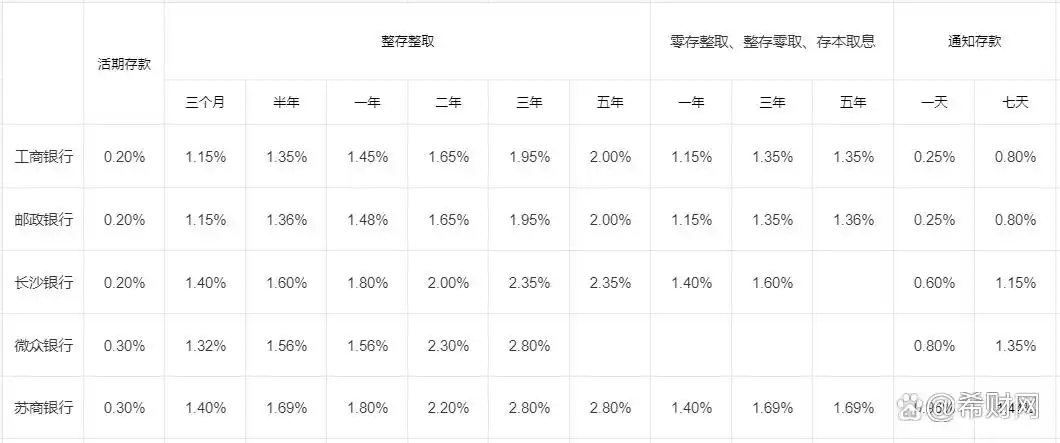
Life is unpredictable, and unemployment, illness, and accidents may happen suddenly. Before starting any investment, prepare 3-6 months of living expenses as an emergency fund. This money should be placed in a highly liquid place, such as a currency fund or a demand deposit, and can be withdrawn at any time.
2. Consumption Concepts
4. Distinguish between "needs" and "wants"

Merchants try to confuse these two concepts every day. You need food, but not necessarily three Michelin stars; you need clothes, but not necessarily the latest luxury goods. Before every purchase, ask yourself: Is this really a necessity? Are there any more affordable alternatives?
5. Be wary of "small money" traps
A cup of coffee worth 35 yuan may not seem expensive, but one cup a day costs 12,775 yuan a year, or more than 120,000 yuan in ten years. This doesn’t mean you can’t enjoy life, but you need to realize the power of small amounts of money accumulated. Similarly, the small amount of money saved through investment and financial management can also produce a huge compound interest effect.
6. Avoid "face consumption"
Many people are in debt not because of their basic needs, but because they excessively pursue a lifestyle beyond their capabilities: designer bags, luxury cars, high-end restaurants… True happiness comes from the heart, not external material display. Remember: looking rich and actually having money are two different things.
3. Investment and Financial Management
7. Start investing early
Time is investment's best friend. Assuming an annualized rate of return of 10%, if you start investing 1,000 yuan a month at the age of 25, you can get about 3.2 million yuan by the age of 60; and if you start the same investment at the age of 35, you can only get about 1.2 million yuan. A ten-year gap results in a difference of nearly 2 million! Don't wait to "invest until you have money", start now, even if the amount is small.
8. Don’t touch things you don’t understand
Bitcoin, NFT, futures…these popular investments may bring high returns, but if you don't understand how they work, it's gambling, not investment. Stick to investing in things you understand, and would rather miss than invest in the wrong thing.

9. Diversify investment risks
"Don't put all your eggs in one basket" is an eternal truth. Diversify your funds into different asset classes based on your risk tolerance: stocks, bonds, real estate, gold, etc. This way, even if one market falls, the overall portfolio won't be fatally hit.
10. Hold for the long term and wait patiently
Investment is not gambling and does not need to be done every day. Choose high-quality assets, hold them for the long term, and ignore short-term market fluctuations. Data shows that frequent traders have much lower returns than long-term holders because transactions incur handling fees and it is difficult to accurately predict short-term market trends.
4. Debt Management
11. Stay away from loan sharks
Credit card installments, cash loans, online loans…the actual annualized interest rates of these seemingly convenient borrowing methods are often as high as 15% or more. Unless absolutely necessary, avoid loan sharking. If you already have high-interest debt, repay it first because the actual rate of return on repayment is equal to the borrowing interest rate.
12. Use leverage with caution
Borrowing money to invest may magnify gains, but it may also magnify losses. Especially for new investors, do not use leverage lightly. Many investment gurus warn: Leverage is a tool of destruction for smart people.
5. Life Planning

13. Insurance is necessary, but not investment
The core function of insurance is protection, not financial management. Prioritize the allocation of protection insurance such as critical illness insurance, medical insurance, and accident insurance, and the insurance amount must be sufficient to cover risks. But don't buy high-premium products that bundle "investment" features, which are usually very cost-effective.
14. Continuously improve yourself
The best investment is in yourself. Whether it's learning new skills, improving your education, or expanding your network, these investments may not bring immediate financial returns, but they often have the highest returns in the long run. Your ability to make money is your greatest source of wealth.
15. Set financial goals and review them regularly
Financial management without goals is like a headless fly. Set short-term (1 year), medium-term (3-5 years), and long-term (10+ years) financial goals and develop specific plans to achieve them. Review progress every quarter and adjust strategies.
Financial management is a marathon, not a sprint. These tips may seem simple, but few people actually stick to them. If you can understand and practice 7 of them, you will have surpassed 80% of people and will definitely avoid many detours on the road to financial management. Remember, the purpose of financial freedom is to have more choices and live the life you really want, not to be a slave to money.
Start now, pick one or two and take action now. Your future is shaped by every decision you make now.