IT House reported on March 8 that on Apple Watch Ultra 3, Apple introduced a new 3D printing manufacturing process for the titanium case. This technology allows Apple to save raw materials, reduce costs, and use 100% recycled titanium powder. Apple also uses 3D printing technology on the titanium version of Apple Watch Series 11 and the USB‑C interface of iPhone Air.
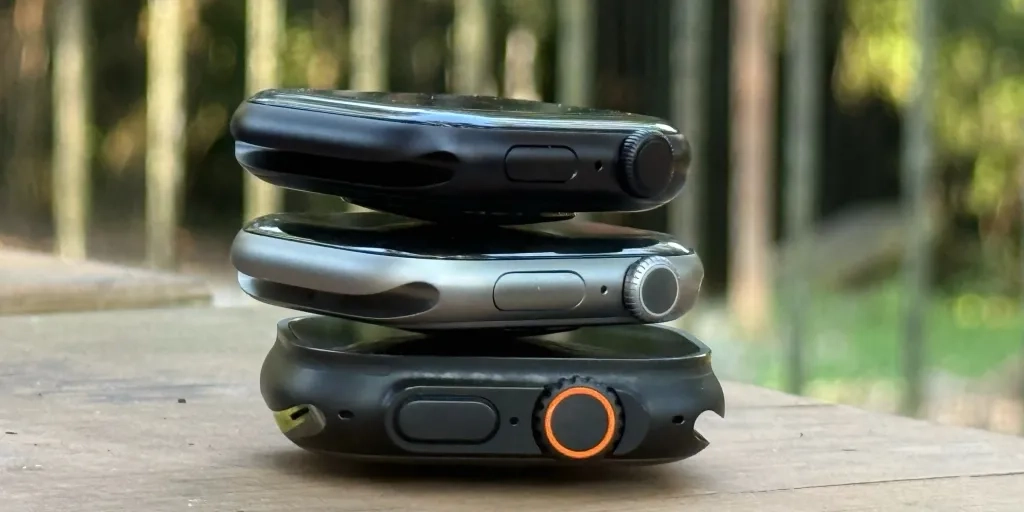
Now, Apple is planning to expand this process to aluminum metal, and most Apple Watch cases in the future are expected to be produced using 3D printing. According to a report by Bloomberg's Mark Gurman in the "Power On" newsletter today, in the long run, this technology may even be applied to the iPhone.
Apple has adopted a new low-cost aluminum manufacturing process on MacBook Neo. Even in this cheapest MacBook in history, Apple still retains a strong and durable aluminum body, while low-priced products often use plastic. Before 2010, Apple even launched a low-priced MacBook with a white plastic body.
However, this new aluminum metal manufacturing process, although cheaper, does not use 3D printing. Its core is to reduce the amount of metal as much as possible. MacBook Neo's aluminum metal consumption is reduced by 50% compared with traditional manufacturing processes.
Apple hopes to achieve similar breakthroughs with future iPhone and Apple Watch models. Mark Gurman revealed: "As far as I know, Apple's manufacturing design team is working with the operations department to develop 3D printing aluminum metal technology, which will greatly improve the production efficiency of Apple Watch cases and is expected to be used for iPhone bodies in the future."
While cost savings are the most talked about benefit, the value of 3D printing goes beyond that. On Apple Watch Ultra 3, Apple also used this process to improve the waterproof performance:
Another key design upgrade brought about by 3D printing: the ability to print textures in places that traditional forging processes cannot reach. For Apple Watch, this means that the waterproofing process in the antenna area of the cellular network version has been optimized. There is a partition structure filled with plastic inside the honeycomb version of the watch case to implement the antenna function; and by 3D printing specific textures on the inner surface of the metal, Apple can make the bonding between plastic and metal better.
According to IT House, iPhone Air also benefits from 3D printing to create a slimmer USB-C interface. Without 3D printing technology, the iPhone Air's body would likely be thicker.
It is unclear what other intuitive consumer-facing experience improvements the 3D printed aluminum metal body will bring, but in any case, this will be a major improvement in terms of environmental protection. Perhaps we will see lower-priced iPhone "e" series models in the future, but time remains to be verified.