Thanks to IT House netizen Ruoyi for the clue submission!
IT House reported on March 2 that on February 27, local time, foreign media TechCrunch reported that weeks after resigning as the CEO of the Indian version of Meituan, the online food ordering and delivery platform Zomato and its parent company Eternal, Indian entrepreneur Deepinder Goyal announced the completion of US$54 million (IT House note: the current exchange rate is approximately 371 million yuan) for the wearable device startup Temple. This funding came from a round of investment from family and friends, and the company's post-investment valuation was approximately US$190 million (approximately 1.305 billion yuan at the current exchange rate). Goyal said more than 30 employees also invested at the same valuation.
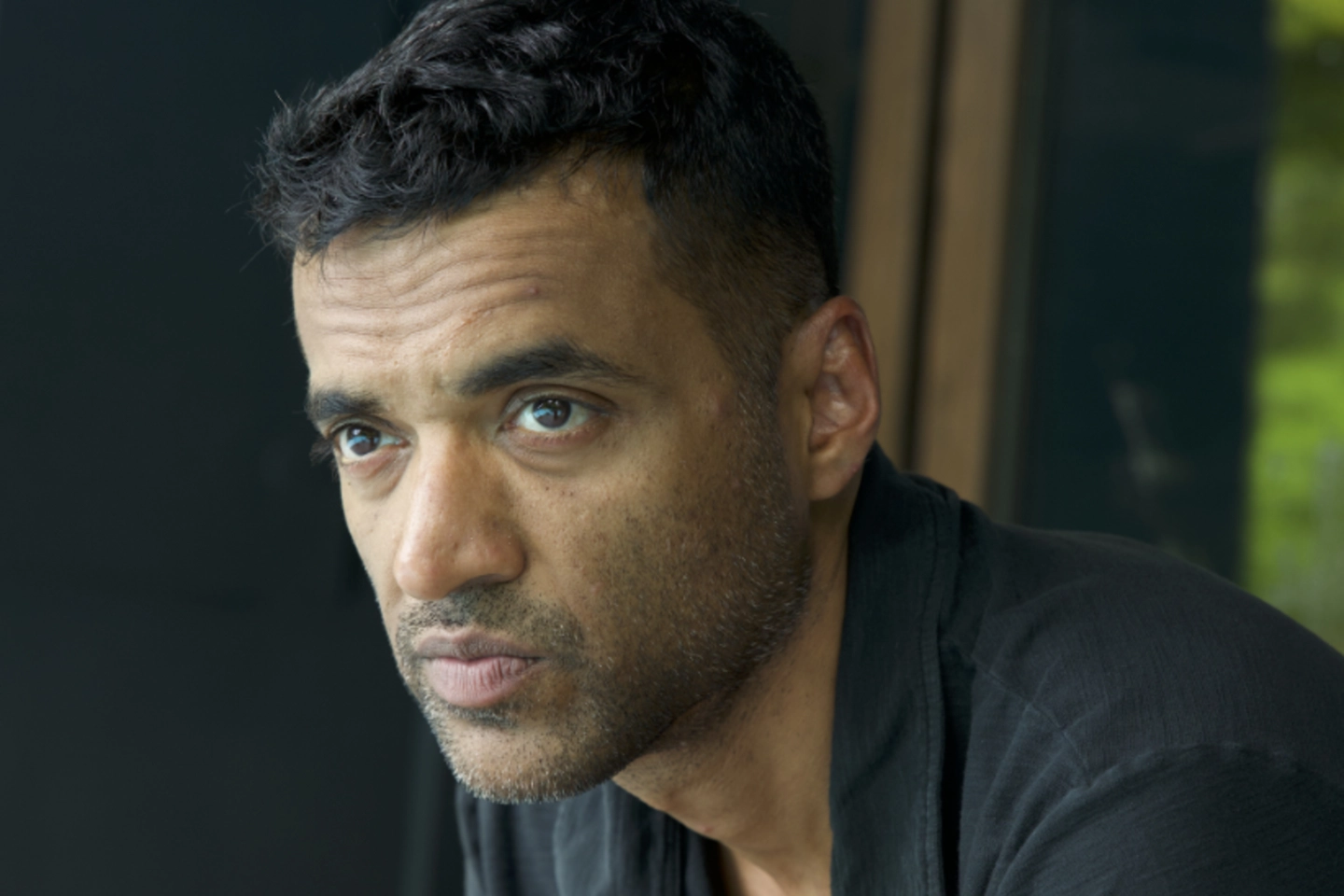
Image sourceEternal
Goyal led the round, with Steadview Capital later joining the round, regulatory filings show. Other investors include Peak XV Partners, InfoEdge Ventures, Dharana Capital, and a number of well-known entrepreneurs and executives, including Paytm founder Vijay Shekhar Sharma, CRED founder Kunal Shah, Zerodha co-founders Nitin Kamath and Nikhil Kamath, as well as current and former management members of Eternal.
Goyal handed over the CEO role to Blinkit chief Arbinder Dinsa in January, ending a management career that spanned nearly 20 years. Zomato was co-founded by Goyal and Pankaj Chadha in 2008 and has grown into one of the largest food delivery platforms in India.
Temple is seen as the epitome of Goyal's shift toward "higher-risk exploration and experimentation." The company is developing high-performance wearables for elite athletes. Goyal once said that the device continuously monitors blood flow in the brain through sensors worn on the temples.
He said on the X platform that Temple's goal is to create "the ultimate wearable device for elite athletes" and claims to measure key indicators that existing products cannot provide. The company is recruiting talents in the fields of embedded systems, computational neuroscience, and brain-computer interface engineering.
Temple is just one part of Goyal's changing investment profile. In October 2025, he promised to invest US$25 million of personal funds in Continue Research to explore technological paths to extend human lifespan. He is also the co-founder of LAT Aerospace, which recently entered the defense technology sector through the acquisition of Sharang Shakti.
Before Temple, Goyal also invested in a number of health technology companies, including Indian wearable company Ultrahuman, which competes with the Oura smart ring, further reflecting its strategic focus in sports performance and health technology.