Today we invite two guests, Li Xiang and Cao Xi, to talk about their experiences and thoughts in the media and investment fields. Li Xiang's career spans multiple stages from "Esquire" to "Financial World" to "Get" and "Talk". As the founder of Monolith, Cao Xi also has many years of experience in the field of venture capital. The two shared their insights on the changes in the industry.
When Li Xiang reviewed his career path, he mentioned that he developed rapidly in the media industry in the early days and was quickly promoted from reporter to editor, editor-in-chief and other management positions, but he reflected that this may not be the best choice.
"If I had to do it over again, I would probably stick to being a reporter." He feels that front-line interviews can bring him into contact with more interesting people, such as entrepreneurs. The benefits of this kind of direct communication are difficult to replace in management positions.
Later, his participation in "Get"'s entrepreneurship allowed him to better understand the company's operating logic and solve some personal material problems, but he also realized that there is room for optimization at every stage.
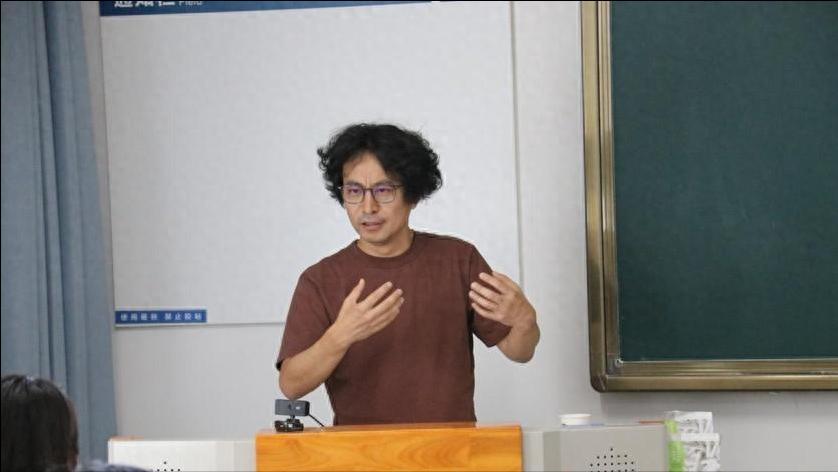
Cao Xi mentioned that the venture capital industry is similar to reporters in that they gain insights by asking questions. Michael Morris, a partner at Sequoia America, was a former technology reporter. The two roles have something in common in their insights.
Li Xiang also mentioned the experience of media person Hu Shuli, who went from wanting to be an excellent reporter to being forced to become editor-in-chief and publisher, reflecting the helplessness of the changing roles in the industry.
This made him think that in an ideal world, editors and chief editors should serve reporters instead of asking reporters to give up front-line work for promotion.
When it comes to questioning methods, Cao Xi believes that investors have clear business purposes when asking questions and need to make judgments through answers. For example, when analyzing failure cases, they focus more on how to avoid risks; reporters focus more on exploring facts and recording expressions.
Li Xiang gives an example. Documentaries on Uber are dramatized, while his "Detailed Talk" series focuses more on reality and does not deliberately pursue a sense of story. Although this style is not easy to be perceived in mass communication, it is more powerful.

The two also discussed the value of business writing. Li Xiang believes that as organizations and technologies in the business field become increasingly complex, it is meaningful in itself if the media can play the role of explainer and help the public understand.
American journalist David Hamström is still reporting on the front line in his 80s. However, due to the rapid changes in the Chinese media industry, few people can continue to create for a long time.
Cao Xi mentioned that entrepreneurs today are more organized in their expressions, benefiting from the accumulation of management knowledge, which also reflects the role of business writing in knowledge inheritance.
Regarding the characteristics of founders, Li Xiang found that top entrepreneurs are often willing to trust others. For example, Ren Zhengfei and Liu Chuanzhi were deceived in their early years, but they still maintained the mentality of trusting others.
In addition, successful founders often have obvious strengths, and the public’s “stereotype” of them is often a refinement of their strengths. Cao Xi took Li Xiang of Li Auto as an example. In the early days, his analysis of industry pain points was clear and logical, and he understood users and the market. These qualities could be observed in the early stages.

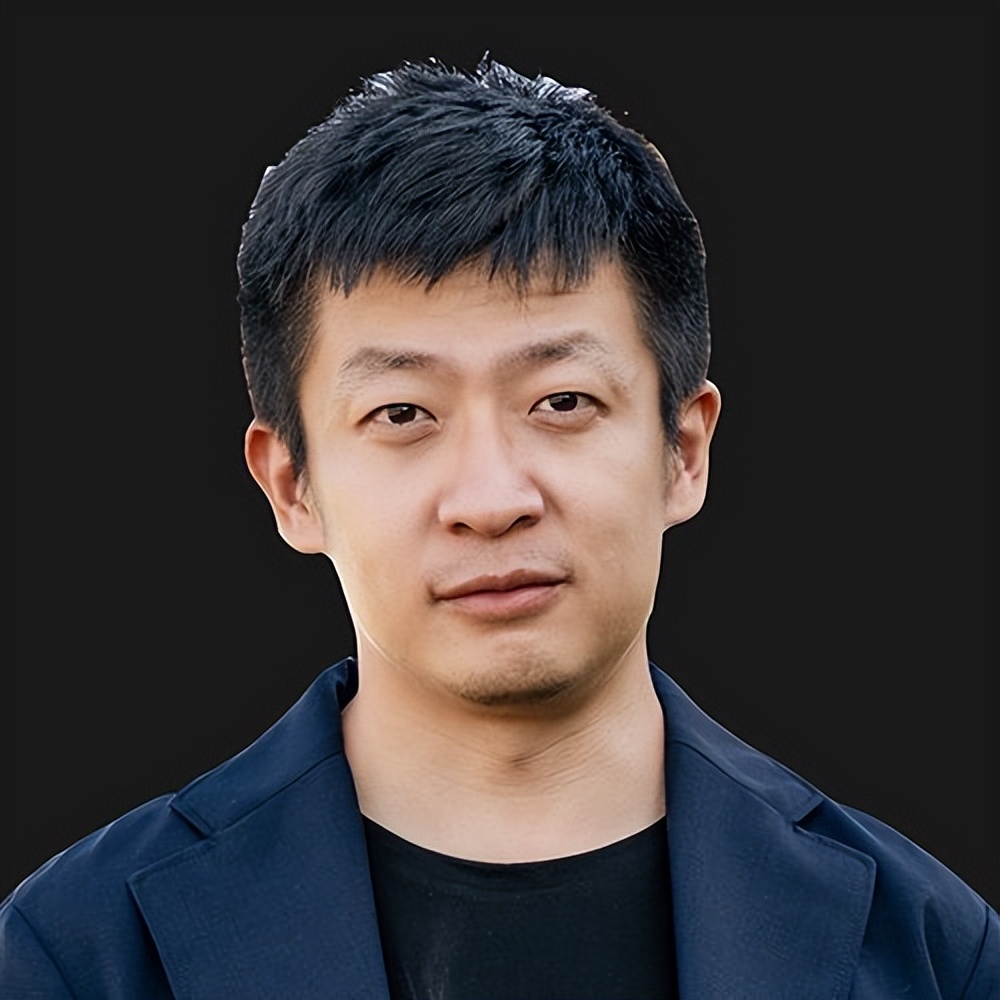
Cao Xi
Talking about the difference between AI investment and mobile Internet investment, Cao Xi believes that mobile Internet is hardware infrastructure, while AI is a new infrastructure at the software level. It has not yet been clearly defined, but the value created may be greater.
OpenAI's financing model and development speed have an impact on venture capital, for example, it leaves less time for institutional deployment, but in essence the investment logic still revolves around human judgment and timing.
In the quick question and answer session, Li Xiang was asked what he believed in most but that people around him did not believe. He mentioned that he believed that the benefits of communication and the free flow of information outweighed the disadvantages, even though many people are skeptical in the current environment.
What changed his mind over the past 12 months was that "it's good to be in the audience," as some retired CEOs enjoy watching industry changes, which made him realize the value of observing contemporary business history up close. The most impressive interview with the founder is Jack Ma, whose personal charm is as refreshing as a spring breeze.
Regarding advice to young people, Li Xiang agrees with "choose something you like, and like the daily process rather than the results." Just like what rock stars suggest, only those who truly love it enough to be willing to sweep the streets during the day and rehearse at night are worthy of devoting themselves to a certain field.
When it comes to imagining the future, he feels that too many incredible things have happened now, and reality is more exciting than movies. If he were to sum up his life, he might use the title "The Most Important Thing I Know" to emphasize the understanding of the essence.
At the end of the conversation, Li Xiang looked at Cao Xi, with the earnestness of a senior in his tone: "Do your duty and do the right thing." This simple exhortation is reminiscent of the scene when Monolith was founded in March 2021 – not many people knew about it at that time, and Li Xiang's WeChat message of "I heard you are going to start a business, come on!" once gave Cao Xi real strength.
Mentioning this past incident again at this moment, the two looked at each other and smiled, as if they had seen the figure who hesitated at the beginning of his business, and had seen countless similar beginnings in the industry.
"Actually, everyone is the same," Li Xiang paused and turned his gaze to the camera. "We all look forward to seeing more possibilities emerging, rather than spinning around in the comfort zone." This sentence is like a pebble thrown into the lake, giving this dialogue across media and investment a broader resonance.

Cao Xi nodded lightly and added: "As Brother Xiang said, being an audience also requires capital, but we want to be the one who participates in writing history."
The lights of the recording studio fell softly on the three of them, and the residual warmth of coffee still lingered in the air. The city outside the window has sunk into twilight, but this discussion about the nature of the industry is like a lamp, illuminating the original aspirations of media people in the wave of content, and also reflecting the glimmer of light caught by investors in the business fog.
When the sound of electricity in the earphones gradually faded away, Li Xiang put away his notebook and suddenly raised his head as if he remembered something: "Let's talk next time. Maybe AI has added new variables to this industry."
These unfinished words gave farewell a little more anticipation for the future. As they said in the conversation, the most indispensable thing in this era is incredible changes, and both media and investment are essentially anchored in constant values amidst changes – the insight into people, the persistence of common sense, and the persistence of "the right thing."
When the recording device pressed the stop button, the conversation that lasted for several hours finally turned into a warm sound wave on the tape, waiting to be heard by more people and waiting for the next opportunity to talk in detail.