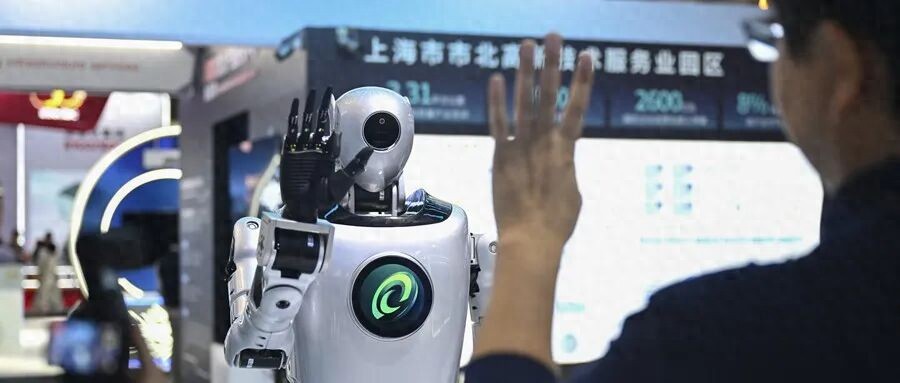
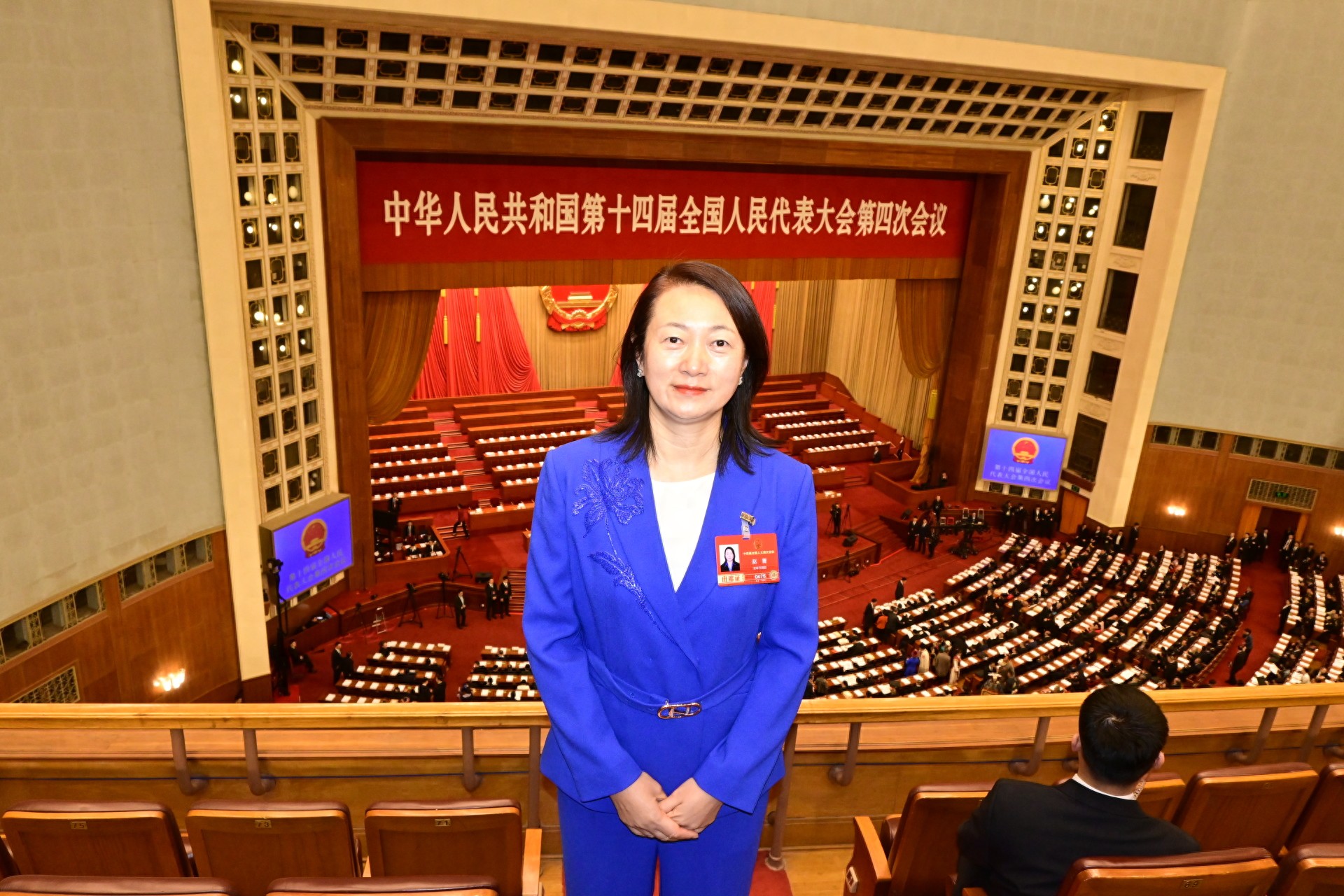
In Shu Yong's view, "artificial intelligence + cultural construction" cannot stop at the application level of tools, and cultural workers and artistic creators cannot just be satisfied with using new tools. "In the era of artificial intelligence, we have the responsibility to explore the ethical boundaries of human-machine collaboration, to define what is a good work in the digital age, and to challenge the aesthetic homogeneity that algorithms may bring."
As a creator who actively embraces artificial intelligence, Shu Yong observed that current artistic creation and technological innovation have not yet achieved deep integration, and there is a "two skins" phenomenon. "One common phenomenon is 'technological idleness', which is the excessive pursuit of cool forms; another phenomenon is 'superficial pasting of cultural symbols', which is simply digitizing traditional cultural elements without a deep understanding of their spiritual connotation and historical context, resulting in the production of visual products that appear to be 'national trends' but are actually empty."
Shu Yong believes that strengthening the integration of artificial intelligence and cultural construction should be promoted simultaneously from aspects such as value concepts, creative paradigms to industrial ecology. In terms of industrial ecology, he suggested cultivating new humanistic economic formats such as digital cultural museums, immersive performing arts, smart cultural tourism, and virtual cultural communities, and creating new scenes such as "urban living rooms" and "rural aesthetic spaces" that have both aesthetic functions and cultural connotations.
In Huaihua, Hunan, Shu Yong worked with local villagers to transform a hillside into an installation art exhibition site that tells the "story of the village" using local materials and simple intelligent lighting and sound devices. The creation process of this "rural aesthetic space" inspired the villagers' pride and attracted many tourists. "Promoting economic growth and enhancing cultural confidence is a vivid practice of 'humanistic economics' in rural areas," Shu Yong said.
From using artificial intelligence to "paint a day" to "artistic rural construction" that combines technology and culture, various practices have convinced Shu Yong that in the era of artificial intelligence, the core competitiveness of artists increasingly returns to people. The integration of technology and art lies in "injecting the gene of humanistic spirit into algorithmic logic, thereby continuing to write and create a new chapter on the cornerstone of digital civilization." (over)