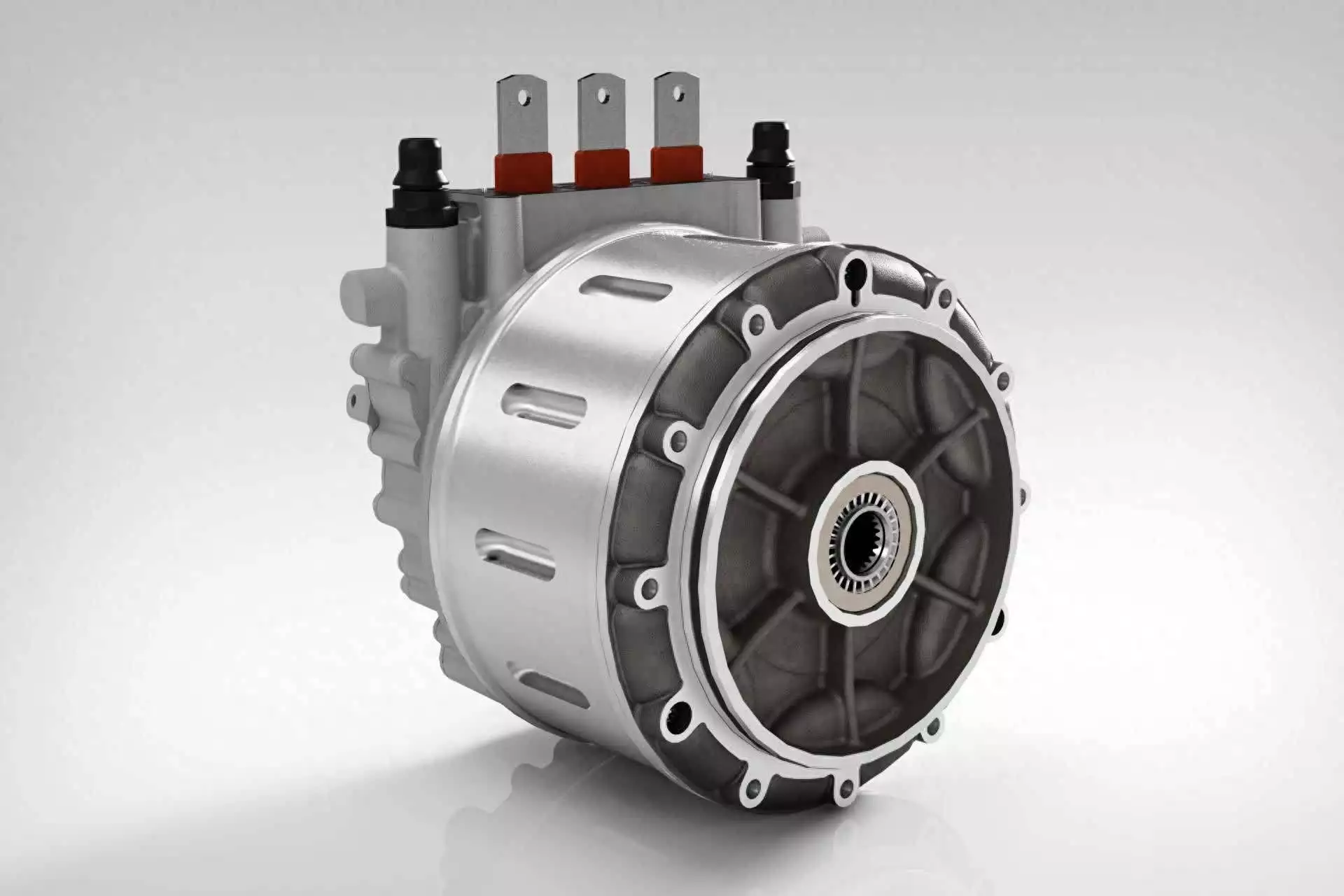
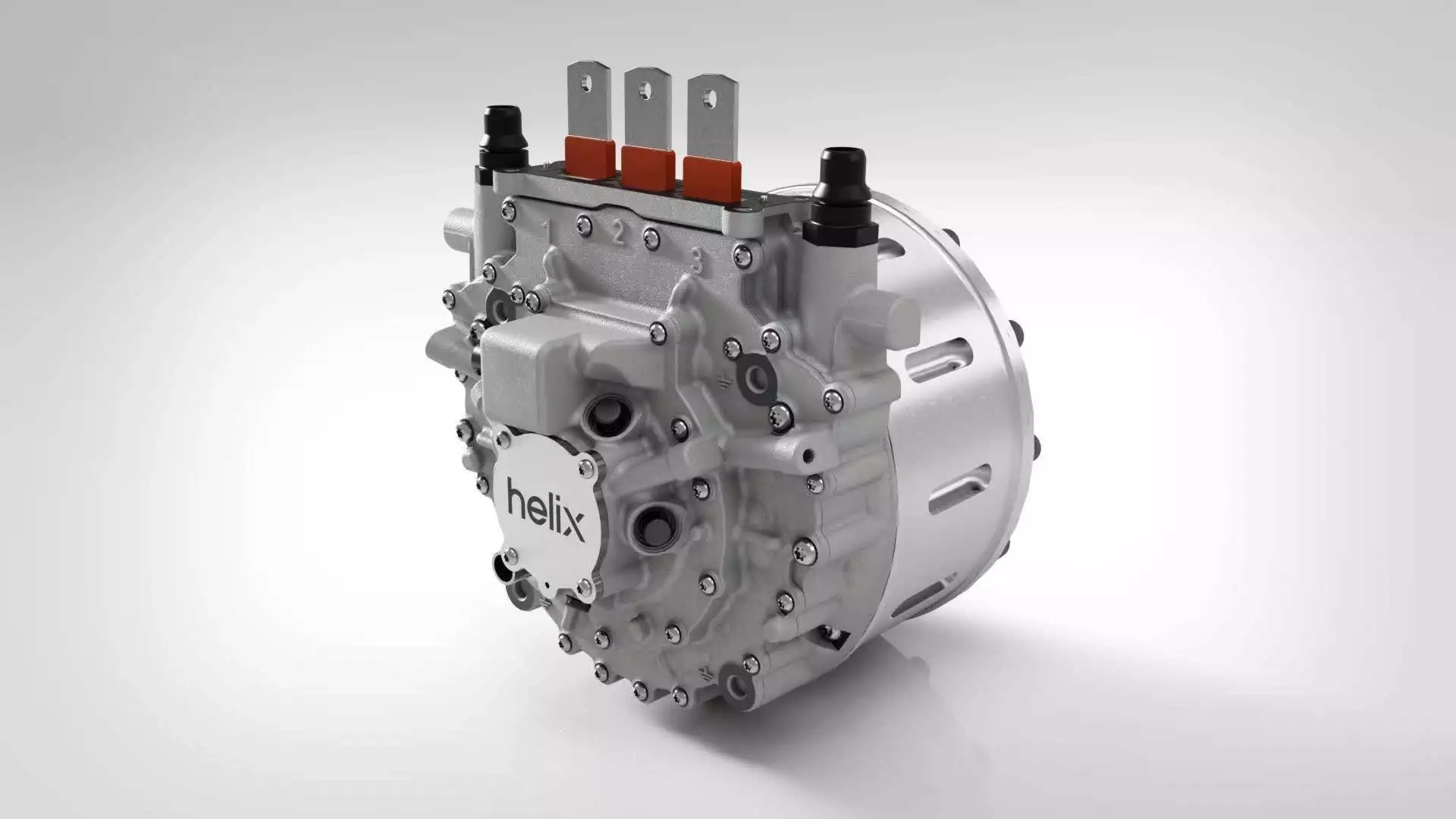
British electric drive specialist Helix manufactures the world's highest power density motors. The company is now working to expand this compact, high-power design into a marine propulsion ecosystem that it believes will help change the face of everyday recreational and utility watercraft (at least the bottom of the hull). The company’s newly launched “pod module” integrates the necessary electric drive components and aims to make the 360-degree pod thruster a widely available solution, which is expected to improve energy efficiency and enhance maneuverability in the huge ship market.

Notice: The electric flame stove is here, you no longer have to pay the gas bill
Electric pod thrusters evolved from azimuth thruster systems dating back to the mid-20th century or even earlier. As a flexible, distributed form of ship propulsion, electric pod thrusters can increase efficiency, improve maneuverability, and free up space inside the hull. Unlike the traditional method, which relies on a large central engine to drive a propeller through a long propeller shaft and is equipped with an independent rudder system for steering, these devices integrate all powertrain and running gear components into a horizontally gimbaled underwater pod mounted on the keel of the ship.
The pod then functions as both a propulsion and steering mechanism, with its 360-degree rotation capability achieved through slip rings that deliver electrical power. This omnidirectional rotation allows each pod to accurately direct thrust in the desired direction, eliminating the need for an independent rudder system and greatly improving maneuverability. It can even enable giant ships to turn in place, much like the performance of torque vectoring electric vehicles on land.
In addition to improving maneuverability, pod thrusters are also claimed to increase energy efficiency. They utilize their full range of rotation capabilities to direct thrust in the most efficient manner based on current sailing direction and conditions, while reducing energy-consuming vibrations and eliminating additional drag from rudder components.
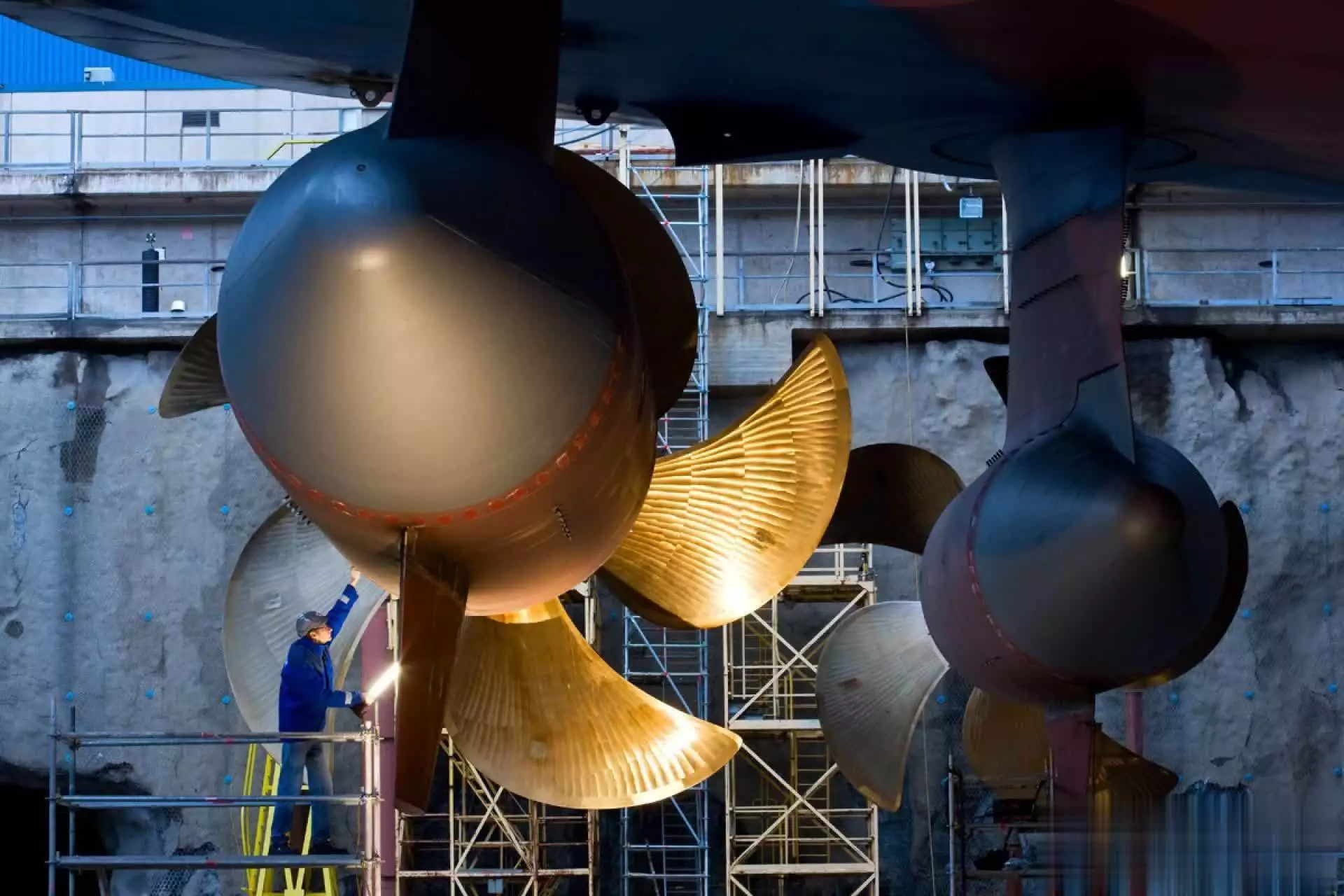
According to the Swedish-Swiss multinational ABB Group, which currently promotes Azipod, the first electric pod thruster launched in the early 1990s, in open waters, ships propelled by Azipod systems can typically reduce energy consumption by 5% to 15%, and in some cases may even achieve a 20% to 25% reduction. That's a lot for a ship like a cruise ship that consumes hundreds of thousands or even millions of gallons of fuel to travel between ports. A few years ago, a Deltamarin study found that Azipod-powered ferries could save up to $1.7 million in annual fuel costs.
This series of advantages makes pod thrusters a popular solution for some large ocean-going ships (such as cruise ships, container ships, oil tankers and ferries, etc.). We have previously discussed that pod thrusters can rotate directional thrust 180 degrees between "pull" and "push" orientations. This ability is particularly beneficial for icebreakers adapted to polar environments.
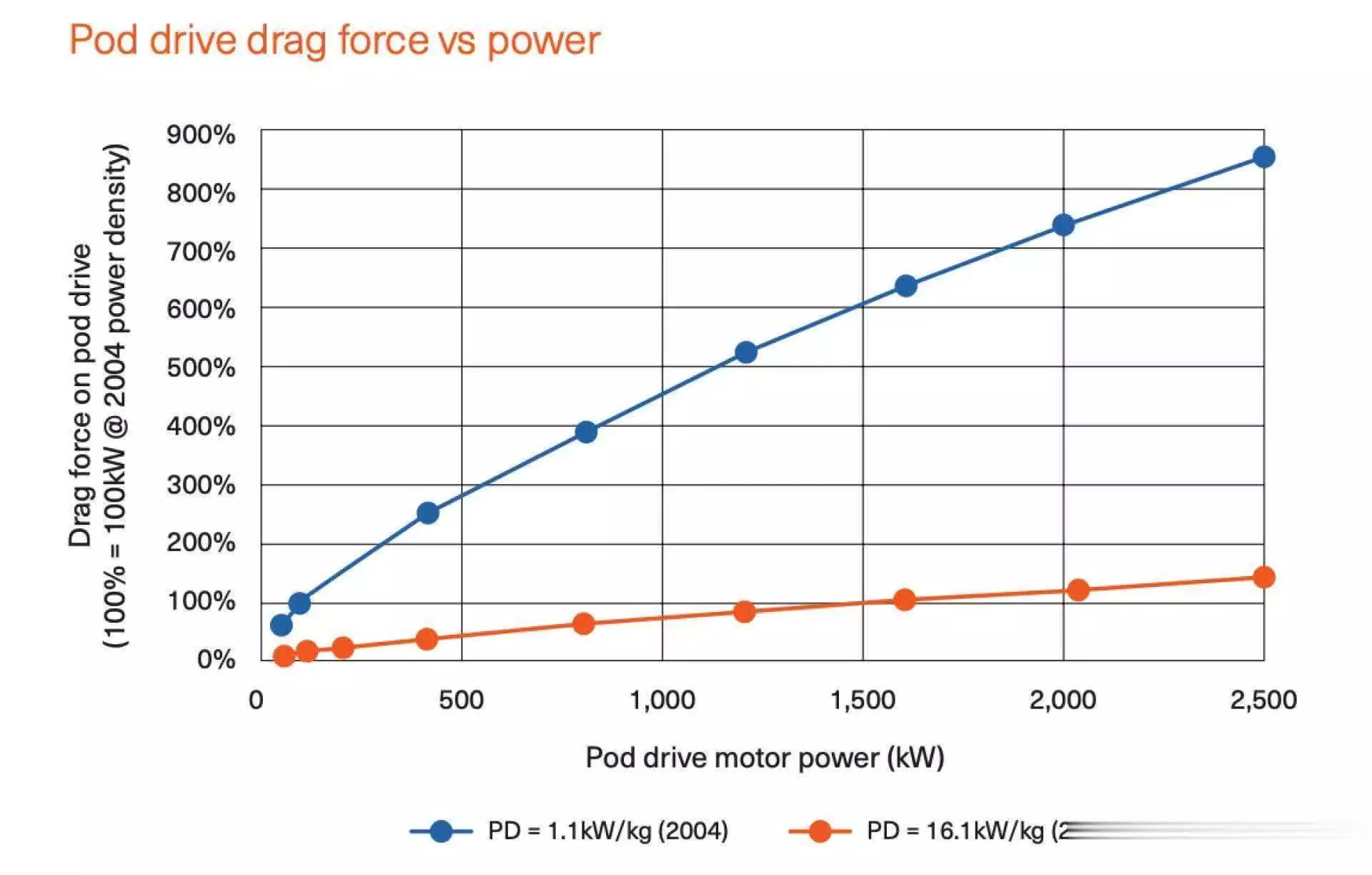
However, Helix believes that pod thrusters still have a lot of untapped potential in terms of downstream market expansion, and explained that due to the limitations of traditional motor power density, pod thrusters have long been limited to large ships. To achieve the high power levels required to propel ships, huge motors had to be installed inside giant underwater pods, resulting in high drag. Only in the very large power range above the megawatt level will the ratio of drag to power drop enough to realize the energy efficiency gains of pod propulsion. In smaller pods, the drag ratio becomes too high to overcome.

The hand-cranked dumpling machine is a labor-saving tool for the elderly, making it easy to enjoy delicious food!
Helix is poised to revolutionize this with its rapidly evolving motor topology technology that enables high power and torque in an extremely light and small package. While Helix’s range-topping 25kW/kg SPX177 motor was developed by its experimental division for a supercar prototype and is not optimized for mass-market use, its SPC177 radial flux motor, planned for use in the marine pod ecosystem, can still deliver up to 9.7kW/kg of power density, delivering a sustained output of 300kW from a 31kg package.
Helix reasoned that at this power density level, at sub-megawatt scale, the drag caused by the pod body would become insignificant, opening the door to efficient propulsion of small to medium-sized ships. In fact, the company even claims that its small, high-power motor construction will allow shipbuilders to reduce drag by 70% compared to traditional (giant) pod thrusters.
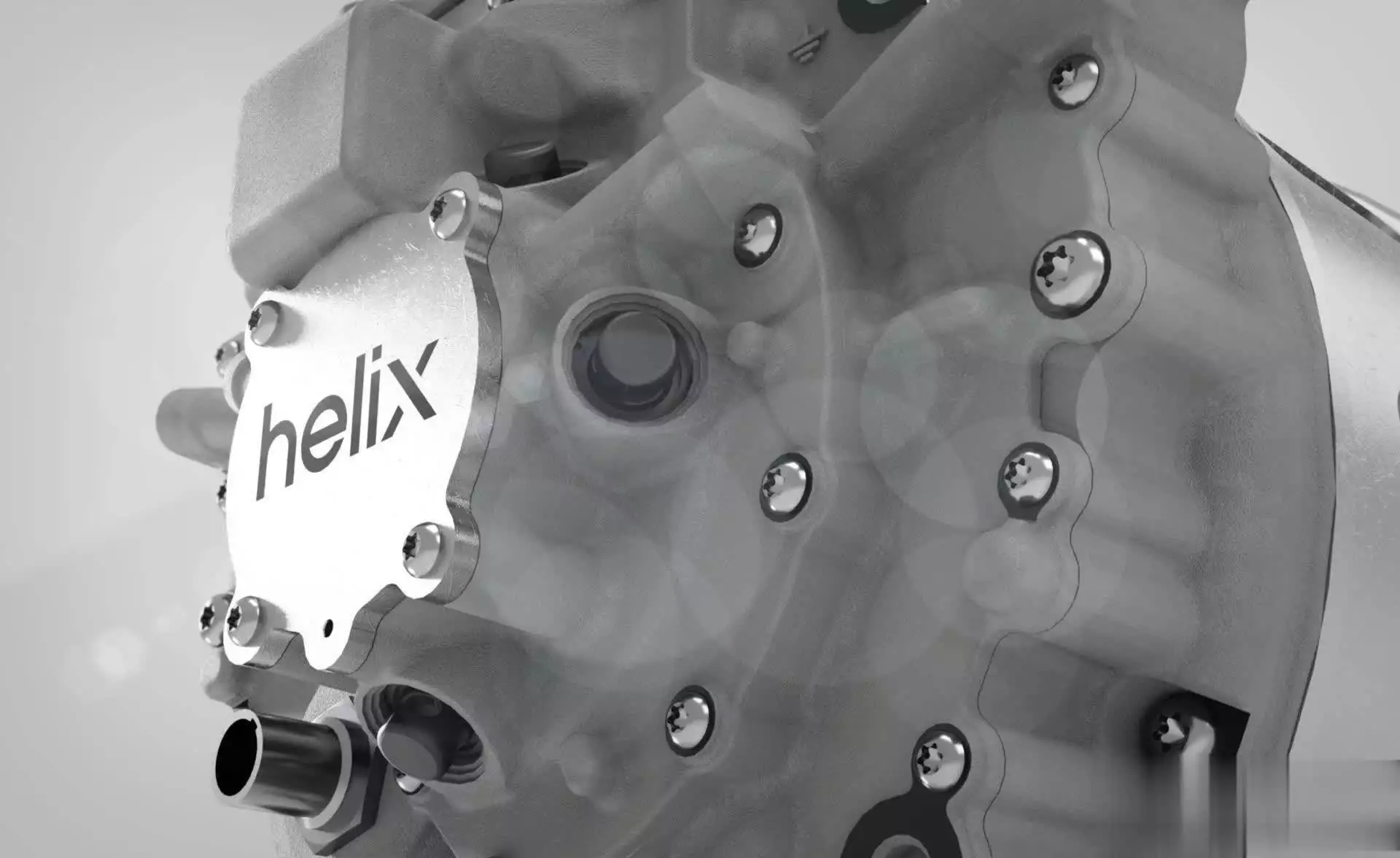
Rather than developing complete pods, Helix hopes to create modular flexibility by offering what it calls “pod modules” to manufacturers of small and medium-sized recreational, commercial and passenger vessels in the sub-megawatt range. Each “module” will be a plug-and-play set of pod internal components for shipyards and propulsion system manufacturers to install into their own designed subsea pod structures and pair them with propellers, battery systems, generators and control software solutions configured to specific vessel requirements.
Each first batch of "modules" will contain an SPC177 motor, complete with Xtrac gear reduction system, CAN bus interface, bearings and seals, and an optional Helix inverter.
"By freeing up aft deck space previously reserved for outboards, or internal space reserved for engine rooms and propeller shafts, our Helix pod modules offer the industry a landmark opportunity to rethink the way ships are designed, while enabling more efficient sailing and supporting the shipping industry's journey towards net-zero emissions," James Edwards, chief marine engineer at Helix, said in the launch last month.
Helix gives examples of how extra hull space can be used to make a trawler more comfortable and practical for fishermen, or a yacht more relaxing and enjoyable for leisure customers.
Three sub-megawatt pod module sizes will be launched at launch: 100kW, 200kW and 300kW. 100 and 200 kW models will be available in low and high torque variants, with Helix planning to eventually expand the product line to output power ranges from 480 kW to 3 MW.
Solid state drive prices plummet! Available in 64G-4TB, now is the time to buy!
Given the limited range of battery-powered electric boats, you may be wondering how on earth ship operators can power conventional multi-megawatt electric pod motors. This does not rely solely on batteries, but requires an onboard power generation system using diesel or hydroelectric power.
Likewise, Helix noted that pod module customers will be able to develop their own powertrains, whether a pure battery system or a series hybrid powered by a diesel generator or other alternative energy source. Unsurprisingly, the company expects customers to gravitate towards hybrid systems in the initial phase.
#shippropulsion#motortechnology#podmodule#shipenergyefficiency