[Two Sessions Notes] Guangming Daily reporter Li Nianyue
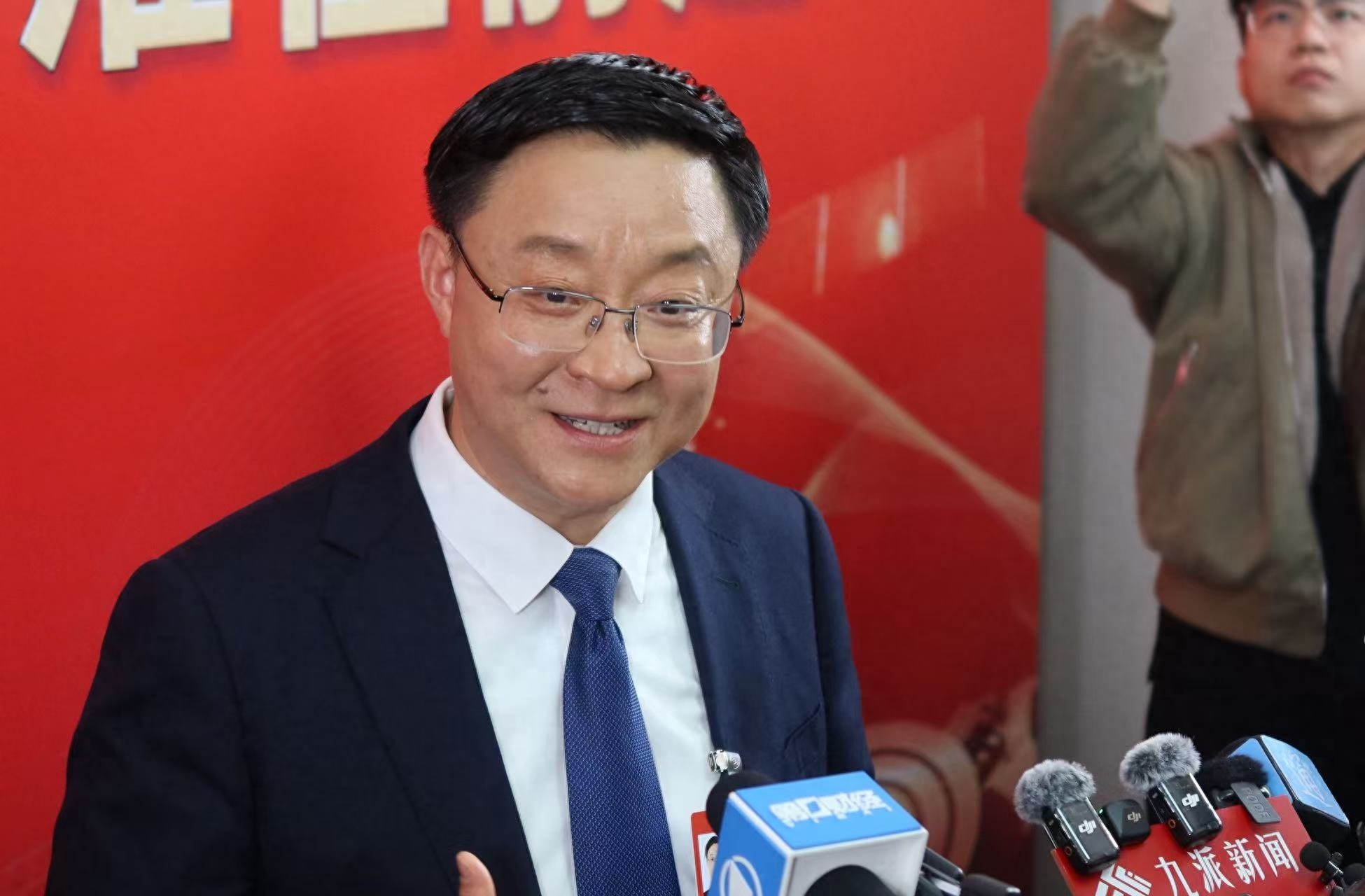
"This year's government work report proposes to deepen and expand 'artificial intelligence +'. This is not only a subject for our scientific and technological community, but also requires the participation of all sectors of society." On March 6, during the break of the group meeting, Zhao Xiaoguang, member of the Central Committee of the Democratic National Construction Association and researcher at the Institute of Automation of the Chinese Academy of Sciences, stood beside his seat and discussed with several members.
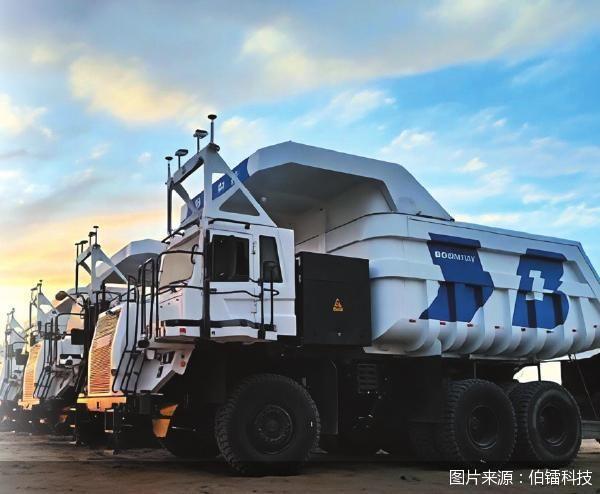
The reporter walked over gently and heard Commissioner Zhao Xiaoguang say: "Taking autonomous driving as an example, current transportation facilities are designed with humans as the driving subjects. When autonomous driving technology develops to L4 and L5 levels, will existing traffic regulations, road design and even parking lot planning have to change accordingly? 'Artificial Intelligence +' is a systemic change that cannot be completed by one company or one industry independently."
"I also have a deep understanding of the systemic changes mentioned by Commissioner Zhao." Commissioner Liu Ning, a researcher at the Institute of Literature of the Chinese Academy of Social Sciences, nodded frequently. "My research found that artificial intelligence has been deeply embedded in primary and secondary education, and in some places there has even been a phenomenon of minors relying on artificial intelligence prematurely. How can minors master new technologies without weakening important abilities such as writing and calculation? This requires joint research and judgment by the education and technology circles and the improvement of regulations."
“Our regulatory framework must also take into account principles and flexibility.” Sun Xueyu, a former full-time member of the National Ethnic Affairs Commission who has long been concerned about artificial intelligence and risk governance issues, also joined the dialogue. “It is necessary to avoid premature excessive restrictions that hinder innovation, and to prevent laissez-faire from causing systemic risks. Testing and innovation should be carried out in a controlled environment, so that laws, regulations, standards and technological development can be advanced simultaneously.”
Listening to the exchanges between several committee members, the reporter felt that this was not just a spontaneous discussion, but also reflected a heavy responsibility. Thinking in different fields exchanged and collided during the discussion and a consensus was formed. This is a vivid portrayal of the performance of CPPCC members' duties.
"Guangming Daily" (Page 07, March 08, 2026)