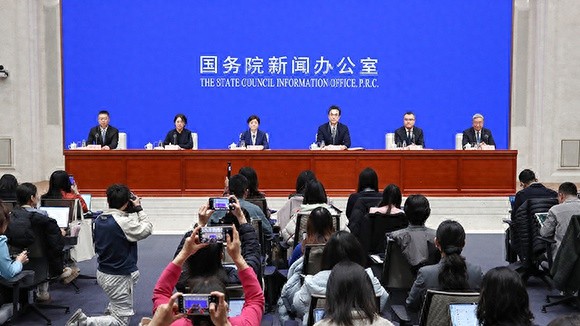
On March 7, the State Council Information Office held a briefing to interpret the "Outline (Draft)" of the "15th Five-Year Plan".
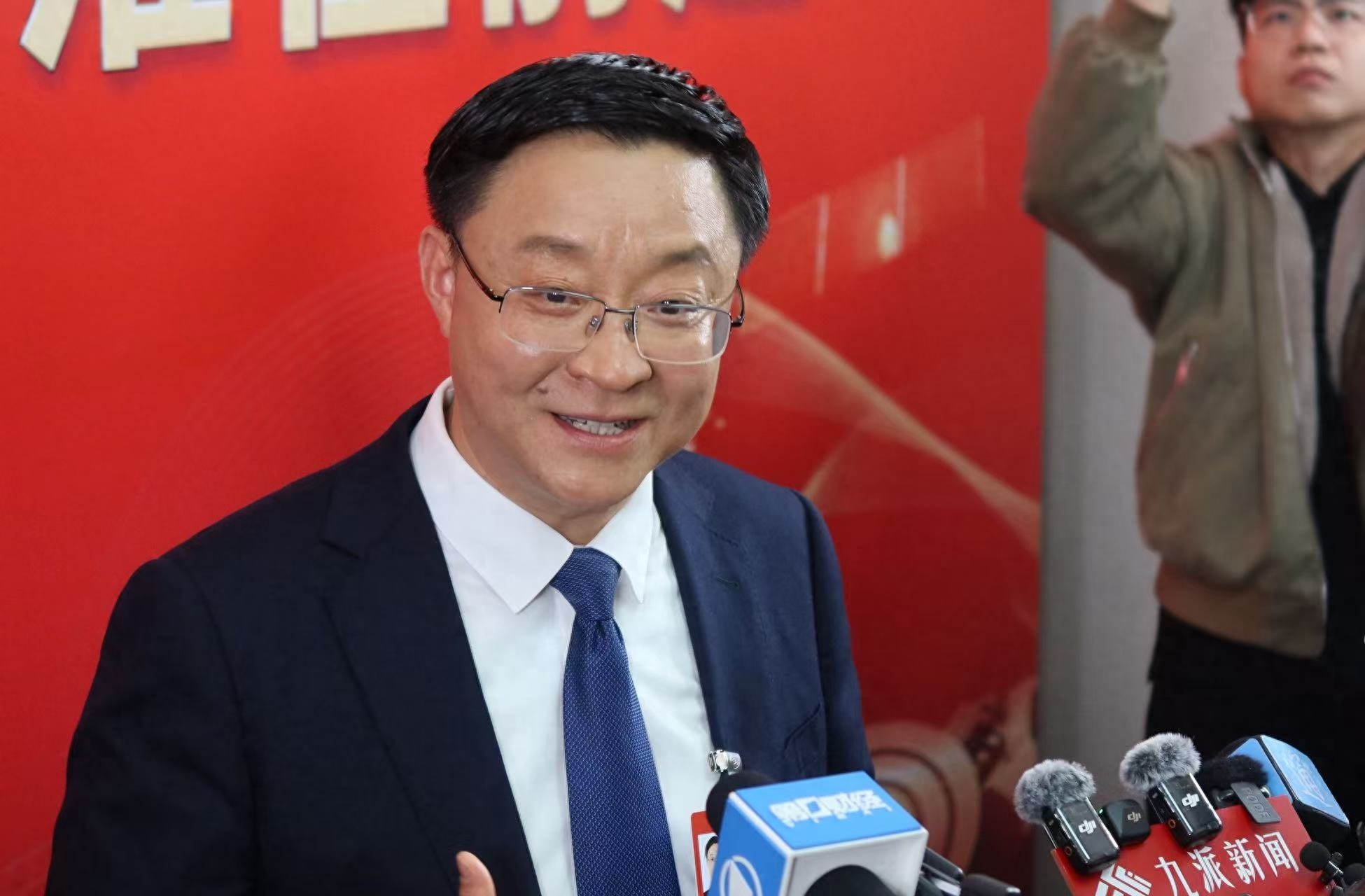
Briefing session on site. Picture/Guoxin.com
Liu Dechun, director of the Social Development Department of the National Development and Reform Commission, said that "one-elderly-one-child" services are a practical issue of great concern to the general public and are also a key area of investment in people during the "15th Five-Year Plan" period. The "Outline (Draft)" of the "15th Five-Year Plan" devotes two chapters to elaborating on actively responding to population aging and building a fertility-friendly society.
Actively respond to the aging of the population.
The first is to ensure that the elderly have adequate care, improve the basic pension insurance benefit determination and adjustment mechanism, gradually increase the basic pension for urban and rural residents, promote long-term care insurance, develop community-embedded elderly care services, family elderly care beds and mutual assistance for the elderly, transform and upgrade 2,000 public elderly care institutions, and the proportion of nursing beds in elderly care institutions will reach 73%.
The second is to support the elderly to be productive, strengthen the aging-friendly renovation of public facilities, expand diversified jobs suitable for the elderly, optimize age restrictions in employment, social security and other aspects, and carry out in-depth "Silver Age Action" to create better conditions for the elderly to participate in society.
The third is to promote the enjoyment of old age, strengthen the preferential treatment and protection of rights and interests of the elderly, cultivate and strengthen the silver economy, provide more abundant products and services suitable for aging, develop universities for the elderly, meet the spiritual and cultural needs of the elderly, and further enhance the sense of gain and happiness of the elderly.
Aspects of building a fertility-friendly society.
The first is to strengthen maternity protection, expand the coverage of the maternity insurance system, reasonably improve the level of prenatal medical expenses protection, promote the application of assisted reproductive technology in a standardized and orderly manner, and fully implement the maternity leave system to provide better basic security for families with childbirth.
The second is to improve childcare services, support kindergartens to develop integrated childcare services, strengthen the supply of public childcare places, support social forces to provide diversified inclusive childcare services, achieve full coverage of comprehensive childcare service centers at the prefecture and municipal levels, promote an increase of 6 percentage points in the enrollment rate of infants under 3 years old, and make inclusive childcare services more convenient and accessible.
The third is to reduce the burden of childcare, give full play to the role of policies such as special additional deductions for personal income tax, explore the establishment of a dynamic adjustment mechanism for childcare subsidies, improve family development policies, increase support for families with multiple children in terms of schooling, housing, etc., and effectively reduce the cost of family childbirth, childcare and education.
In addition, the "Outline (Draft)" of the plan also sets up a column "Optimizing and improving services for the elderly and children", which clarifies the construction tasks of five projects including elderly care institutions, community elderly care, integrated medical care and nursing care, inclusive child care, and reproductive medical services, coordinates "hard investment" and "soft construction", optimizes and improves the service capabilities of elderly care and child care, and better benefits hundreds of millions of families and protects "one elderly and children".
Jiupai News special correspondent Wen Yanli and Gong Lingwei reported from Beijing
Editor Xiao Jie Ren Zhuo